Sonardyne
Support Centre
Jump to

Command and control on the backdeck

Overview

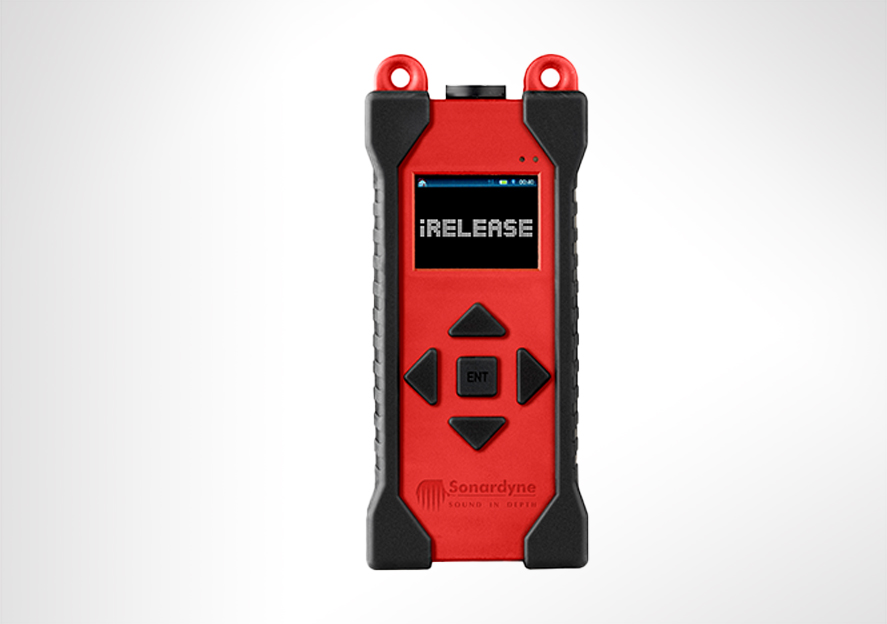
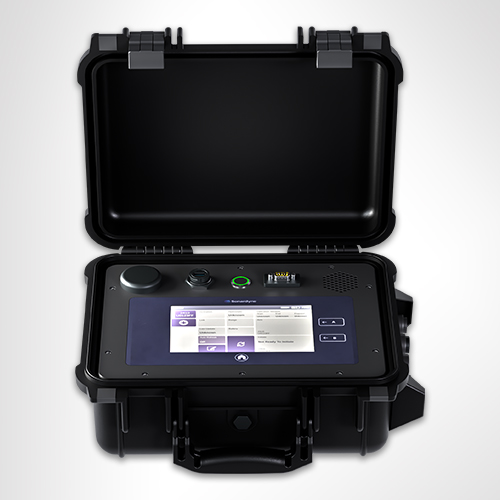
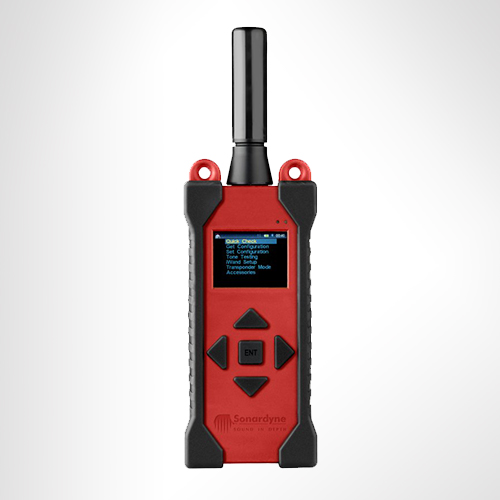
iRelease has been made obsolete. If you’re interested in the capabilities, we suggest looking at our Deck Topside

iRelease is a rugged, handheld unit that’s used as part of a Lightweight Command Unit (LCU) setup on the back deck to test, load and release our legacy range of ORT and DORT acoustic release transponders.

At a glance

  • Use it to test and control legacy ORT and DORT acoustic releases
  • Compatible with legacy LCU dunking systems (replaces obsolete Psion unit)
  • Handheld design, battery powered, rechargeable
  • Splash-proof and rugged; designed for the back deck
  • Easy-to-use five-button interface

Specifications table

Feature Type 8315
Case Rugged polypropylene copolymer case with styrenic over mould shock protection
Keypad Sealed 5 key navigation pad
Display 320 x 240 sunlight readable LED display
Connections USB Splash-proof mini-USB Type B
Serial 9-way D-type (male)
Charging USB to PC or USB to wall adaptor
Internal flash memory 1 GB
Battery Li-ion 3.7 V 1,300 mAh (typical)
Battery life Normal (screen on) >5 hours (screen automatically turns off after a selectable period)
Idle (screen off) >12 hours (press a key or ‘shake to wake’ to turn screen back on)
Off >3 months (press a key to wake)
Off for shipping >1 year (requires USB connection to wake-up)
Operating temperature -10 to 55°C
Storage temperature -10 to 55°C
Dimensions (length x width x depth) 194 x 84 x 40 mm
weight 0.8 kg

Manuals and quick start guides

Unlocking the Gulf Loop Current

The Gulf of Mexico is home to one of the world’s most energetic oceanographic phenomena – the Gulf of Mexico Loop Current. Reaching intensities of between 2 – 4 knots and measurable down to 1,000 m, the Loop Current System (LCS) also regularly sheds Loop Current Eddies (LCE).

The challenge

LCEs are highly energetic anticyclonic (clockwise) rotating rings of warm water, roughly 300 km across and 500 – 1,000 m deep, with current speeds of up to 4 knots. These break away from the extended Loop Current about every 8-9 months and slowly drift west-southwestward towards Texas or Mexico at about 3-5 km per day.

When an LCE forms at the height of hurricane season, it has the potential to fuel rapid intensification of hurricanes. This is what happened in 2005, just before Hurricane Katrina passed over and “bombed” into a Category 5 hurricane.

Warm circulating eddies can break off the LCS into the western, northern and central Gulf. These eddies are so highly energetic that they regularly disrupt oil and gas operations. But, they’re also critical to the Gulf of Mexico’s oceanographic system, including its nutrient and food cycles and, most importantly, hurricane intensity.

Despite 50 years of effort by the scientific community to understand the processes underlying the LCS, its behaviour remains unpredictable. To some extent, this is because of interactions with the deep eddies, which have been difficult to track from measurements near the sea surface. For this reason, a multi-year scientific study has been launched, led by the University of Rhode Island(URI). It includes a major deployment of Sonardyne’s Pressure Inverted Echo Sounders(PIES).

The solution

Following a recommendation by the US National Academies of Sciences, Engineering, and Medicine a long-term, US$ multi-million research program to plug the gaps in understanding and predicting the LCS is now underway.

The initial two-year project comprises an array of 15 URI CPIES, five Sonardyne CPIES and five Bureau of Ocean Management PIES. These are in an array, spaced 60 km apart, at depths down to 3,500 m in the area of the extended LCS. Initially deployed in June 2018, for a nominal two-year study, the units are fitted with batteries that can keep them powered for up to 36 months. This will allow for data gathering continuity in the event of a subsequent expansion of the program.

A core element of this scientific study is the array of seabed-mounted sensors, including Sonardyne’s PIES. PIES were originally developed for the marine seismic industry to measure average sound velocity in the water column. They do this by transmitting a wideband acoustic pulse from their position on the seabed. This pulse is reflected off the sea surface and returns to the seabed where it is detected by the PIES.

Oceanographers, however, use PIES differently. Their goal is to derive important physical data, including the strength and direction of currents. This is based on the principle that there’s a strong correlation between two-way travel time (usually known as tau) and vertical profiles of temperature, salinity and density. As a consequence, where this profile has been derived from historical data, an empirical relationship can be derived, which enables the density profile to be inferred from tau.

At a basic level, a laterally separated pair of PIES will, therefore, provide a vertical profile of velocity, and by deploying an array of PIES, local horizontal velocity and density fields can be mapped over the period of deployment.

URI has pioneered and refined the use of PIES for this purpose. While URI has a long history of developing its own PIES instruments, it decided to use Sonardyne’s PIES, as well as its own. This was primarily because a comparison study off the coast of Oregon* indicated that the Sonardyne PIES could generate similar accuracy data efficiently, potentially enabling longer deployments – and because of their telemetry capability.

Sonardyne’s integrated high-speed (up to 9,000 bps) acoustic telemetry capability also enables remote reconfiguration of the instruments and wireless retrieval of data to surface vessels, without interrupting the bottom pressure record.

These capabilities are based on Sonardyne’s extensive expertise in underwater acoustics, signal processing, hardware design and custom engineering, which URI recognises, have the potential to reinforce future PIES development.

Sonardyne’s expertise was central to reconfiguring a standard PIES as a CPIES (Current PIES) which was needed for this project to allow for near-seabed current data to be harvested alongside the PIES pressure and tau measurements. It also delivers important data on deep eddy currents above the seabed/water interface.

The reconfiguration involved connecting an Aanderaa Doppler current sensor to the PIES, which then served as a battery pack and data logger for the current sensor, deployed 50 m above the PIES on a float. Combining the deep current observations with the deep pressure observations enable data from the array to be referred to a common reference surface.


The results

An interim data retrieval campaign, using acoustic telemetry, was successfully completed in September. While the principal purpose of this was to recover an initial three-month-long data set, one notable feature found in the data was echoes, thought to be from fish, shrimp or squid.

This has been seen in other studies carried out by URI. We believe it is related to the transport of nutrients by deep currents crossing from the deeper to shallower thermocline side around the periphery of the Loop Current or a passing LCE.

The present array will inform planning for a longer-term, 10-year campaign. This could see a substantially expanded array of PIES deployed into Cuban, as well as Mexican and US waters. The aim of this larger array would be to provide near real-time data as input for LCS forecasting models.

Loop Current and LCE forecasts have the potential to benefit a wide range of users, from oil and gas operations and hurricane forecasters to fishing and tourism. Furthermore, improving ocean modelling in the Gulf of Mexico has the potential to provide a standard for improving prediction efforts in other ocean basins also.

Jump to

Overview

Deploy, track, moor and recover your equipment

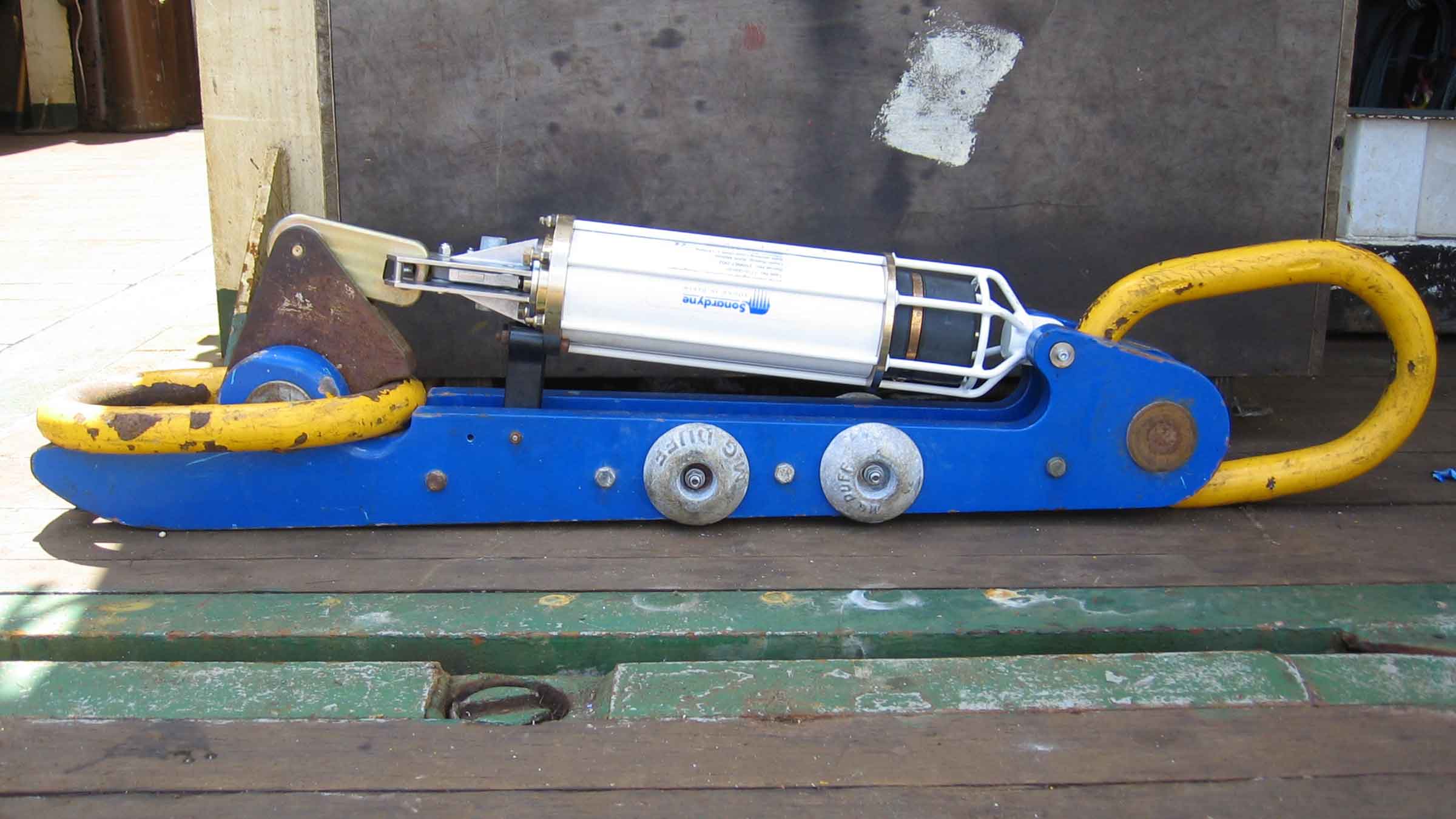
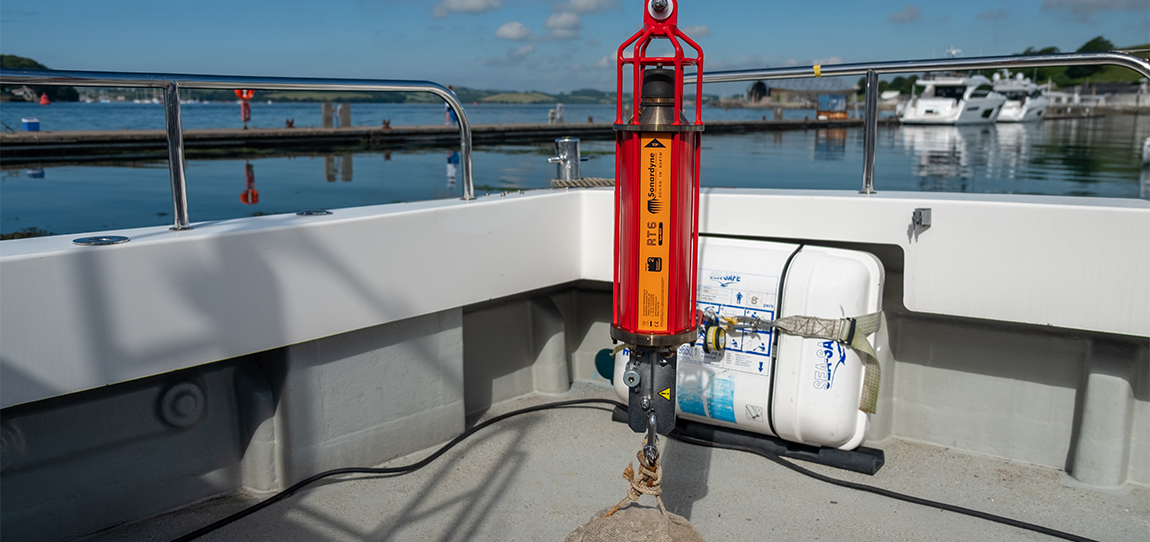
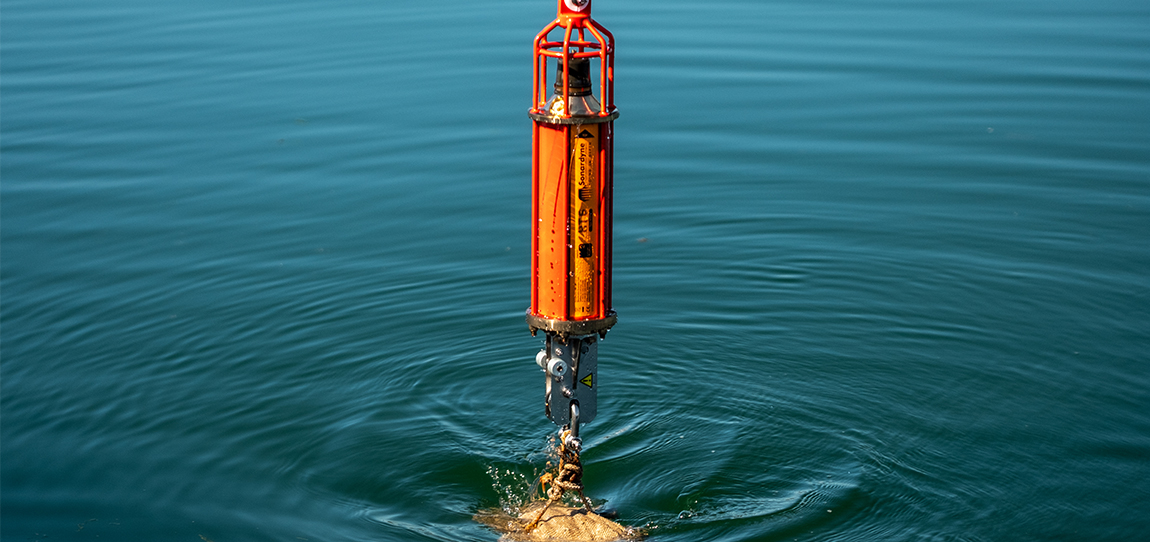
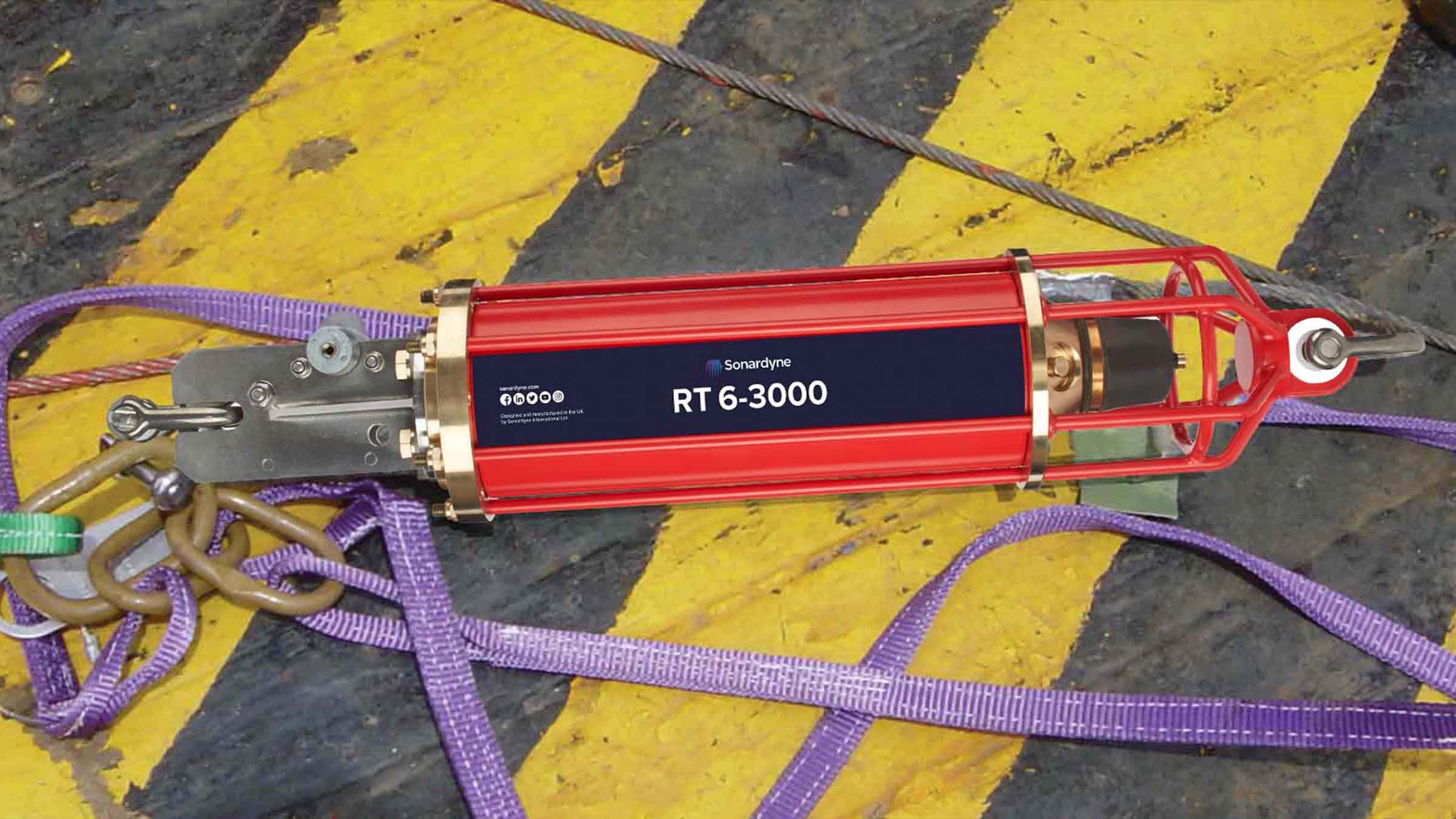
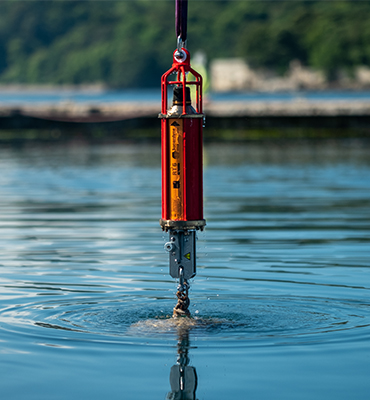
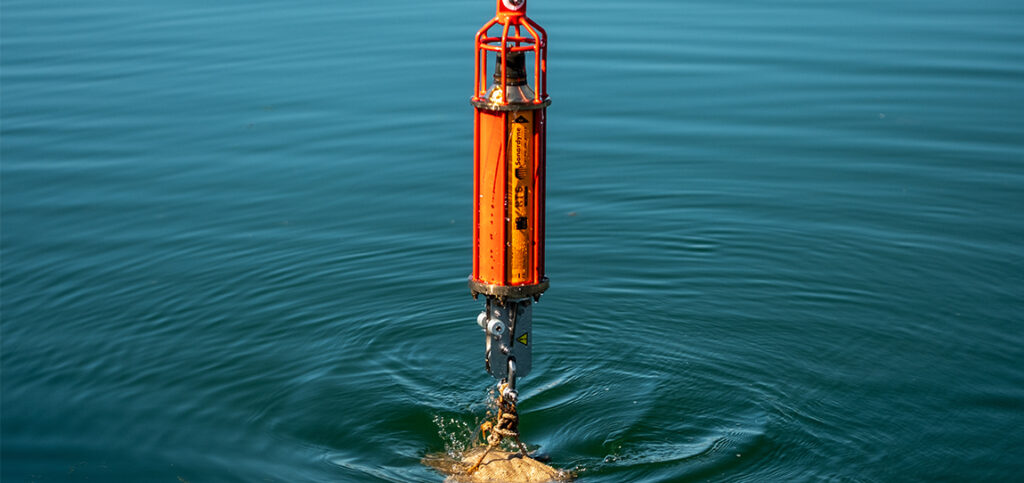
Deep water instrument mooring or structure installation; RT 6-3000 takes the hard work out of deploying your ocean sensors and heavy lifting from the seabed. It features an impressive battery life of over 32 months and a depth rating of 3,000 m.

Acoustic release transponders are a vital pieces of ocean equipment; relied upon by energy, defence and science users to secure valuable equipment subsea for years at a time and, when commanded to do so, reliably return equipment and logged data to the surface.
What's possible

You need transponders to be tough, reliable and easy to work with. RT 6-3000 meets these requirements.

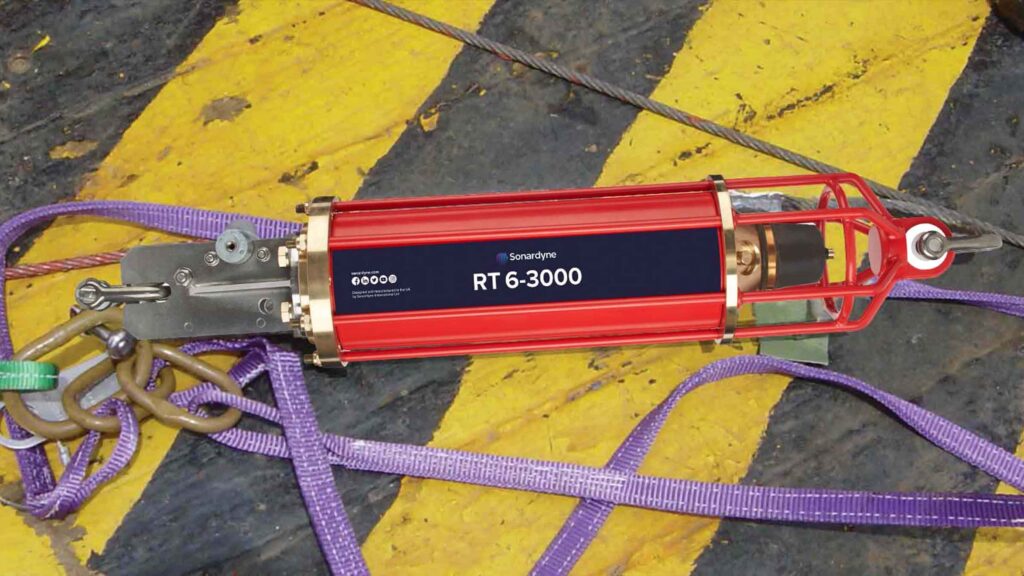
Part of our range of acoustic releases, RT 6-3000 combines our extensive mechanical design track record and many years of subsea mooring experience with the flexibility of our 6G platform. The result is an enhanced battery life and, perhaps most significantly, compatibility with our Ranger 2 USBL family.

Deploy. Track. Locate. Recover.

With RT 6-3000, you can use your Ranger 2 USBL to deploy, track, locate and command the instrument – removing the need for a separate topside unit.

If you don’t have access to a Ranger 2 USBL, our rugged and lightweight Deck Topside with an over-the-side dunker is all you need to configure and command your RT 6-3000s.

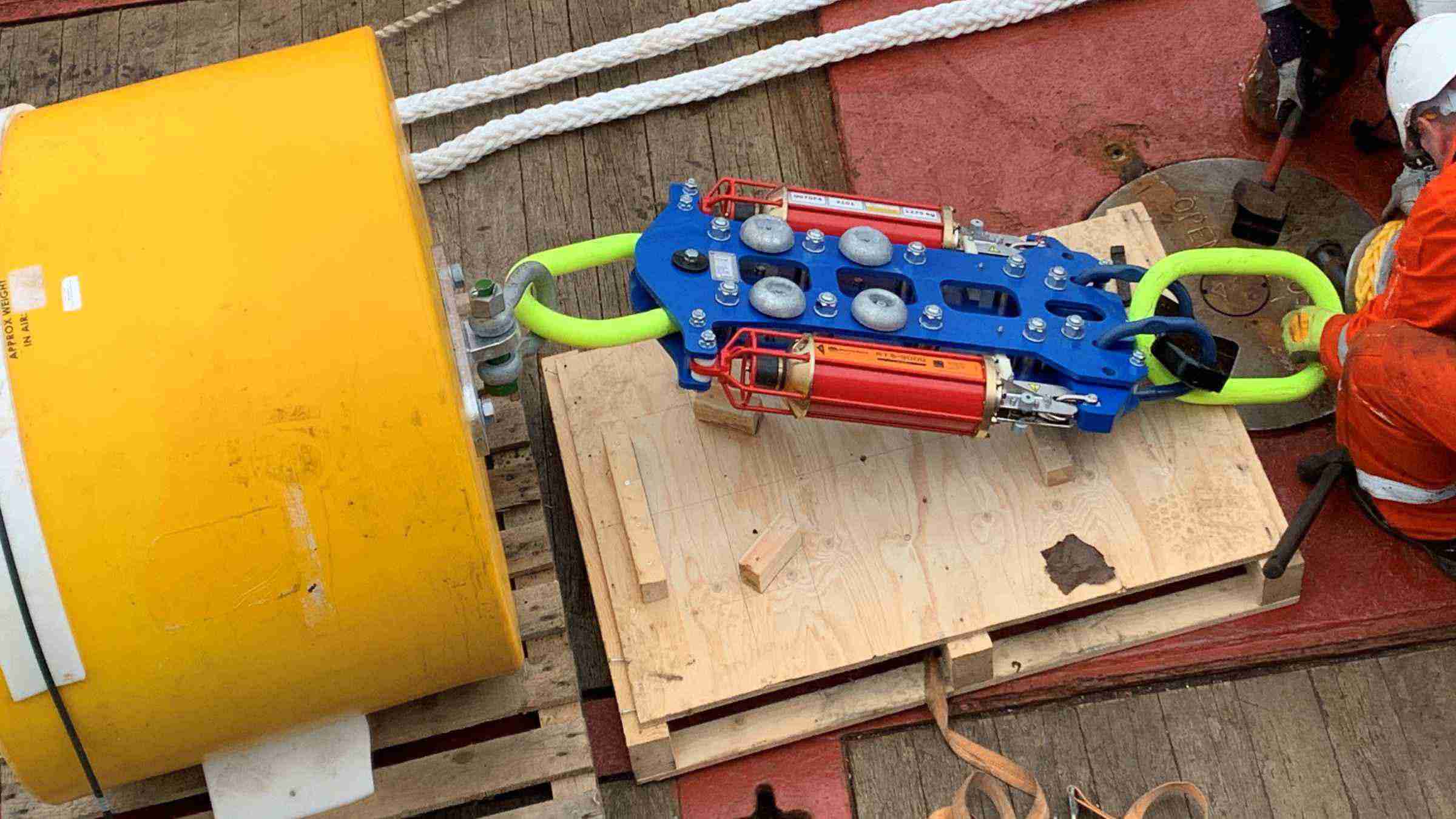
RT 6-3000s are used to anchor oceanographic moorings to the seabed. However, their compact size and compatibility with Ranger 2 makes them ideal for incorporation into instrument frames or lowered platforms to enable deployment of sub-system packages. Depth rated to 3,000 m, the maximum slant range for operation is dependent on the noise environment and topside used, but ranges to 4,500 m are achievable.

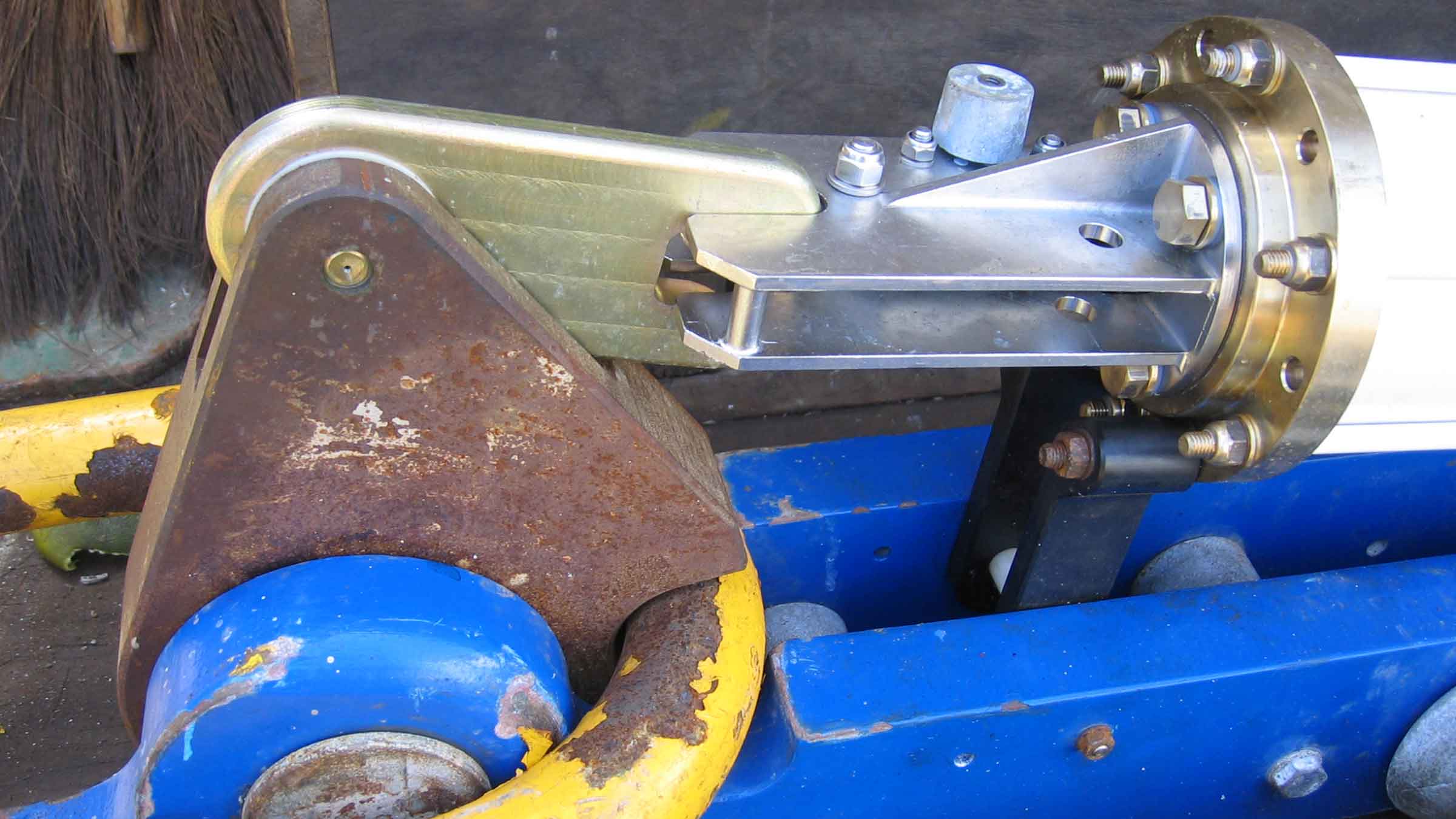
A battery disconnect fob is located on the transducer and uses an internal magnetic switch to electronically disconnect the battery when not in use. This means you don’t have to open the unit to manually disconnect the battery, saving time and reducing the risk of incorrect re-assembly.

Standard features include a Working Load Limit (WLL) of 1,275 kg (at 4:1) and the same trusted spring-assisted release mechanism used on thousands of Sonardyne transponders globally for many years. RT 6-3000 is compatible with our standard tandem and high-load release frames for scenarios requiring a higher WLL.

Speak to us about your requirements as custom frames are also an option.

Acoustics

• Medium Frequency (19-34kHz) band, Wideband 2
• Omni-directional transducer. Track it all the way to the surface
• Sonardyne Wideband 2 signal architecture supporting over 300 unique addresses
• Compatible with any Ranger 2 USBL system and Deck Topside

Design

• 700 x 142 mm, 15 kg weight in water
• Aluminium bronze, duplex stainless steel construction. ROHS compliant
• Configured with iWand hand-held acoustic transponder test and configuration device
• Compatible with our standard tandem and high-load release frame

Performance

• 3,000 m depth rated
• 4,500 m working range
• >32 months battery life; alkaline battery
• 1,275 kg Working Load Limit
• Secure and robust two-way acoustic communications. Only release what you want to release

Ownership

• What’s in the box: RT 6-3000, shackles, manual on USB
• Warranty: 1 year return to Sonardyne service centre
• ITAR Controlled: no
• UK Export Licence: not required

Specifications

Feature Type 8320-3411
Depth Rating 3,000 m*
Maximum Slant Range 4,500 m
Operating Frequency MF (20–34 kHz)
Transducer Beam Shape Hemispherical
Transmit Source Level (dB re 1 µPa @ 1 m) 186 dB
Tone Equivalent Energy (TEE) 192 dB
Receive Threshold (dB re 1 µPa) <90 dB
Working Load Limit (4:1) 1,275 kg
Proof Load 2,550 kg
Breaking Load 5,100 kg
Maximum Safe Release Load 1,700 kg
Battery Life (Alkaline) >32 months active
Inclinometer Accuracy ±5°
Surface Unit Deck Topside, Ranger 2 USBL
Mechanical Construction Aluminium bronze and duplex stainless steel
Operating Temperature -5 to 40°C
Storage Temperature -20 to 55°C
Dimensions (Length x Diameter) 700 x 142 mm (27.5 x 5.6”)
Weight in Air/Water 20/15 kg
Standards CE Marked to EN-60945, EN-61010
Options Shallow Water Deck Kit (Deck Topside) – 602-0175
Mid Water Deck Kit (Deck Topside) – 602-0179
Heavy Duty Release Frames (7.5 T, 15 T and 25 T)
*RT 6-3000 is pressure rated to 4,000 m; however, due to operating range constraints of MF, its use at depths greater than 3,000 m is not recommended.

Did you know?

RT 6-3000 can be used with our Ranger 2 USBL family or Deck Topside

Jump to

Overview

Precision underwater monitoring & recovery

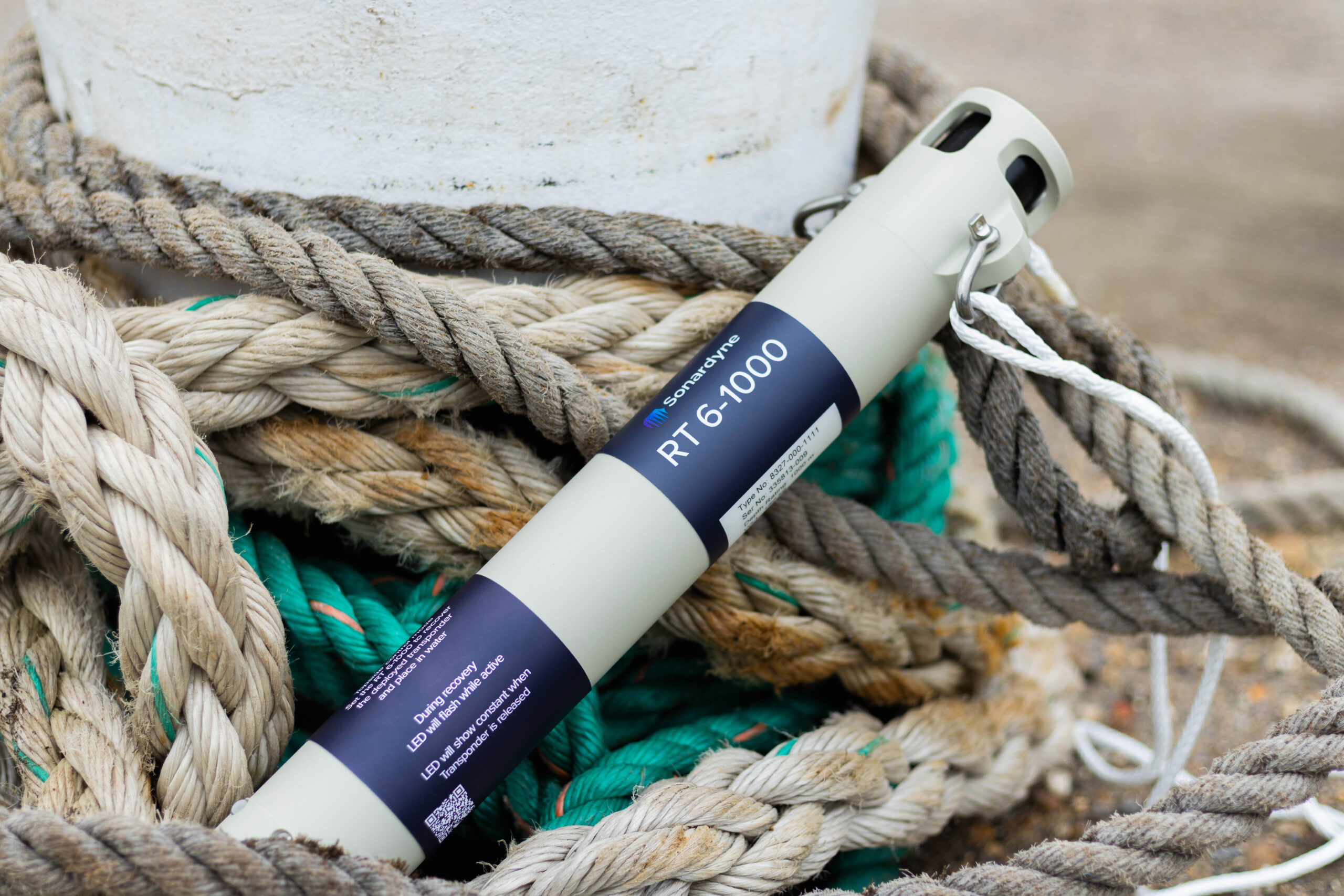
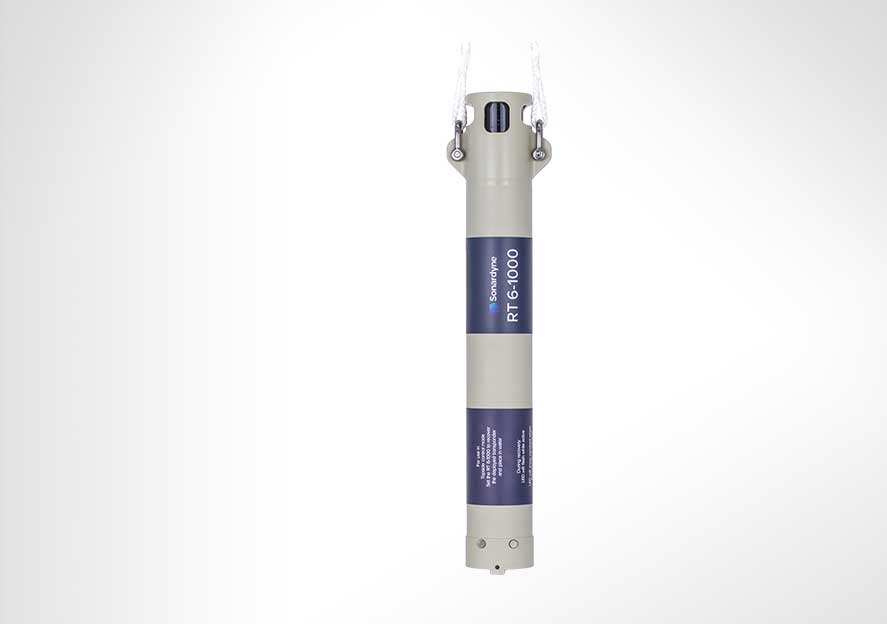
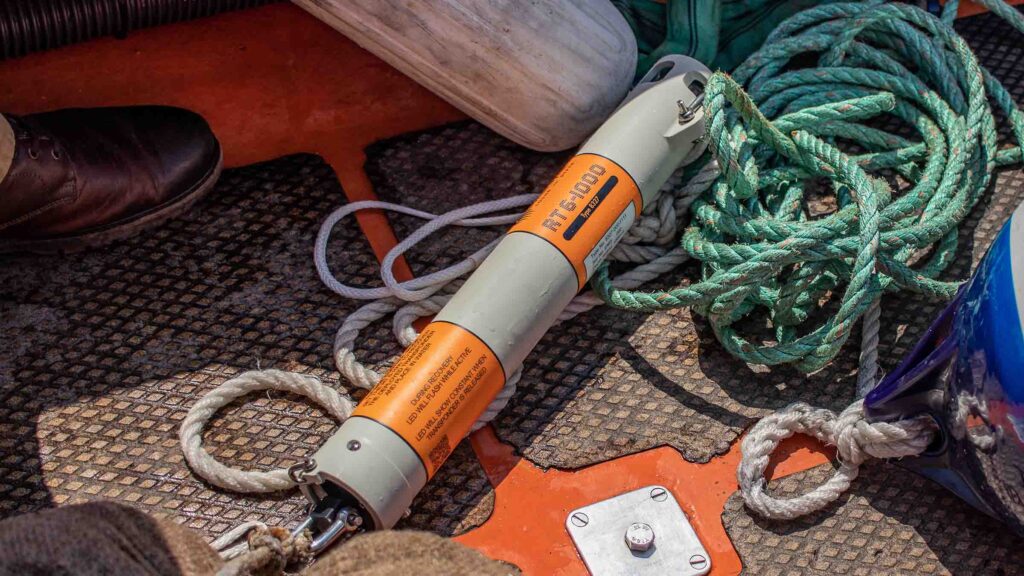
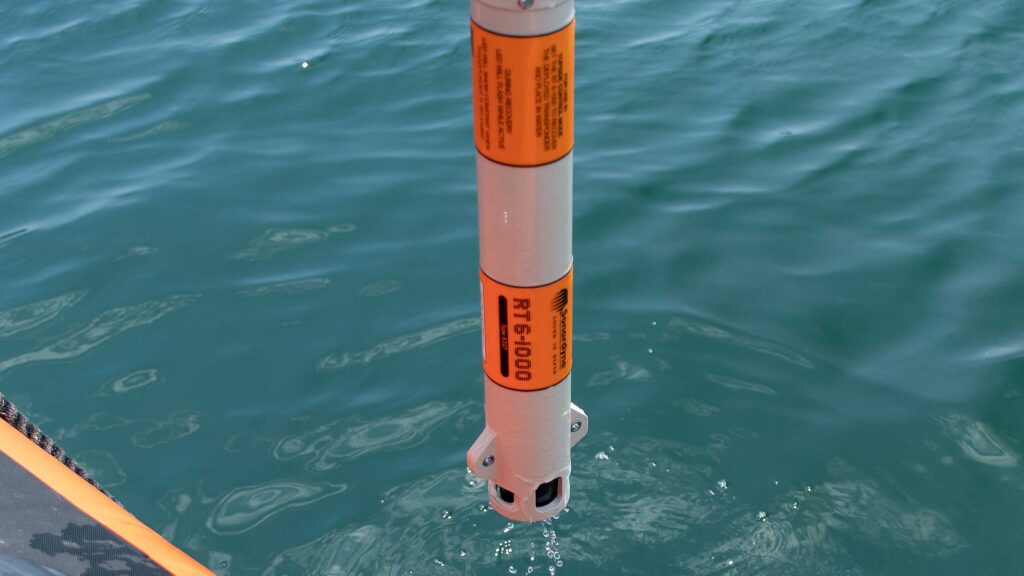
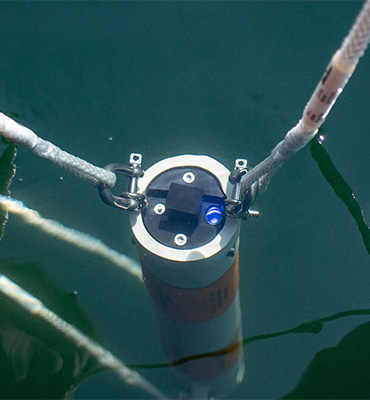
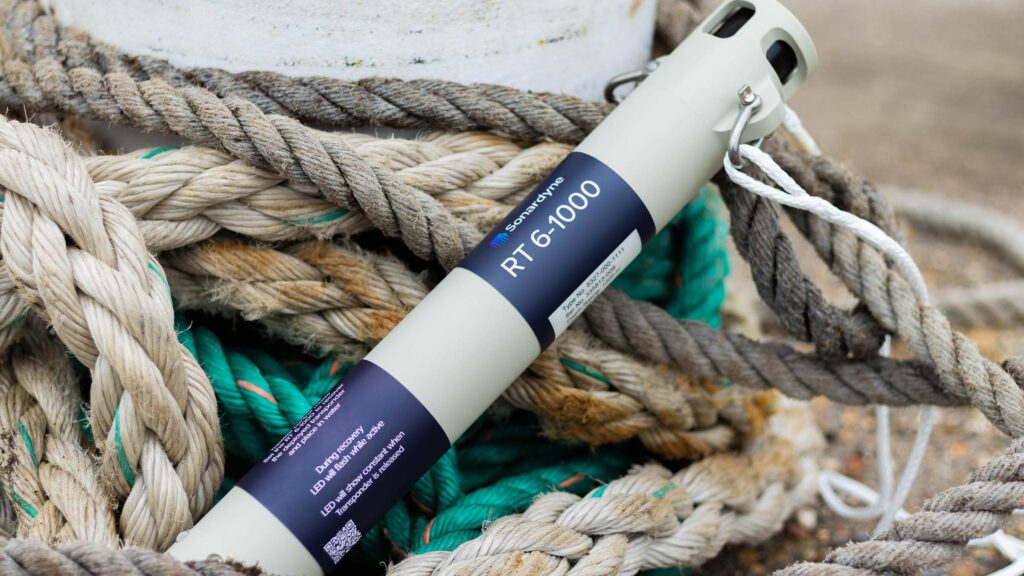
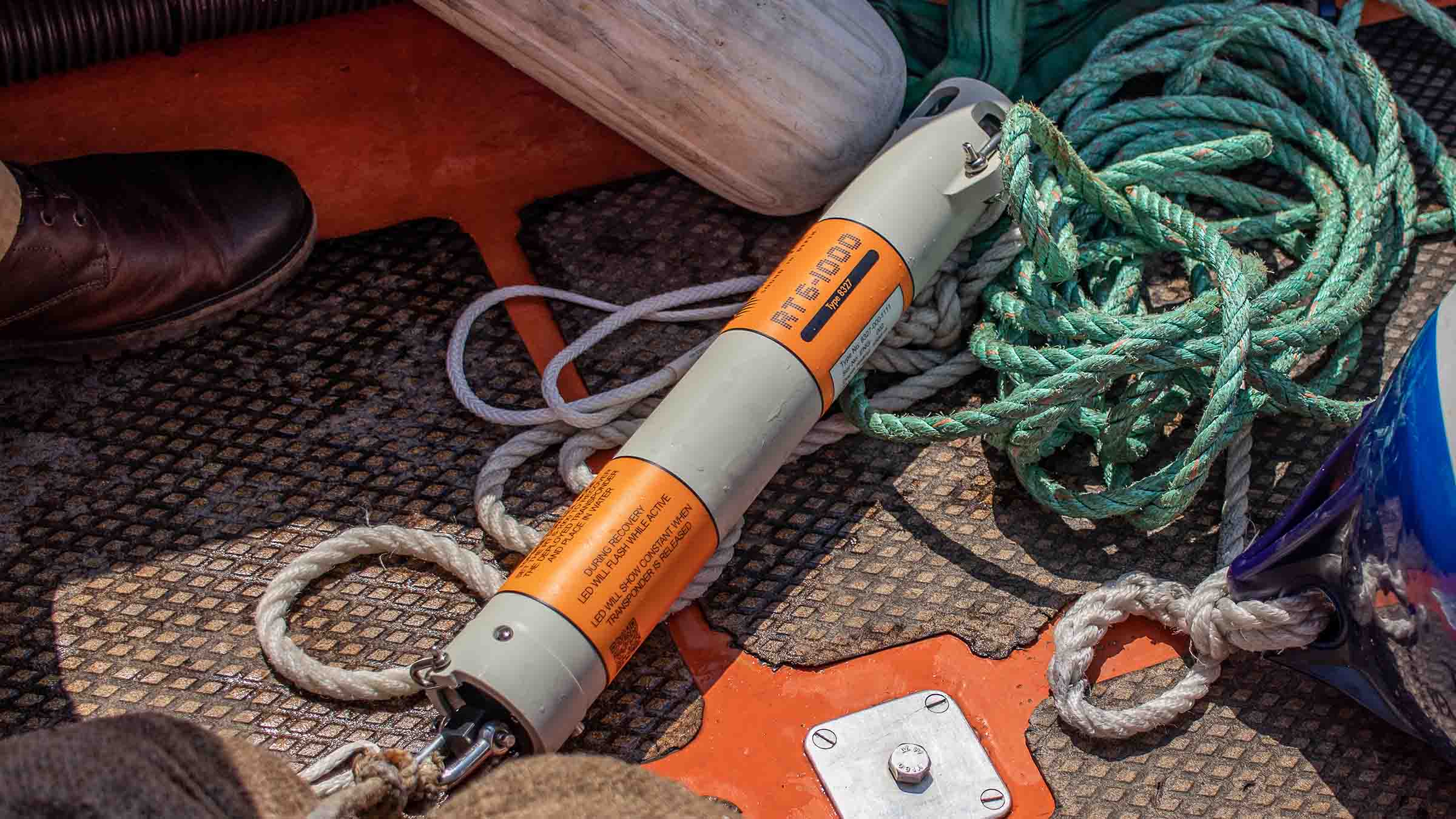
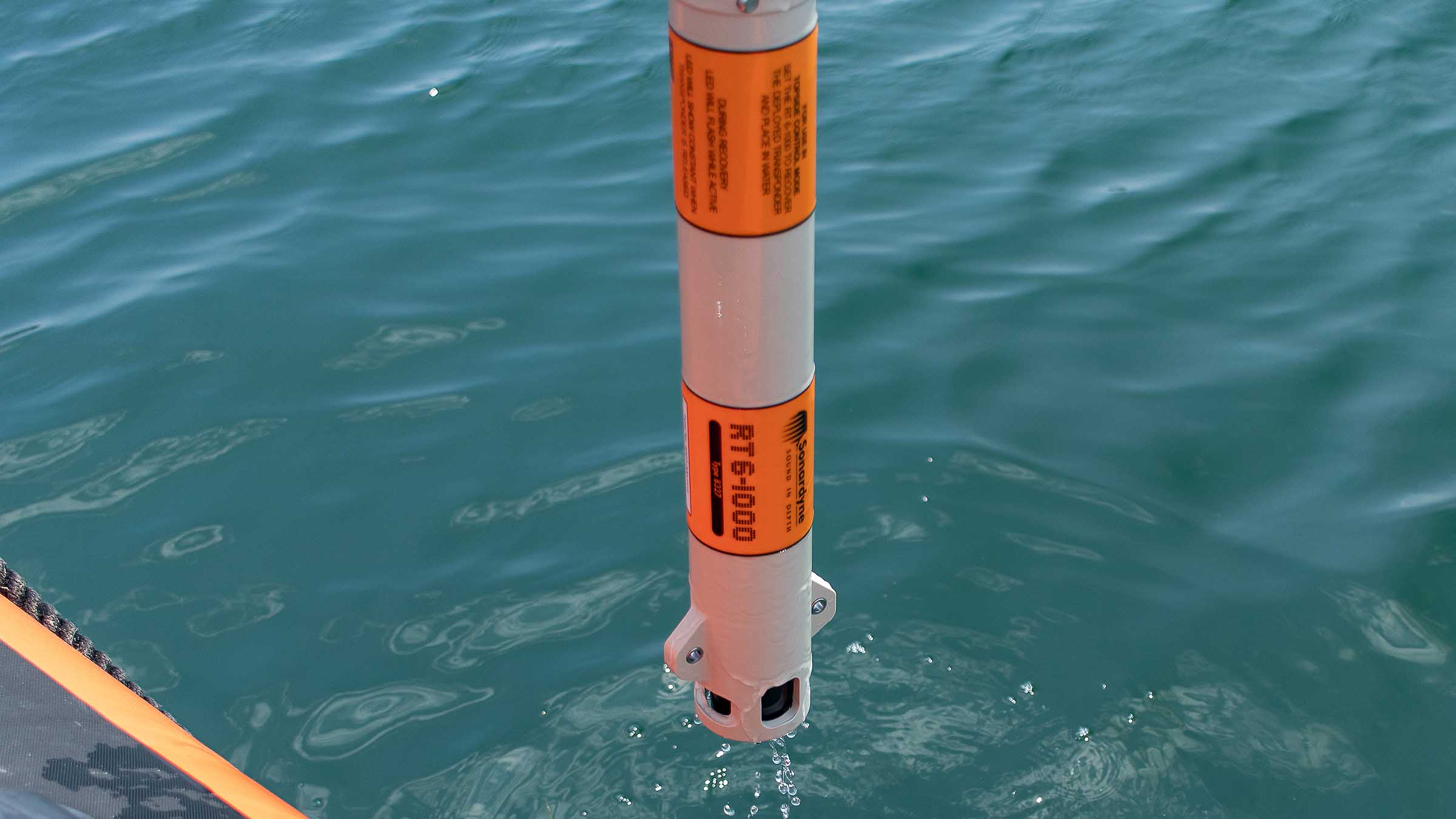
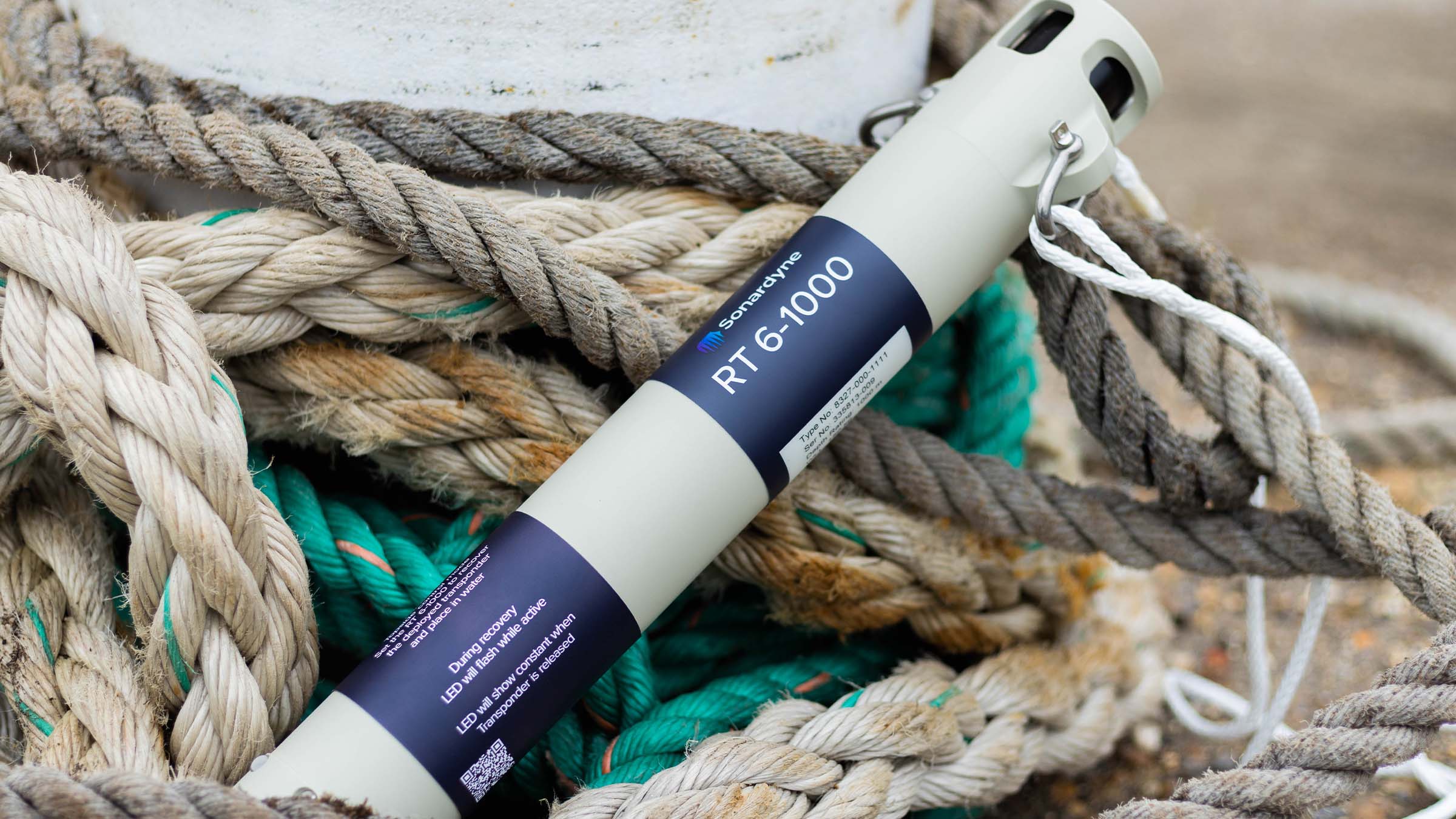
Deploy it. Track it. Locate it. Recover it. RT 6-1000 does it all. Our entry-level acoustic release transponder has features that are far from entry-level. Such as a 1,000 metre depth rating, battery life of over a year and release mechanism that won’t let you down.

Entry level – next level

What's possible

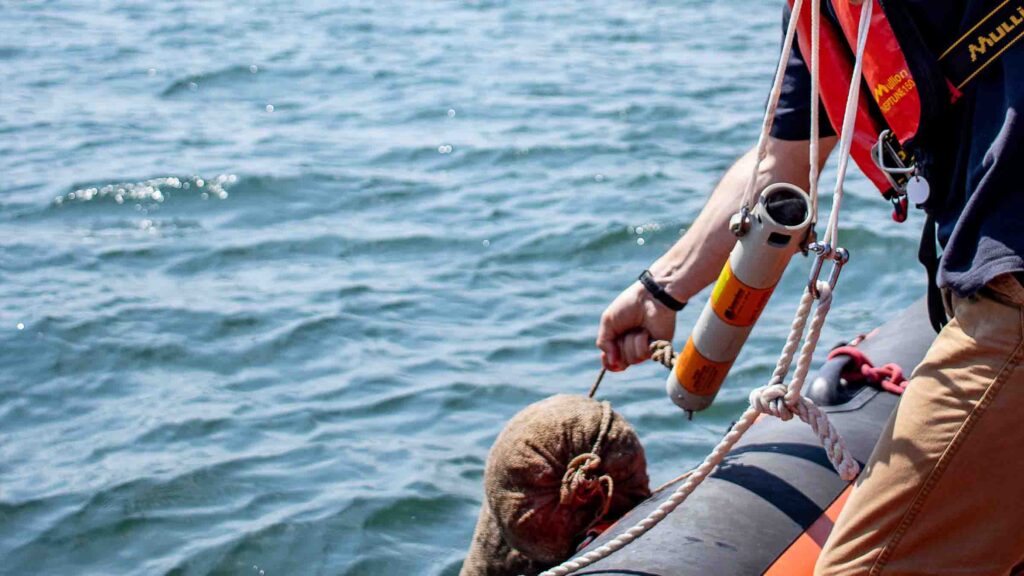
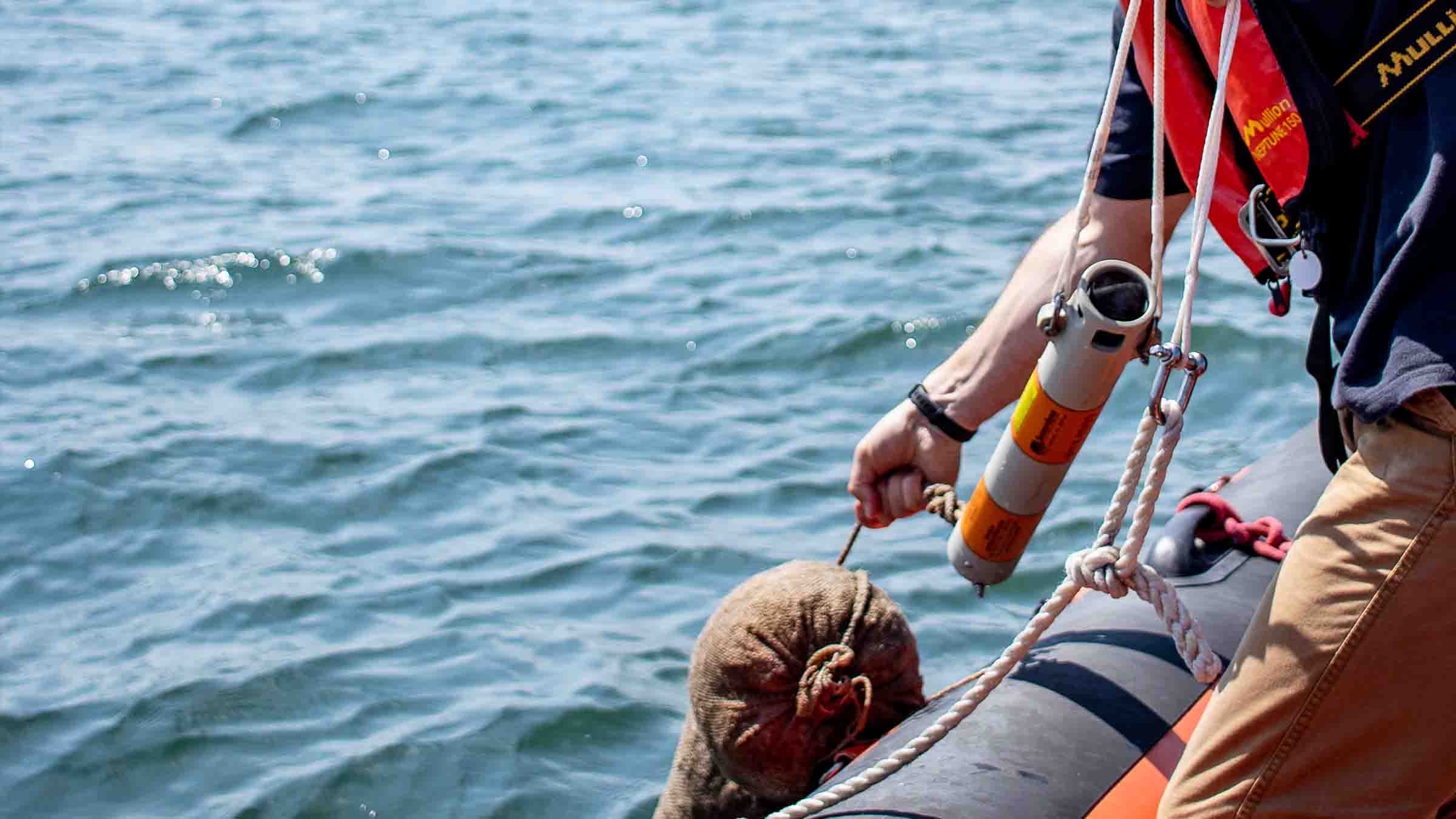
The RT 6-1000 is the versatile acoustic release transponder for your subsea operations. It can be commanded from multiple sources, including the Deck Topside, an Android app, or any Ranger 2 USBL system. This flexibility allows you to easily deploy, track, locate and retrieve your seabed equipment and ocean sensors.

One of the key advantages of the RT 6-1000 is its depth rating of 1,000 metres and weight load limit of 150 kg. This depth and payload capacity make it an ideal choice for scientists, surveyors, and military personnel who require a reliable and enduring solution for their underwater applications.

The RT 6-1000 is compatible with Sonardyne’s Ranger 2 USBL tracking systems, which are widely used on survey vessels around the world. This integration allows for seamless deployment, tracking, and retrieval of your equipment. No access to Ranger 2? No problem, the RT 6-1000’s NFC capability enables setup and control via its Android app or a dedicated Deck Topside unit.

Deploy. Track. Locate. Recover

At a glance

  • The reliable choice to deploy, leave and recover seafloor equipment and sensors
  • 1,000 metre depth rating; twice that of similar low-cost acoustic release transponders
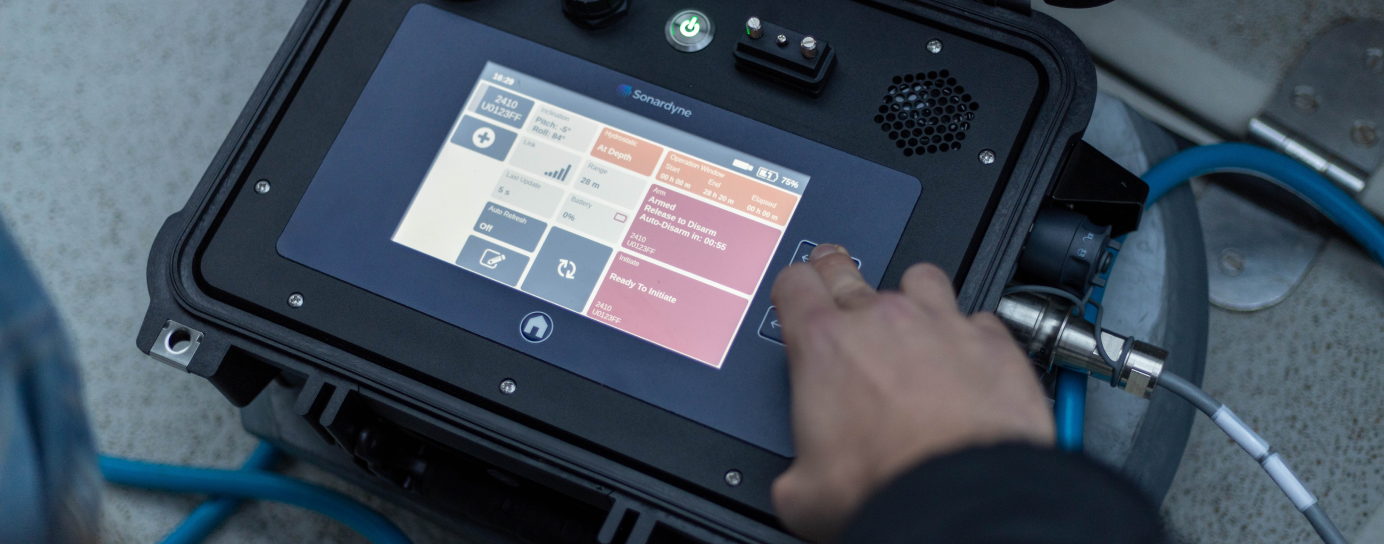
  • Tested, loaded, commanded and released using Deck Topside
  • Also works with any Ranger 2 USBL to track it and activate it
  • >13-month battery life means less time servicing it and more time using it
  • 150 kg Working Load Limit to support your sensors and instruments
  • Optional rope canister for heavy lifting


The RT 6-1000 offers impressive endurance, with a battery life of up to 13 months, making it well-suited for long-term deployments and year-long surveys. Its screw-off release mechanism ensures reliable recovery of the transponder and your equipment.

An optional rope canister attachment allows you to quickly and easily raise items left on the seabed, such as tools, cables and salvage. The canister deploys a high-strength rope as the transponder ascends, providing a convenient means of retrieval.

Acoustic

• Medium Frequency (20-34 kHz) band.
• Omni-directional transducer. Track it all the way to the surface
• Sonardyne Wideband 2 signal architecture supporting over 300 unique addresses. Perfect for very large surveys involving multiple moorings close to each other

Performance

• 1,000 m depth rated
• >13 months battery life; alkaline battery
• 150 kg Working Load Limit
• Compatible with Ranger 2 USBL systems
• Secure and robust two-way acoustic Communications. Only release what you want to release

Design

• 450 mm x 65 mm (max dia. 100 mm), 500 grams weight in water
• Field proven screw-off release mechanism
• NFC for setup using Android app
• Optional rope canister for lifting heavy items
• Plastic, super duplex stainless steel and anodised aluminium construction. ROHS compliant

Ownership

• Warranty: one year return to Sonardyne service centre
• ITAR Controlled: No
• UK Export Licence: Not required
• What’s in the box: RT 6-1000, shackles, release nuts (x10), manual on USB

Specifications table

Feature Type 8327
Depth rating 1,000 m
Operating frequency MF (20–34 kHz)
Transducer beam shape Hemispherical
Transmit source level (dB re 1 µPa @ 1 m) 187 dB
Tone Equivalent Energy (TEE) 193 dB
Receive threshold (dB re 1 µPa) <100 dB
Working load limit (4:1) 150 kg
Proof load 300 kg
Breaking load 600 kg
Maximum safe release load 150 kg
Battery life (alkaline) >13 months
Inclinometer accuracy ±5°
Mechanical construction Anodised aluminium alloy, plastic and super duplex stainless steel
Operating temperature -5 to 40ºC
Storage temperature -20 to 55ºC
Maximum dimensions (length x diameter) 450 x 65 mm
Weight in air/water 2.0/0.5 kg
Standards CE Marked to EN-60945, EN-61010
Options Part number
Shallow Water Deck Kit (Deck Topside) 602-0175
Rope Canister 70 m (250 kg WLL) 641-0673
120 m (250 kg WLL) 641-3265
160 m (150 kg WLL) 641-0080
Release Nut 830-0073
(note: 10 nuts supplied with each new RT 6-1000)
Shackle (bridle) 231-0140
Deployment rope (bridle) 231-0351

Did you know?

RT 6-1000 can be used with our Ranger 2 USBL family or Deck Topside

Jump to

Overview

Unlocking your deep-sea understanding

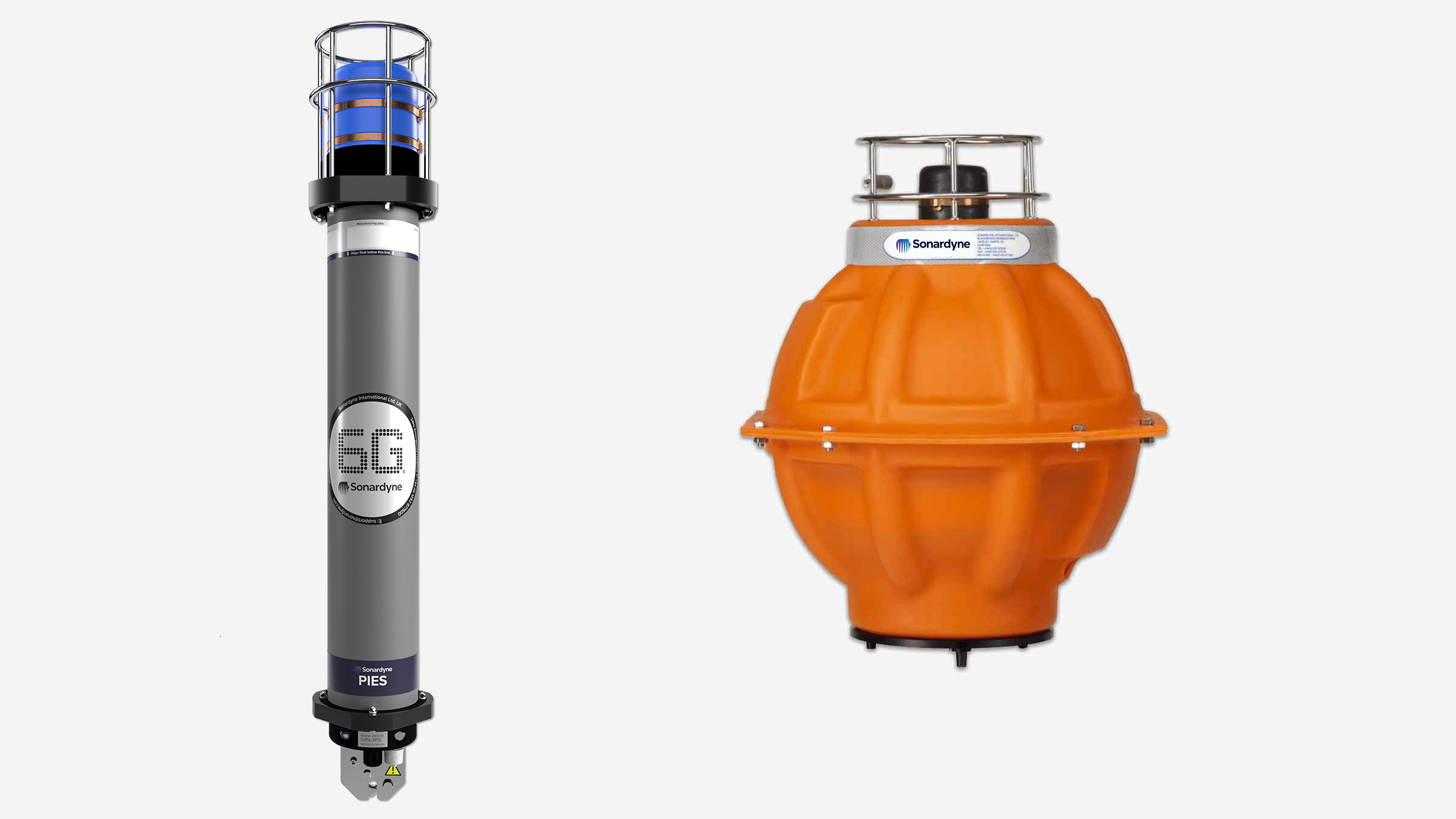
Do you, or your clients, need reliable, long-term ocean data for your operations? If so, PIES is your solution. Our Pressure Inverted Echo Sounders (PIES) deliver precise, long-lasting measurements of sound velocity through the water column from the seabed to the surface.
Unlocking subsea secrets with PIES

Imagine the possibilities

Boost your operations: Make informed decisions with a deeper understanding of ocean currents and seismic activity.

Save time and money: Deploy PIES for up to five years, reduce personnel costs and environmental impact through unmanned data retrieval.

Uncover hidden insights: Combine PIES data with other geophysical measurements for a comprehensive view of the ocean floor.

How PIES works for you

PIES is designed to seamlessly integrate into your system:


  • Easy to use: Simple setup and configuration, with flexible ping rates to match your needs.
  • Reliable data: Consistent, accurate measurements for months or even years.
  • Versatile retrieval: Access data when you want it, remotely, mid-operation, via unmanned vehicles or by traditional end of mission retrieval methods.
  • Comprehensive insights: Developed for marine seismic and ocean science applications.

Why invest in PIES

  • Suitable for environmental surveys / ocean currents monitoring / site survey and characterisation
  • Harvest data using ROV, AUV, USV or surface vessel
  • Integrated acoustic release for easy recovery
  • Depth ratings to 3,000 m
  • Choice of form factor to suit your operations

Performance

• 3,000 m depth rated
• Up to five-year deployment life
• Monitor for months or years – PIES is engineered for sustained observation campaigns
• PIES helps oceanographers and geophysicists to better understand the physical processes that occur deep in the ocean

Design

• Anti-trawl frame option available
• Customisable sensor payload options
• Glass sphere or hard anodised aluminium housing options
• Easy to set up with configuration and sampling period programmable via modem

Acoustic

• 190–202 dB transmit source level
• LMF (14–19 kHz) operating frequency
• Integrated modem with data rates ranging from 100 to 9000 bps

Ownership

• Warranty: 1 year return to Sonardyne service centre
• ITAR Controlled: No
• UK Export License: not required

Specifications

Feature Type 8302-3116
Depth rating 3,000 m
Operating frequency LMF (14–19 kHz)
Transmit source level (dB re 1 µPa @ 1 m) 190–202 dB
Battery life Typically 3+ years, dependent on sensors and sampling interval
Internal battery Lithium primary or alkaline
Mechanical construction Hard anodised aluminium housing, duplex stainless steel guards
Weight in air/water* 30.6/16.1 kg
Sensors and options
Temperature (±0.1°C) Standard
Tilt switch (±30–45°) Standard
Paroscientific DigiQuartz pressure sensor (±0.01%)
4130 fitted as standard (other options available)
Standard
Release mechanism (screw-off) Standard
High accuracy inclinometer
Range: ±90°
Accuracy: ±0.05° over 0–±15°; ±0.2° over 0–±45°
Optional
Sound velocity sensor
±0.02 m/s accuracy under calibration conditions
Optional
Connector type Subconn MCIL8M
* Estimated weights
Note: See Compatt 6 and AMT datasheets for more information

Manuals and quick start guides

Software and firmware

Navigating new waters: How real-time current monitoring can transform port operations

Port of Aberdeen, Scotland's largest berthage port – previously known as Aberdeen Harbour, was established in 1136 by King David I of Scotland. It is the oldest existing business in Britain, with a history spanning almost 900 years.

Construction of the port’s South Harbour started in 2017 after years of planning. Completed in August 2023, the £420 million expanded port was the largest marine infrastructure project in Trust Port history. It offers 2,800 metres of deep-water berths to a maximum depth of 14.8 metres (MWHS).

The harbour extension is aimed at attracting vessels and project activity – such as cruise ships and offshore renewable energy (ORE) operations – which would have previously gone to European ports capable of handling their requirements. This increased activity will support local jobs, attract local supply chain spend and investment.

A key feature of South Harbour is its ability to berth large ships. To ensure safe passage for these vessels, it’s important to have accurate and detailed data within the harbour. With its long history, Port of Aberdeen has this information for the North Harbour and is continuing to build a comprehensive understanding of the water movements within South Harbour. This data can then be used to enhance navigational safety and operability within the port.

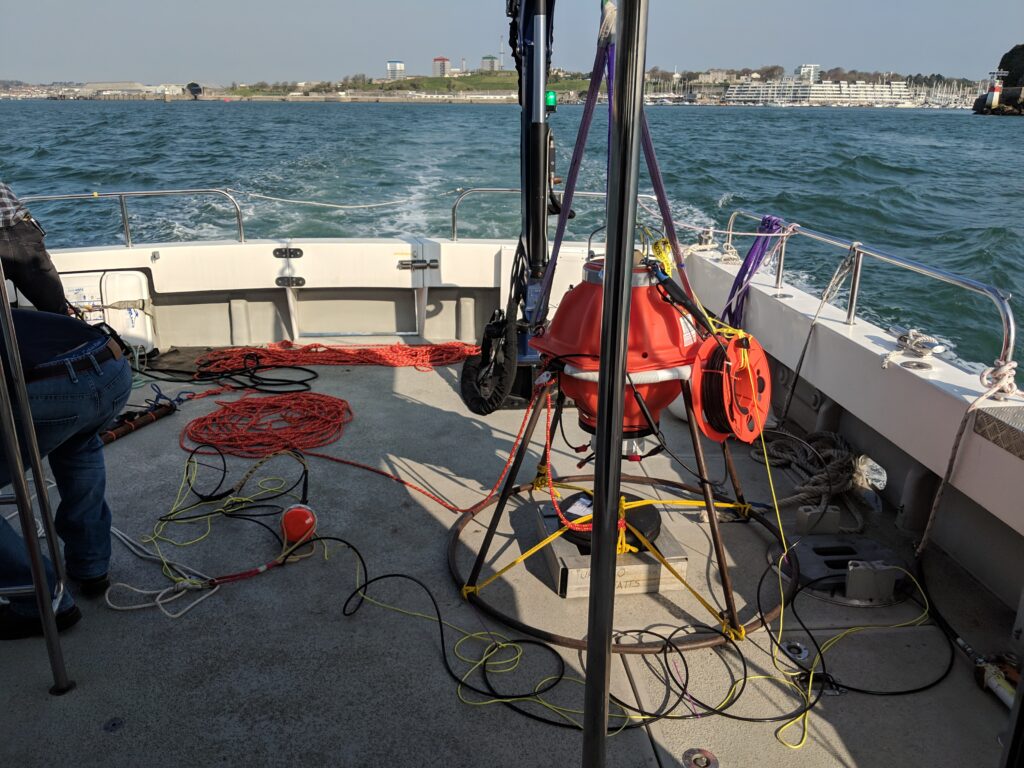
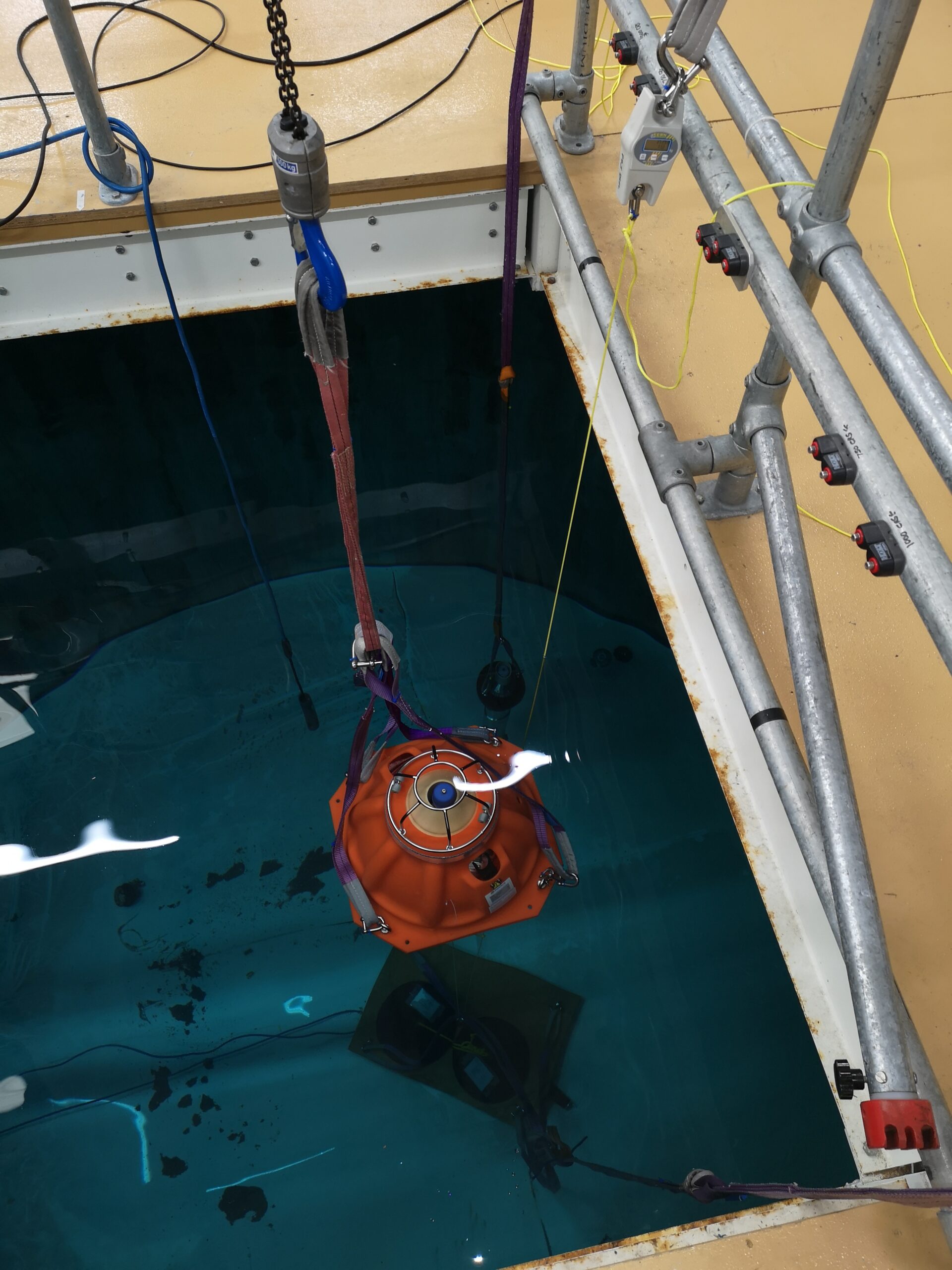
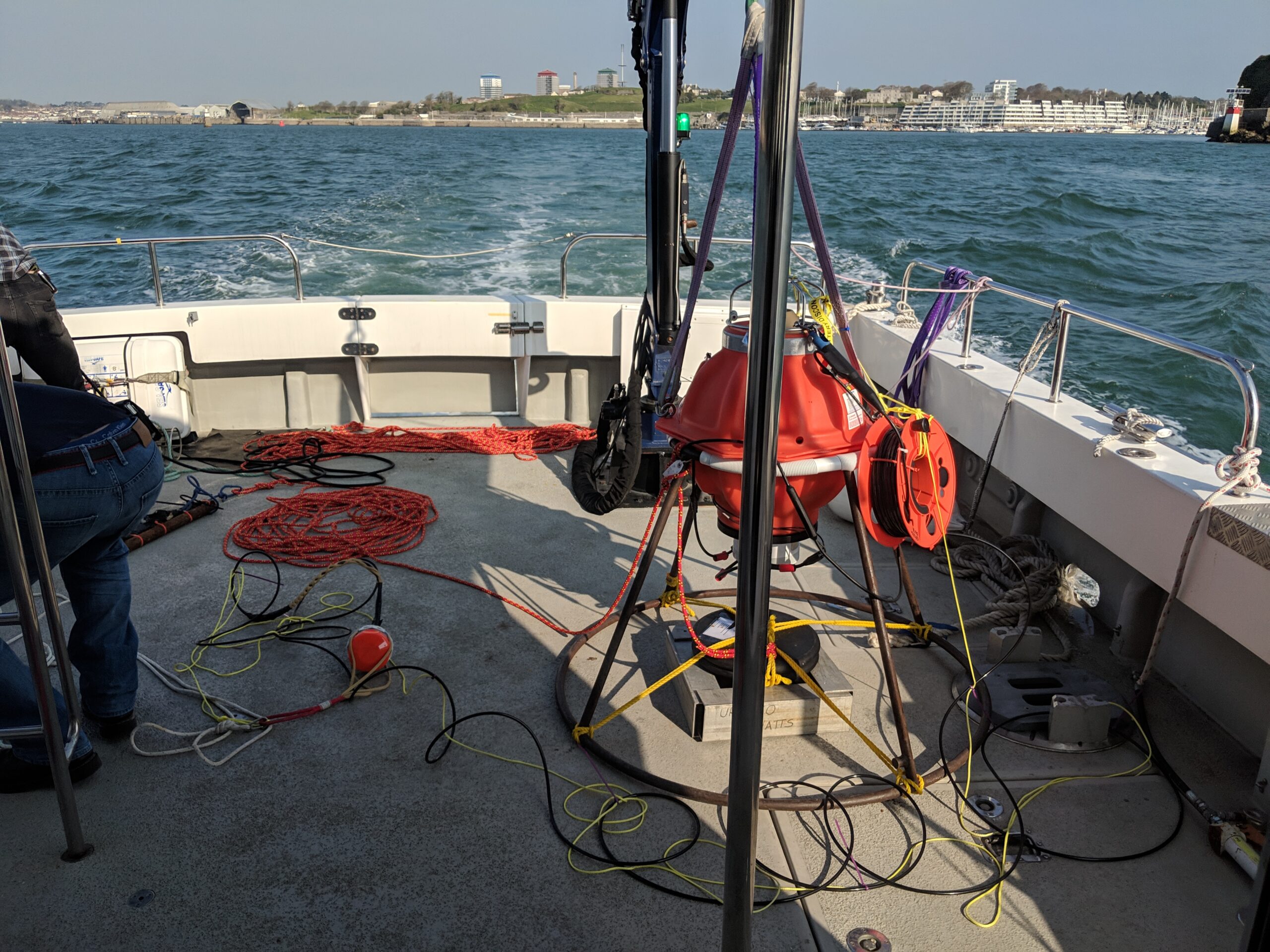
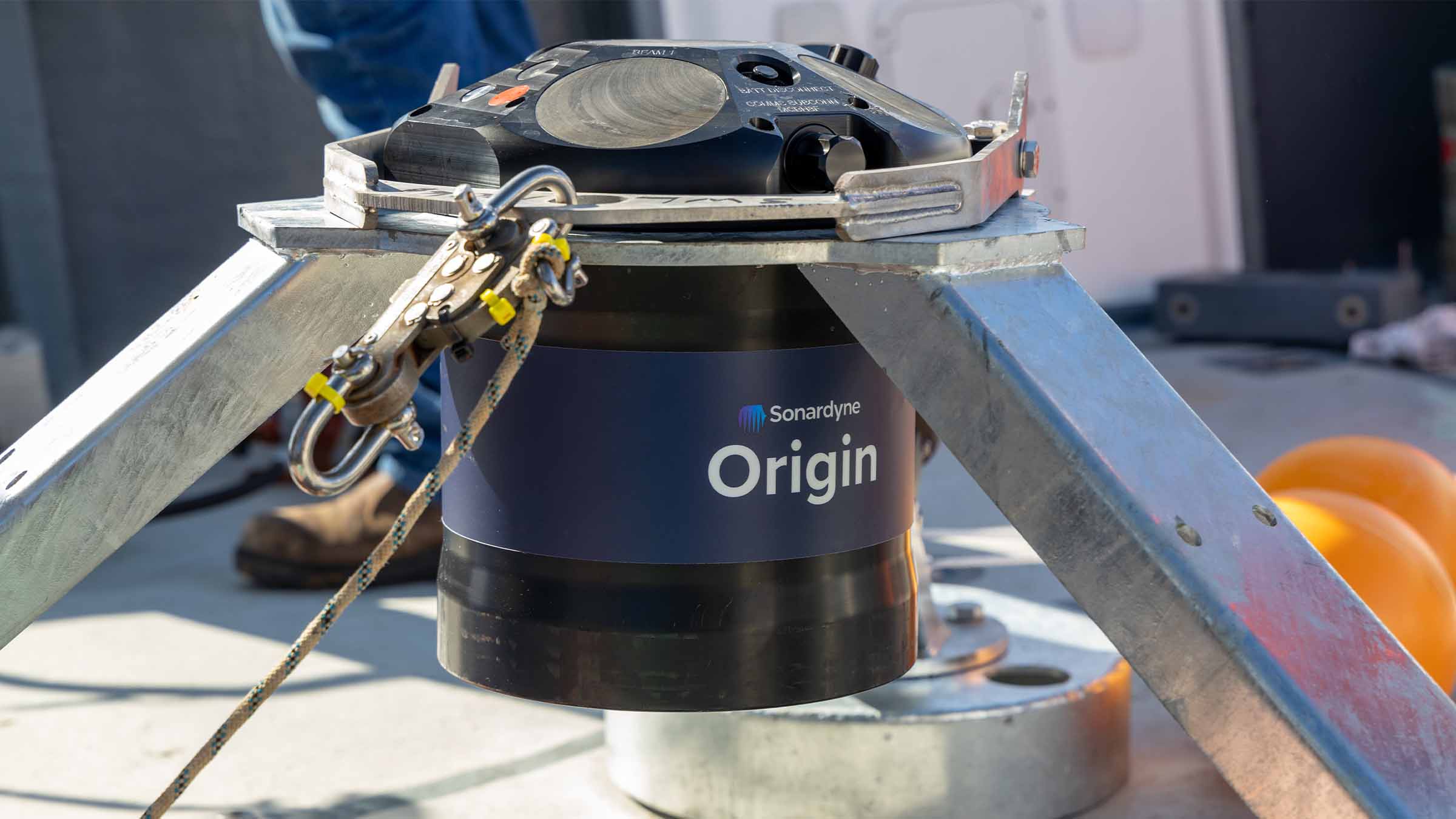
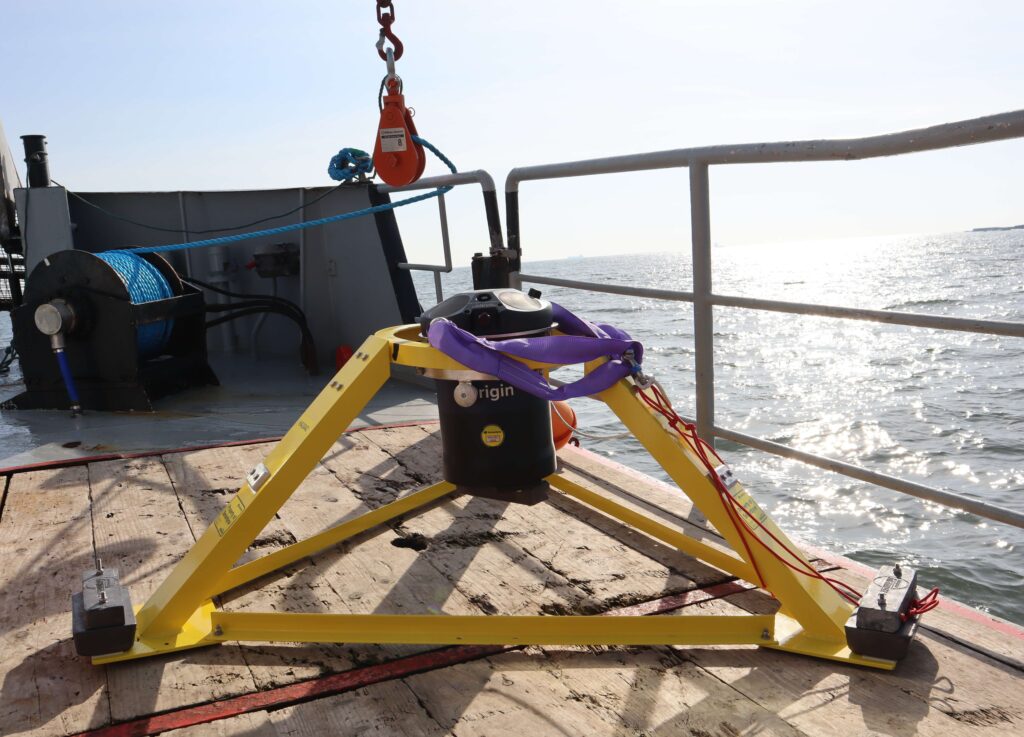
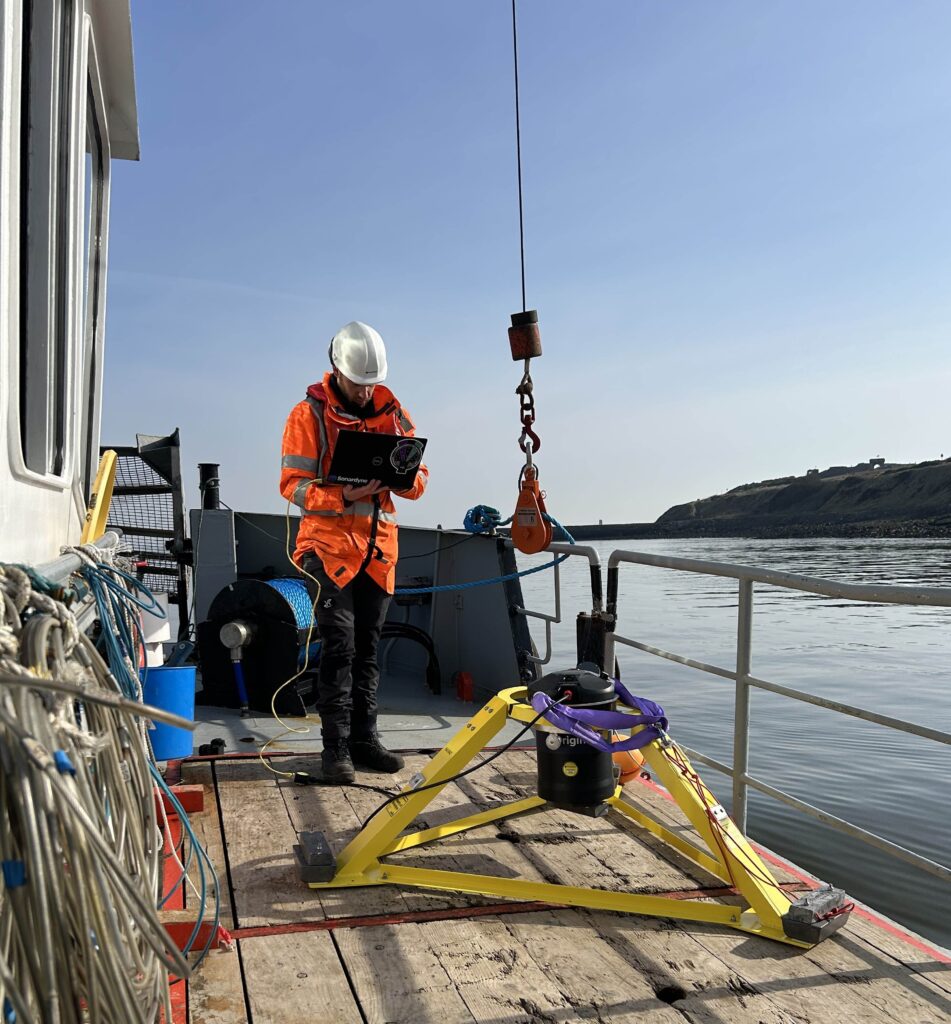
An Origin 600 ready for deployment

Sonardyne’s Origin® 600 Acoustic Doppler Current Profiler (ADCP) enables users to monitor waves, currents and turbulence. Its built-in acoustic modem enables remote access while it’s deployed. This allows battery and storage checks, the opportunity to inspect and upload data, reconfigure schedules and run quality control, all whilst the ADCP is on the seabed. Enabling users to make time-critical decisions with near real-time data delivery.

Realising the potential for gathering valuable, high quality data to support their operations, Port of Aberdeen approached Sonardyne’s Aberdeen office to hire an Origin 600 for an initial six month period.


“We’re delighted that Port of Aberdeen chose to hire an Origin 600 to monitor the water movement within South Harbour. The knowledge they will gain from the data is vital to help them provide the best possible service for their customers and operators within the port. We look forward to working with them on this project and beyond.” Thomas Blair, Operations Manager, Sonardyne, Aberdeen.

Origin 600 can be programmed prior to deployment or in-situ via its acoustic modem.

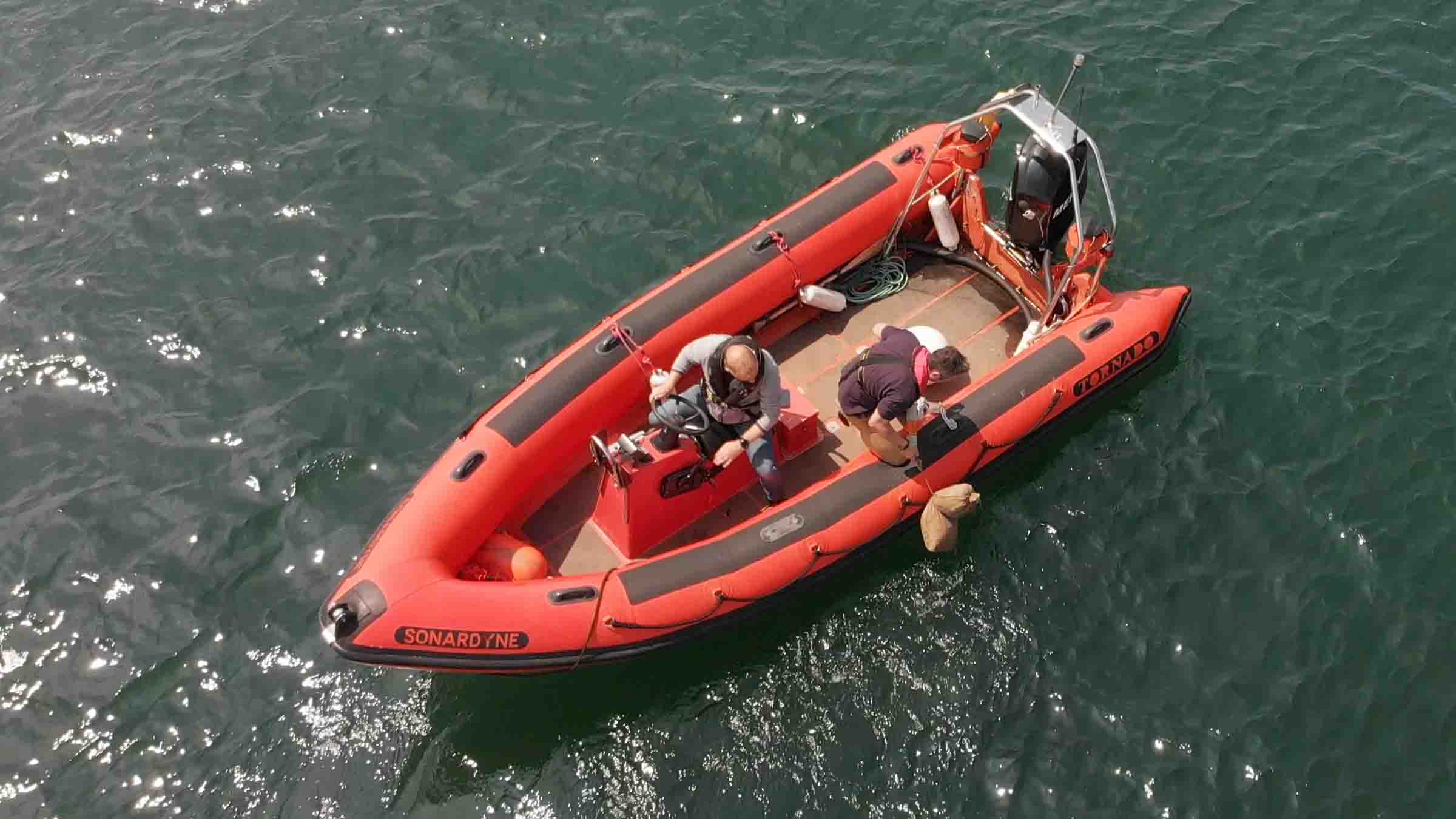
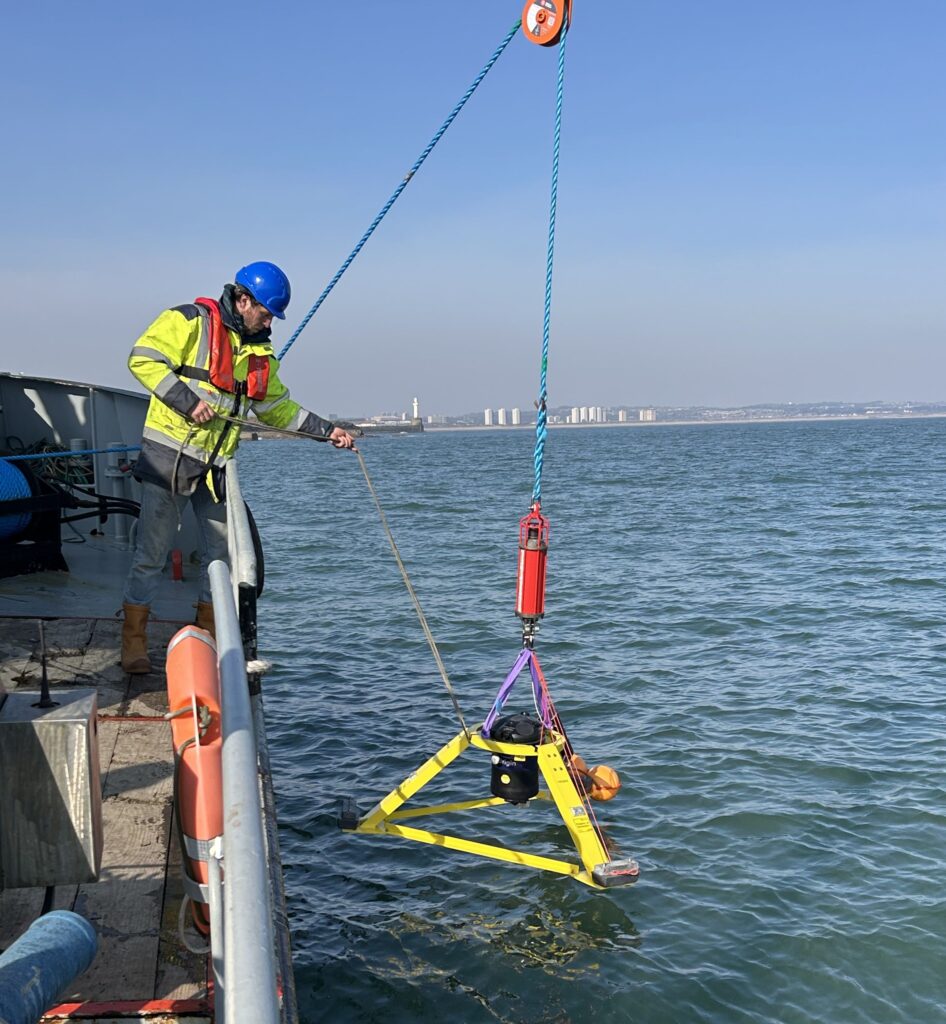
The Origin 600 was deployed, using Sonardyne RT 6 1000 and 3000 release transponders, in the port district on 20th March 2025. Its onboard data processing via implementation of Edge ‘apps’ enable it to deliver information on the wave environment, together with the speed and direction of water column currents, and the timing of tides – fundamentally slack tides. All the data is processed and stored on the unit until Port of Aberdeen are ready to harvest it. This can be done without retrieving the ADCP via its onboard acoustic modem.

In June 2025 the unit was temporarily retrieved to recharge the battery and will be redeployed for a further three months in an alternative, suitable location.


“Origin 600’s ability to monitor and report on the behaviour of currents throughout the water column whilst remaining on the seabed makes it an ideal choice for projects where actionable information is critical for operational safety, just as we have seen with Port of Aberdeen’s South Harbour. What’s more, Origin 600’s real-time reporting capability can be used to support and inform dredging activities, opening up a further avenue where this instrument can help Port of Aberdeen. I’m truly excited to see the full extent of the outputs from this project and how the Origin ADCP data will be applied moving forward.” Michelle Barnett, Business Development Manager – Ocean Science, Sonardyne.


As more current and tidal data is gathered, Port of Aberdeen will be able to use it to enhance operability within the port.


“Port of Aberdeen relies on accurate, reliable data to drive informed decision-making. Having a company with this technology right on our doorstep is a significant advantage – not only in helping us achieve our own objectives, but also in supporting our customers, stakeholders, and port users in delivering their work scopes and projects efficiently and effectively.” Benji Morrison, Harbour Master, Port of Aberdeen

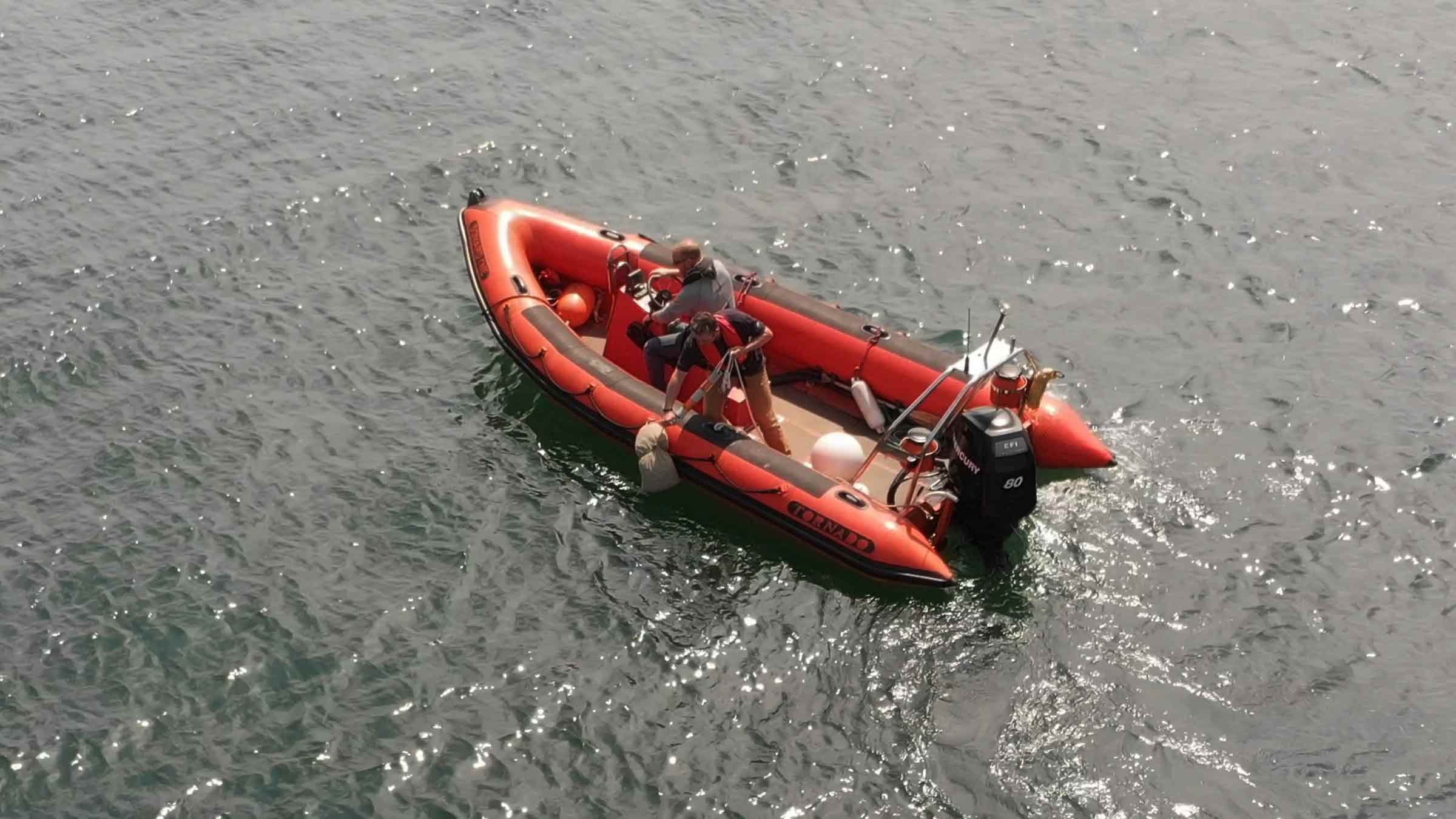
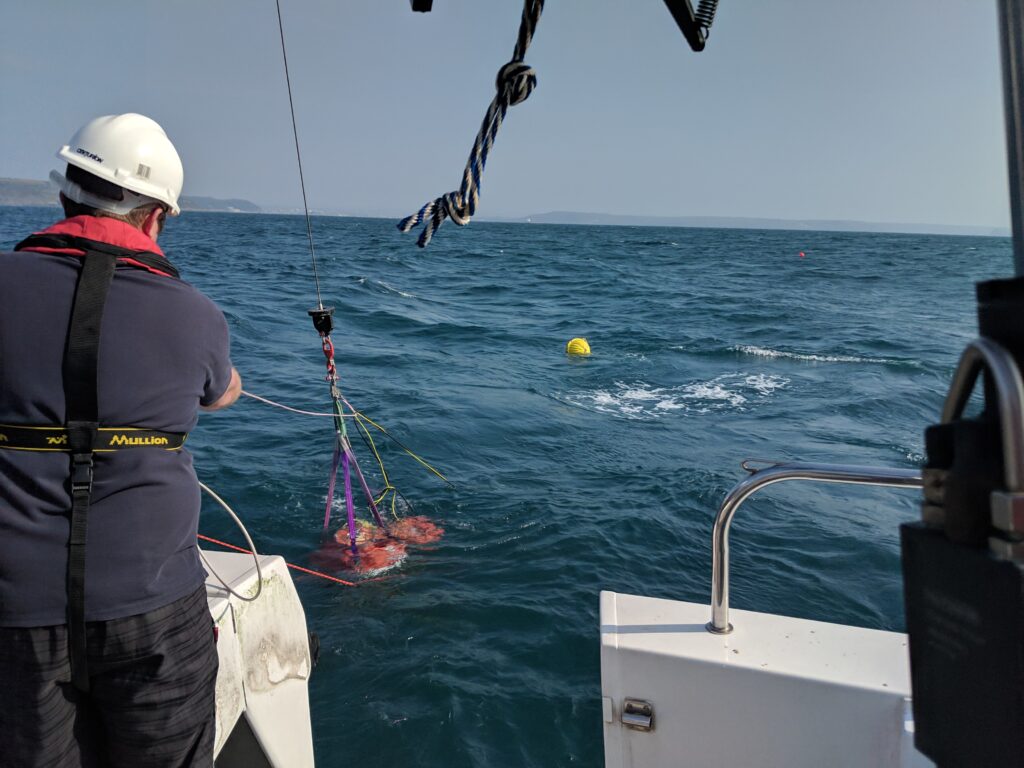
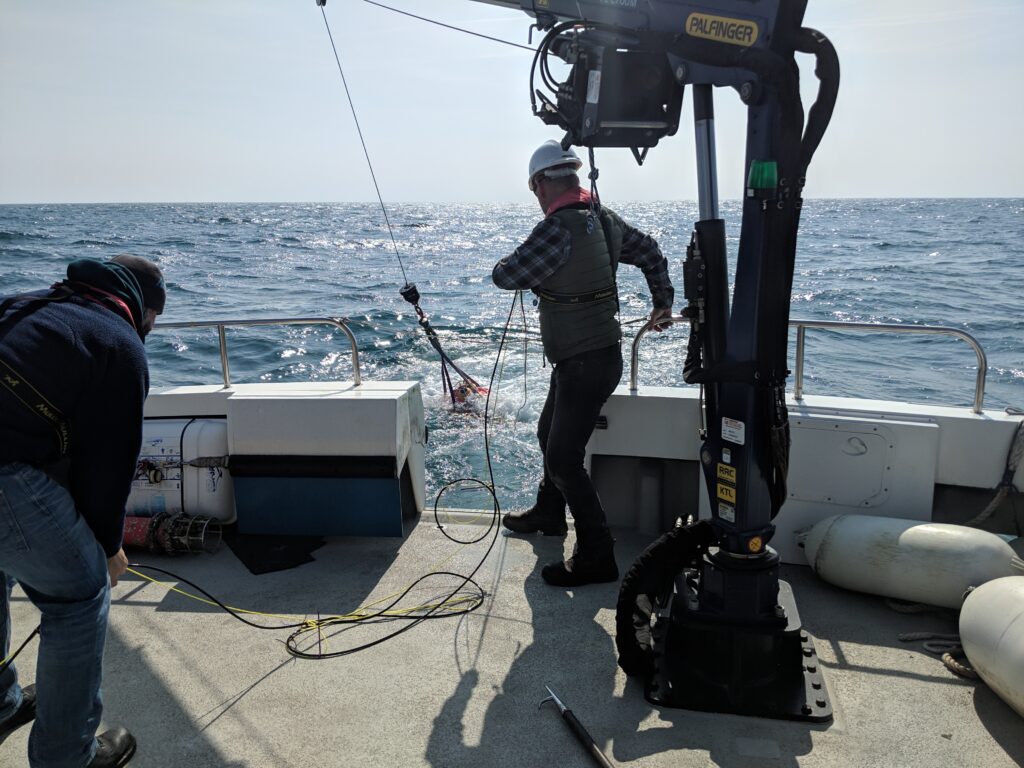
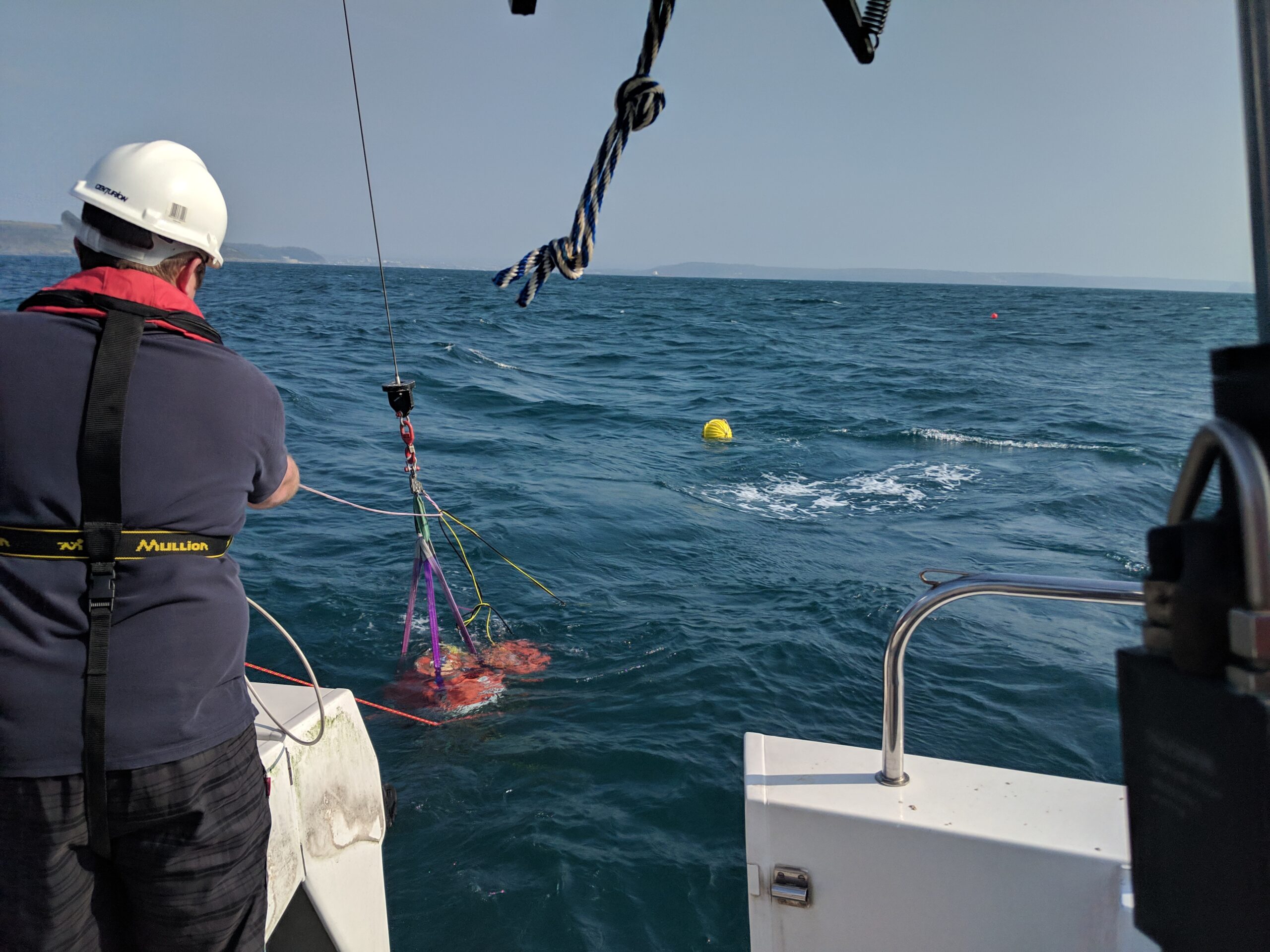
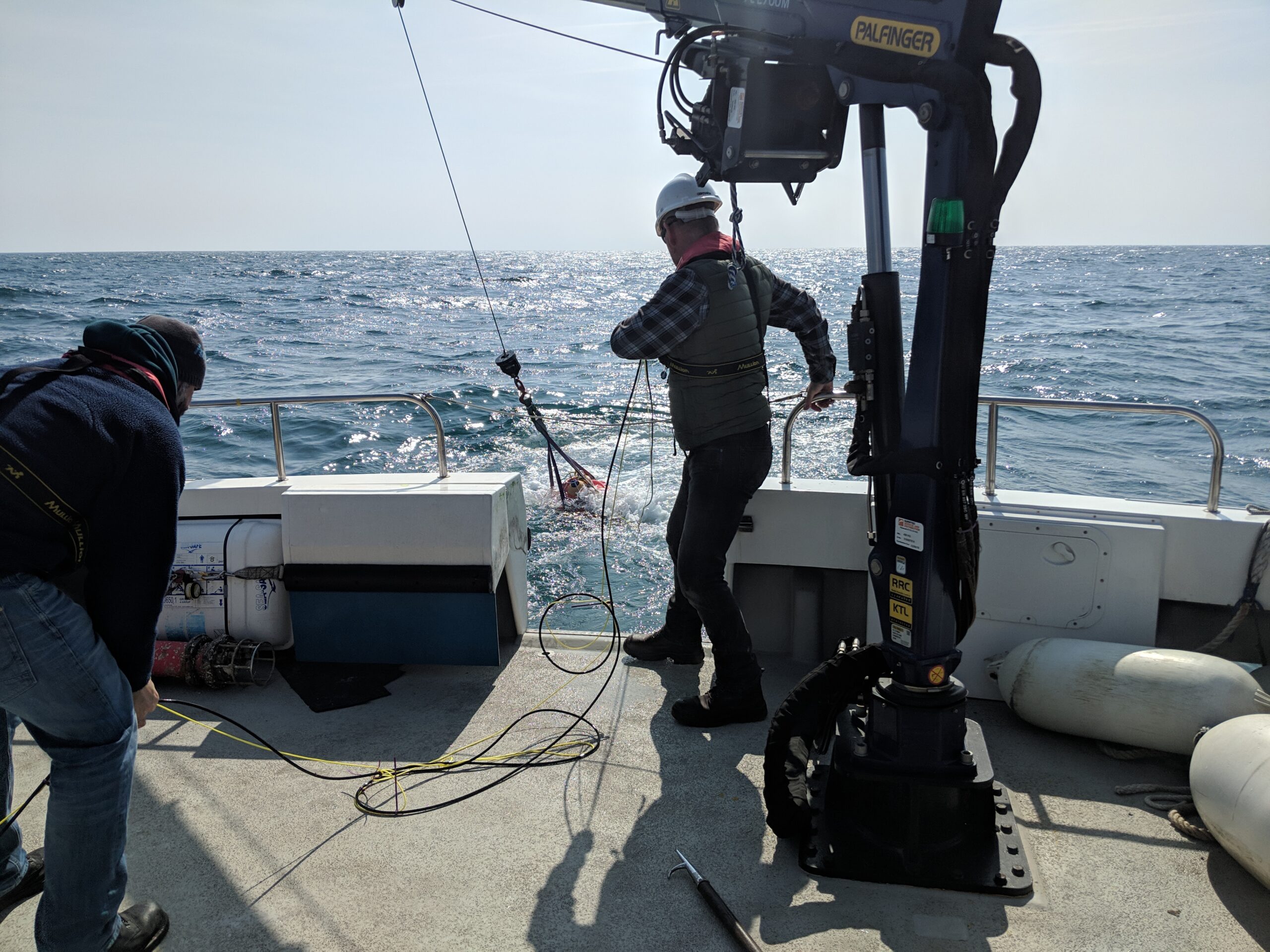
Origin 600 being deployed in Port of Aberdeen South Harbour

If you have a similar project or challenge, talk to us about how Origin ADCPs or other Sonardyne technology can help.

Origin 65 holds the key to help unlock Gulf of Mexico loop current eddy mysteries

The Gulf of Mexico is home to the highly energetic ocean circulation feature known as the Gulf Loop Current System (LCS). This current system influences all ocean processes in the gulf, characterised by highly disruptive Loop Current Eddy (LCE) events. LCEs are rings of warm water which rotate at speeds of up to four knots in a clockwise direction, measuring approximately 100-200 km in diameter, reaching down to depths of 500–1,000 m, and breaking away from the extended Loop Current around every 8-9 months. Loop Current Eddy events have serious implications for a great range of natural and human activities, from ecosystem dynamics and hurricane intensification to fishing operations and oil and gas exploration.

The challenge

The behaviour of the LCS remains difficult to forecast with sufficient accuracy to guide operations beyond a few days, yet its significance for processes and operations in the Gulf of Mexico drives a need to improve and extend forecasts of the LCS and LCEs. The difficulty has arisen partly because interactions of the upper currents with deep eddies have not been detectable in real time to guide numerical models.


Unlocking the Gulf current – a continuance

Sonardyne were introduced to this challenge back in 2018 when the University of Rhode Island launched a multi-year scientific study that included deployment of five Sonardyne Current Pressure Inverted Echo Sounders (CPIES) at depths down to 3,500 m in the area of the extended LCS.


The Sonardyne solution

Sonardyne’s modem-enabled CPIES were a key element in the initial two-year project. These instruments were part of a mass deployment to measure two-way travel time (or tau) over an extended area in order to map the local horizontal velocity and density fields in the extended LCS, as can be read at https://www.sonardyne.com/case-study/unlocking-the-gulf-loop-current/.

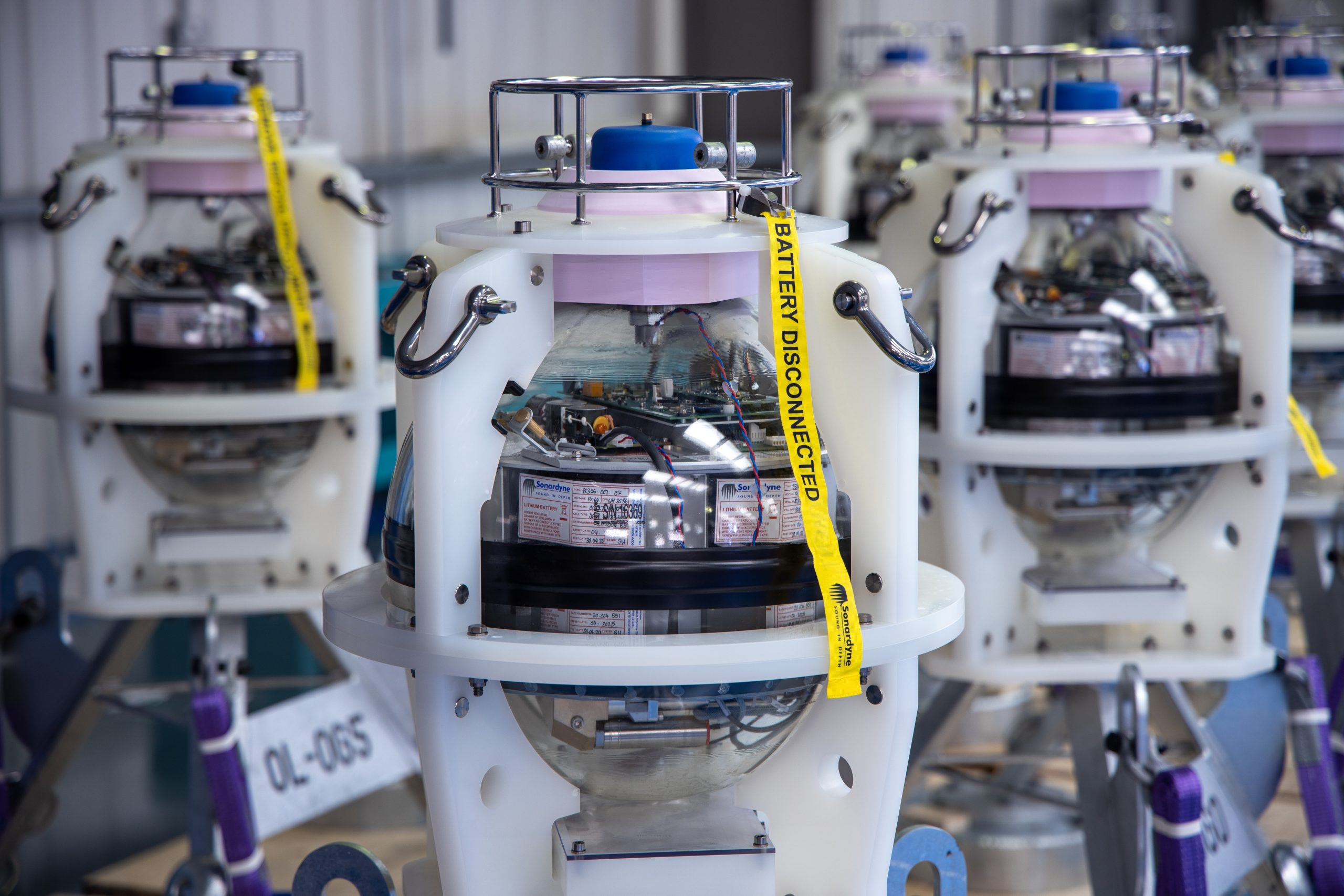
Soon after the 2018 deployment, Sonardyne began the development of Origin 65, a combined PIES and ADCP with acoustic modem to enable adaptive data harvesting. The benefit of Origin 65 over CPIES is that it not only supports but augments density/current mapping projects.

Where CPIES use a separate single point current meter to provide a deep reference velocity for calculated geostrophic currents, Origin 65 measures a whole profile of currents over a greater range. Being an all-in-one instrument, Origin 65 also removes the risk and expense of combining separate devices for a single application.

What’s more, by utilising Origin 65’s onboard Edge data processing capability, PIES data is time-synchronised and fused with the ADCP measurements for simpler analysis. After extensive trials, Origin 65 was launched in 2023.


“Pulses of strong currents pose a hazard to industry along steep escarpments in the deep Gulf. Moreover, their unexpected arrival compounds the hazard: satellite and near-surface observations and numerical models do not predict them reliably. We needed a forecast tool grounded in observations with adaptive reporting capability. We had a tall order for the observations: We needed to profile currents from the bottom through hundreds of meters above the bottom and we required fast acoustic telemetry capability. Sonardyne committed the engineering capability to develop a combined PIES and upward-looking low frequency ADCP with a vertical range of 800 m. It was an outstanding match to our needs, and Sonardyne’s fast acoustic telemetry capability was key to being able to harvest the data and report it ashore in near-real time.”

Professor D. Randolph (Randy) Watts, Professor of Oceanography, University of Rhode Island

The 2024 deployment

In 2024, funded by the US National Academies of Science, Engineering, and Medicine Gulf Research Programme and led by a team of scientists from the University of Rhode Island, five Sonardyne Origin 65 units were deployed alongside the original Sonardyne CPIES in the Gulf of Mexico (depth range of 1,800 – 3,200 m) for an initial 18-month measurement campaign.

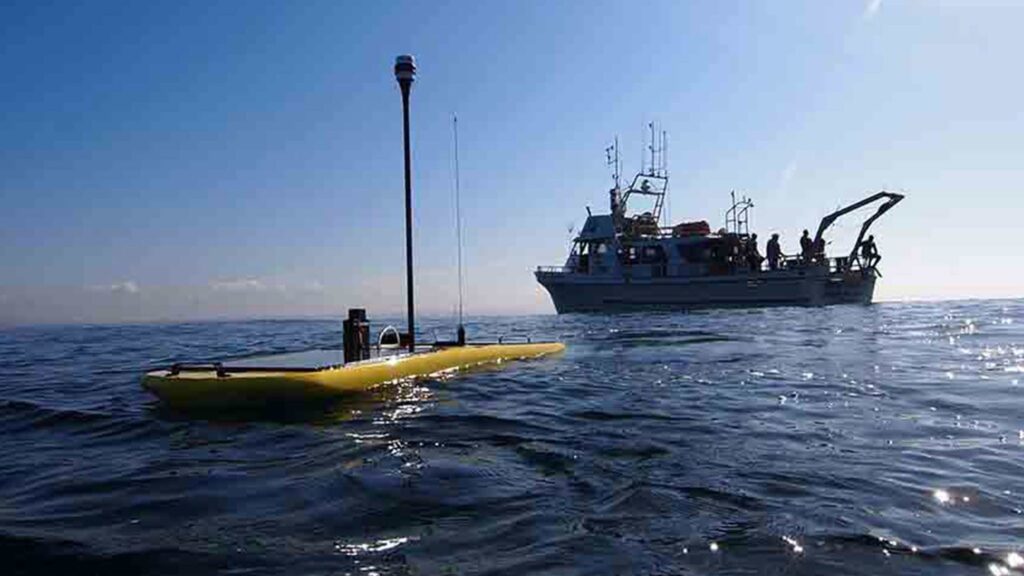
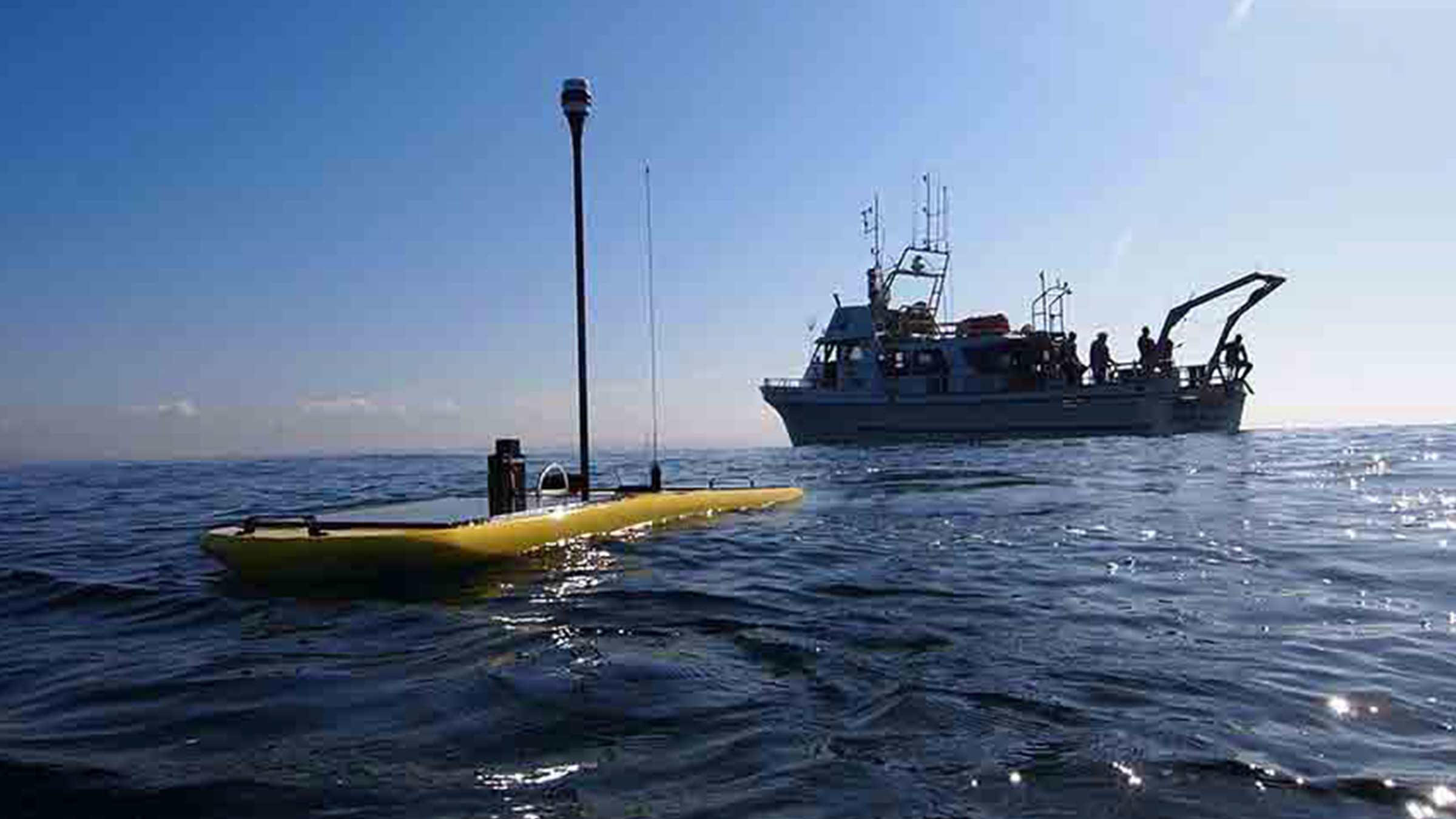
Both the Origin 65s and CPIES have integrated acoustic modems enabling high-speed (up to 9,000 bps) acoustic telemetry to support wireless retrieval of data by an uncrewed surface vessel (USV) in addition to remote control of the instruments.

Despite similar telemetry capability, the volume of data generated by Origin 65 compared to CPIES is much greater, and therefore limited acoustic bandwidth presents a challenge when looking to transfer this substantial data via acoustic telemetry.

This is where Origin 65’s Edge onboard data processing capability comes into play to condense the bulky raw data into small packets of actionable information, easily exportable via the acoustic modem.

The five Origin 65 units were deployed with an Edge application (app) installed to perform combined onboard processing of the ADCP and PIES data. More specifically, the Edge app implemented a custom algorithm that produced an hourly compact (24 bytes) binary output containing a timestamp, the mean current speed and bearing in six depth-bins above the bottom, plus the mean of the PIES results.

The beauty of the onboard data processing was apparent during planned USV visits, where it took less than 20 minutes to acoustically harvest more than two months’ worth of data

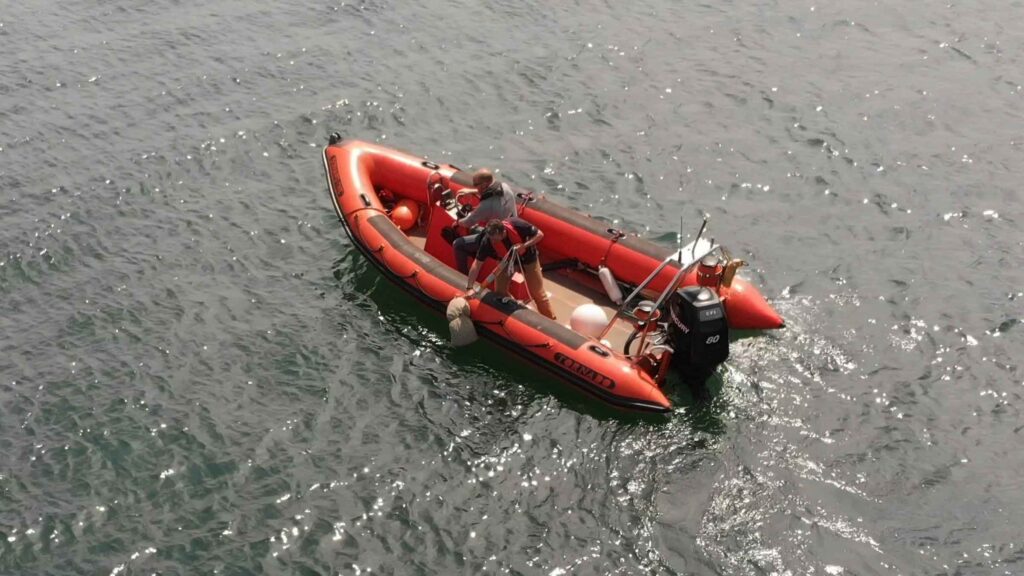
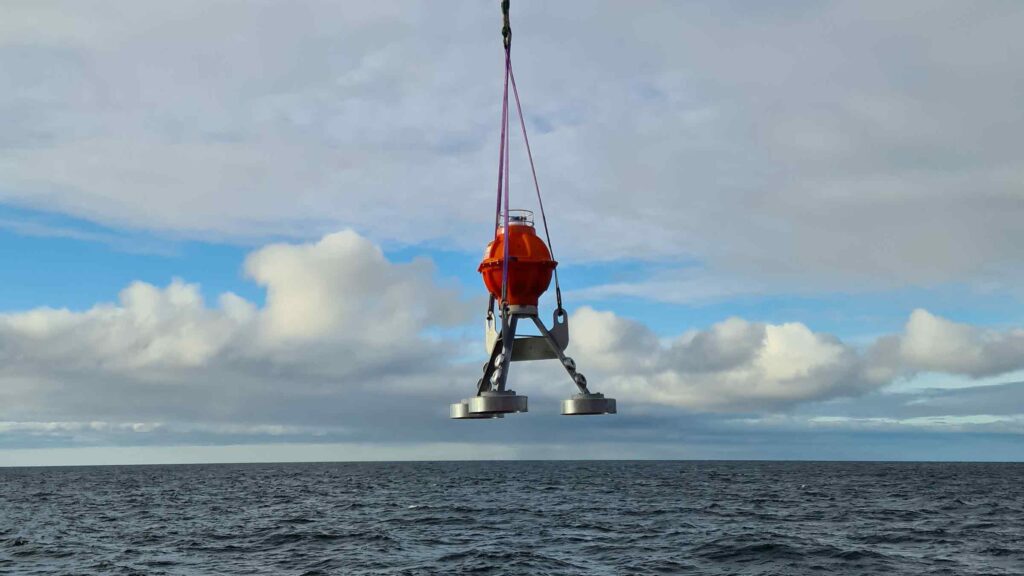
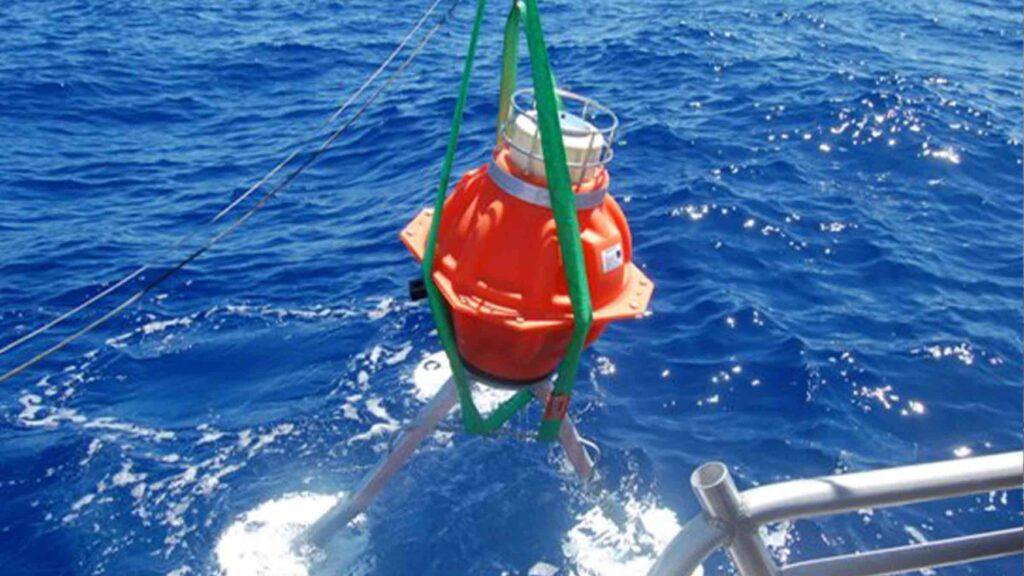
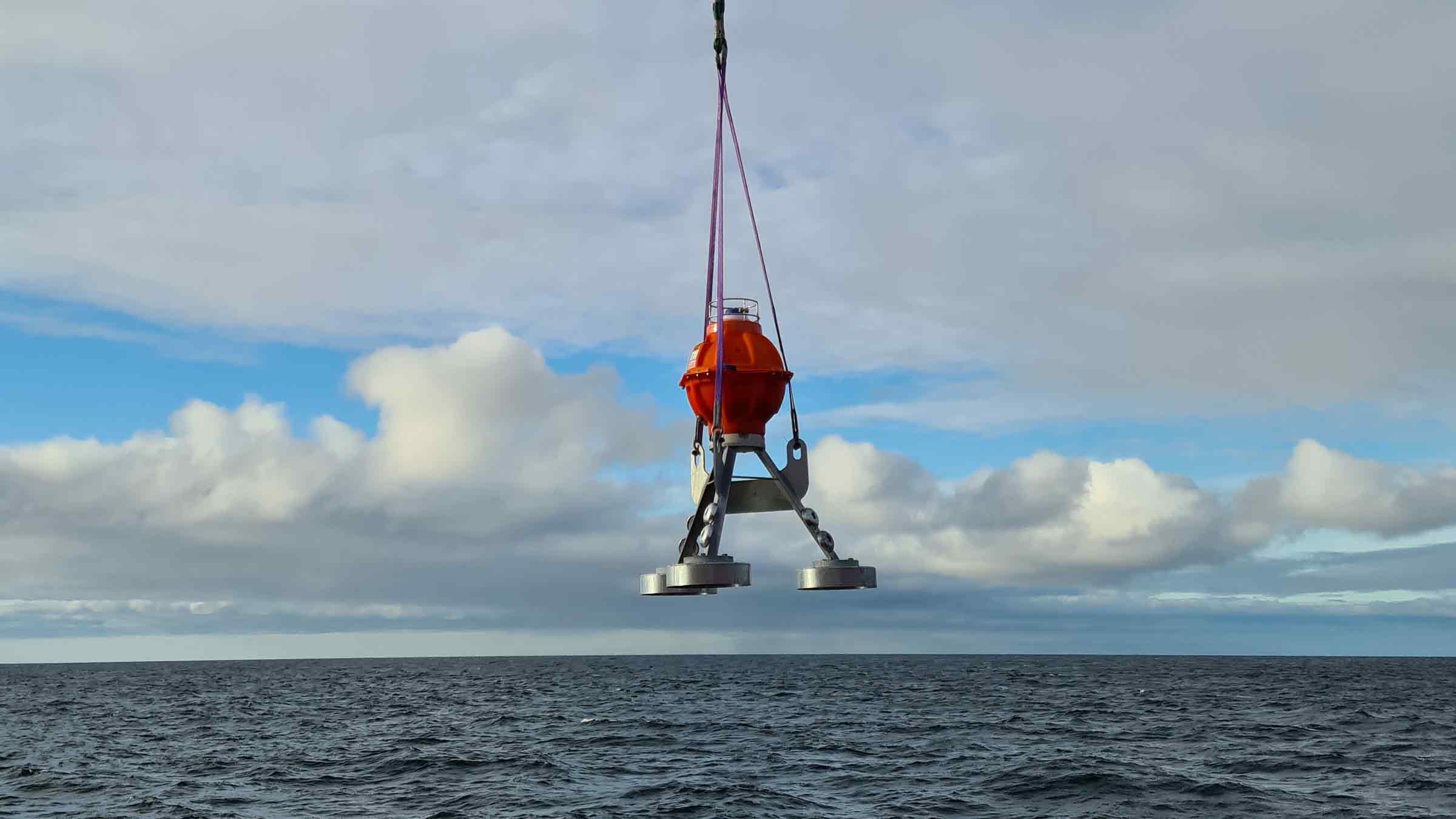
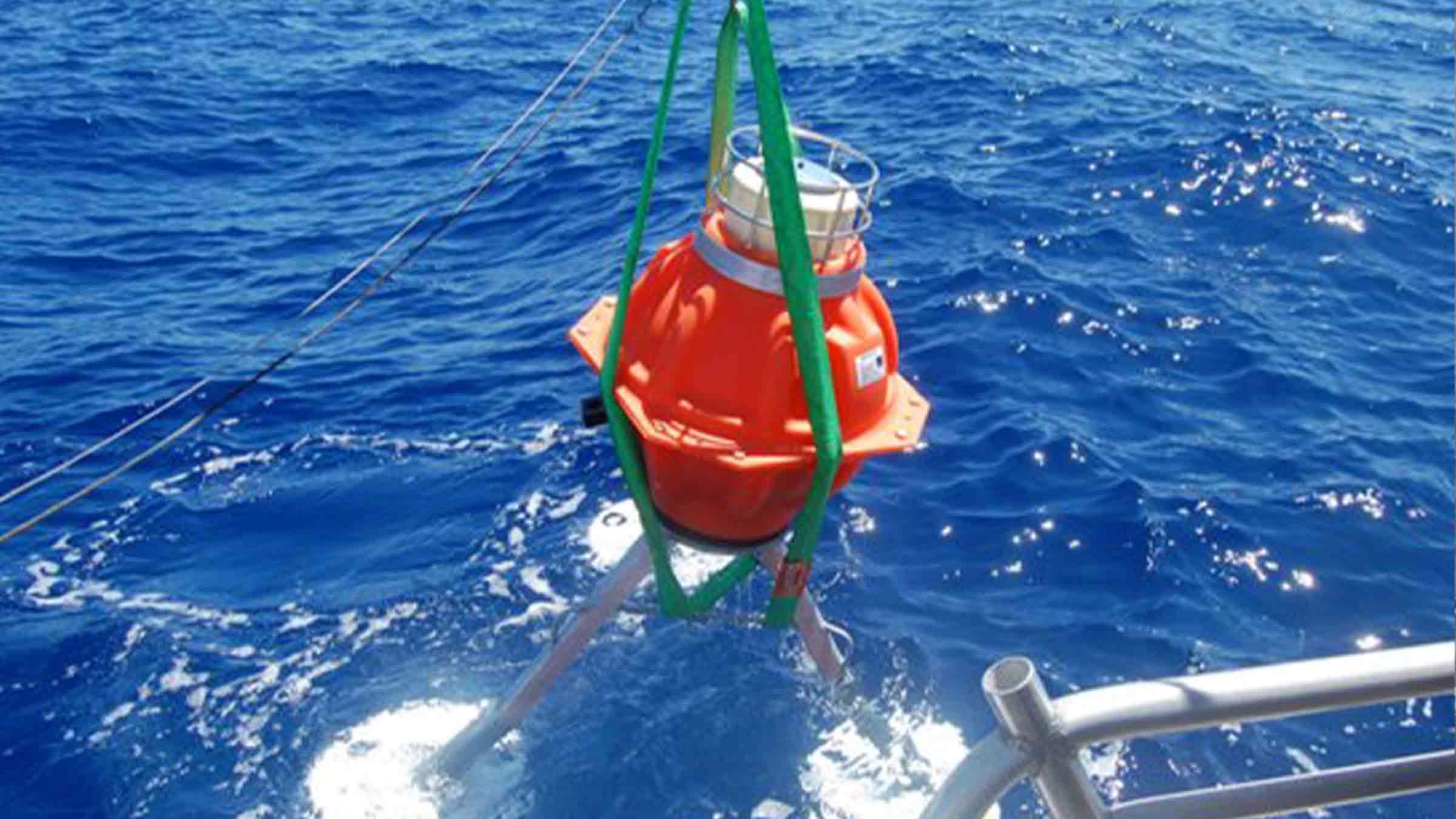
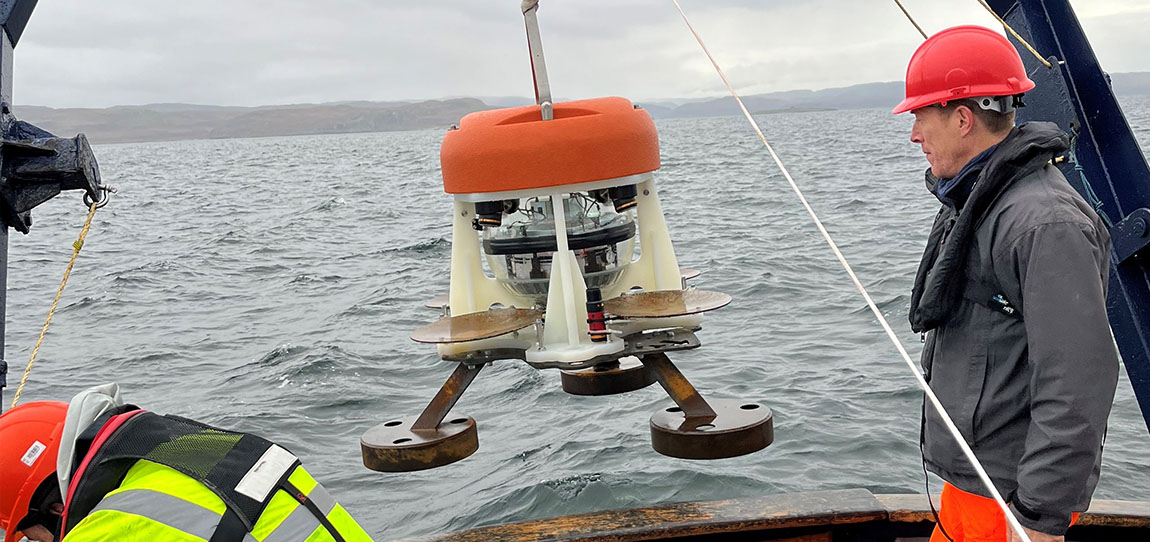
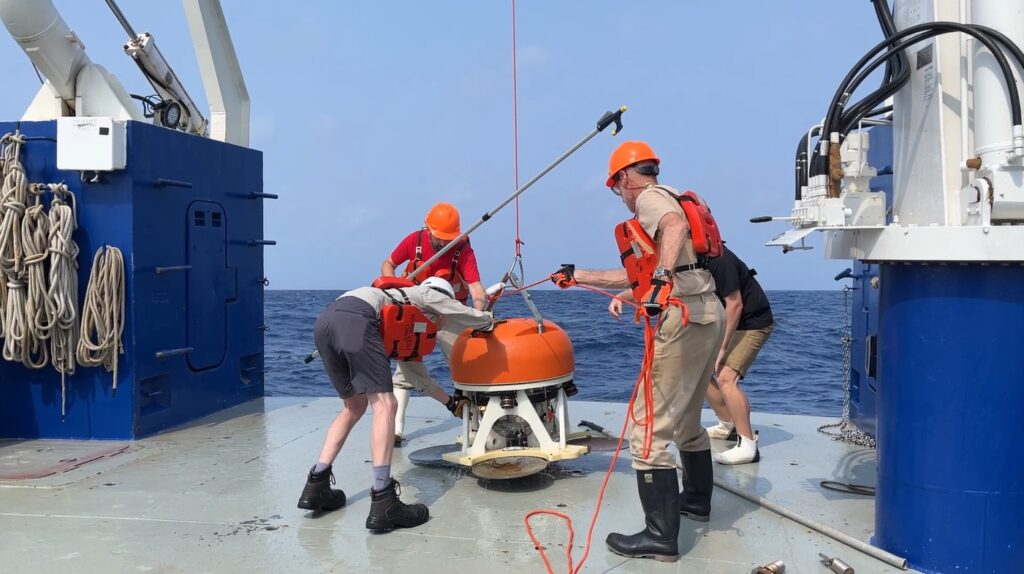
An assessment was conducted whereby the integrated acoustic release on one of the Origin 65 instruments was triggered after 66 days of deployment to allow recovery (Figure 1) of the device and complete data download for a thorough evaluation. This instrument was located in a water depth of 2,142 m.

Figure 1: Retrieval of the Origin 65 aboard the R/V Pelican.

Pies

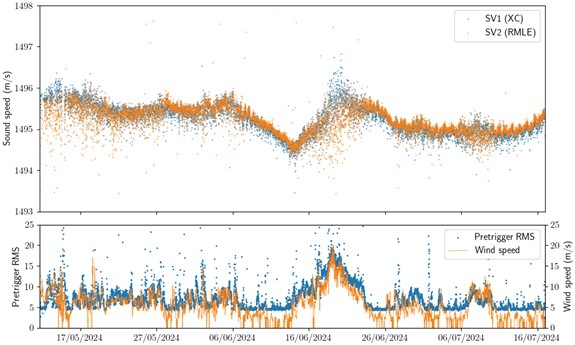
The PIES portion of the Origin 65 performed consistently (Figure 2). Periods of increased scatter in the sound speed measurements are observable, but these are a result of higher ambient noise levels (pretrigger RMS), which correspond to higher sea states (local wave activity is a dominant source of acoustic noise given that in higher sea states the surface return from the PIES chirp is more spread out).

Figure 2: PIES sound speed and ambient noise (pretrigger RMS) measurements for the  deployment. The bottom plot compares ambient noise (pretrigger RMS) to the level of local wave activity using wind speed (as recorded by station Green Canyon 338, 124 km to the WNW of the deployment site) as a proxy for sea state.

ADCP

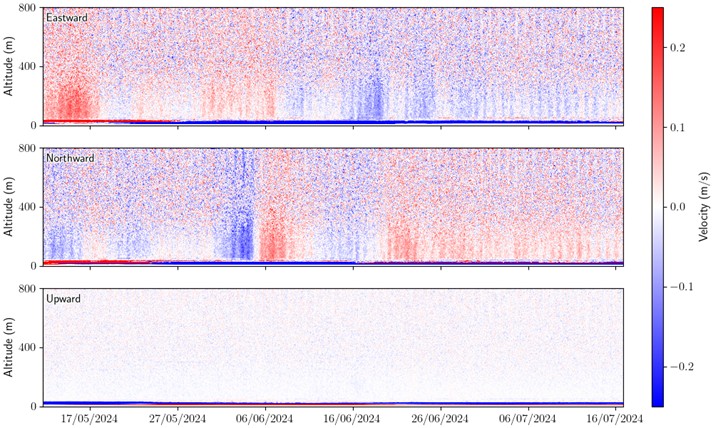
Velocity data demonstrates expected current behaviour (Figure 3), with velocities much larger in the Eastward and Northward directions than in the upward direction. The lack of significant apparent velocity in the vertical direction indicates that there is no systematic bias in the beam-frame Doppler velocities.

In addition, the observed velocity signals (large blue and red patches) vary on timescales between days and weeks, which is expected.

Of particular interest, it can be seen around 6th June, the prevailing current changed from South-Easterly to North-Westerly over the course of around two days.

This corresponded with a sudden increase in scatter density, thought to be an indication that the seabed was disturbed by the changing current.

Figure 3: Components of the Earth-frame velocities for the 66-day deployment (60-ping ensembles).

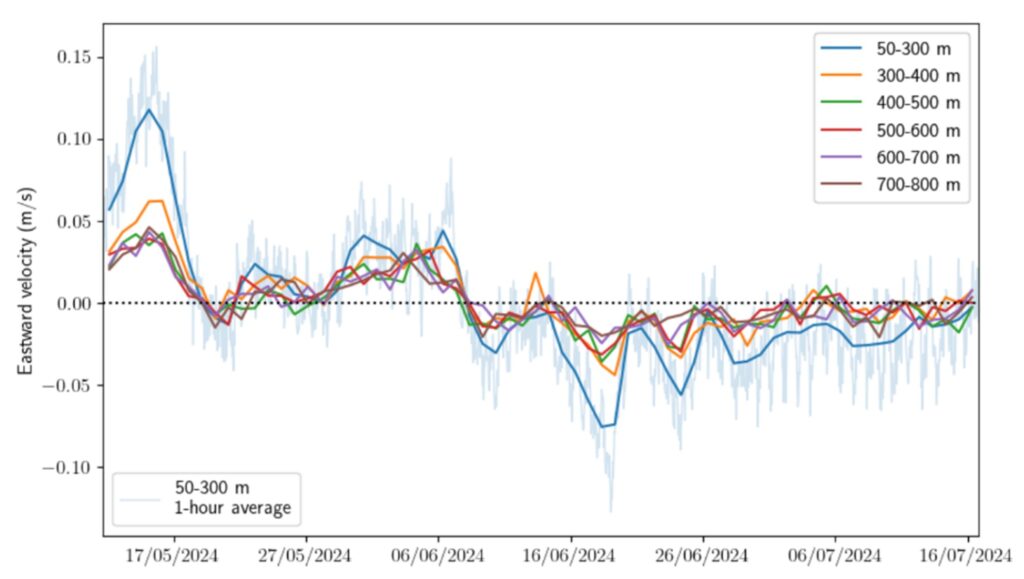
Low scatterer concentration in the deep waters (>2000 m) of the Gulf of Mexico reduced the effective profiling range of the Origin 65 from its achieved maximum range of > 800 m. However, with a sufficiently long averaging period it can been seen that the current velocity signal is present for the entire 800 m range of the Origin 65 (Figure 4).

Figure 4: Comparison of 24-hour averages of Eastward current velocity for different altitude bins. Performing increased averaging shows that a consistent current velocity signal is exhibited across the 800 m range of Origin 65.

“Our collaboration with the University of Rhode Island has been instrumental in augmenting our PIES technology in the form of Origin 65, a combined ADCP and PIES, for oceanographic study of geostrophic currents fields like that found in the Gulf of Mexico. We’re delighted to see Origin 65 being applied in this vital study, and by extension, to be able to support research efforts to improve and extend forecasting of the LCS and LCE behaviour with the accuracy desired. We look forward to continuing our relationship with the University of Rhode Island, and to seeing further successful USV data harvests from the Origin 65 units over their deployment period in the Gulf of Mexico.”

Michelle Barnett, Business Development Manager – Ocean Science, Sonardyne


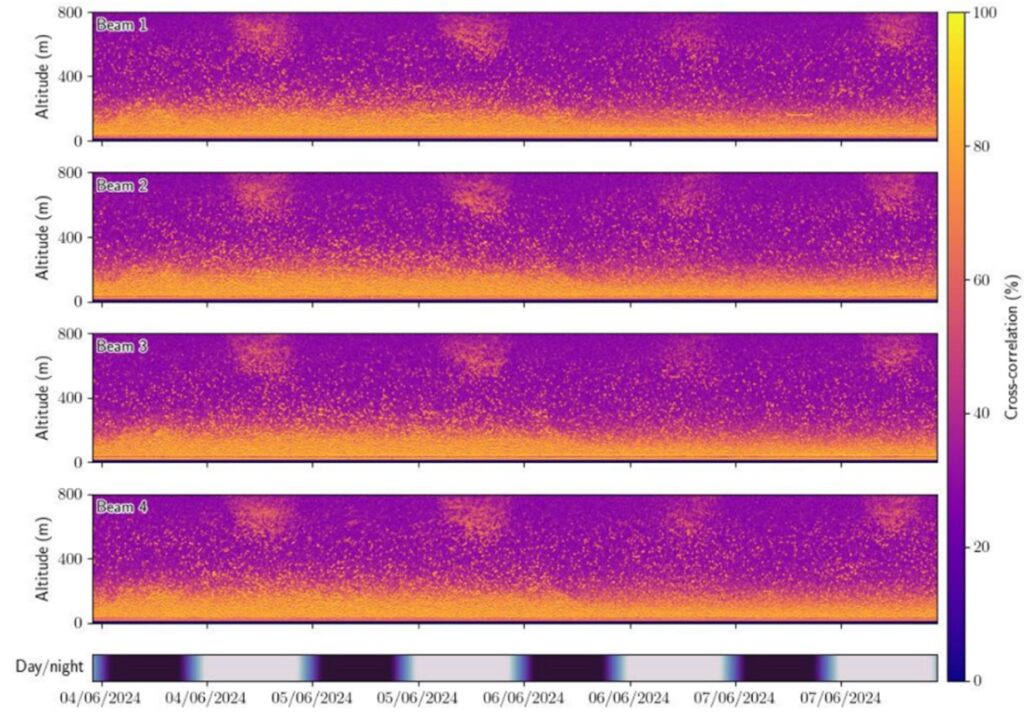
What’s more, evidence of diel plankton migration is apparent with the repeated appearance and disappearance of a scattering layer between 500 m and 800 m height above the bottom. This pattern has a period of roughly 24 hours with the scattering layer clearly visible in daylight hours, as is consistent with the cycle of diel vertical migration observed ubiquitously in aquatic systems throughout the world.

This is nicely demonstrated in cross-correlation data, where values increased to around 80% on a daily cycle in response to the plankton migration (Figure 5). This cross-correlation data helps to indicate the effective maximum range of the system of around 800 m.

Figure 5: An excerpt (4 – 7th June) of unaveraged cross-correlation data for each of the four beams of the Origin 65 demonstrating a clearly observable diel vertical migration pattern. The lower plot represents the local time, with the colour being a function of the local solar altitude.

“This suite of instrumentation and platforms will help refine predictive tools for future applications in the Gulf. Looking ahead, the combination of Sonardyne Origin 65 current profilers and adaptive data-harvesting technology opens the door for long-term deployments in deep water – anywhere in the world. This is very exciting: we could access remote and critically important regions supporting sustained observations and advancing science.”

Professor Kathleen (Kathy) Donohue, Professor of Oceanography, University of Rhode Island


What’s next?

Two successful data harvests by a SeaTrac SP-48 USV equipped with a Sonardyne HPT 7000 L transceiver head have already been conducted. A third data harvest is scheduled for the end of July and the instruments will be recovered in September 2025. Keep an eye on our website and social media for further information about this and the data captured.

If you have an operational challenge for Origin 65, or any other Sonardyne product, please contact us.

Jump to

Overview

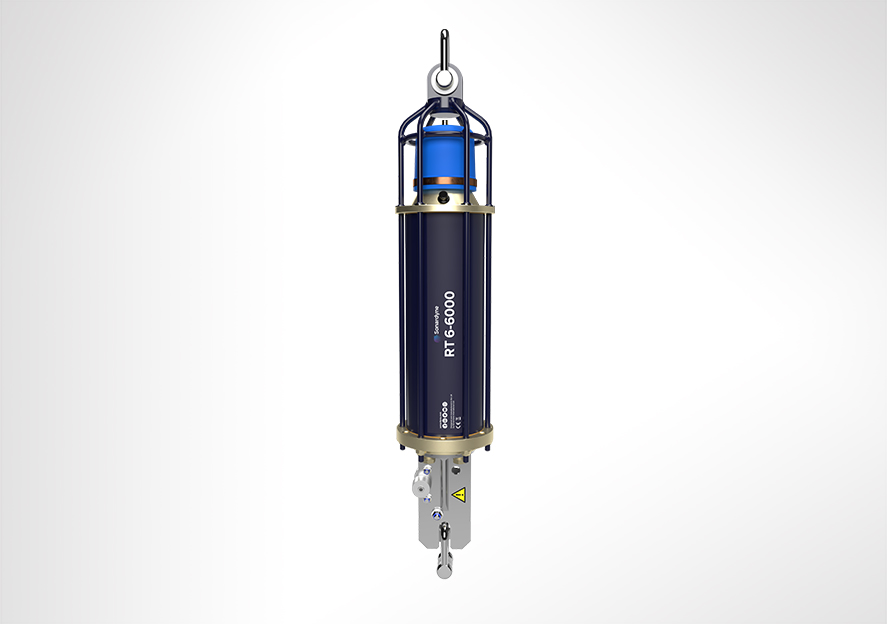
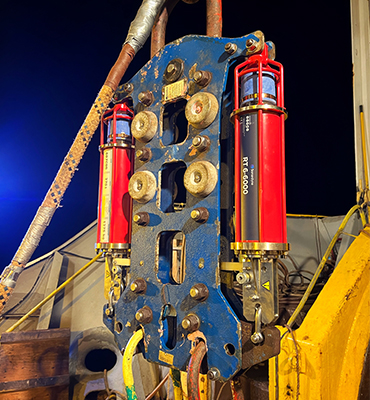
Rugged, reliable, RT 6-6000

Release Transponder 6 (RT 6-6000) is a tough, reliable oceanographic release transponder designed for deep water applications with energy, defence and science. It is suitable for a range of applications, including environmental surveys, research vessels as well as site surveys and characterisation.

Overview

Acoustic release transponders are a vital piece of ocean equipment – relied upon by energy, defence and science users to moor valuable equipment strings for years at a time, and when commanded to do so, reliably return equipment and logged data to the surface.
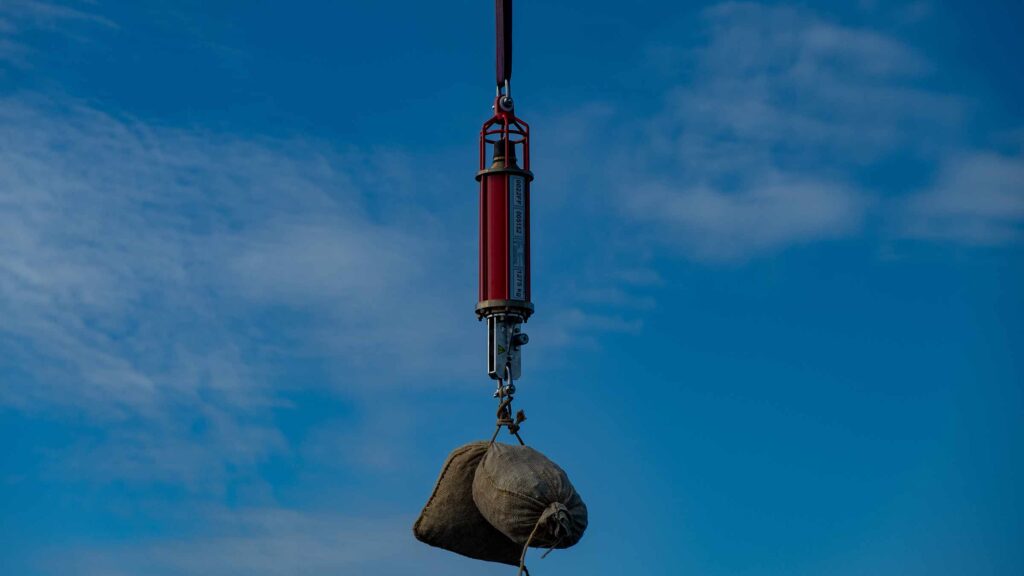
Transponders need to be tough, reliable and easy to work with. RT 6-6000 meets these requirements.

Part of our new range of acoustic releases, RT 6-6000 combines the extensive mechanical design track record of our renowned ORTs and DORTs with the flexibility of our 6G platform, resulting in enhanced battery life and perhaps most significantly, compatibility with our Ranger 2 USBL family

With RT 6-6000, you can use your vessel’s Ranger 2 USBL to deploy, track, locate and command the instrument – removing the need for a separate topside unit. If you don’t have access to a Ranger 2 USBL, our rugged and lightweight Deck Topside with an over-the-side dunker is all you need to both configure and command RT 6-6000s.

At a glance

  • Tested, loaded, deployed and released using Deck Topside
  • Also works with Sonardyne Ranger 2 USBL to deploy, track and command in very deep water
  • Highly reliable release mechanism design and thousands are in service globally
  • Working Load Limit 1,275 kg (4:1)
  • Depth rated to 6,000 m
  • External battery disconnect to maximise battery life with no need to open unit
  • Compact and rugged design

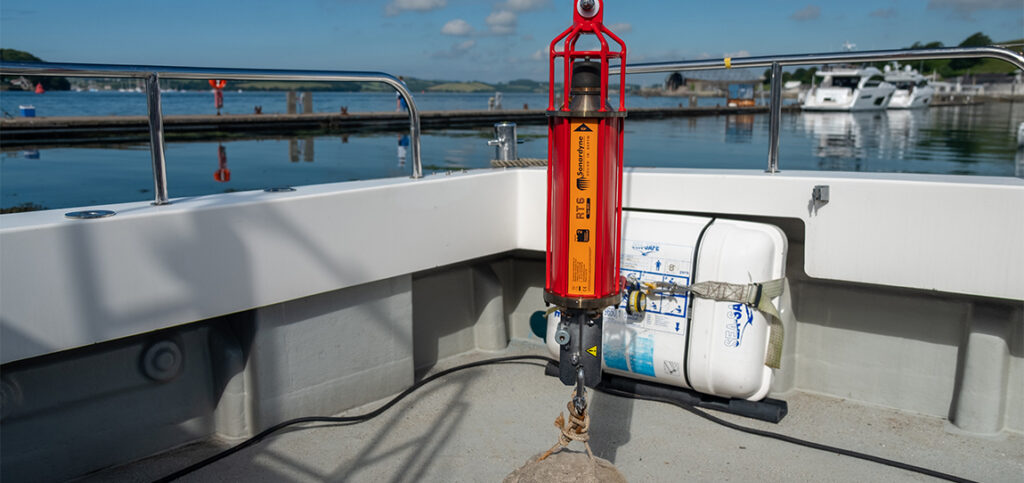
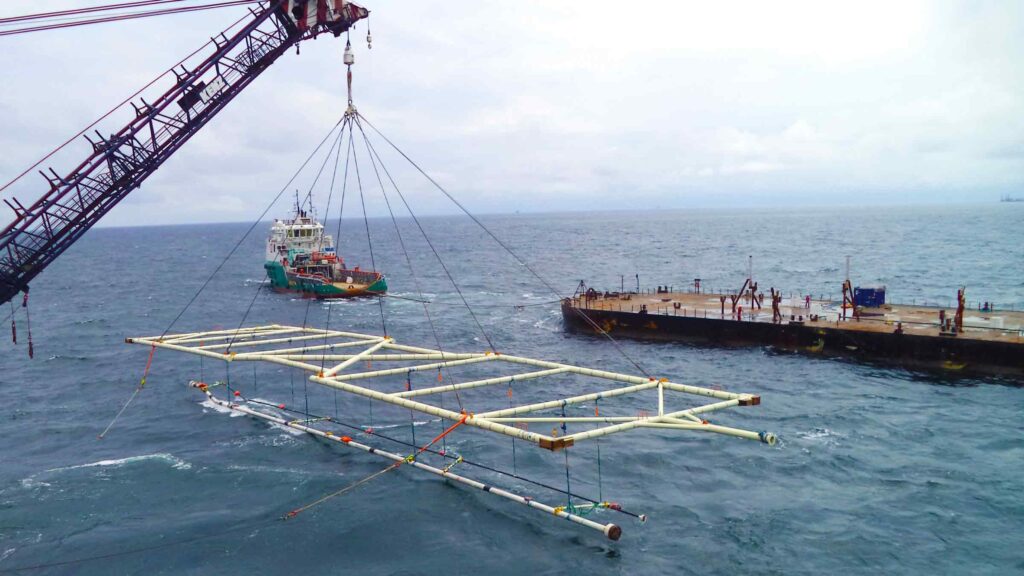
RT 6-6000s are most commonly used to anchor oceanographic moorings to the seabed. However, their compact size and compatibility with Ranger 2 makes them ideal for incorporation into instrument frames or lowered platforms to enable deployment of sub-system packages.

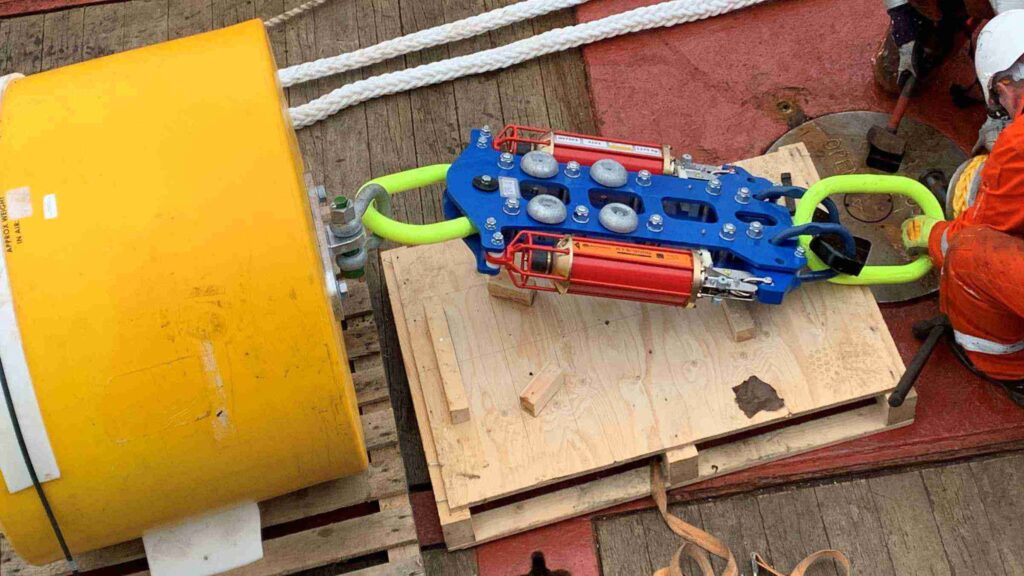
Standard features include a Working Load Limit of 1,275 kg (at 4:1) and a spring-assisted release mechanism. RT 6-6000 is compatible with our standard tandem and high-load release frames for scenarios requiring a higher WLL. Speak to us about your requirements as custom frames are also an option.

A battery disconnect fob is located on the transducer and uses an internal magnetic switch to electronically disconnect the battery when not in use. This means you do not have to open the unit to manually disconnect the battery, saving time and reducing the risk of incorrect re-assembly.
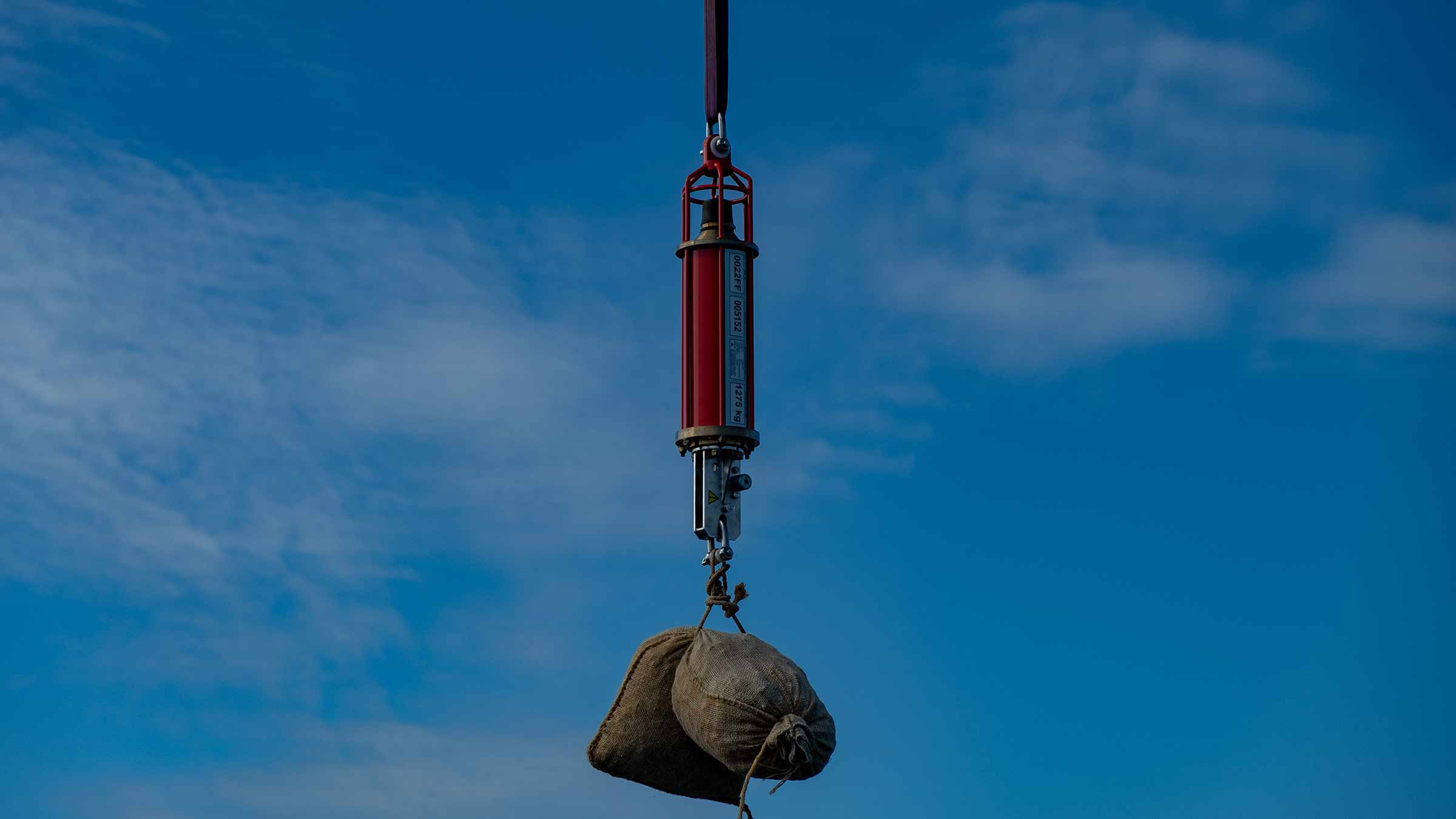
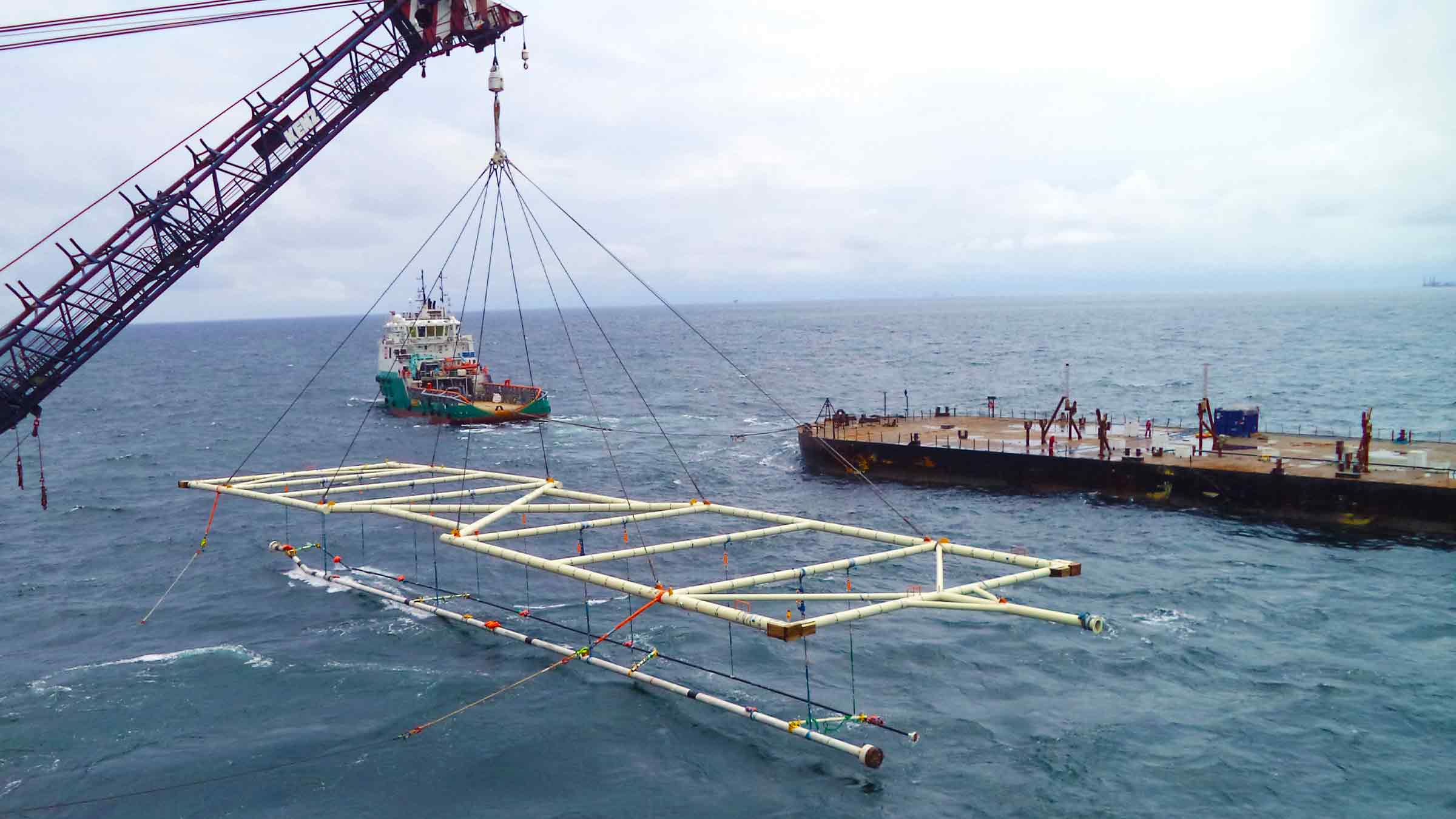
RT 6-6000s use the same trusted spring-assisted release mechanism that has been in service for many years and used on thousands of Sonardyne transponders globally.

Choice of topsides

You can use our rugged Deck Topside, or if you’ve got access to a Ranger 2 USBL system on your survey or research vessel, then you have everything you need to control your RT 6-6000.

Versatile

RT 6-6000 is more than just an acoustic release. It can be tracked with our Ranger 2 USBL making relocating and recovering it fast and simple.

High WLL

Use it with our Heavy-Duty Release Frames and significantly increase your Working Load Limit when deploying seabed structures.

Support

You can find a wide range of support articles for our family of acoustic release transponders on our knowledge base.

Specifications table

Feature Type 8321-6250
Depth Rating 6,000 m
Operating Frequency LMF (14–19 kHz)
Transducer Beam Shape Hemispherical
Transmit Source Level (dB re 1 µPa @ 1 m) 188 dB
Tone Equivalent Energy (TEE) 192 dB
Receive Threshold (dB re 1 µPa) <90 dB
Working Load Limit (4:1) 1,275 kg
Proof Load 2,550 kg
Breaking Load 5,100 kg
Maximum Safe Release Load 1,700 kg
Battery Life (Alkaline) >32 months
Inclinometer Accuracy ±5°
Surface Unit Deck Topside, Ranger 2 USBL
Mechanical Construction Aluminium bronze and duplex stainless steel
Operating Temperature -5 to 40°C
Storage Temperature -20 to 55°C
Dimensions (Length x Diameter 700 x 142 mm (27.5 x 5.6”)
Weight in Air/Water 20/15 kg
Standards CE Marked to EN-60945, EN-61010
Options Deep Water Deck Kit (Deck Topside) – 602-0180
Heavy Duty Release Frames (7.5 T, 15 T and 25 T)

Did you know?

RT 6-6000 can be used with our Ranger 2 USBL family or Deck Topside