Support Centre

Pioneering new era in deepwater seismic monitoring: OD OBN 

Shell Brasil, Petrobras, Sonardyne, and SENAI CIMATEC are pioneering autonomous technology that transforms how Brazil's challenging pre-salt fields are monitored. Now entering a major pilot array phase, the ground breaking On-Demand Ocean Bottom Node programme promises more efficient, cost-effective 4D seismic surveillance—with fewer people and lower environmental impact. This critical milestone brings us a step closer to a fundamental shift in deepwater reservoir management.

The challenge

Brazil’s pre-salt reservoirs lie in more than 2,000 m water depth, plus another 3,000 m beneath the seabed, making seismic imaging particularly challenging.

Traditional seismic surveys using ocean bottom nodes (OBNs) provide high-quality seismic data, but are often expensive and logistically complex, involving the repeated deployment and recovery of nodes using remotely operated vehicles (ROVs).

These factors can limit the frequency and economic viability of frequent 4D seismic campaigns, which are essential for understanding reservoir dynamics over time.

This is particularly challenging for monitoring large pre-salt carbonate fields where production by alternating water and gas injection (WAG) generates subtle and complex 4D signals that are difficult to measure.

These signals require on-demand monitoring with sufficient fidelity and repeatability to overcome the high levels of survey noise prevalent in conventional node-based surveys.

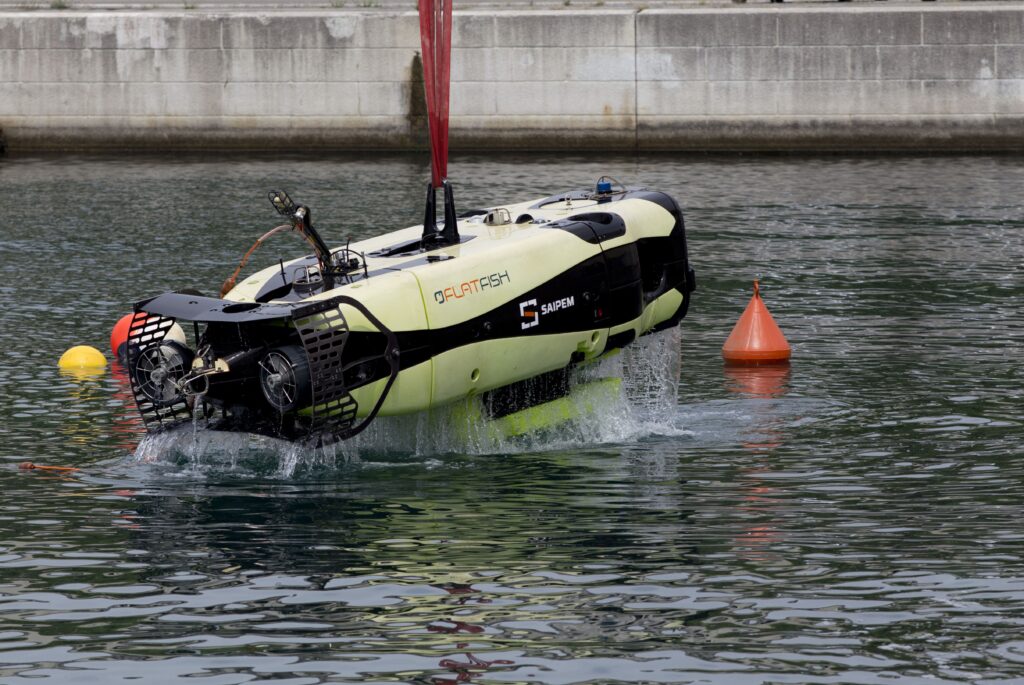
Saipem's FlatFish

The solution

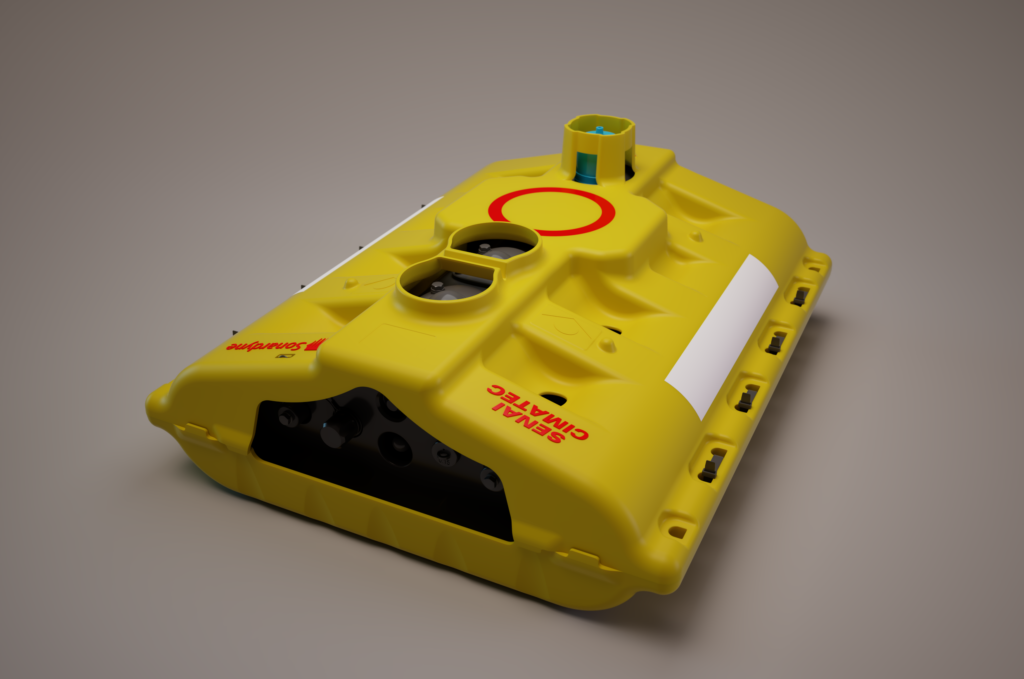
Launched in 2018, the OD OBN programme is a research and development collaboration between partners Shell, Petrobras, SENAI CIMATEC and Sonardyne, supported under the Research Development and Innovation funding clause of the Brazilian National Agency for Petroleum, Natural Gas and Biofuels (ANP).The On-Demand Ocean Bottom Node (OD OBN) programme marks a pivotal step in addressing these challenges, providing a disruptive approach to time-lapse seismic data acquisition.

It is a pioneering new [system for] acquiring 4D seismic data, which delivers more efficient and cost-effective surveillance of complex pre-salt fields. At its core is a long-term OBN system that can remain on the seabed for several years, capturing seismic data that can be recorded and harvested “on-demand” using autonomous underwater vehicles (AUVs), without the need for repeated deployment and retrieval cycles.

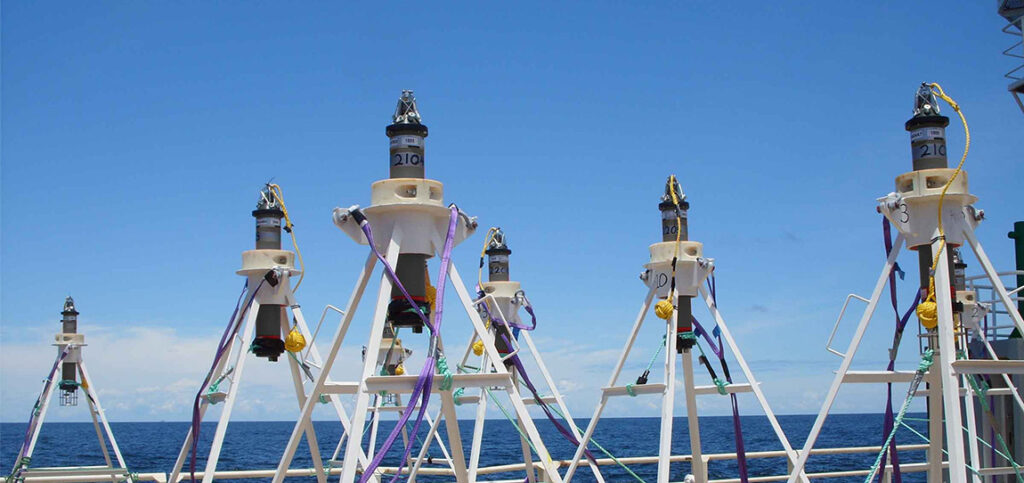
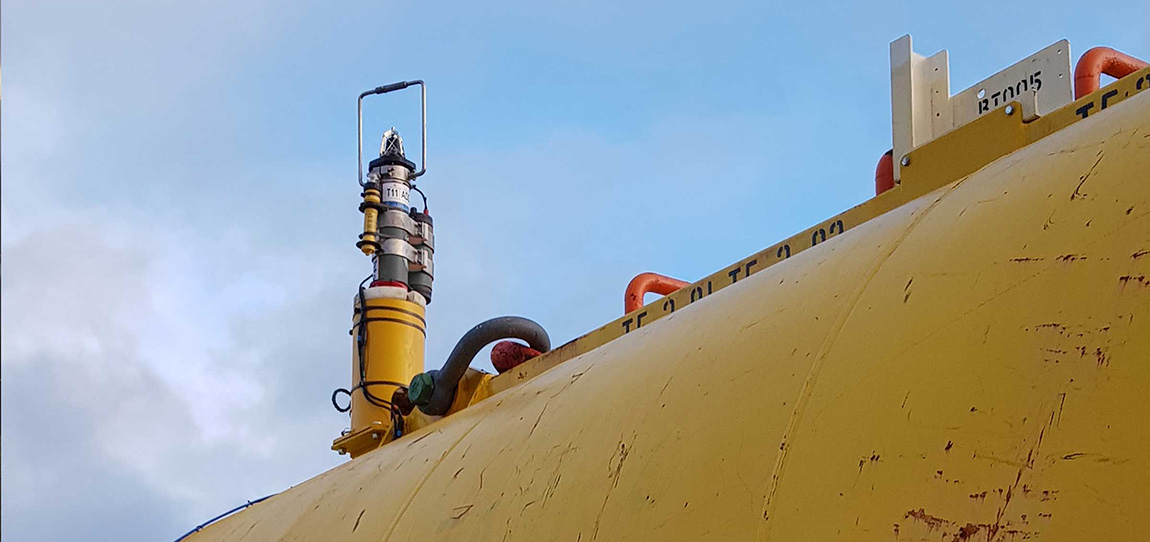
Vast quantities of seismic data are harvested wirelessly using an AUV such as Saipem’s ‘Flatfish’, that implements the through-water optical interface to interrogate the OD OBNs, as developed under a separate ANP programme sponsored by Shell.

This AUV data harvesting approach eliminates the need for node recovery, dramatically reducing vessel time, operational complexity and associated costs.

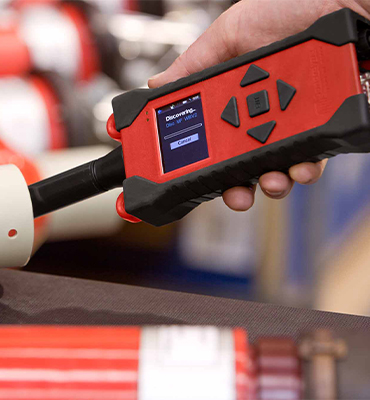
Key Sonardyne technologies include wireless acoustic communications, required for long range recording control and node clock time offset measurement, and Sonardyne’s BlueComm extremely high-speed optical communications for short range data harvesting to a nearby AUV or remotely operated vehicle (ROV).
The results

Over 2,000 days of trials of pre-production nodes have been conducted across various pre-salt fields including Sapinhoá, Itapu and Buzios. These have successfully demonstrated acoustic control, high-fidelity data acquisition and optical data harvesting using BlueComm, as well as comparing OD OBN data with that of other commercial nodes.

The final round of tests concluded successfully in 2025, with results presented at the IMAGE ‘25 conference in Houston and SBGf Rio’25 conference in Rio de Janeiro.

Next steps

A pilot array of 660 pre-production nodes is currently being produced at a brand-new manufacturing facility in Camaçari, near Salvador, Brazil. Hundreds of these nodes will soon be deployed at the Mero field operated by Petrobras for extended testing and performance evaluation.

The long-term vision is to use autonomy and state of the art communications technologies to enable operators to conduct more frequent ‘on demand’ seismic surveys, with higher fidelity data, at a fraction of the cost of conventional seismic survey methods.

This capability will provide clearer insights into fluid movements and pressure changes within the reservoir, helping to optimise production strategies, improve decision making and enhance recovery rates in one of the world’s most challenging offshore provinces.

OD OBN is not just an incremental improvement, but a fundamental shift in how the industry approaches deepwater reservoir management.

Your challenges. Our solutions

Learn how our custom engineering team can support your project, no matter how big or small, from the shallows to the deep.

Jump to

Overview

Enabling the recovery of seabed transponders without the need for ROV intervention

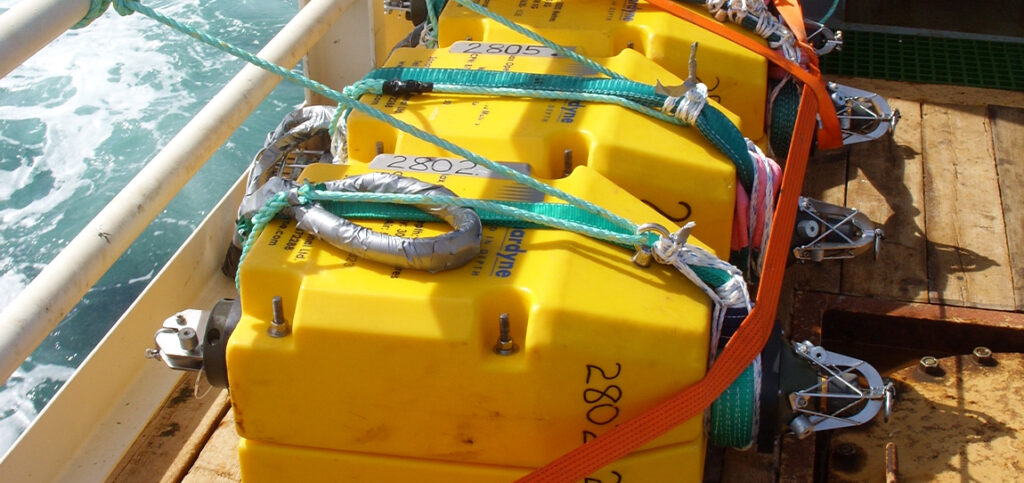
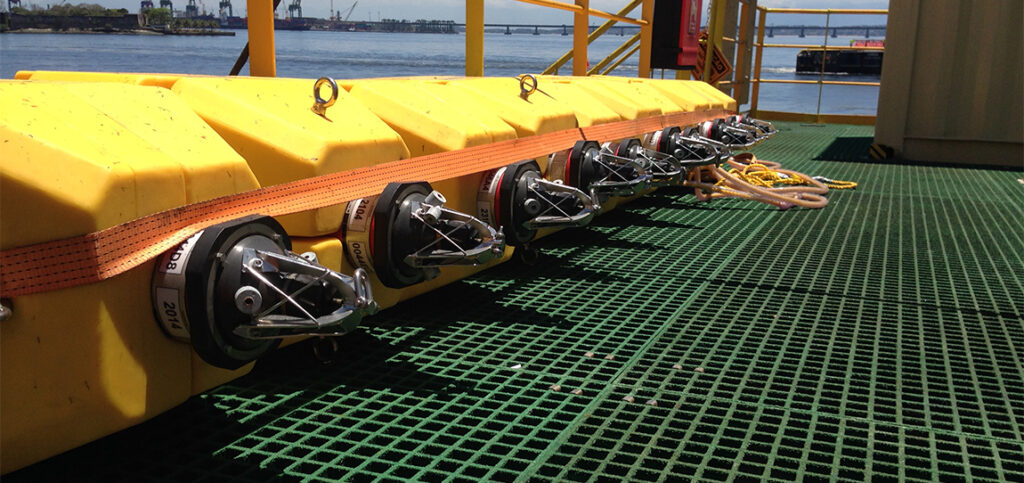
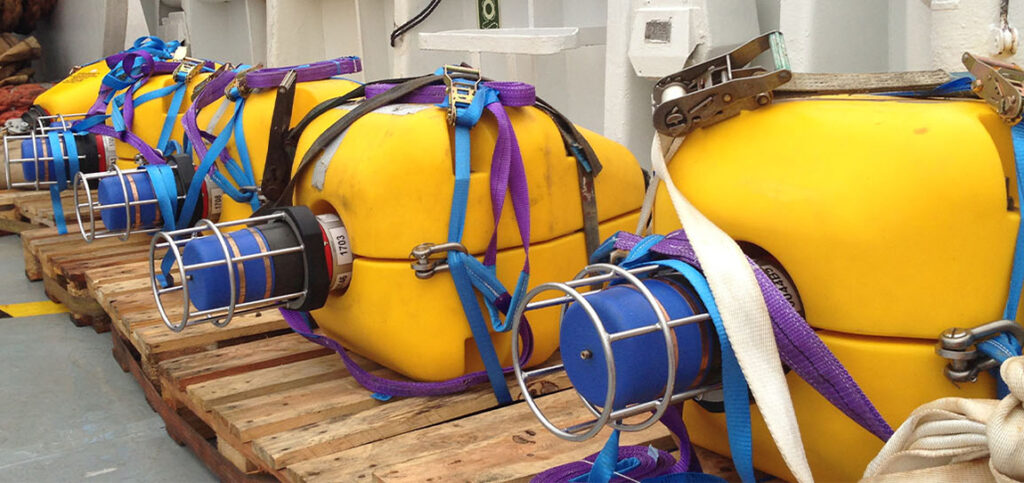
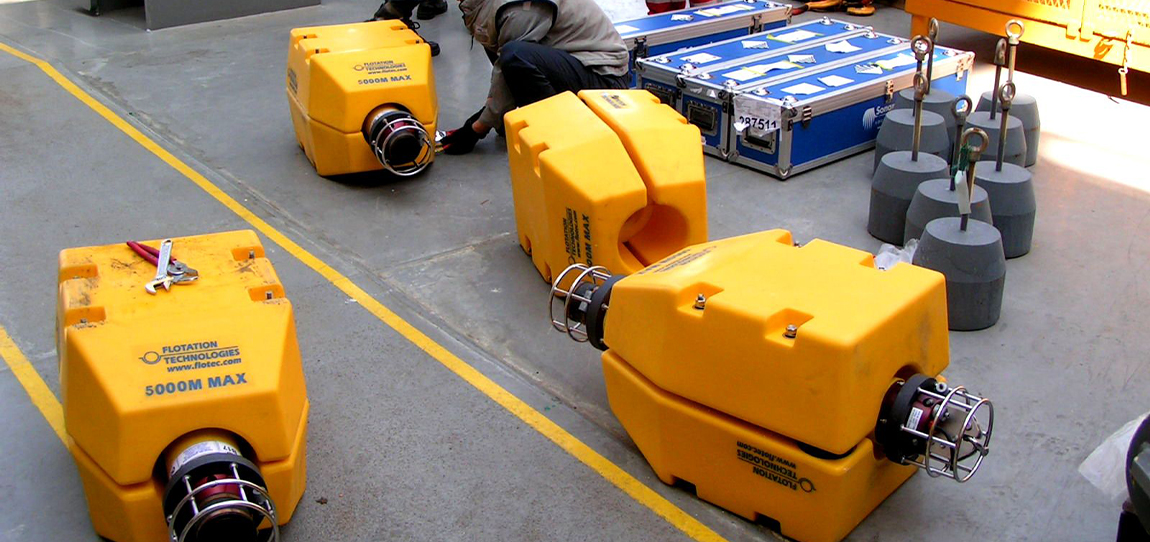
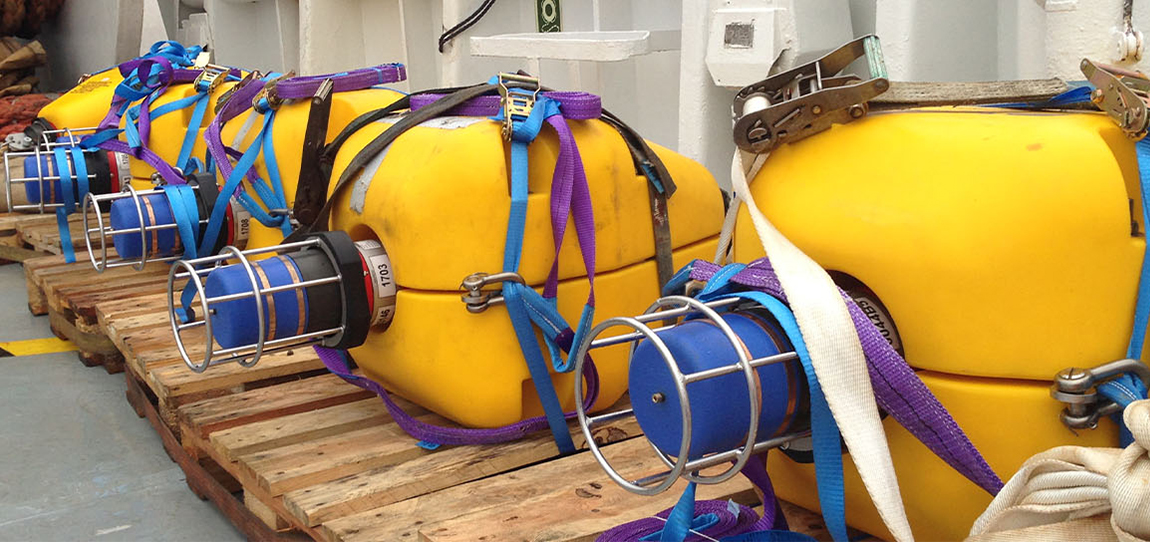
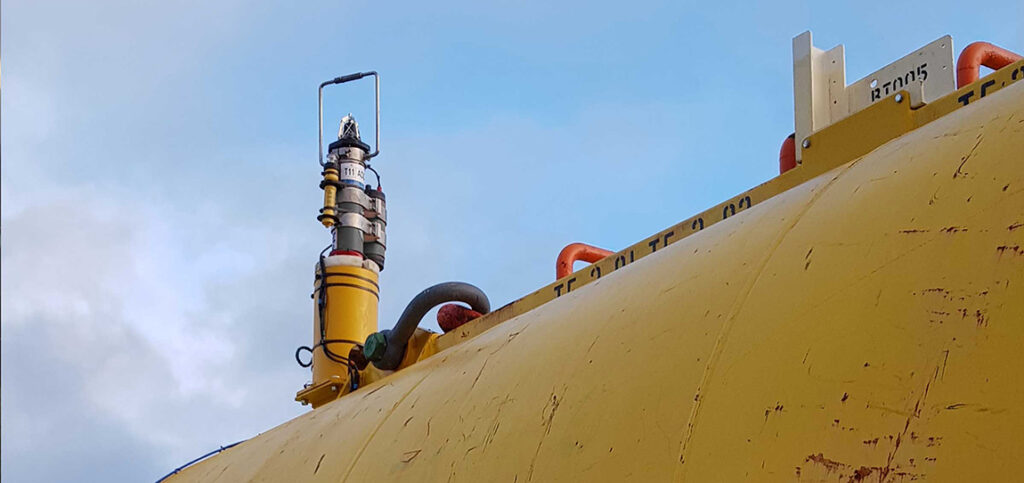
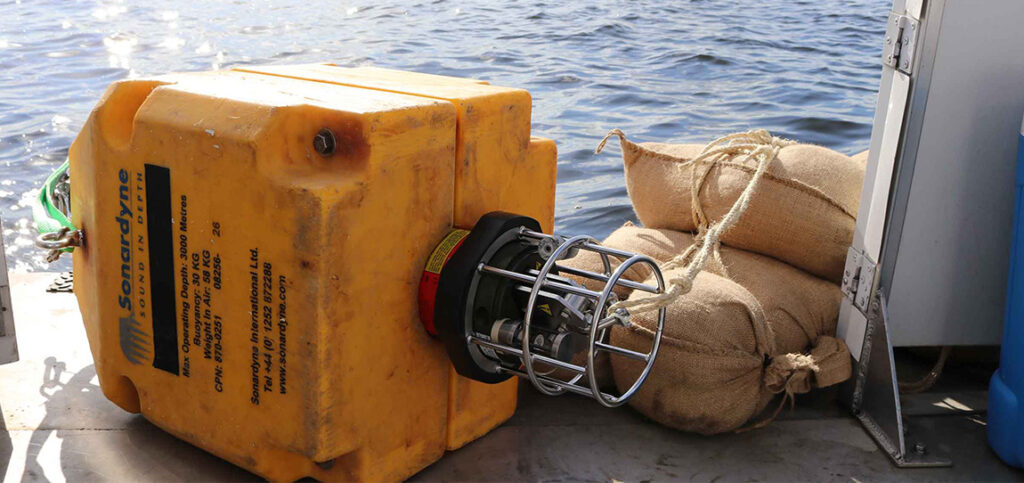
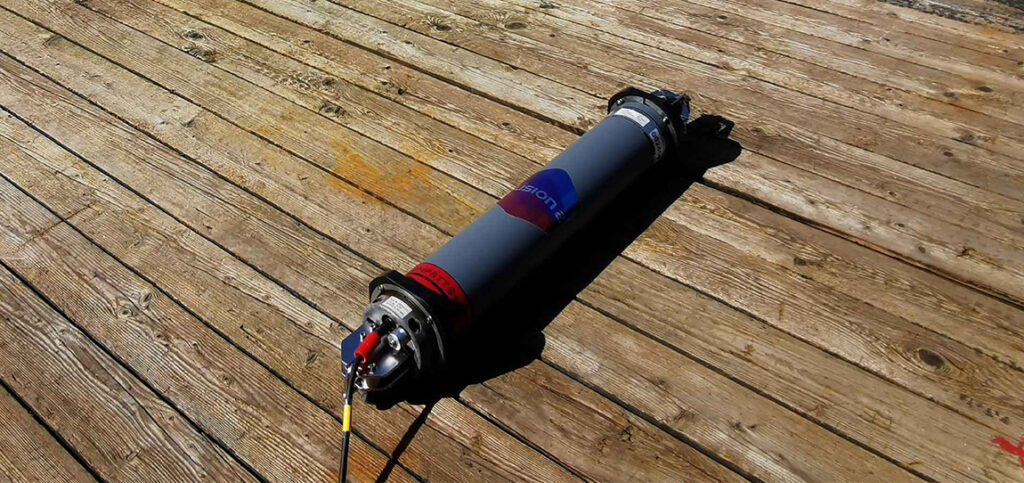
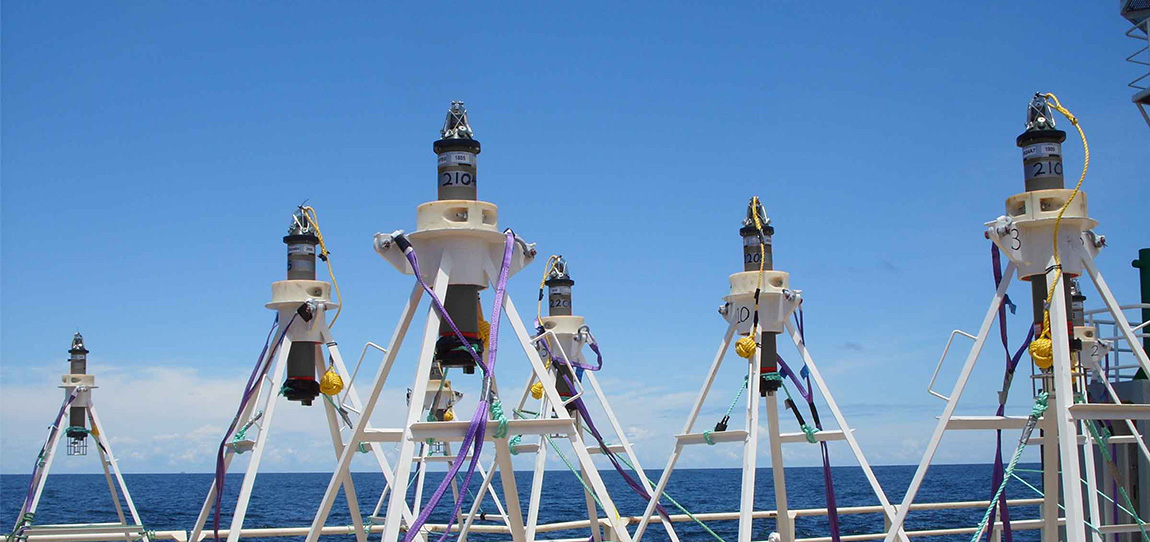
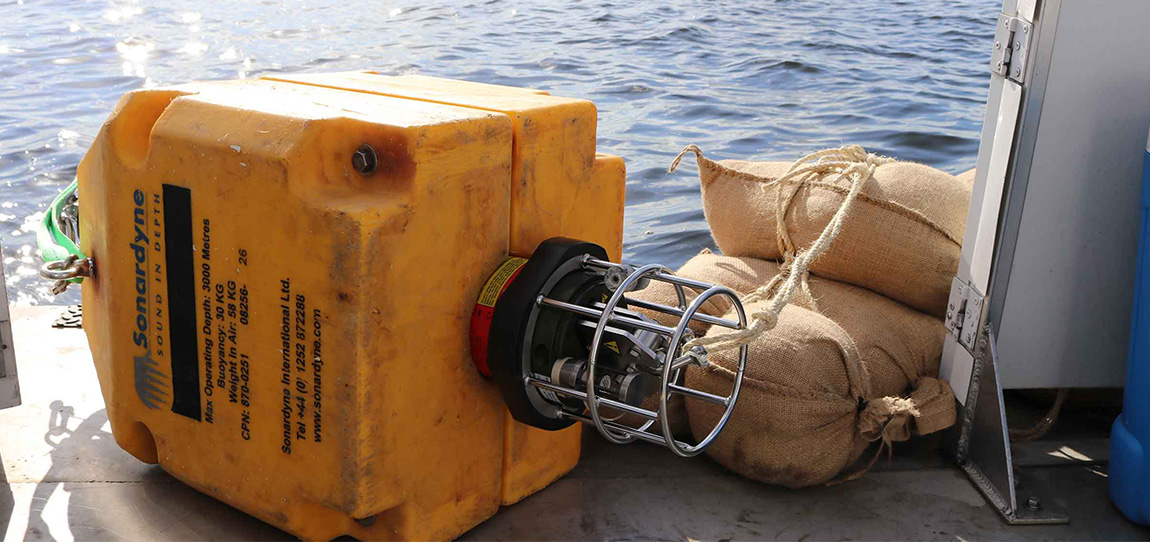
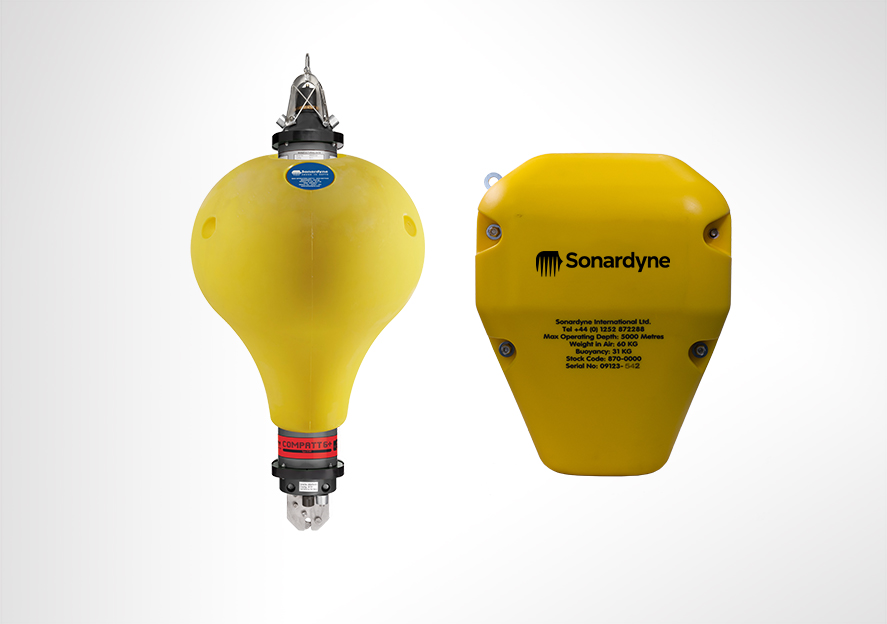
Our range of subsea floatation collars enable acoustic navigation and positioning transponders to be deployed, moored on the seabed and then recovered to the surface.

Overview

Our range of subsea floatation collars enable acoustic navigation and positioning transponders to be deployed, moored on the seabed and then recovered to the surface.

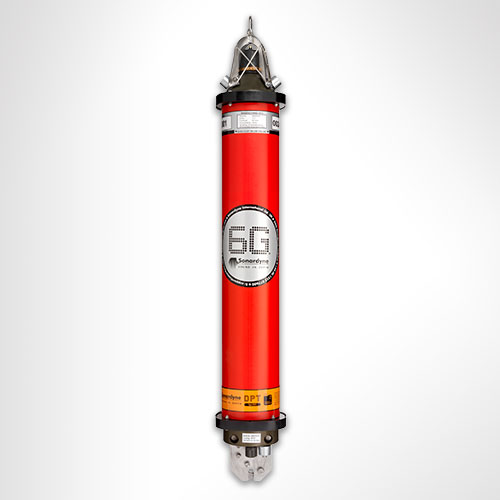
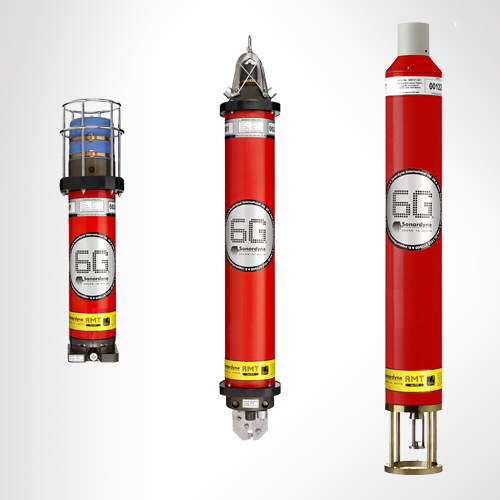
The floats are compatible with all our transponders including: Compatt 6+, Compatt 6, AMT 6 and DPT 6. They can be used with directional and omni-directional transducer types.

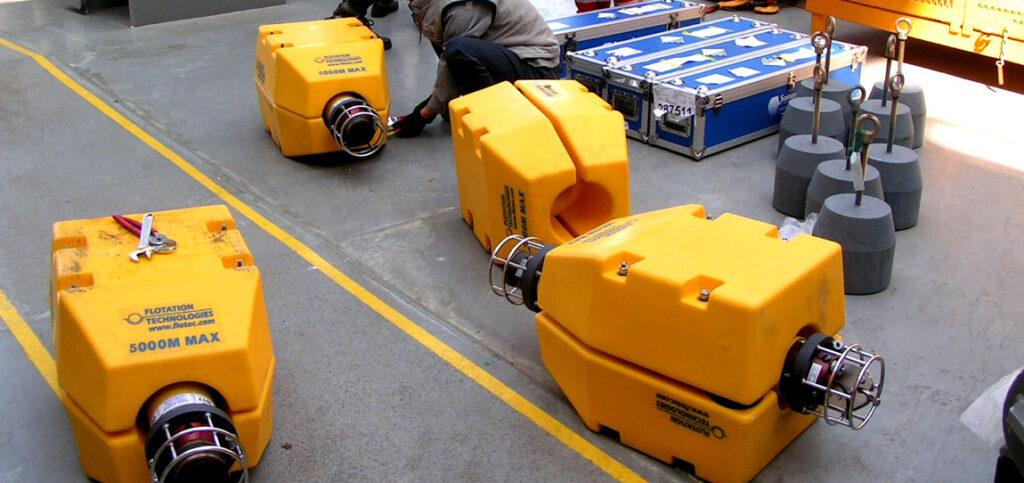
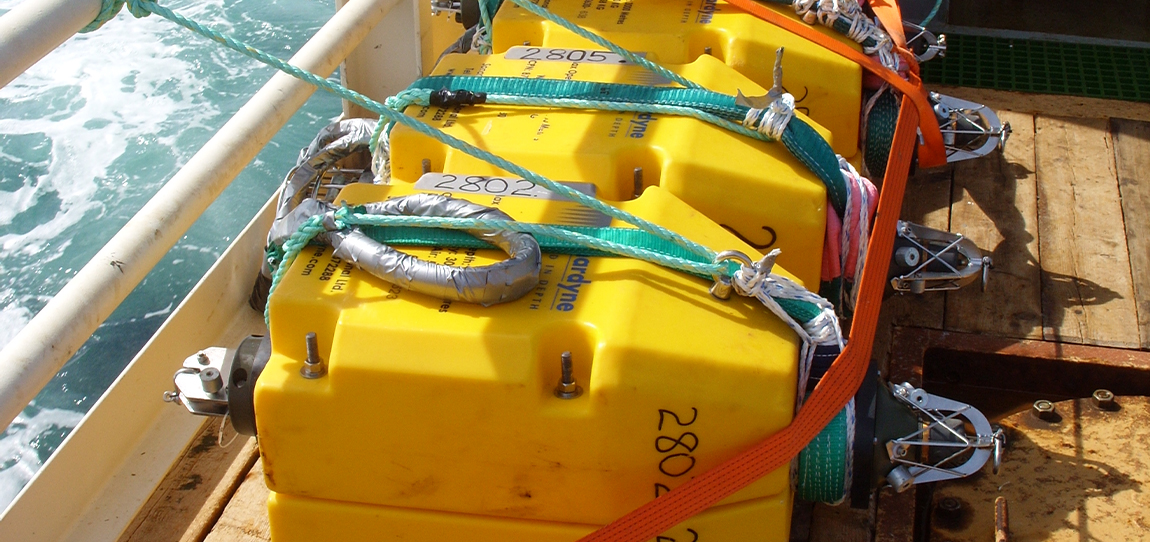
Manufactured from high performance materials appropriate to the required depth rating, each float assembly comes in two halves and is clamped around the transponder using stainless steel fixings made of super duplex stainless steel.

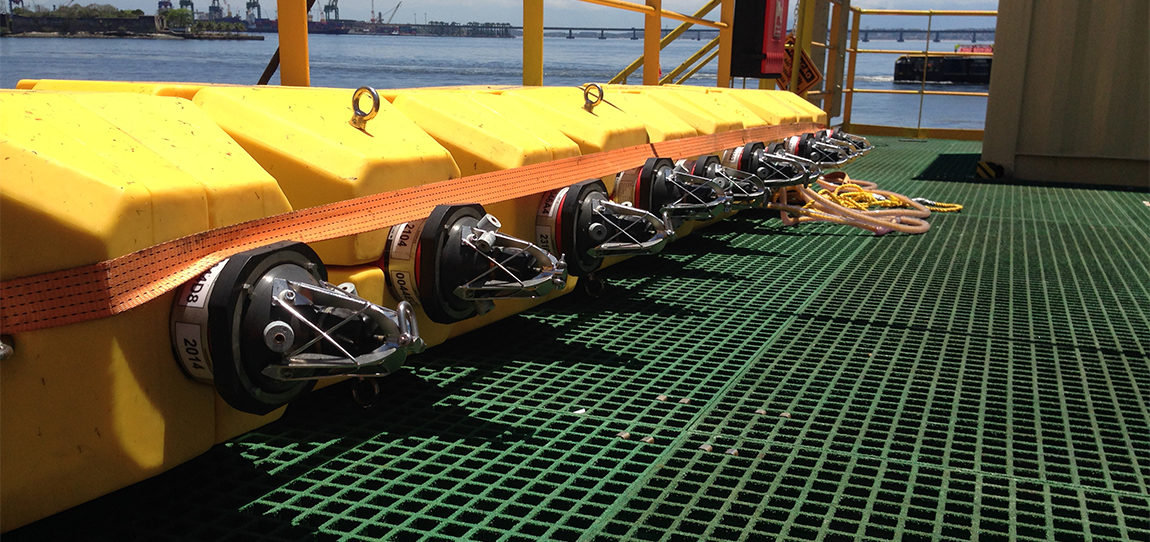
Bright colours make sure good visibility, either when subsea and viewed from an ROV’s camera, or when floating on the surface prior to recovery.

At a glance

  • Use it to recover seabed transponders without ROV intervention
  • Choice of shapes to suit application and environment
  • Available in 3,000, 5,000 and 7,000 metre depth ratings

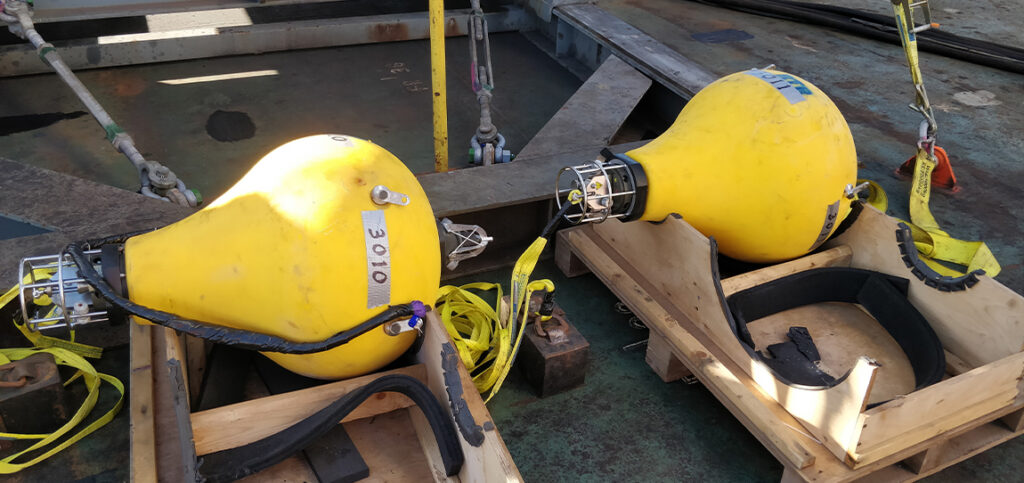
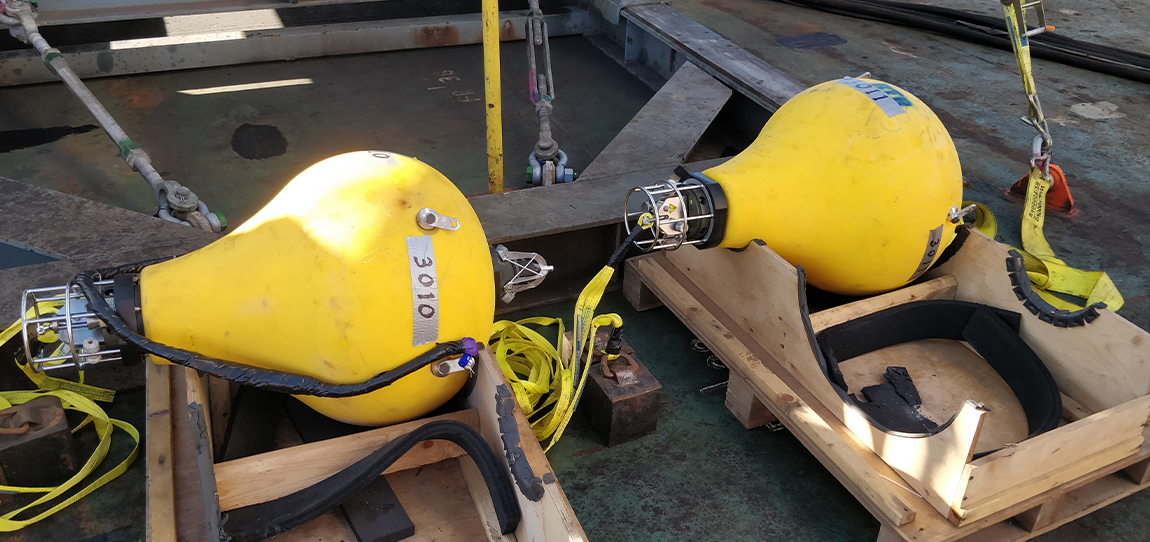
We also supply ultra low-drag light bulb shaped float that provide significant reduction of the deflection caused by water currents and dramatically improves the stability of the transponder. The levels of both the deflection and stability directly affect the quality of the achievable positioning. The light bulb float therefore ensures optimum performance from the seabed installed transponders.

The ultra low-drag and highly stable float further allows users to deploy transponders much higher off the seabed increasing the achievable acoustic range. This reduces the required number of transponders enabling life of field positioning without requiring complicated deflection correction methods.

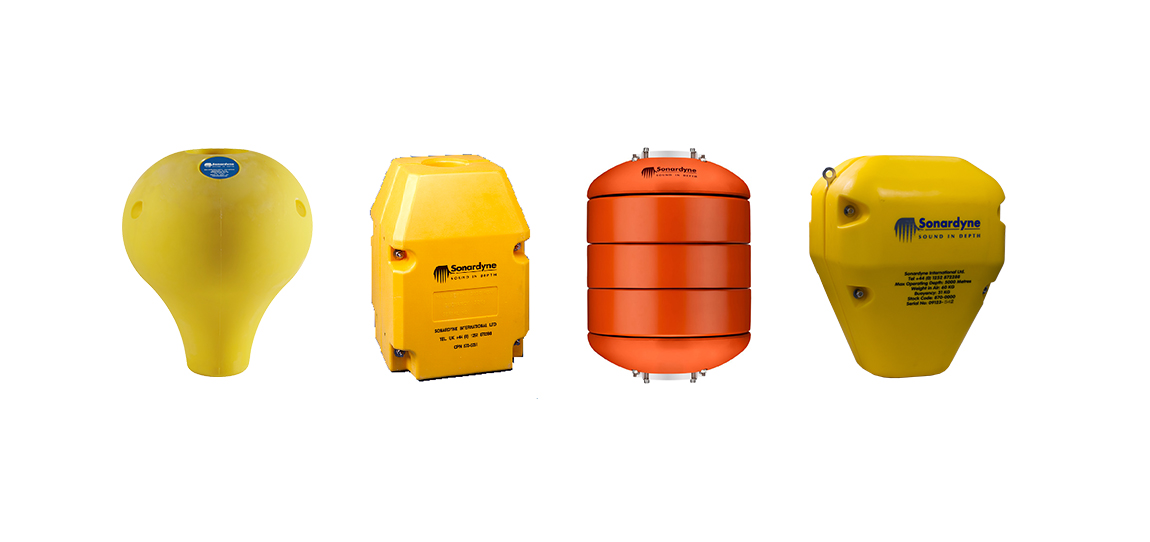
Ultra Low-Drag transponder floatation collar

Compatt/DPT transponder floatation collar

Modular float

Compatt/DPT floatation collar (directional units only)

Specifications table

Model Specification
Floatation Collar – 3,000 m Depth rating 3,000 m
Weight in air 64 kg
Nett buoyancy 32.7 kg
Dimensions (length x width x diameter) 595 x 445 x 445 mm
Floatation Collar – 5,000 m Depth rating 5,000 m
Weight in air 64.2 kg
Nett buoyancy 32.1 kg
Dimensions (length x width x diameter) 595 x 445 x 445 mm
Floatation Collar – 7,000m Depth rating 7,000 m
Weight in air 64 kg
Nett buoyancy 27 kg
Dimensions (length x width x diameter) 595 x 445 x 445 mm
Floatation Collar – Directional Depth rating 5,000 m
Weight in air 61 kg
Nett buoyancy 35 kg
Dimensions (length x width x diameter) 650 x 500 x 500 mm
Floatation Collar – Ultra Low Drag Depth rating 3,000 m
Weight in air 60.5 kg
Nett buoyancy 34.5 kg
Dimensions (length x width x diameter) 699 x 600 mm

Did you know?

Our floatation collars are suitable for both Compatts and DPTs and are depth rated up to 7,000 m

Jump to

Overview

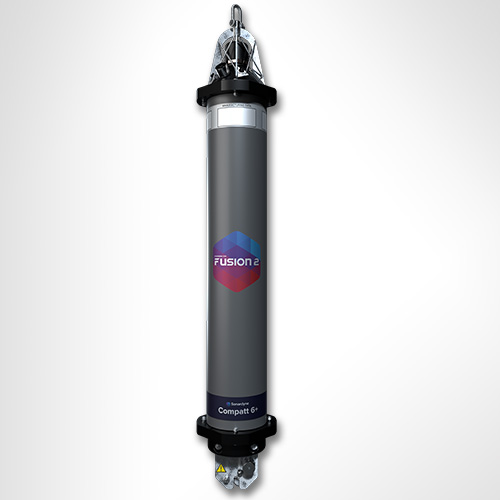
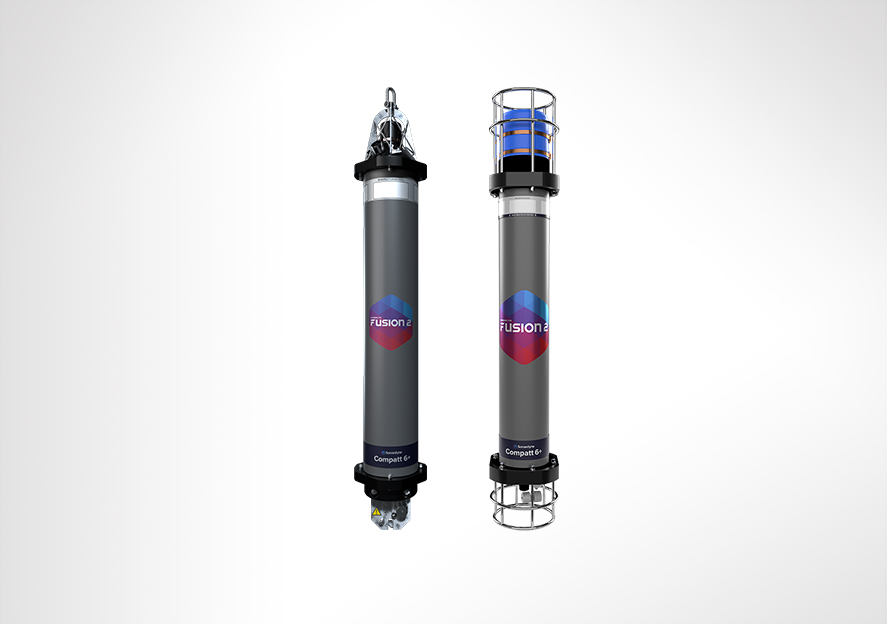
Compatt 6+ is our latest generation of intelligent transponder

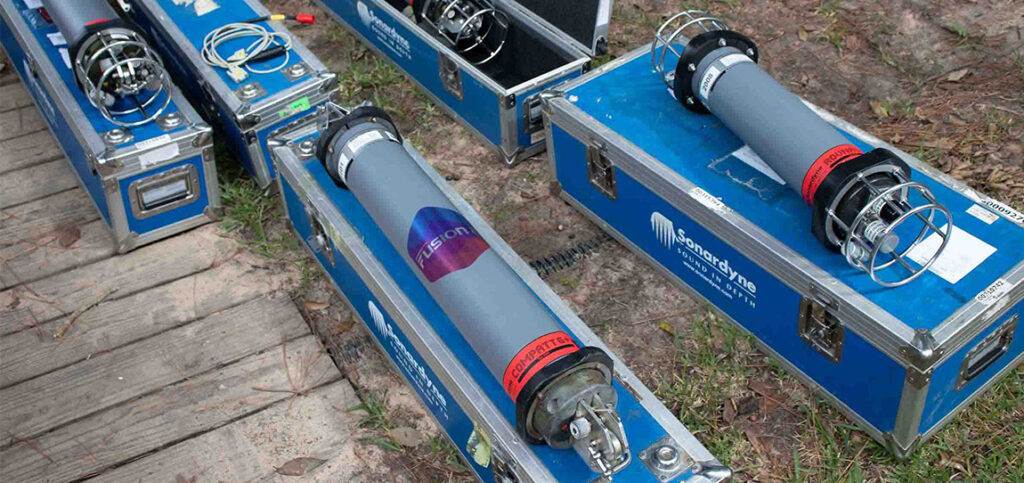
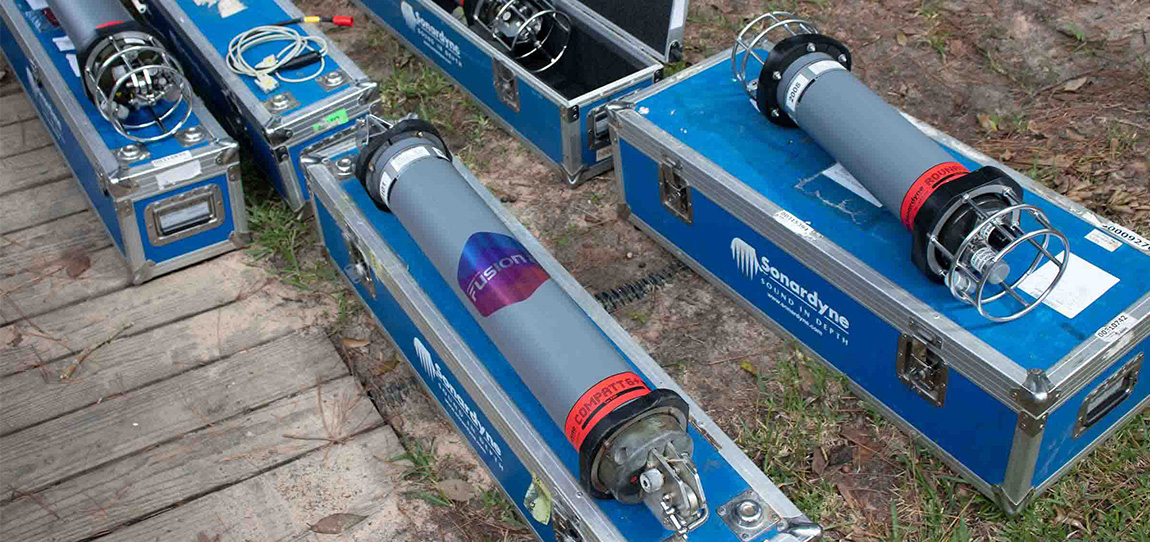
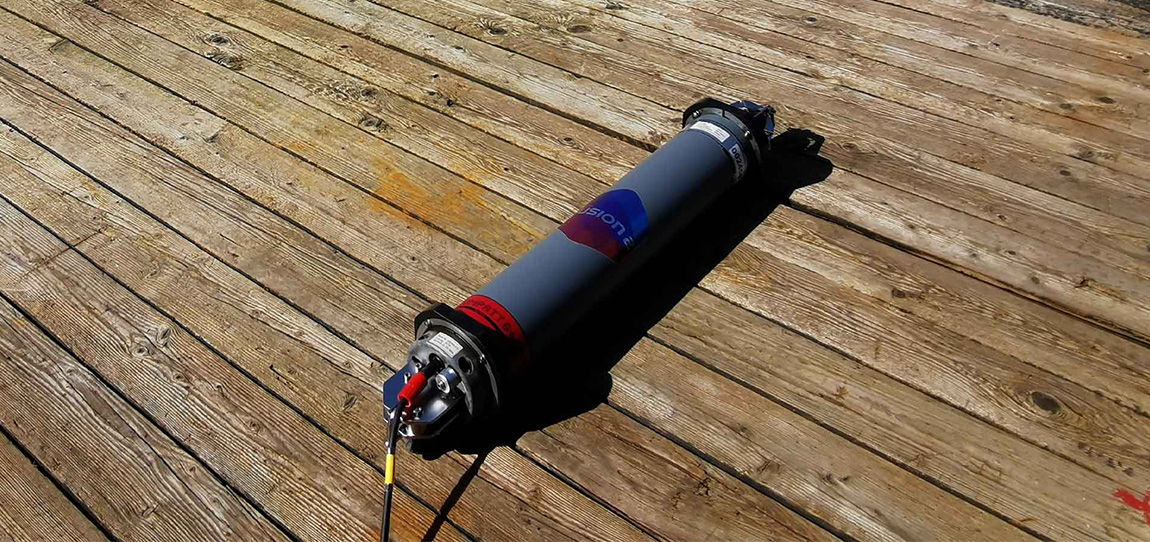
Discover Compatt 6+: this advanced LBL transponder boasts unparalleled precision, featuring revolutionary Wideband 3 technology for a superior acoustic performance. Engineered for versatility with over 3,600 configurations available, it seamlessly integrates with your existing systems while enhancing your operational efficiency.

Overview

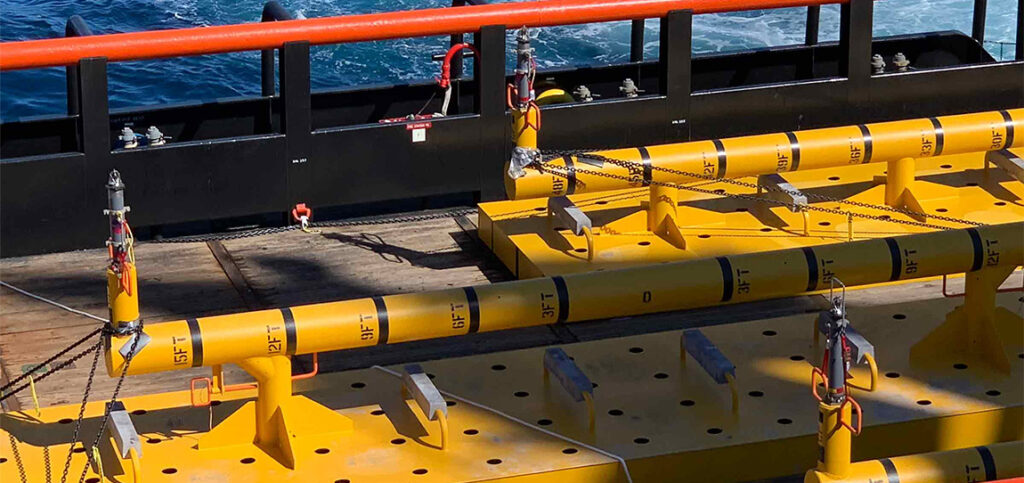
Compatt 6+ is used for high precision survey and construction operations in all water depths, including: spool piece metrology, pipeline touchdown monitoring, structure installation and dynamic positioning reference.

Compatt 6+ offers significant time saving with fast update rates (up to 1 Hz LBL tracking), all made possible using the Wideband 3 acoustic telemetry protocols. Support of Wideband 2 ranges maintains backwards compatibility. This makes any system operating with Compatt 6+ significantly easier to operate therefore de-risking operations, reducing vessel time and reducing training requirements for offshore personnel.

At a glance

  • Compatible with all 6G LBL, INS and USBL systems
  • Wideband 3 enabled
  • Versatile, flexible and cost-effective
  • Over 3,600 different configurations available
  • Choice of depth ratings to 7,000 m

Our Wideband advanced signal processing offers improved acoustic performance in challenging conditions, longer ranges, improved multipath rejection around structures and real-time range diagnostics for quality control. Wideband also reduces the interference to and from adjacent Sonardyne and other acoustic positioning systems.

The integrated communications and navigation technology allows the transponder to be used as a multi-purpose modem, autonomous data logger and navigation reference transponder.

Wideband 3

For the first time, sensor telemetry data (e.g. pressure, depth or temperature) is embedded within ranging data so no more waiting for sensor readings at vital moments.

Compatible

Compatt 6+ transponders are backwards compatible with your existing Compatt 6 inventories so you can mix and match in the field.

Upgradable

We can upgrade your existing Compatt 6 into plus units quickly and cost effectively meaning you can go on to realise the full benefits of Fusion 2.

Overview

Compatt 6+ is used for high precision survey and construction operations in all water depths, including: spool piece metrology, pipeline touchdown monitoring, structure installation and dynamic positioning reference.

Specifications table

Feature Type 8300-3111 Type 8300-3113 Type 8300-5213
Depth rating 3,000 m 3,000 m 5,000 m
Operating frequency MF (20–34 kHz) MF (20–34 kHz) MF (20–34 kHz)
Transducer beam shape Omni-directional Directional Directional
Transmit Source level (dB re 1 µPa @ 1 m) 187–196 dB
(4 levels)
190–202 dB
(4 levels)
190–202 dB
(4 levels)
Tone Equivalent Energy (TEE) 193–202 dB 196–208 dB 196–208 dB
Receive sensitivity (dB re 1 µPa) 90–120 dB
(7 levels)
80–120 dB
(7 levels)
80–120 dB
(7 levels)
Ranging precision Better than 15 mm Better than 15 mm Better than 15 mm
Number of unique Wideband 2 addresses >300 >300 >300
Battery life (listening) Alkaline 833 days 833 days 833 days
Lithium 1,390 days 1,390 days 1,390 days
External power supply 24 V 24 V 24 V
Safe working load (4:1) 250 kg 250 kg 250 kg
Operating temperature -5 to 40°C -5 to 40°C -5 to 40°C
Storage temperature -20 to 55°C -20 to 55°C -20 to 55°C
Dimensions (maximum)
(length x diameter)
With sensor guard 1,034 x 200 mm 1,018 x 200 mm 1,018 x 200 mm
Without sensor guard 1,034 x 178 mm n/a n/a
Weight in air/water 23.8/11.8 kg 27.0/14.0 kg 29.0/15.0 kg
Endcap sensors and options
Temperature (±0.1°C) Standard Standard Standard
Tilt switch (±30–45°) Standard Standard Standard
Strain gauge pressure sensor (±0.1%) Standard Standard Standard
High precision strain gauge (±0.01%)
Presens or Keller
Optional Optional Optional
Paroscientific digiQuartz pressure sensor
1,350 m, 2,000 m, 4,130 m, 6,800 m (±0.01%)
Optional Optional Optional
Inclinometer (tilt sensor)
range ±90°, accuracy: ±1°
Standard Standard Standard
High accuracy inclinometer
range: ±90°, accuracy: ±0.05° over 0 – ±15°;
±0.2° over 0 – ±45°
Optional Optional Optional
Sound velocity sensor
±0.02 m/s accuracy under calibration conditions Optional Optional Optional
Release mechanism Standard Standard Standard
Power for external sensors Standard Standard Standard
Gyro input Standard Standard Standard

Frequently asked questions

Sparse LBL (range-aiding) FAQs

What are the pros and cons of different positioning methods?  

Why is Sparse LBL array planning important and what are the key considerations? 

What is a Sparse LBL (range-aiding) set up?  

What is Sparse LBL (range-aiding) used for?  

What is LBL (Long BaseLine) underwater positioning? 

Compatt 6 and 6+ Deployment Tests

Frequency management is obsolete. Here’s why.

6G Terminal Lite Range Test

When to use a float, when to use a stand?

How can I get the best performance from my long layback tracking operations?

How can I deploy my Compatt 6+ using iWand?

How to correctly set a Compatt 6+ release mechanism

Does Compatt 6+ have modem capabilities?

How often do endcap sensors need calibrating to keep them in spec?

Is it possible to position Compatt 6+s independently within the same array and send each positioning out of Fusion to our navigation software?

Will Compatt 6+ work with Ranger 2 and Marksman?

I want to buy standard red Compatt 6, are they still available for sale?

Can Compatt 6+ be used in the same LBL array as standard Compatt 6?

What is the difference between Compatt 6 and Compatt 6+?

If I’m using Fusion 2, can I choose to use Wideband 2 or Wideband 3 telemetry?

Can ROVNav 6+ be used with standard Compatt 6s?

Will my ROVNav 6 work with Compatt 6+?

Do I need to upgrade to Compatt 6+ and ROVNav 6+?

How to QC a Sound Velocity (SV) in Fusion 2

How far can my Compatt 6+ be above the seabed?

How to replace a battery in Compatt 6 and 6+ family of transponders

How to plan my sparse LBL array (guidance note)

How do I calibrate my sparse LBL array?

How do I set up structure deflection monitoring (SDM) in Fusion 2?

Can I use Compatt 6+ Multiuser in Fusion 2?

How do I perform a SLAM calibration in Fusion 2?

How do I set up sound speed collection and pressure to depth conversion in Fusion 2?

Manuals and quick start guides

Did you know?

Compatt 6+ uses Wideband 3 technology