Sonardyne
Support Centre
Jump to

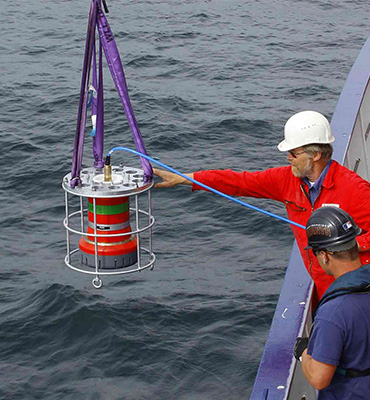
When you need to transfer large amounts of subsea data over short distances – you need BlueComm 200 UV

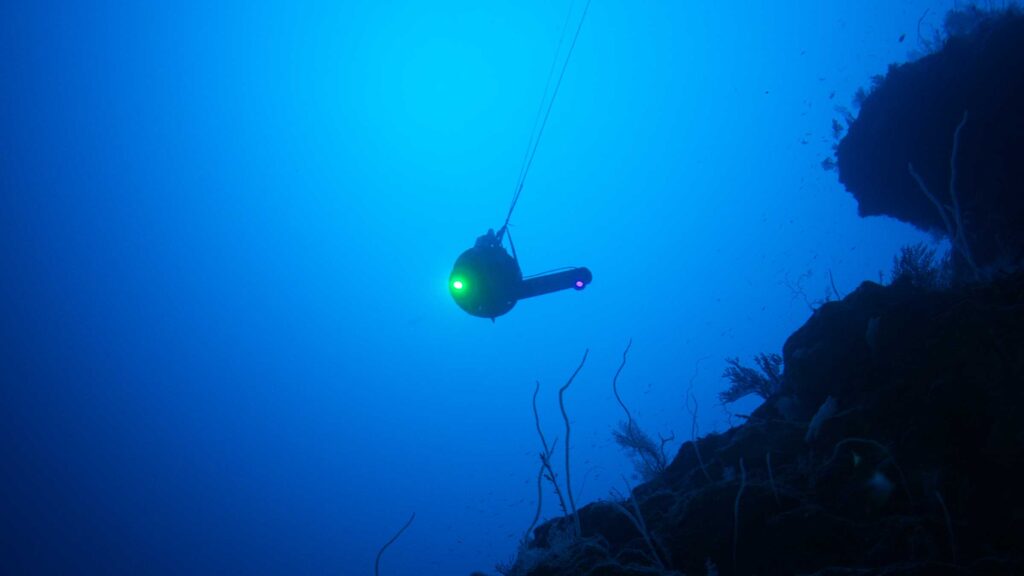
Transform your underwater operations with BlueComm 200 UV, our pioneering wireless optical communication system. You’ll experience game-changing data transfer speeds enabling true wireless subsea operations, with rates up to 10 Mbps at distances reaching 75 m – even in bright conditions.

Innovation at work

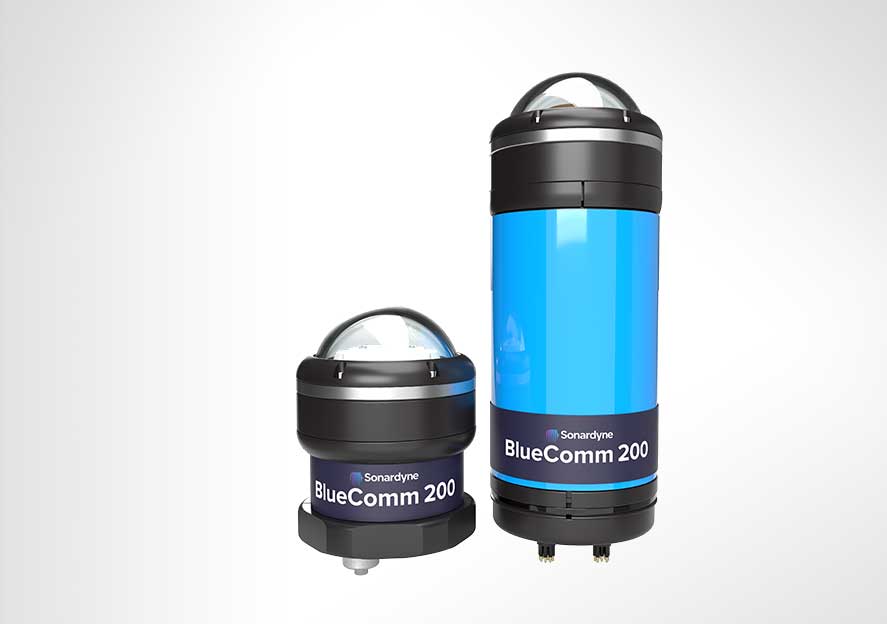
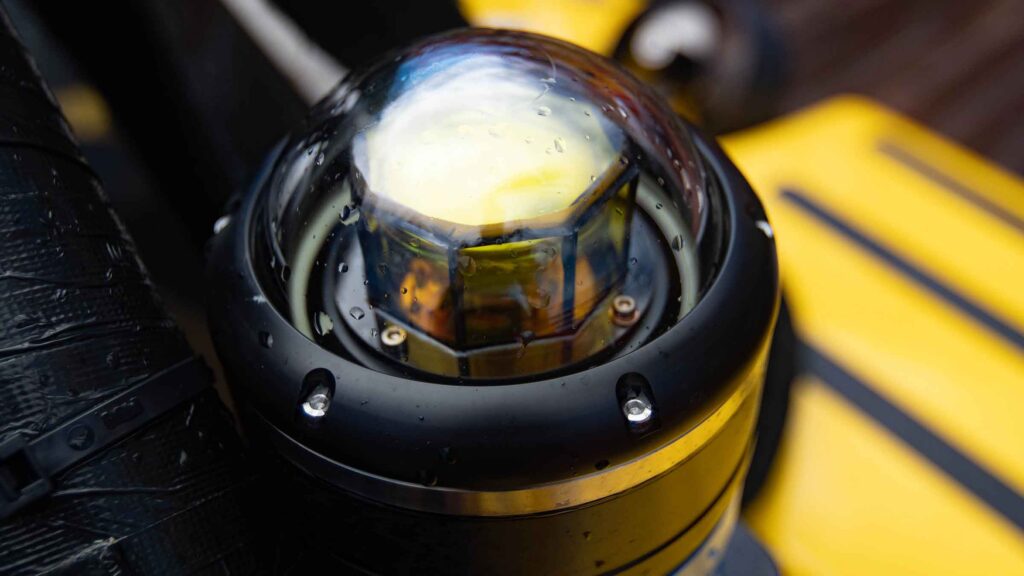
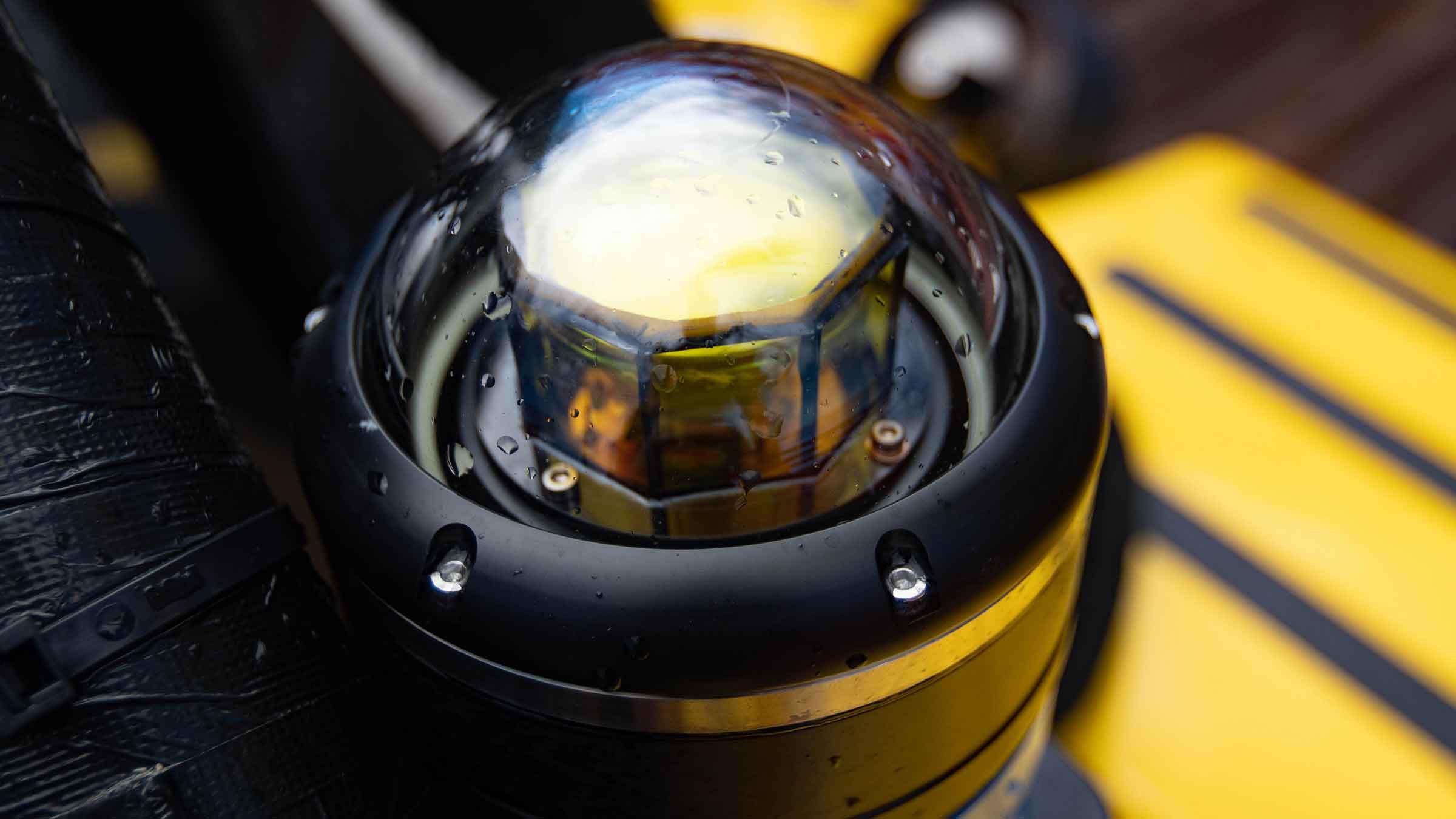
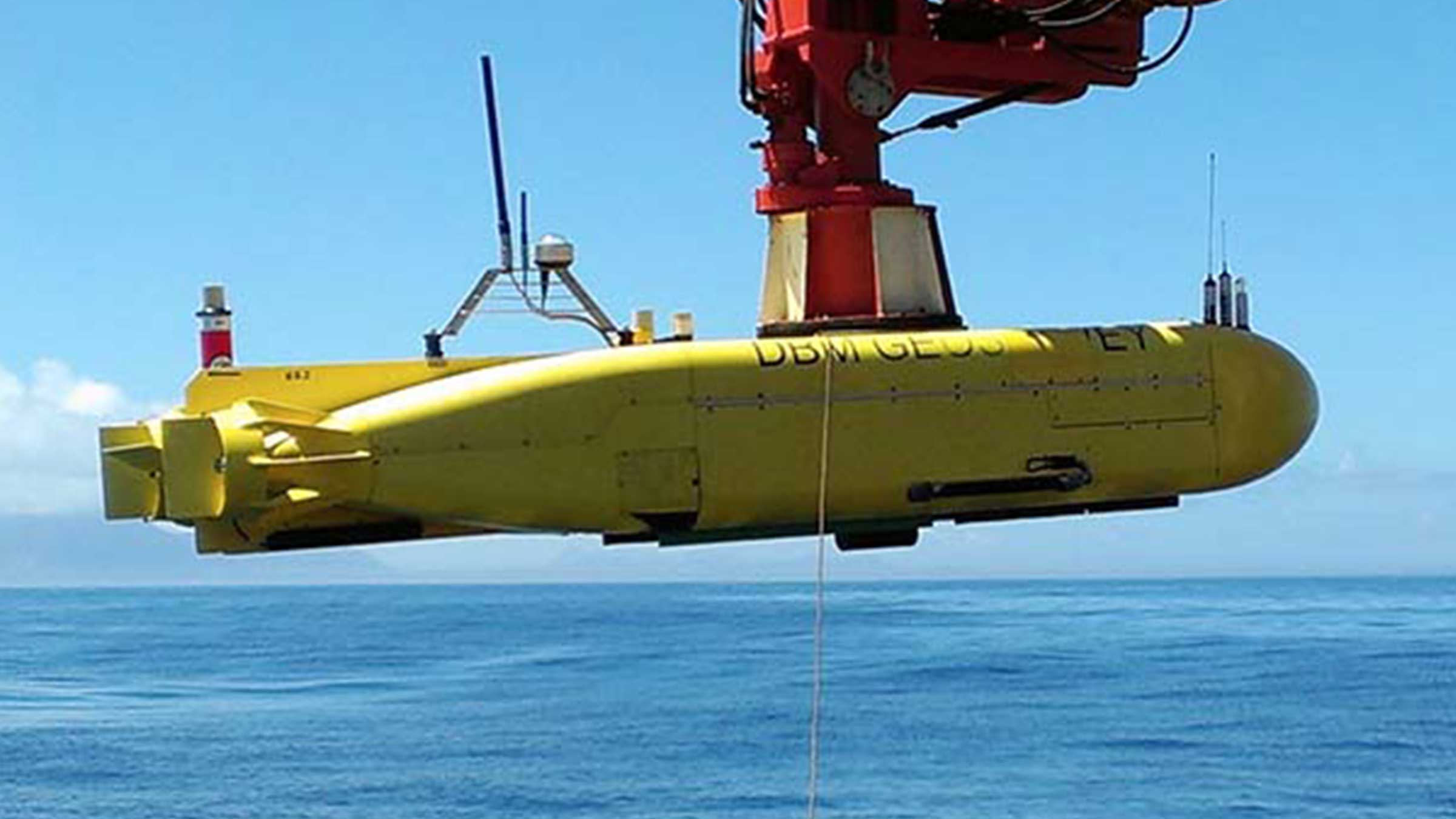
We’ve engineered BlueComm 200 UV to push the boundaries of your underwater communication. Using advanced LED technology and sensitive photomultiplier tubes, you’ll achieve communication ranges up to 75 m. Its design houses the emitter separately from the receiver, ensuring optimal performance and reliability.

Fast and flexible – key features to power your mission

  • Lightning-fast data transfer: 2.5 to 10 Mbps at ranges up to 75 m
  • Optimal performance: Perfect for moderate to low turbidity dark water (>200 m depth or at night)
  • Flexible deployment: Connect with your AUV, ROV, USV or surface dunker system
  • Deep-rated capability: Ready for operations up to 4,000 m
  • Speed of light technology: Experience unprecedented data transmission rates

Perfect for your platform

Perfect for your:

  • Autonomous Underwater Vehicles
  • Extra-large uncrewed underwater vehicles (XLUUV)
  • Uncrewed Surface Vehicles
  • Remotely Operated Vehicles
  • Tracking and communications systems

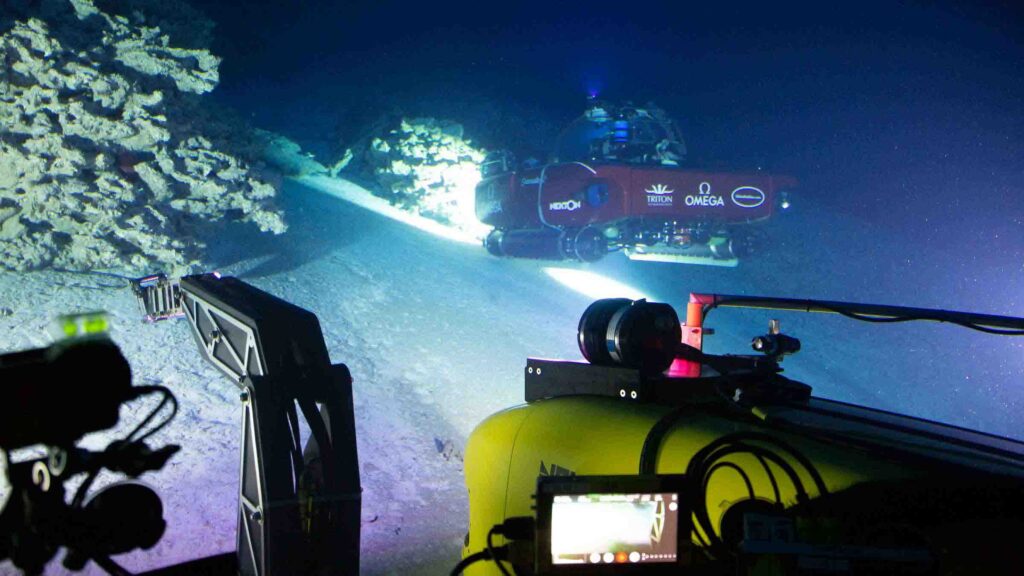
Working with lights on? BlueComm 200 UV maintains reliable communication even with artificial lighting present. Operating at ranges up to 75 metres, it’s your go-to solution for ROV and AUV applications requiring illumination, such as video recording missions.

Both systems offer incredible energy efficiency – transfer more than nine gigabytes of data using just one Lithium D cell battery.

Specifications table

Feature Type 8361 BlueComm 200 UV
Depth rating Up to 4,000 m operation
Data rate 2.5–10 Mbps
Optical communication range Up to 75 m
Mechanical construction Anodised aluminium or titanium
Supply voltage 24–36 V dc
Communications interface 10/100 Base-T Ethernet (static IP address)
Command interface Graphical user interface or Ethernet UDP command set
Receiver unit
Receive wavelength UV (band pass filter blocking visible light)
Receive angle 180° (omni-directional)
Receiver weight in air/water 7.3/3.1 kg
Power consumption 10 W
Emitter unit
Optical transmit power 6 W (radiated light)
Optical wavelength options 405 nm (ultra violet)
Emitter beam shape 180° (omni-directional)
Emitter weight in air/water 3.6/2.6 kg
Power consumption 30 W (bandwidth allocation dependant)
Environmental and dimensions
Operating temperature range -5 to 40°C
Storage temperature -20 to 55°C
Dimensions (length x diameter) Receiver 384 x 136 mm
Emitter 199 x 136 mm


Manuals and quick start guides

Optics

• 405 nm (UV) optical wavelength
• 180° (omni-directional) beam pattern
• 10 W / 15 W receiver / transmitter optical transmit power

Design

• Titanium and glass construction
• Subconn connectors
• 5.7 kg weight in water, emitter and receiver

Performance

• 2.5 – 10 Mbps data rate
• 4000 m depth rating
• Up to 75 m optical communication range

Ownership

What’s in the box?
• Manual, 2 test cables and 2 sets of one emitter and receiver
• Warranty: 1 year return to Sonardyne service centre
• ITAR controlled: No
• UK export licence: Not required

Enabling complex offshore robotics from a next gen USV

Uncrewed surface vessels are cutting cost, emissions and risk in marine operations, but many remain limited in capability. ACUA Ocean is pushing those boundaries with its PIONEER USV, built to perform in tougher environments. Recent trials showed how PIONEER extends operations below the surface, seamlessly linking surface and subsea domains through Sonardyne’s underwater positioning and communications technology.

The challenge

Offshore inspection, monitoring and survey work has long relied on large, crewed vessels, which come with high operating costs, significant carbon emissions and the inherent risk humans face in marine environments.

ACUA Ocean want to challenge the status quo and deliver subsea operations more safely, sustainably and at lower cost, using their PIONEER uncrewed surface vessel (USV).

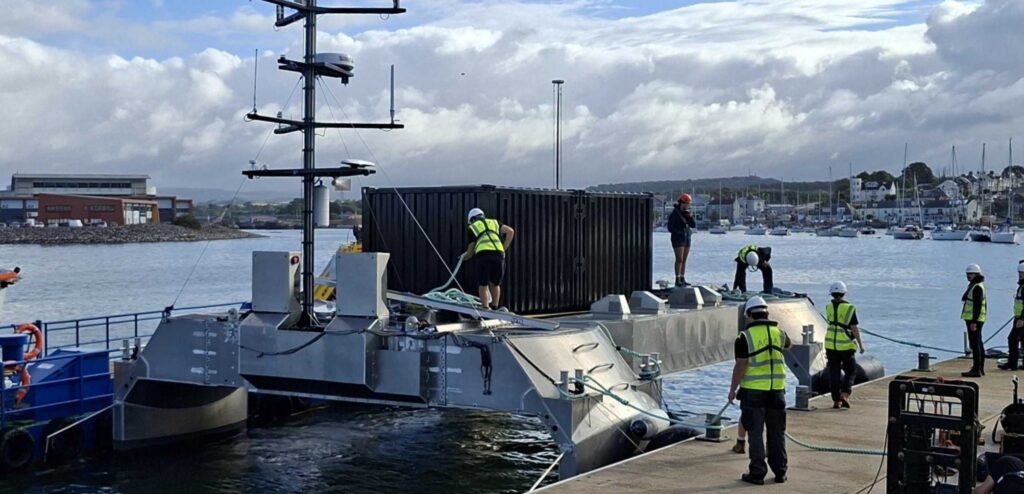
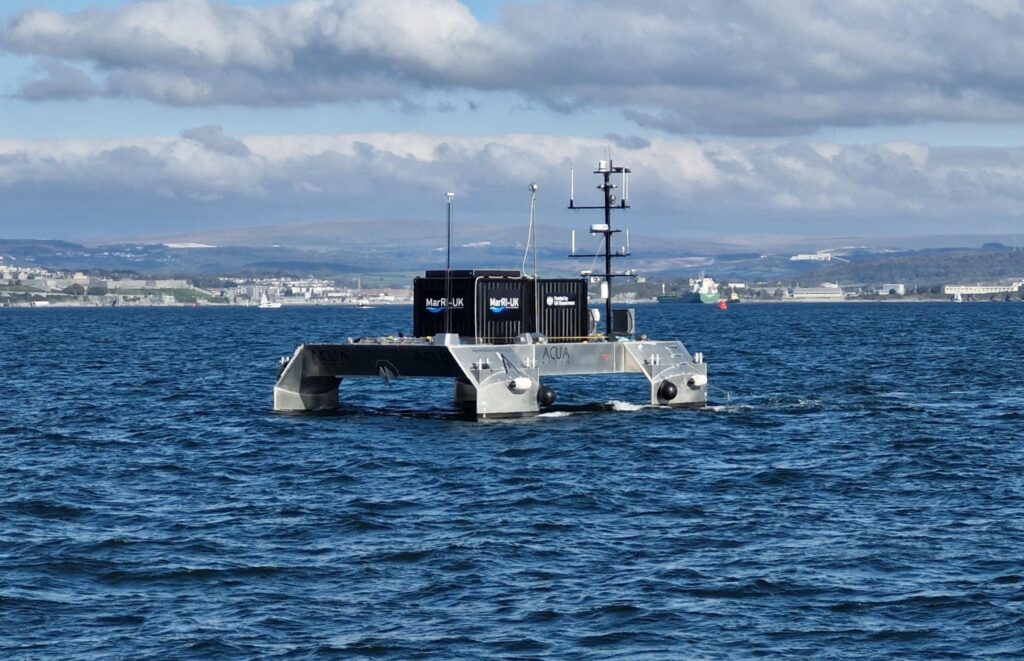
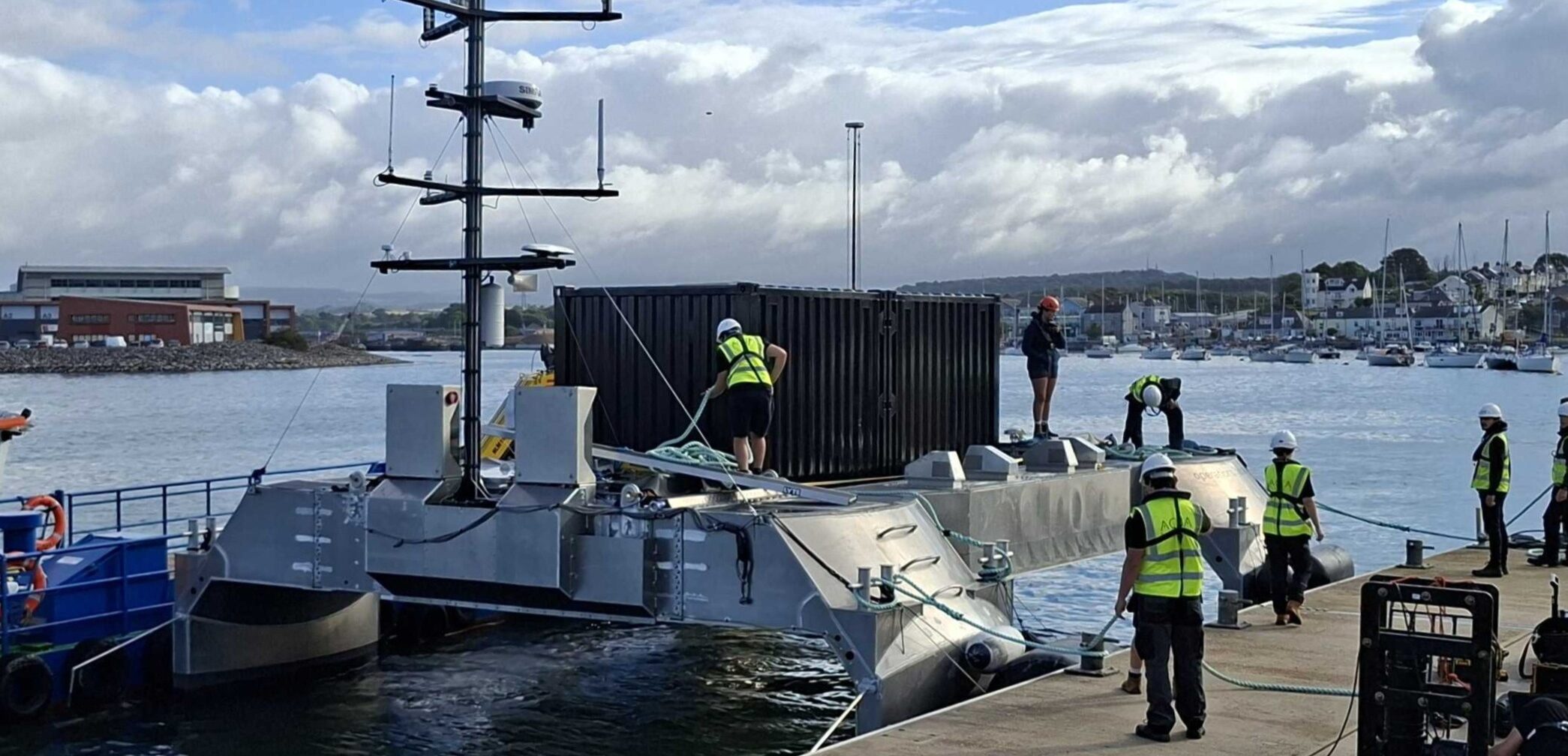
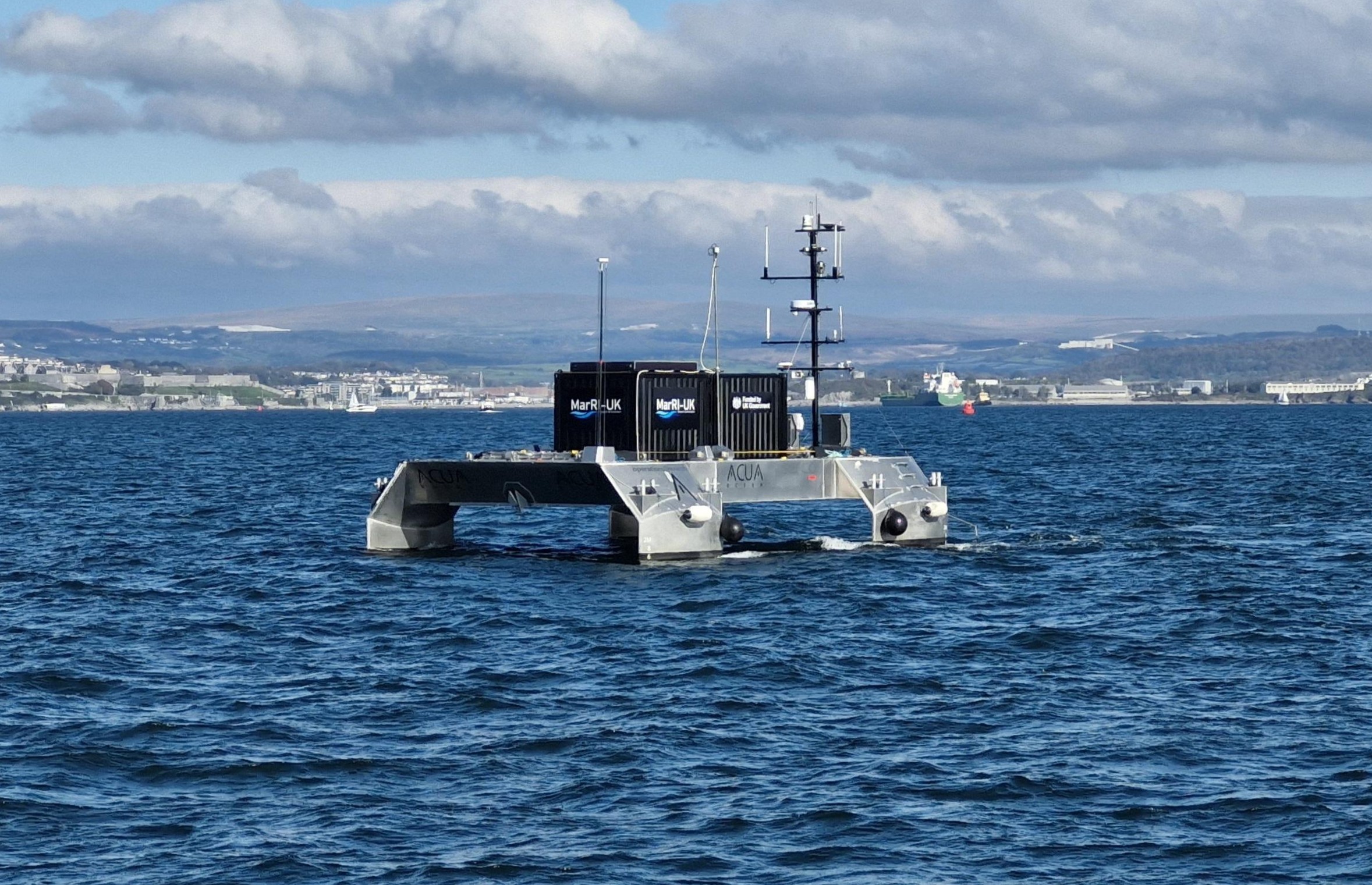
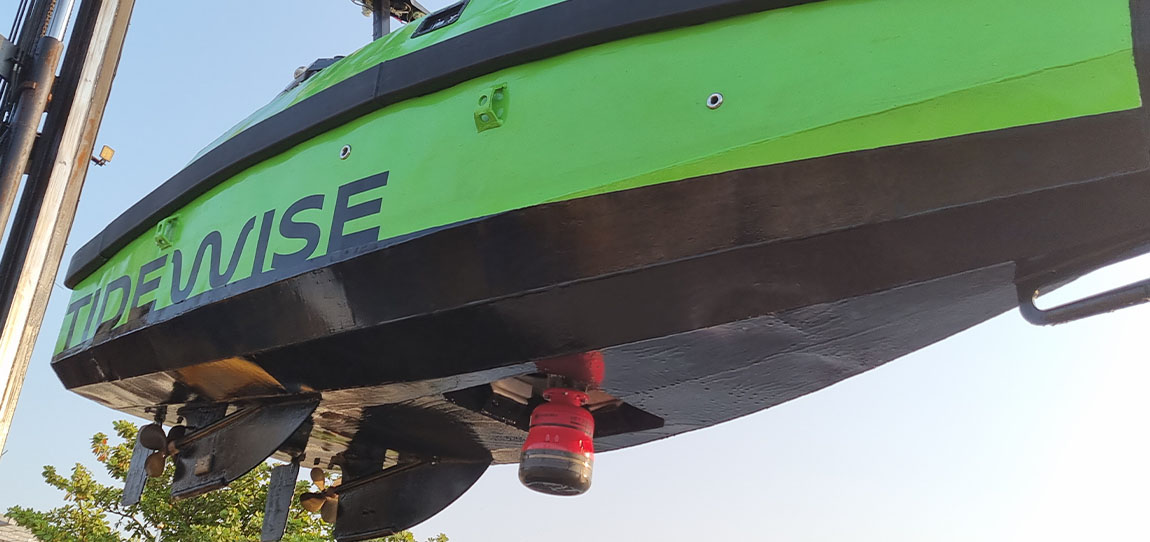
Developed in Plymouth, PIONEER is a 14-m-long, 25-tonne vessel which uses a small waterplane area twin hull (SWATH) design, providing high stability and allowing operations in up to Sea State 6—conditions that typically restrict smaller vessels and many USVs. .

It also has a hybrid power chain, providing robust operation with long endurance, including the ability to spend 50 days at sea.

ACUA Ocean says these features allow 30% greater operational availability than a traditional 40 m crewed vessel, while reducing emissions by 95% compared with traditional vessels, and removing personnel from harm’s way. It’s also already Maritime and Coastguard Agency (MCA) Workboat Code 3 and hydrogen certified.


ACUA Ocean's PIONEER USV.
ACUA Ocean's PIONEER USV at sea near a coastline.
ACUA Ocean's PIONEER USV.
ACUA Ocean's PIONEER USV at sea near a coastline.

However, ACUA Ocean’s ambition goes beyond surface operations. The company’s strategy is built around a “nested robotics” model. Its moonpool has been designed to be configured for up to 7-tonne payloads, providing high configurability, including remotely operated vehicle (ROV) and autonomous underwater vehicle (AUV) deployments. It’s a “Swiss Army Knife model,” says ACUA Ocean Chairperson Dr Peter Collinson!

PIONEER will act as a mobile offshore hub—launching, tracking and piloting ROVs, AUVs and other subsea sensor packages; operations that would historically require larger crewed ships.

To realise their goals, ACUA Ocean came to us for:


  • Accurate, survey-grade positioning and tracking of tethered and untethered subsea systems
  • Reliable subsea communications to support remote, over-the-horizon operations
  • High data quality while operating in higher sea states
  • Seamless integration with industry-standard subsea assets already used by customers
  • The ability to operate all systems remotely, consistent with a beyond visual line of sight (BVLOS), uncrewed vessel model
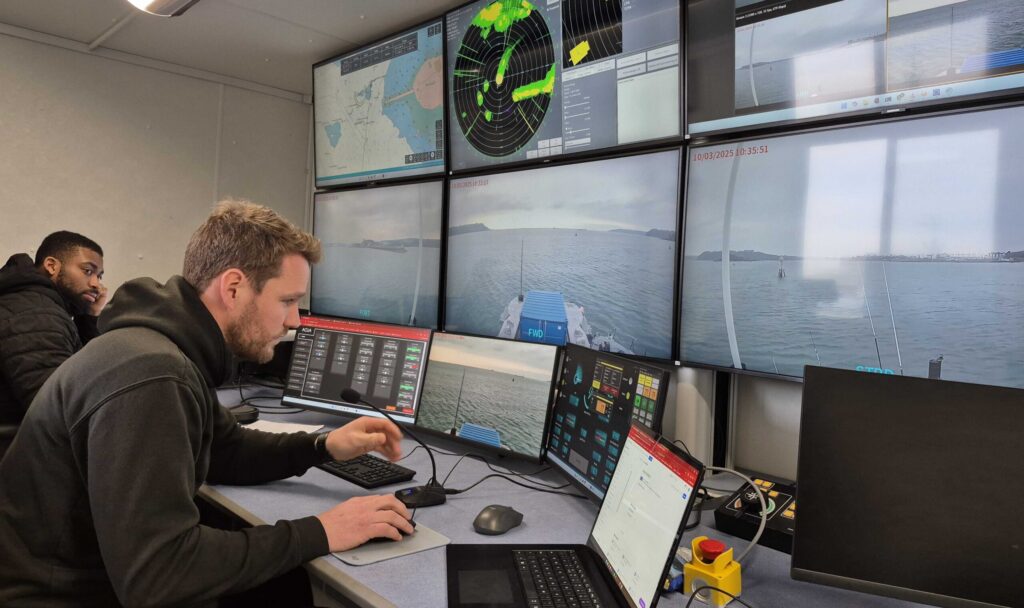
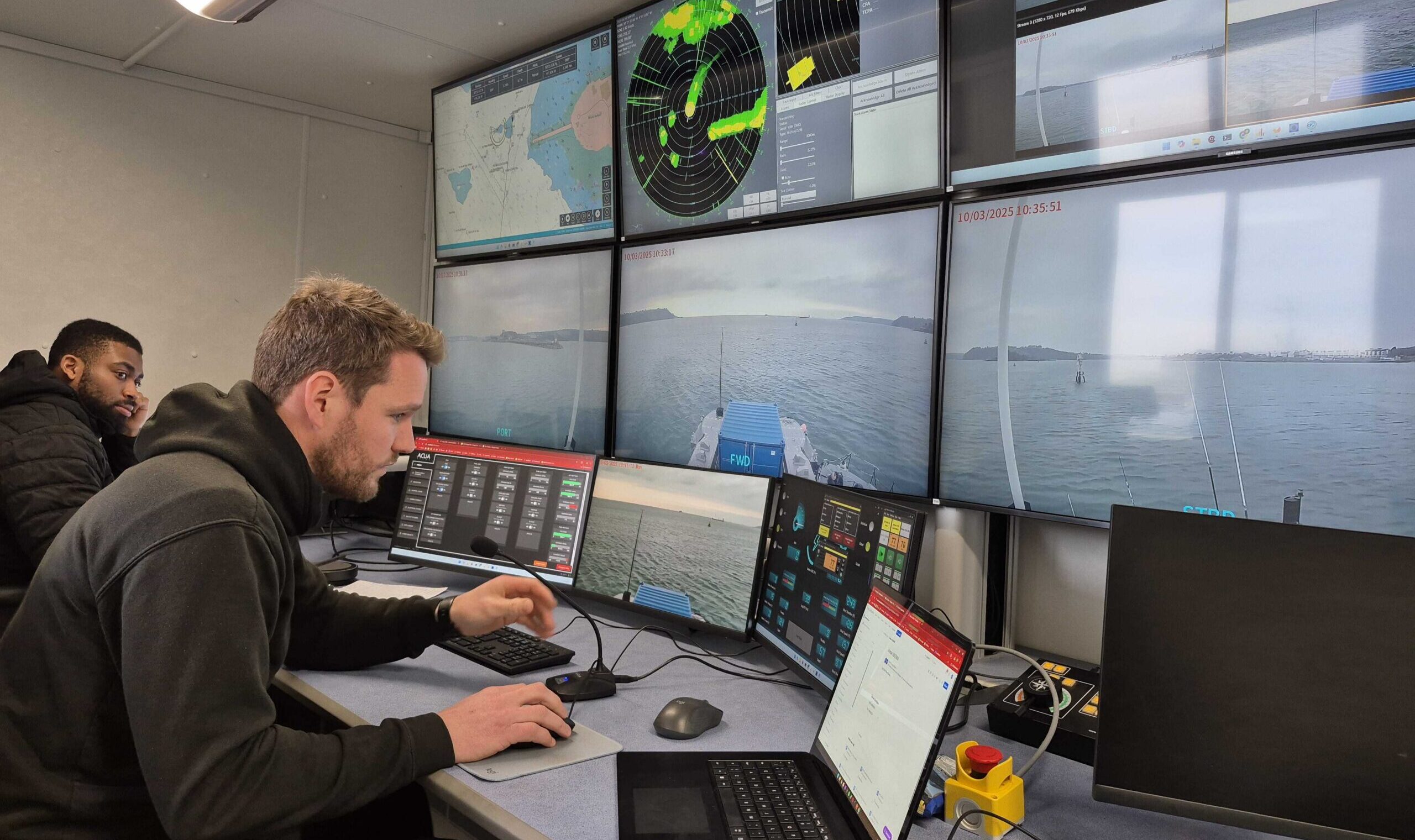
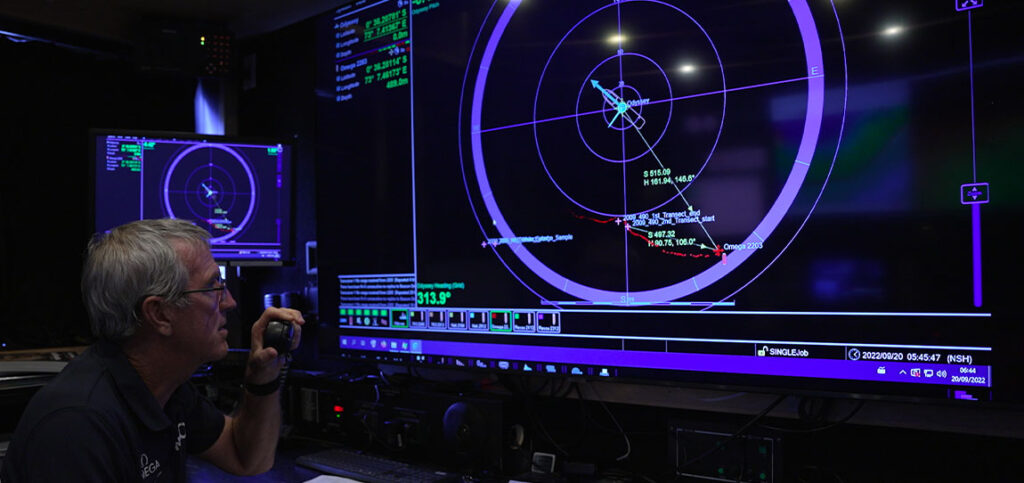
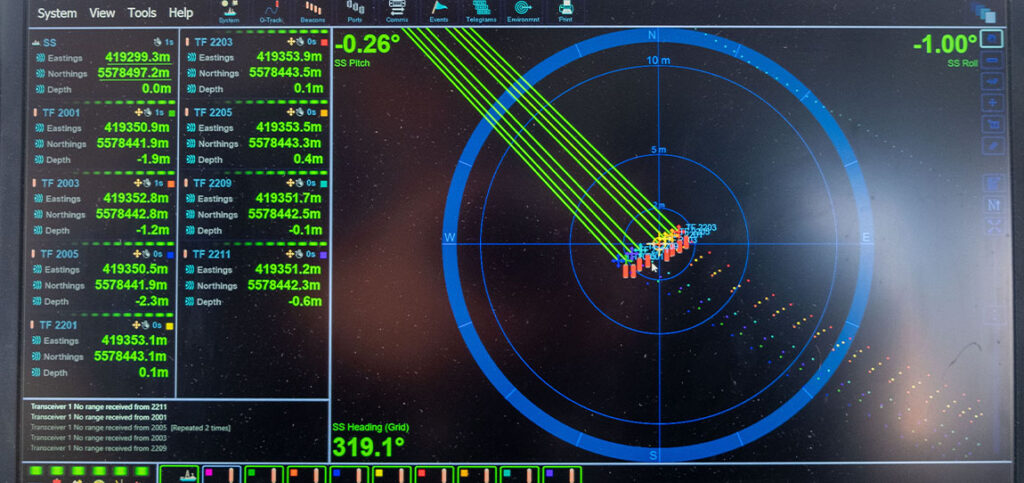
A bank of screens with a person working on a laptop.

The solution

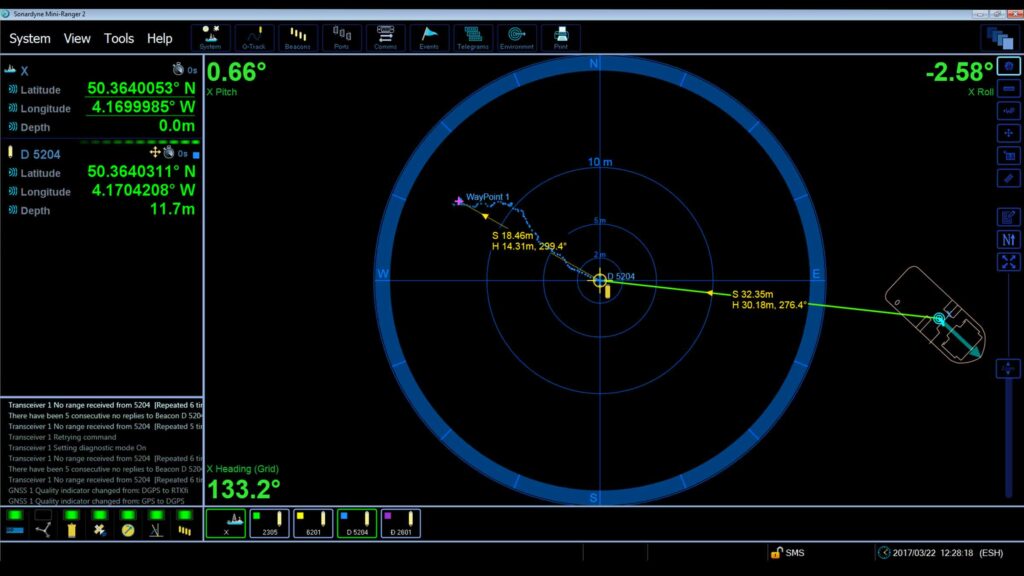
To bridge the gap between surface autonomy and subsea operations, ACUA Ocean chose to integrate our Mini-Ranger 2 Ultra-Short Baseline (USBL) positioning and communications system onto PIONEER.

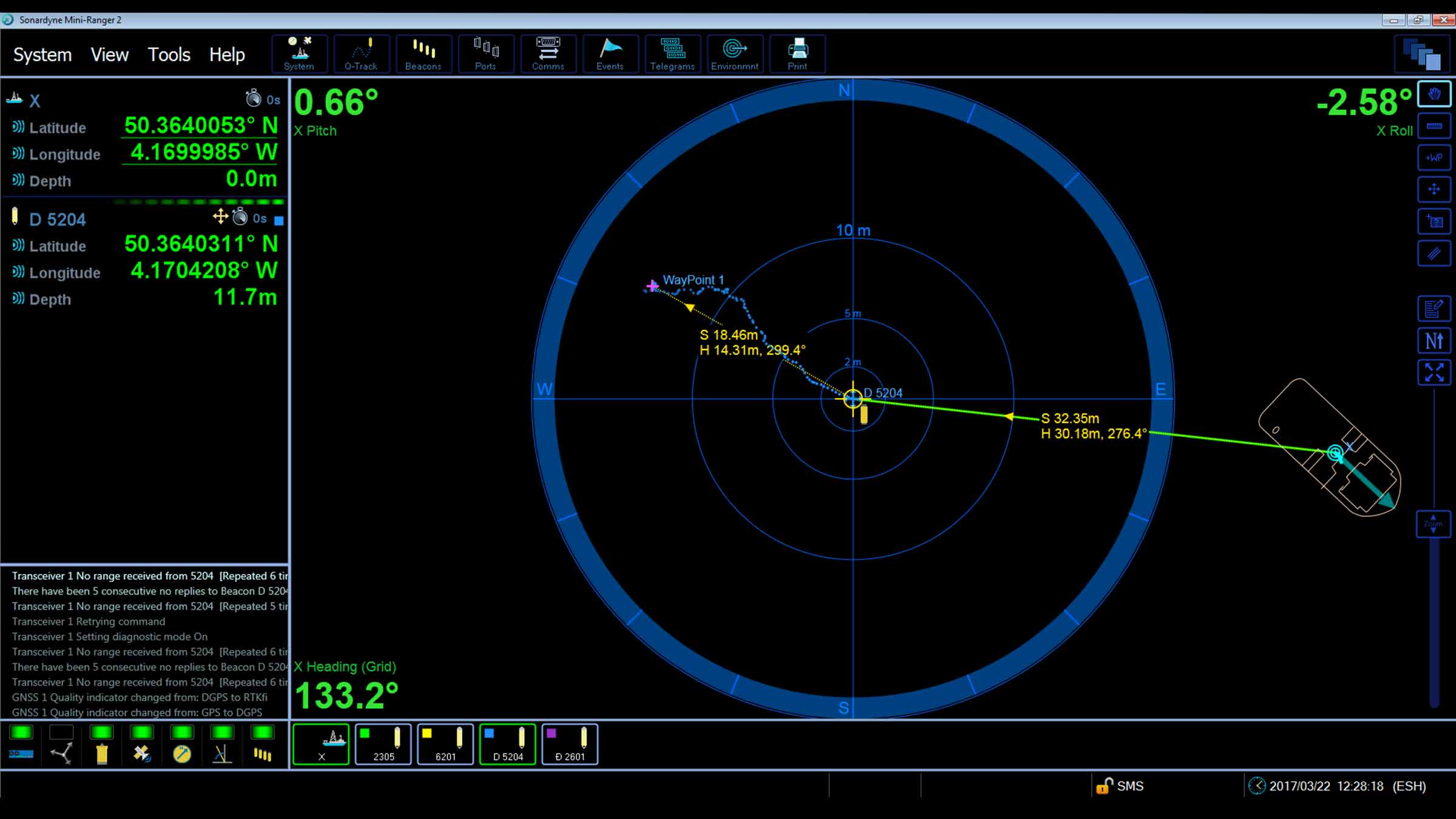
Mini-Ranger 2 is our survey-grade USBL system for tracking, positioning and communicating with subsea assets in coastal and shallow to mid-depth waters. It supports divers and marine robotics operations, with optional command-and-control for multi-vehicle fleets.

During integration trials in Plymouth, ACUA Ocean wanted to prove tracking accuracy, but also demonstrate PIONEER’s ability to function as a remote subsea command hub—deploying sensors, communicating with them and managing operations entirely from shore.

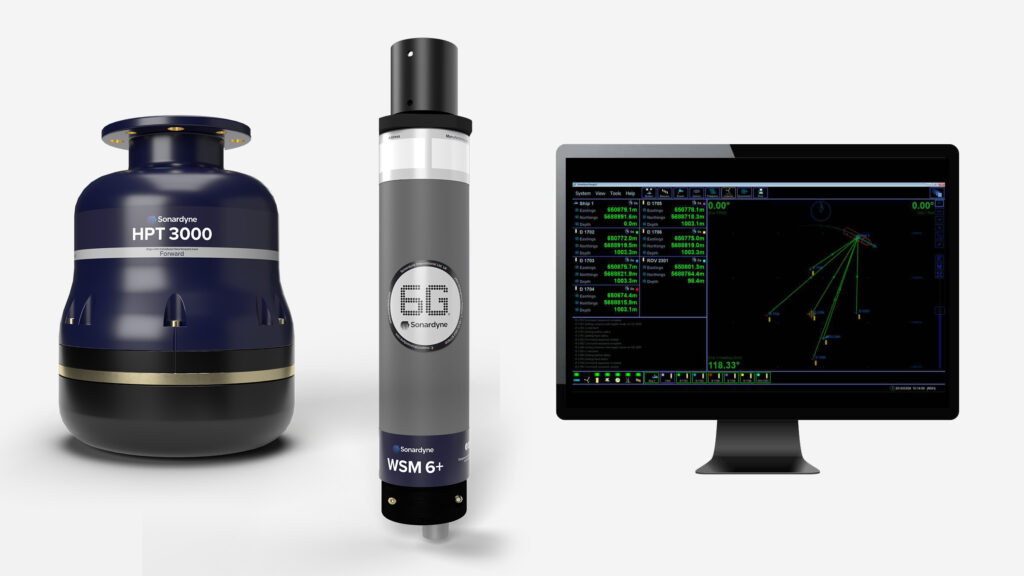
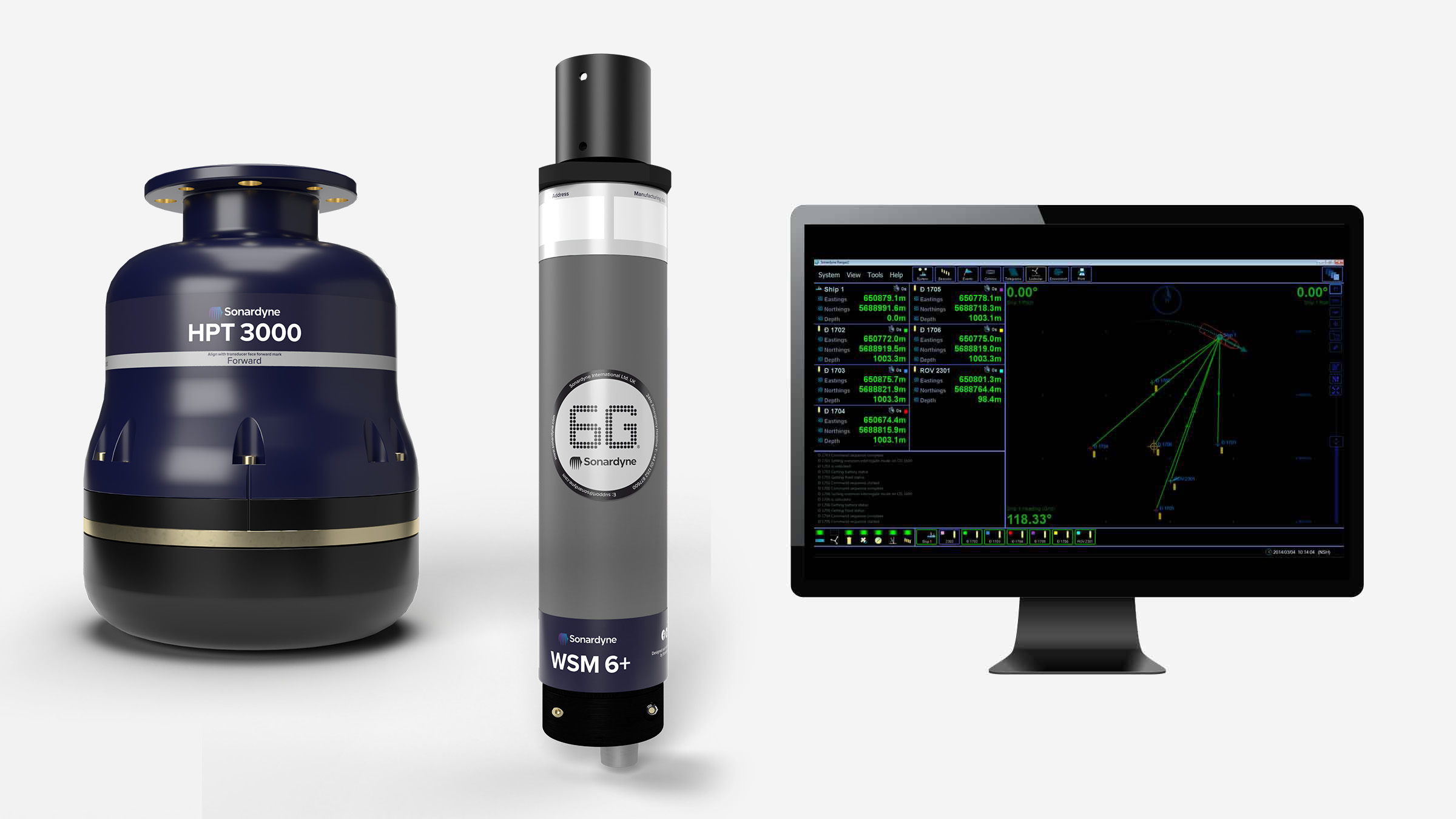
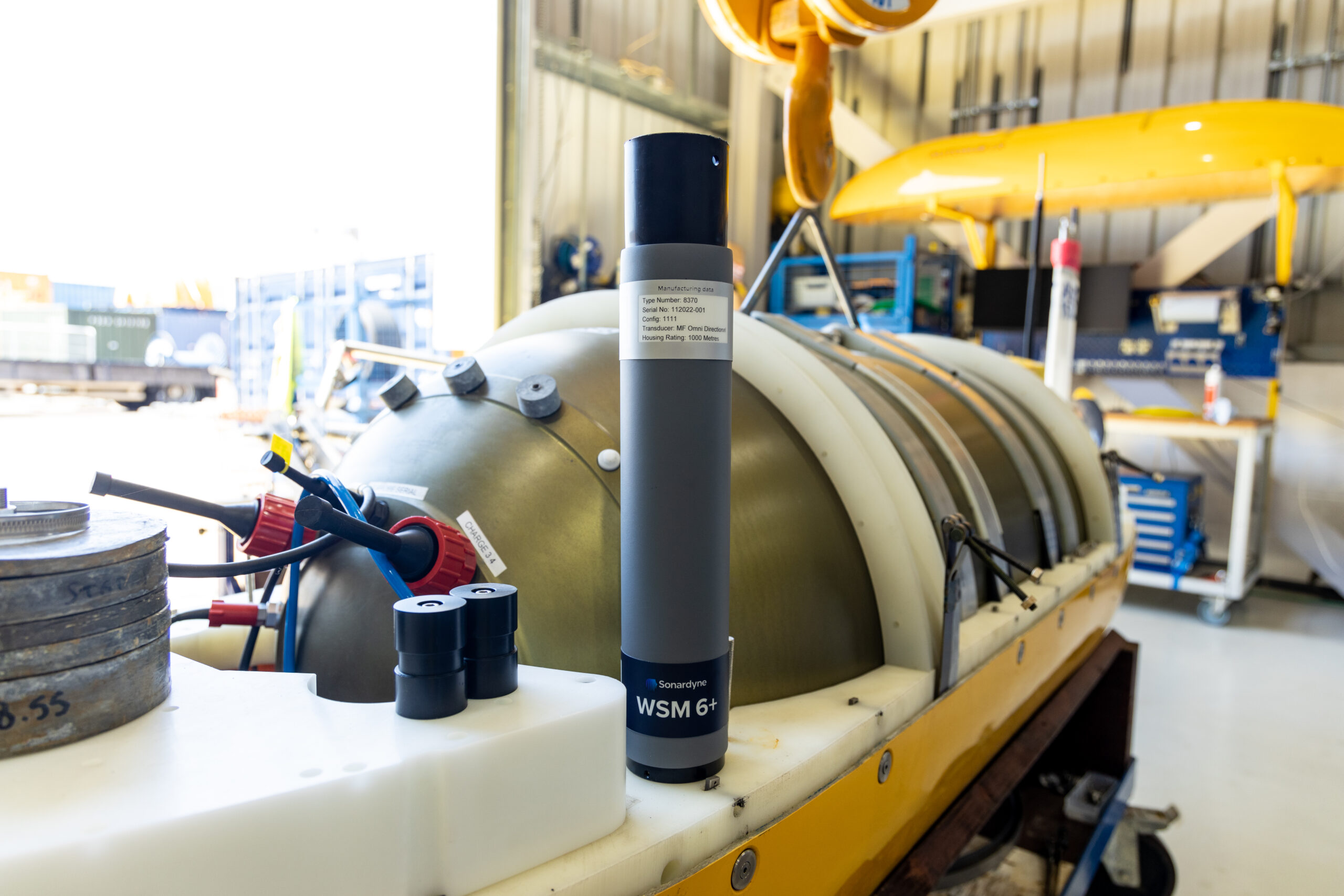
Mini-Ranger 2 was integrated with the vessel, using an HPT 3000 transceiver mounted on a temporary pole and an offboard WSM 6+ to validate end-to-end functionality.

The system was interfaced with PIONEER’s onboard power and network infrastructure and accessed remotely via a wide area network (WAN) and VPN connection.

The results

The trials demonstrated PIONEER’s ability to act as a subsea gateway, using our survey-grade acoustic systems.

This included successful remote operation of subsea positioning and communications over a WAN connection, tracking and communication with in-water assets at sea, data harvesting capability and interaction with subsea nodes, and technical readiness for ROV and AUV operations from PIONEER.

This included:

  • Remote operability: Operators were able to access, configure and control the system from an onshore remote operations centre, without physical intervention onboard.
  • Integration simplicity: Power provision for guest equipment, data connectivity and physical installation were straightforward, supporting the vessel’s modular payload philosophy.
  • Data quality: Survey-grade positioning ensured that increased availability and rough-weather capability did not come at the expense of data accuracy or processing time.
  • Interoperability: The system aligned with subsea technologies already widely deployed across commercial and defence markets, reducing risk for future customers.

“Through these trials, we successfully proved end-to-end functionality remotely over a WAN, establishing reliable communication between the HPT and subsea transponders both alongside and at sea using Mini-Ranger 2,” says James Cowles, Business Development Director at ACUA Ocean.

“The physical integration was remarkably simple, with the system’s intuitive UI and seamless VPN access allowing us to manage survey-grade technology over-the-horizon with zero issues on software or licensing.

“We were also exceptionally well-supported by Sonardyne’s local technical team here in Plymouth and these successful trials confirm our ability to host and manage survey-grade technology for complex, over-the-horizon missions.”

Proving the foundation for nested robotics at sea

“We’re happy to be supporting ACUA Ocean with our subsea positioning and communications technology to make their vision operational,” says Aidan Thorn, Business Development Manager – Robotics, at Sonardyne.

“With reliable, survey-grade tracking and acoustic communications, Mini-Ranger 2 is a key building block to making PIONEER a fully integrated subsea command and control hub. The flexibility of PIONEER’s deployment options, be they AUV, ROV, subsea glider or towed body fits well with our own philosophy with marine robotics to stay platform agnostic and work across the complete marine autonomous system.”

From enabling resilient positioning in GNSS-challenged environments to supporting multi-vehicle subsea operations, Mini-Ranger 2 provides the dependable subsea layer that underpins safe, scalable autonomy.

Together, ACUA Ocean and Sonardyne are demonstrating how proven subsea technology and innovative surface platforms can work in tandem—delivering cleaner, safer and more capable offshore operations from the surface down.

Jump to

Overview

Track anything, to any range

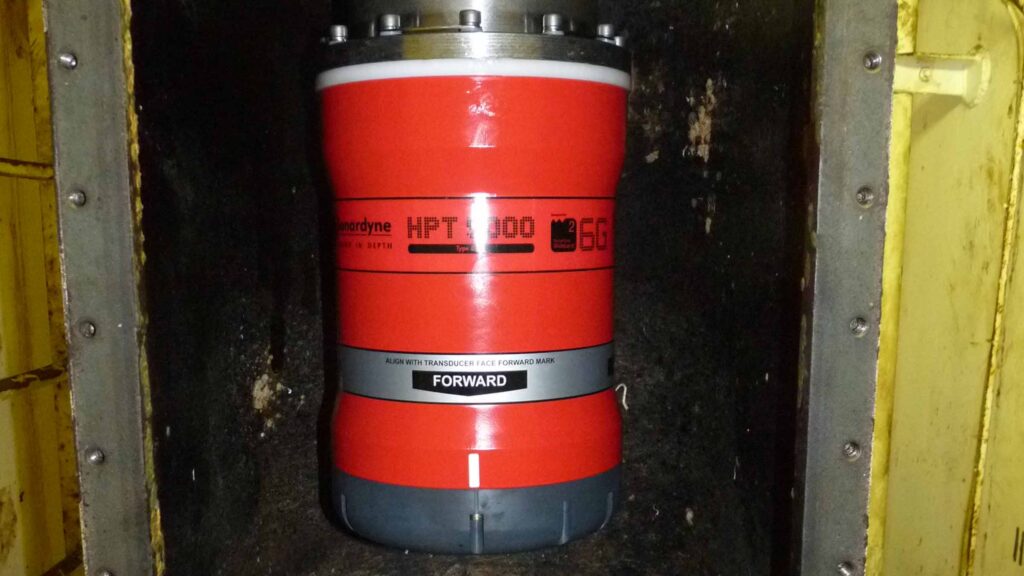
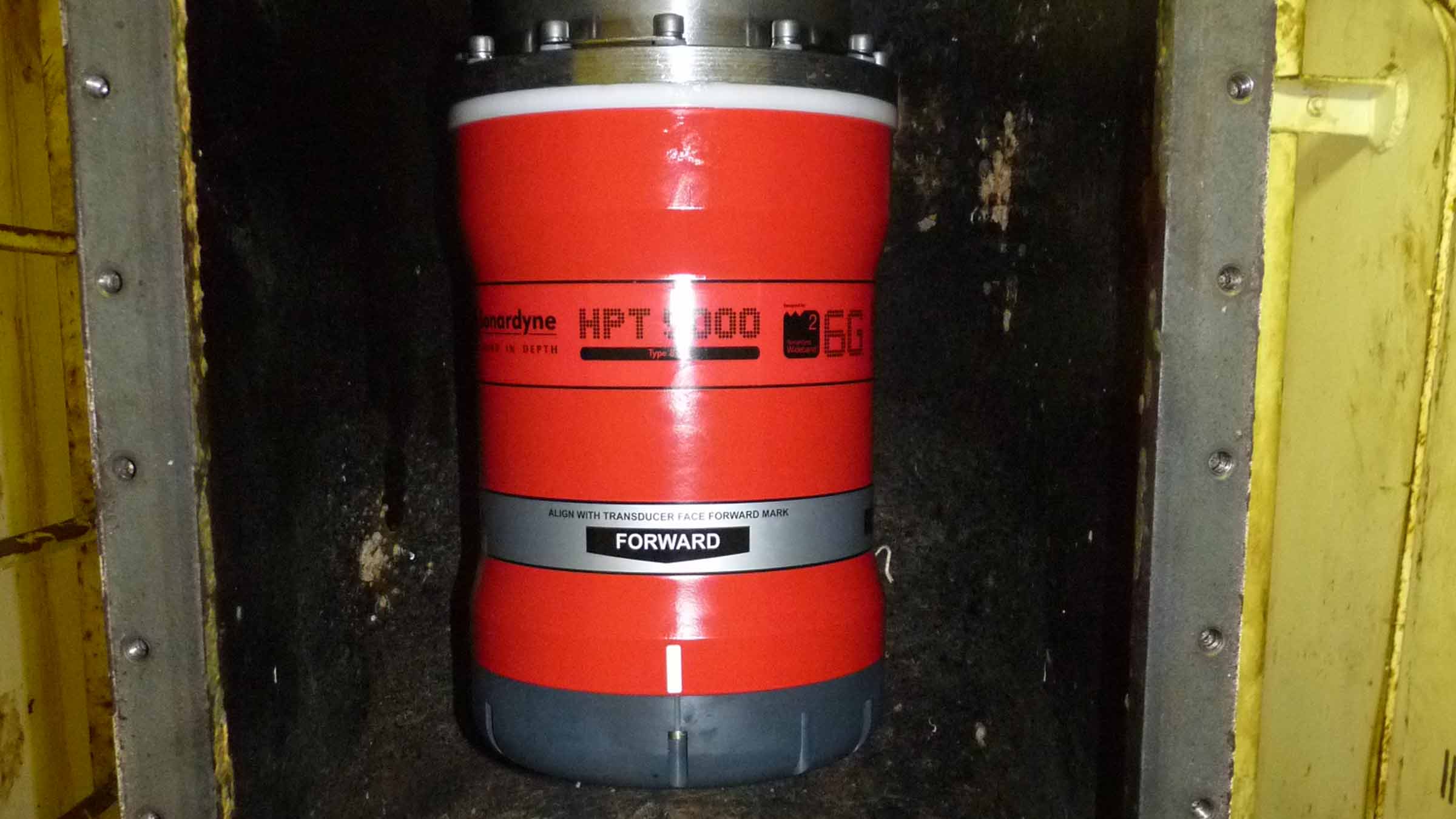
HPT 5000/7000s are acoustic and telemetry transceivers designed for use with Ranger 2 USBL and Marksman LUSBL systems. HPT 5000 enables targets to offer wide range of water depths to be tracked. HPT 7000 is optimised for noisy DP drilling and construction vessels and in deep water. Suitable for a wide range of applications from pipeline positioning and riser monitoring to subsea structure installation as well as tracking and communications.
Overview

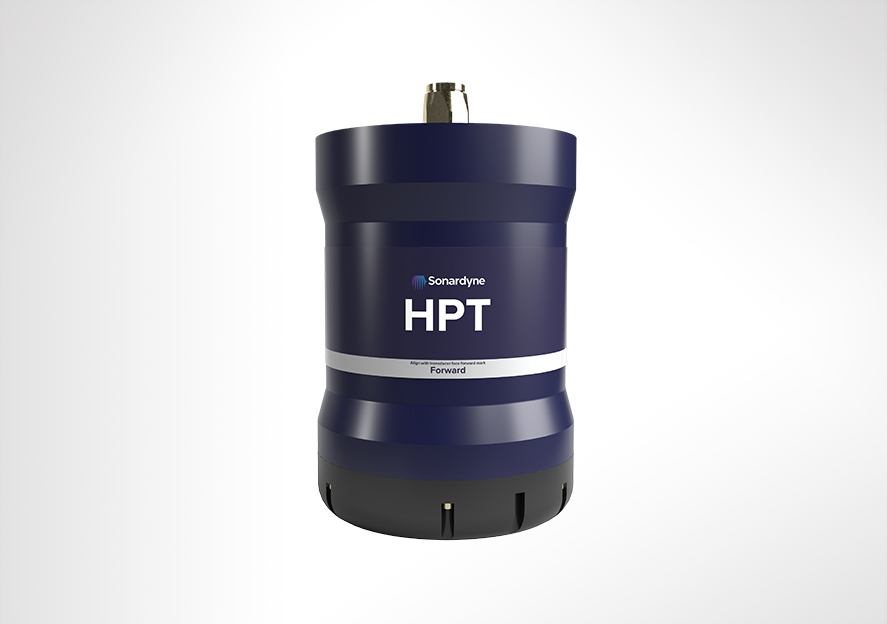
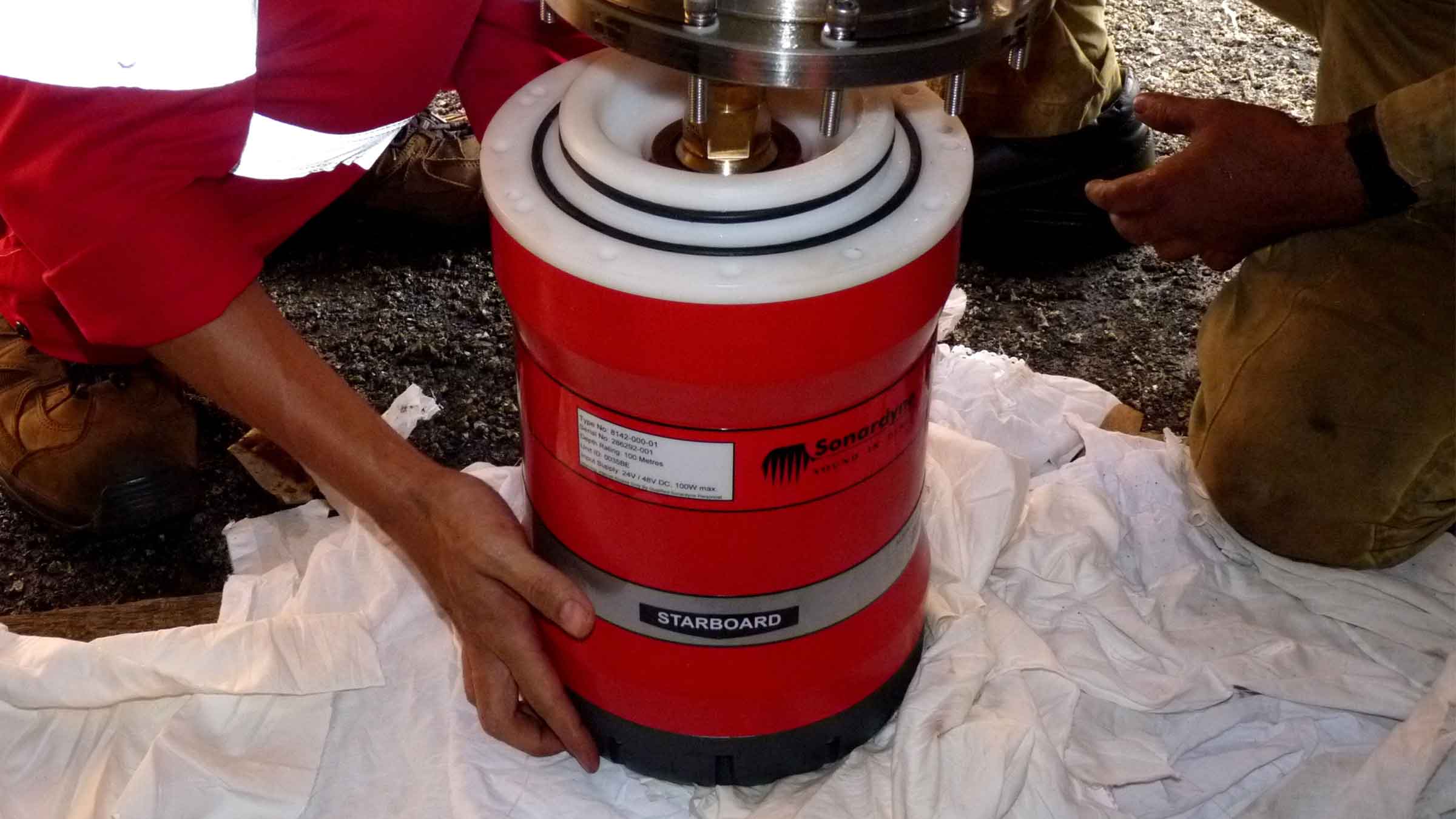
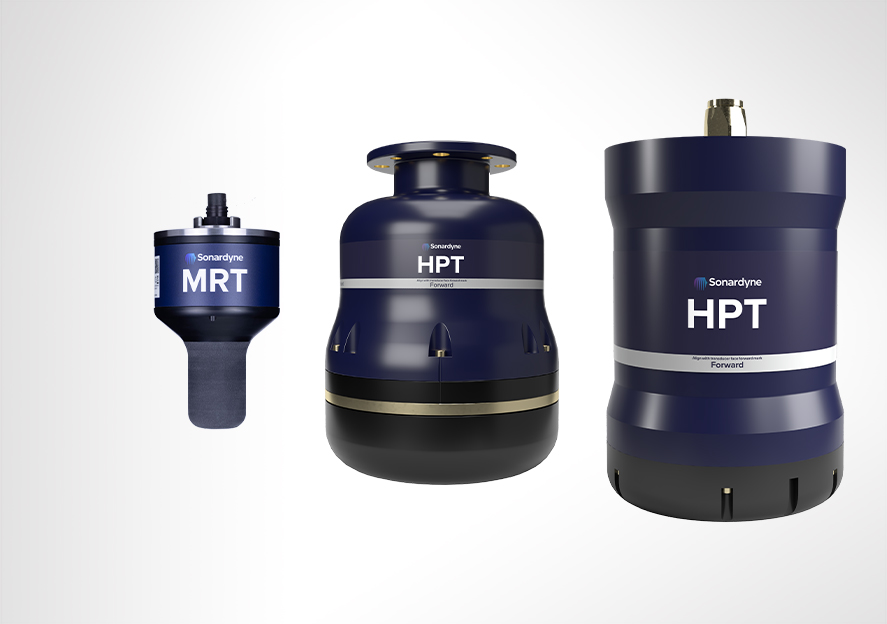
When it comes to USBL and LUSBL transceivers, one model does not fit all situations and vessels. For Ranger 2 and Marksman installations, our High Performance Transceiver (HPT) is available two primary configurations.

HPT 5000
HPT 5000 offers full hemispherical acoustic coverage so it’s a popular choice for tracking multiple targets  (ROVs, AUVs, towfish, seafloor sensors) over a wide range of depths and elevations. The unit is also suitable for dynamic positioning reference on survey, research and offshore support vessels.

HPT 7000
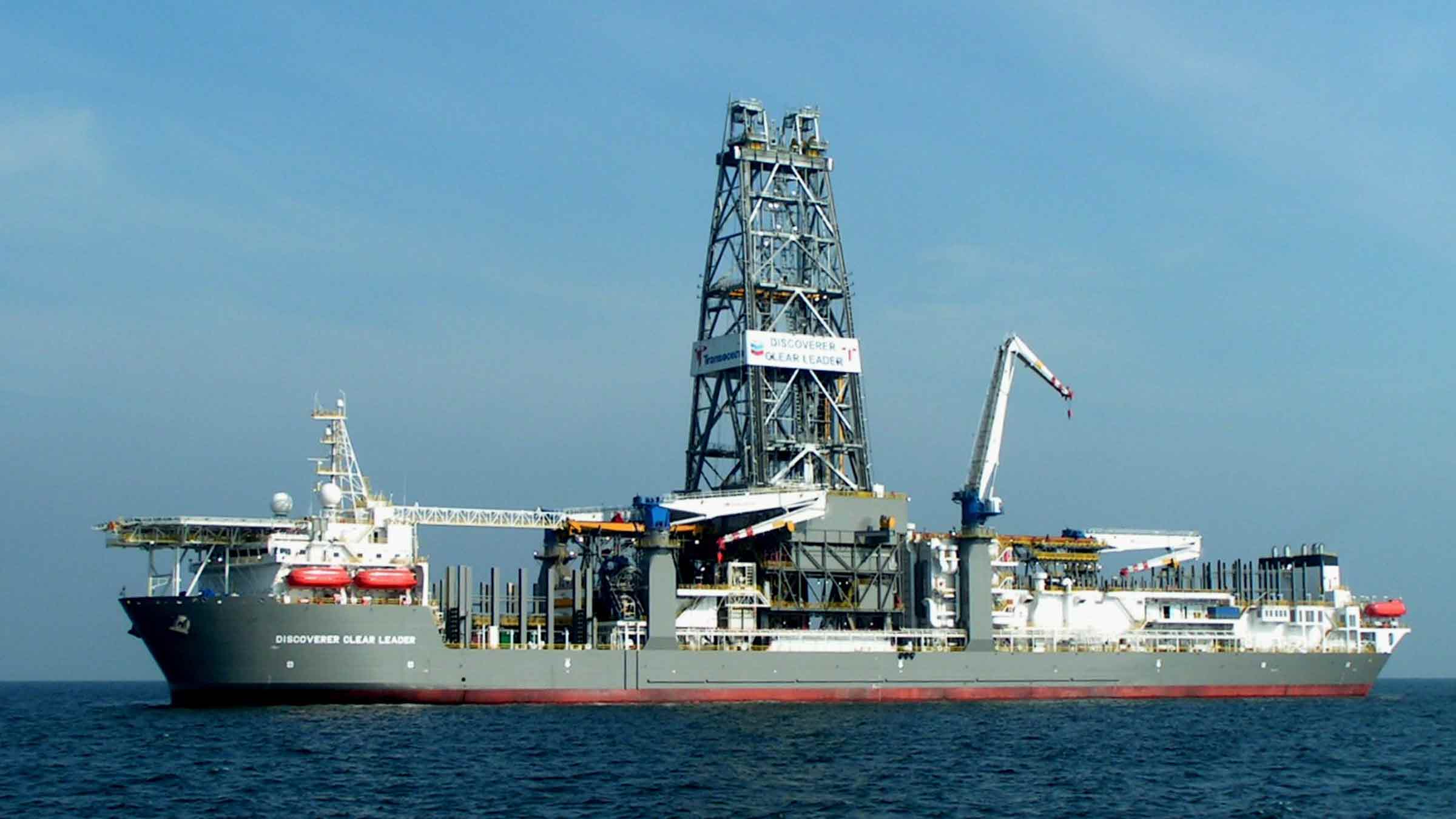
HPT 7000 is engineered for ultra-deepwater operations, tracking targets far below (rather than to the side) of a vessel, and also high vessel noise operating environments, as those typically encountered on DP drilling and construction where aeration from thrusters is liable to cause signal interference.

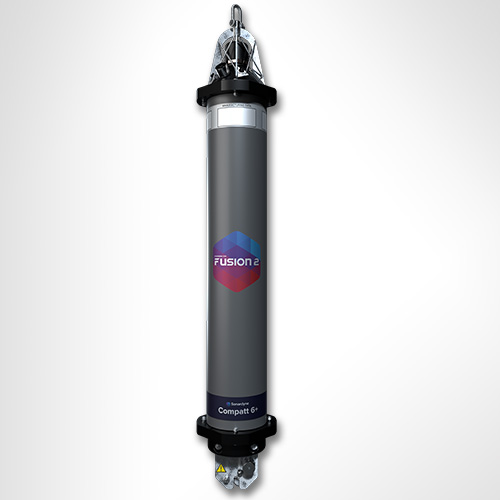
Both models of transceiver fully support 6G LBL operations using Fusion 2 LBL software. They are also highly capable acoustic communications modems, able to interrogate, command and recover data payloads from deployed Sonardyne instruments including AMTs and Fetch. Supporting telemetry rates of up to 9,000 bps minimises the time a vessel has to wait on location to recover data, as well as supporting LBL operations.

HPT 5000/7000s are also available in Gyro USBL configurations offering calibration-free installation and use.

At a glance

  • Use with Ranger 2 USBL and Marksman LUSBL systems
  • Can also be used to communicate and harvest data from Sonardyne sensors
  • Hemispherical (HPT 5000) or directional (HPT 7000) arrays to suit your vessel and application
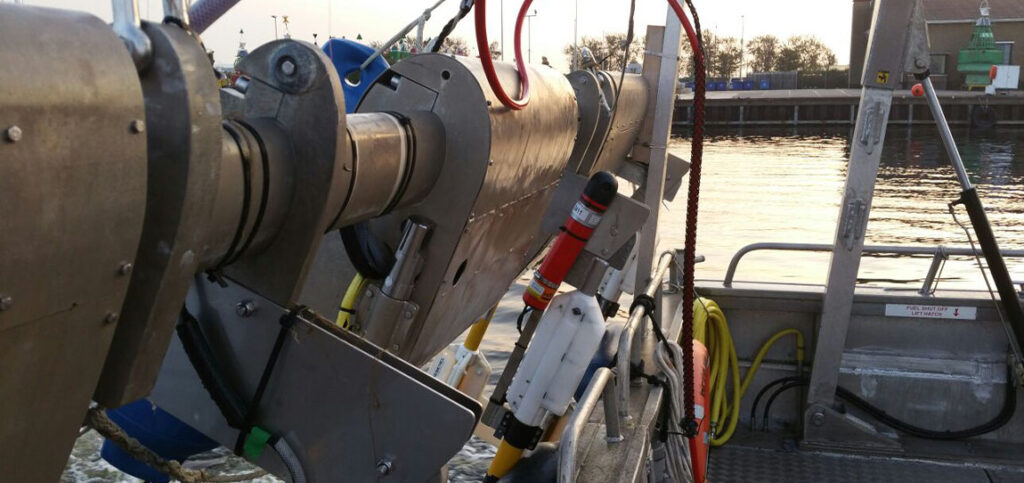
  • Can be deployed other-the-side, through-tube or through-hull
  • Suitable for new-build vessels or USBL/LUBL upgrade for your existing vessel

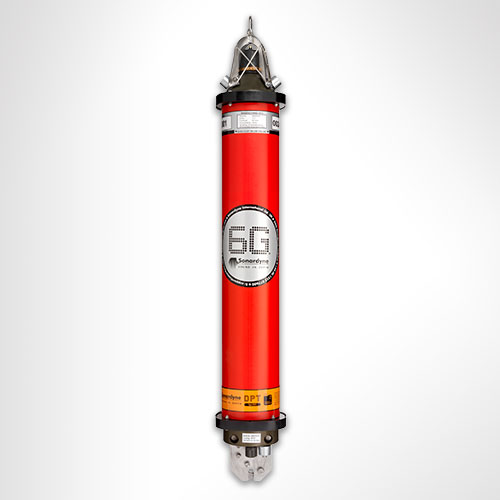
All HPTs are built on our 6G technology platform with multi-element processing to enable transponders to be positioned more precisely, more quickly and more robustly due to improvements in signal processing algorithms and array design.

Functionality such as ‘Discovery Mode’ enables vessels equipped with Ranger 2 and Marksman to enter an offshore area and automatically detect previously deployed transponders (including their configured address and channel), making simultaneous operations using shared seabed arrays possible.

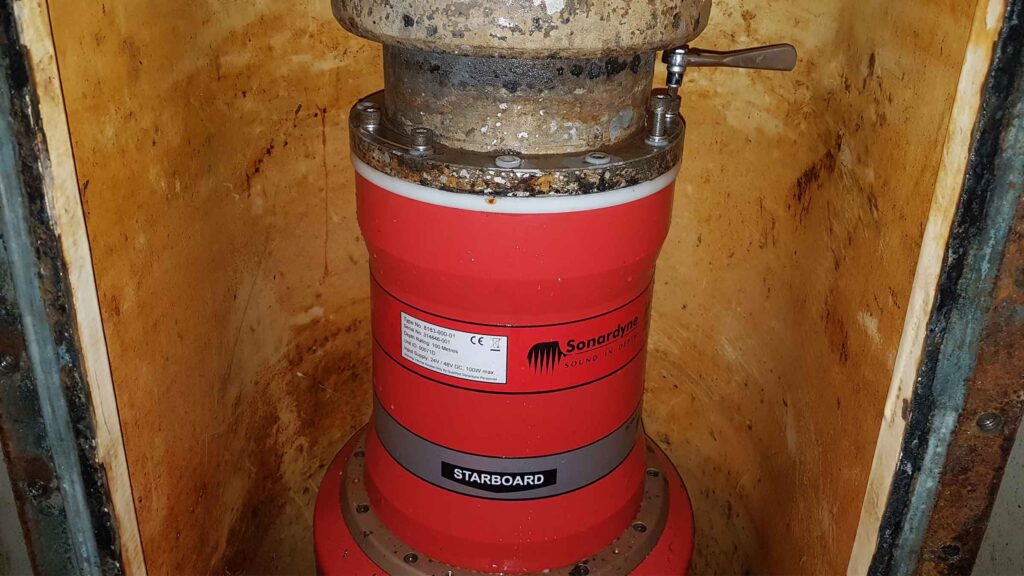
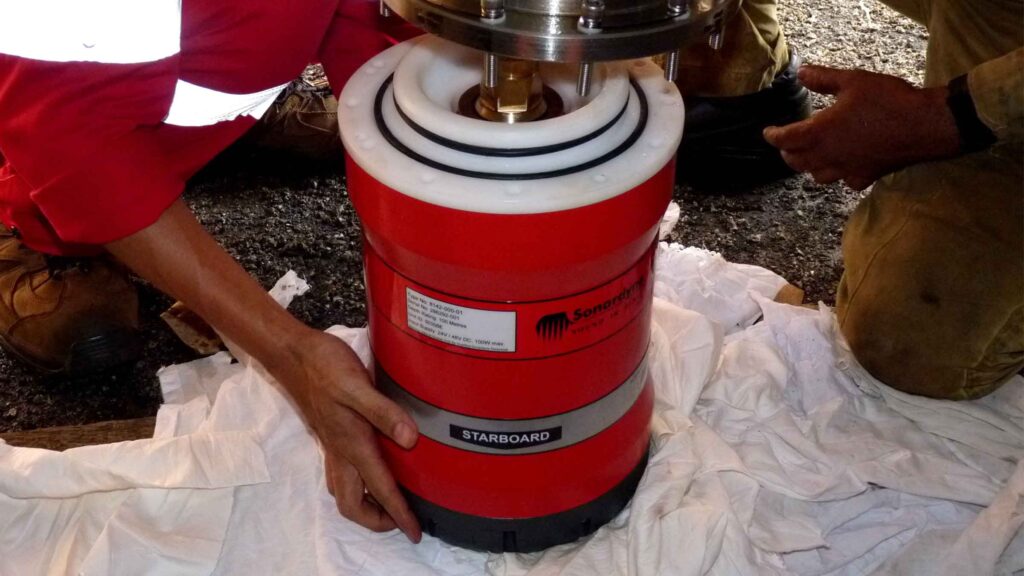
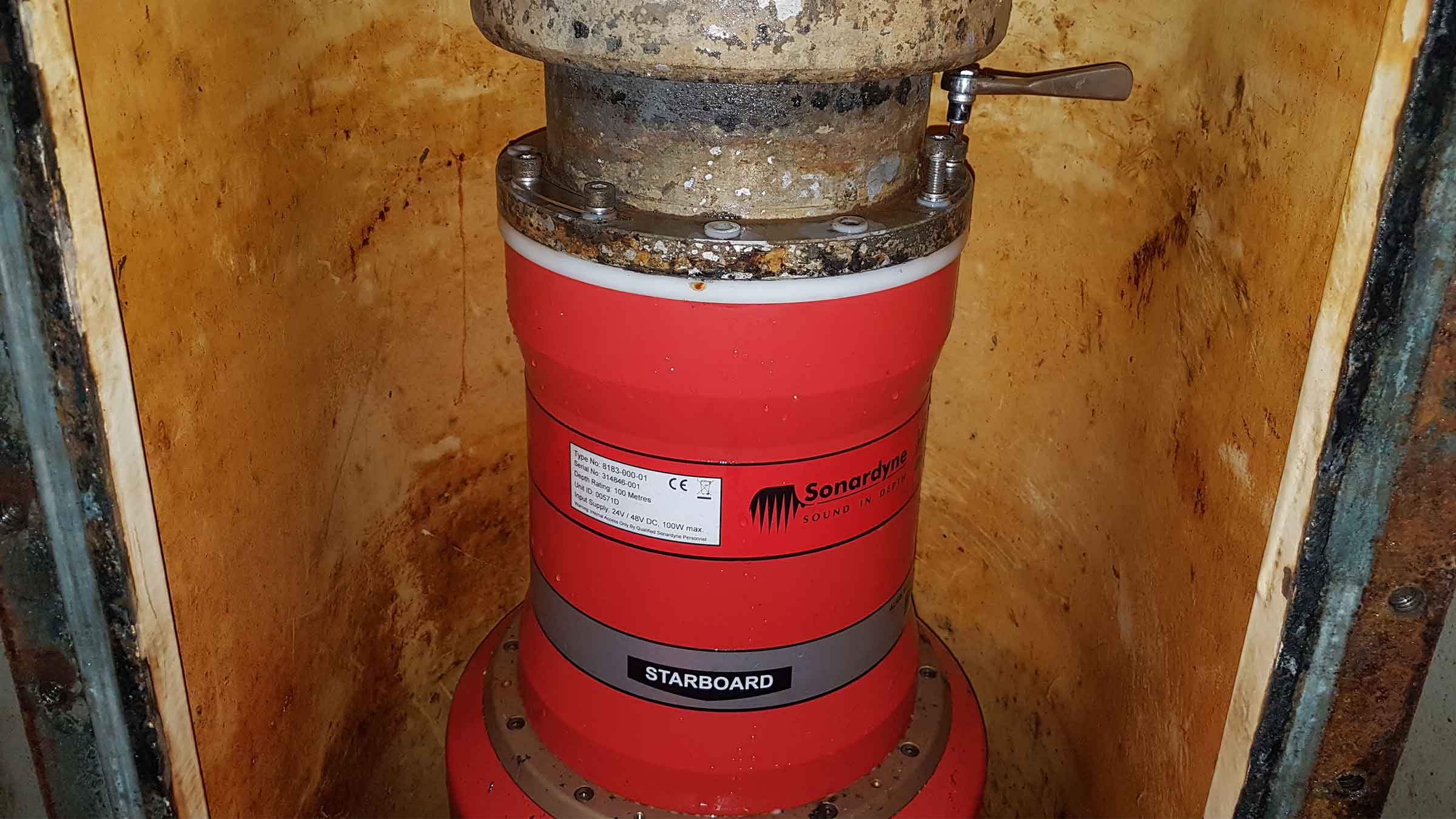
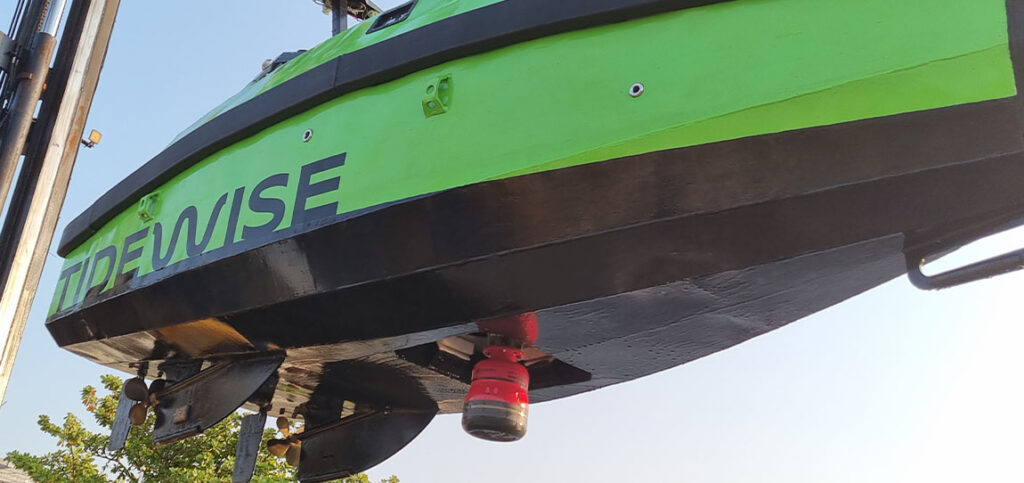
Manufactured in aluminium-bronze, HPTs are intended to be fitted temporarily or permanently to a vessel’s through-hull or over-the-side pole. HPT 5000s (including Gyro USBL 5000s) have also been fitted to large USVs for uncrewed missions controlled from over-the-horizon.

For specialist applications, inverted USBL, LMF frequency and extreme depth range HPT transceivers are also available. Please get in contact to discuss your requirements.

Specifications table

Note: The absolute accuracy of the system is dependent upon the quality of external attitude and heading sensors, beacon source
level, vessel noise, water depth, mechanical rigidity of the transceiver deployment machine, SV knowledge and proper calibration of
the total system using CASIUS.

Feature Type 8142-001 Type 8142-002 
(deepwater optimised unit)
Operational frequency MF (20–34 kHz) MF (20–34 kHz)
Transceiver
performance
Operating range Up to 7,000 m Up to 7,000 m
Acoustic coverage Up to ± 90° Up to ± 90º Optimised for deep water
(depending on frequency of operation)
Range precision Better than 15 mm Better than 15 mm
Positioning repeatability All transceivers tested to better than 0.1% of slant range 1 Drms All transceivers tested to better than 0.07% of slant range 1 Drms
Transmit source level (dB re 1 µPa @ 1 m) 200 dB 200 dB
Tone Equivalent Energy (TEE) 206 dB (13 JA) 206 dB (13 JA)
Electrical 48 V dc (±10%),
Typical 15 W, Max
120 W
48 V dc (±10%),
Typical 15 W, Max 120 W
Communication RS485, baud rate switchable,
ethernet 100 Mbps
RS485, baud rate switchable,
ethernet 100 Mbps
Operating temperature -5 to 40°C -5 to 40°C
Storage temperature -20 to 45°C -20 to 45°C
Mechanical construction Aluminium bronze Aluminium bronze
Dimensions (length x diameter) 322 x 225 mm 391 x 310 mm
Weight in air/water 26.7/15.3 kg 46.9/29.0 kg
Options Tilted array adaptor Tilted array adaptor

Did you know?

Both HPT 5000 and 7000 are available in Gyro USBL configurations

Jump to

Overview

Unleash pioneering performance: Ranger 2 USBL family.

Every underwater project is a challenge, unique to you and your operation. Depth, vessel type, crewed or uncrewed, what you are tracking – it all adds complexity and unknowns. The Ranger 2 family adapts seamlessly. Whether you’re navigating uncharted estuaries with divers or ROVS or conducting delicate inspections thousands of metres down, Ranger 2 delivers exceptional performance, making it the most trusted USBL system on the market.

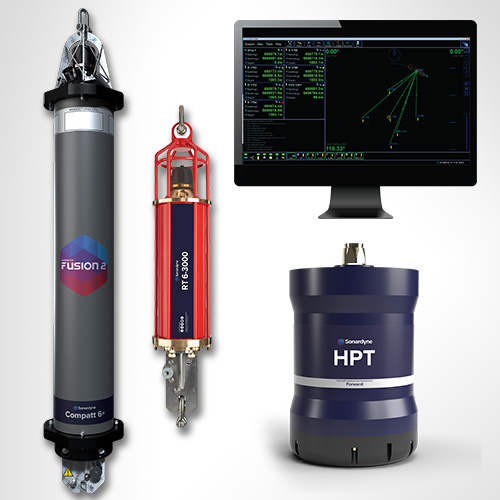
Our Ranger 2 family of USBL products represent the most capable USBL tracking and communication technology available on the market. Consisting of software, a top-side transceiver and in-water transponders, Ranger 2 brings together all the features you need, and more.

Reassuringly reliable Ranger 2

Ranger 2 is more than just an acoustic tracking and positioning system. It goes way beyond tracking; it can be part of a dynamic positioning system, it supports robust two-way data communication with a range of seafloor sensors to collect data, it can support AUV command and control and will even release seabed moorings.

Ranger 2 can even be run from an uncrewed surface vehicle (USV) enabling truly remote, autonomous operations. Whether your mission involves seabed surveys, offshore energy site inspections or commanding a fleet of AUVs, Ranger 2 can help you expand them over the horizon and to the edges of your imagination.

It comes with an impressive list of standard features, our award-winning 6G (sixth generation) acoustic hardware platform and Sonardyne Wideband 2 digital signal architecture. The flexibility of the Ranger 2 family is further extended by our range of 6G transponders to support a wide variety of applications.

Why should you invest?

Our Ranger 2 family gives you the versatility you need, at the investment level you can afford, to get your project completed quickly and efficiently. It’s engineered like no other USBL on the market. Adaptable, scalable and always compact, there is a Ranger 2 USBL to suit any size vessel or project. As your needs grow, bolt-on software packs unlock additional capability and protect your investment. Whichever size suits you best, they will always be compatible with our full range of 6G transponders and many other vessel systems.

Micro-Ranger 2 USBL

The ‘baby’ of the Ranger 2 family and the ideal entry-level USBL, Micro-Ranger 2’s compact size contradicts its impressive performance. It may be our smallest underwater tracking system to date, but it will have a big impact on your operations.

Never used a USBL system before? No problem. Micro-Ranger 2 is simple to setup and use.

Need to know where your targets are? Micro-Ranger 2 has them covered. Precision, ease of use and versatility come as standard. It’s built around the same market-leading hardware and digital acoustic technology you’ll find in our family of deep water USBL systems, but for significantly less cost and complexity.
For the full picture of what your Micro-Ranger 2 USBL is capable of, please visit its dedicated product page.

Mini-Ranger 2 USBL

Mini-Ranger 2 is our mid-level USBL target tracking system, perfect for nearshore operations; UXO surveys, search and recovery and structure inspections. With a 995 m operating range, extendable to 4,000 m, it can track up to ten underwater targets simultaneously, including divers, towed instruments, ROVs and AUVs.

Choose to add the Marine Robotics software pack and it will communicate with subsea robotic platforms, sharing positions and exchanging data.

A compact, easily installed, system it’s your ideal choice for temporary installation on small survey vessels, as well as USVs.

For the full picture of what your Mini-Ranger 2 USBL is capable of, please visit its dedicated product page.

Ranger 2 USBL

Ranger 2 is the largest USBL in the family and the most powerful USBL on the market. Able to simultaneously track up to 99 targets with up to 11,000 m range, it is anything but standard.

Recommended for installation on large vessels and USVs, Ranger 2 incorporates over 30 years of our USBL innovation and know-how. It has a global vessel track record and is used for offshore energy, research, cable-lay, salvage and naval operations, to name but a few.

Sharing a common platform with other Sonardyne USBLs, Ranger 2 supports all industry standard DP telegrams and acoustically aided inertial navigation systems (INS).

For the full picture of what your Ranger 2 USBL is capable of, please visit its dedicated product page.

6G

Our 6th generation (6G) technology provides faster, secure and robust data communications from seabed to surface . This gives you speedier updates on the location of your assets and access to your vital data.

Wideband

Our wideband technology enables digital high-throughput data, range resolution and accuracy with low latency. Teamed with our 6G it gives you fast, reliable, accurate data over greater distances.

Robotics

Uncrewed, autonomous surface and underwater vehicles are increasingly used for coastal, deep sea and over-the-horizon operations, reducing costs, risks and carbon footprint. Thats why we have a dedicated “bolt on” pack for our Ranger 2 to enhance your robotics operations.

Dynamic positioning

We’ve been engineering high integrity position reference systems for dynamically positioned vessels since the early 1990s. Our USBL, LUSBL and SPRINT- INS products provide dynamic positioning solutions for a range of vessels and environments.