
Brazil’s deepwater assets need reliable data in support of inspection campaigns. Long-duration subsea monitoring can help operators understand asset behaviour earlier, reduce vessel time, improve safety and support better inspection planning, says Sonardyne’s Brasil Vice President Andre Moura.
Working in Brazil, I see every day how demanding this offshore market is, and how quickly it is changing. Our industry works in deep water and pre-salt fields, far from shore, with high-value subsea infrastructure that has to operate safely for many years.
At the same time, operators are under pressure to improve efficiency, reduce environmental impact and keep people away from hazardous offshore work wherever possible.
Operators and service companies in Brazil already understand the value of inspection. Remotely operated vehicle (ROV) campaigns, survey vessels and integrity programmes are essential, but inspection is often only a snapshot. It can show that something has changed, but not always when the change started, how fast it developed, or what happened between campaigns.
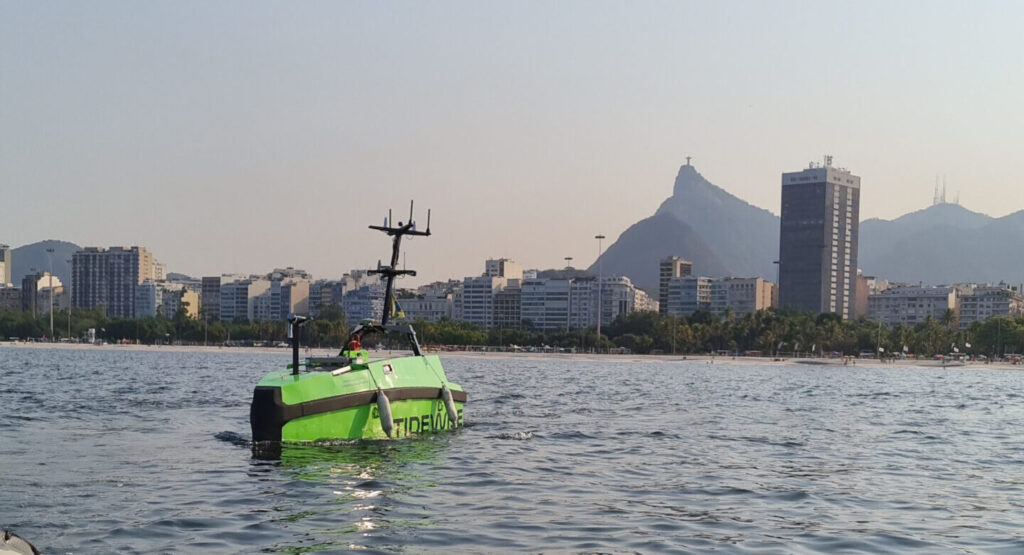
That is where I see a clear opportunity. Brazil’s operators can use long-duration monitoring to build a more continuous picture of how subsea assets are behaving. This is part of a wider move towards intelligent subsea sensors, wireless underwater communications and uncrewed surface vehicles (USVs). USVs can help collect or retrieve data with less reliance on conventional vessel campaigns, helping to reduce carbon emissions and the exposure of personnel to offshore hazardous environments.