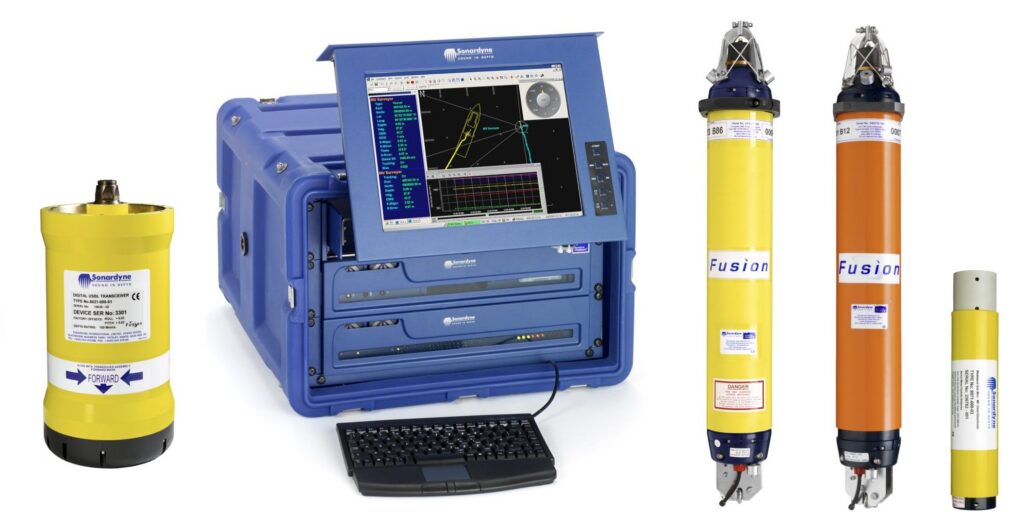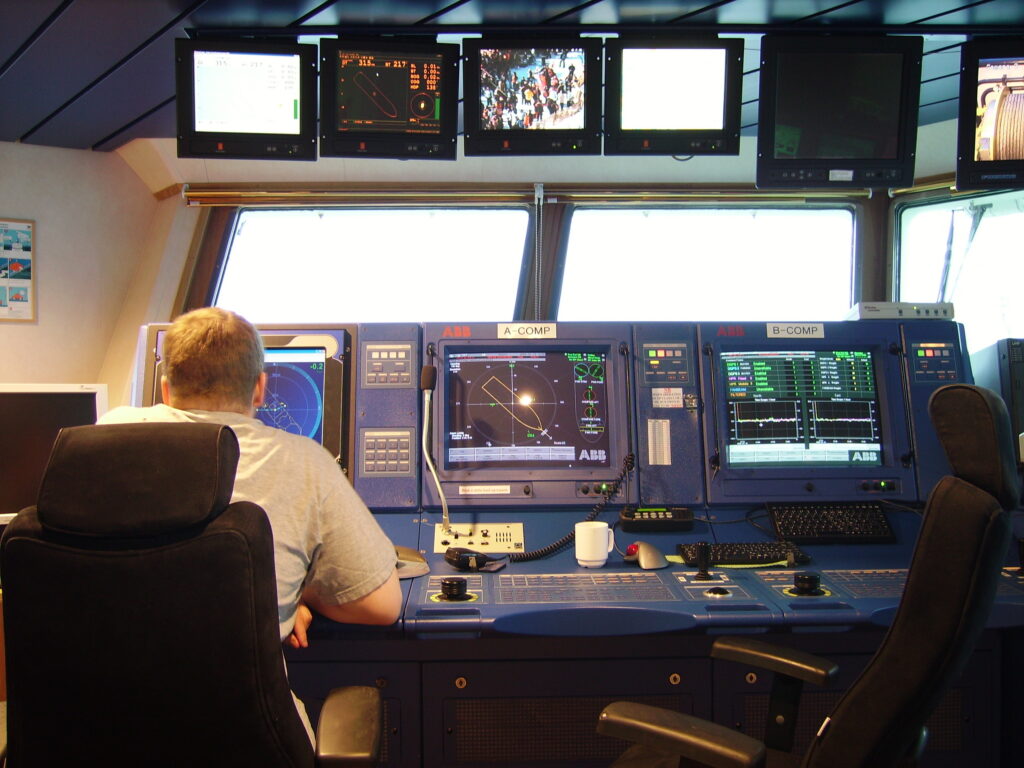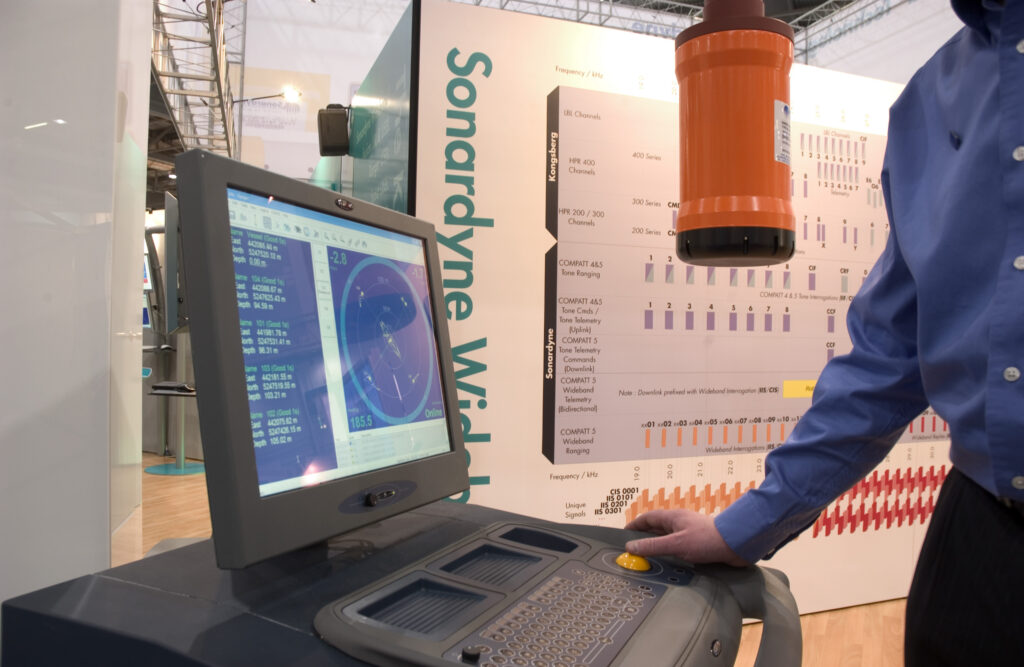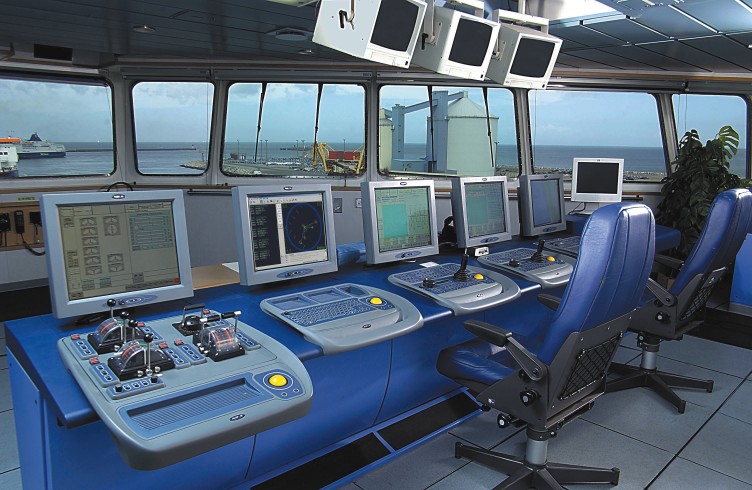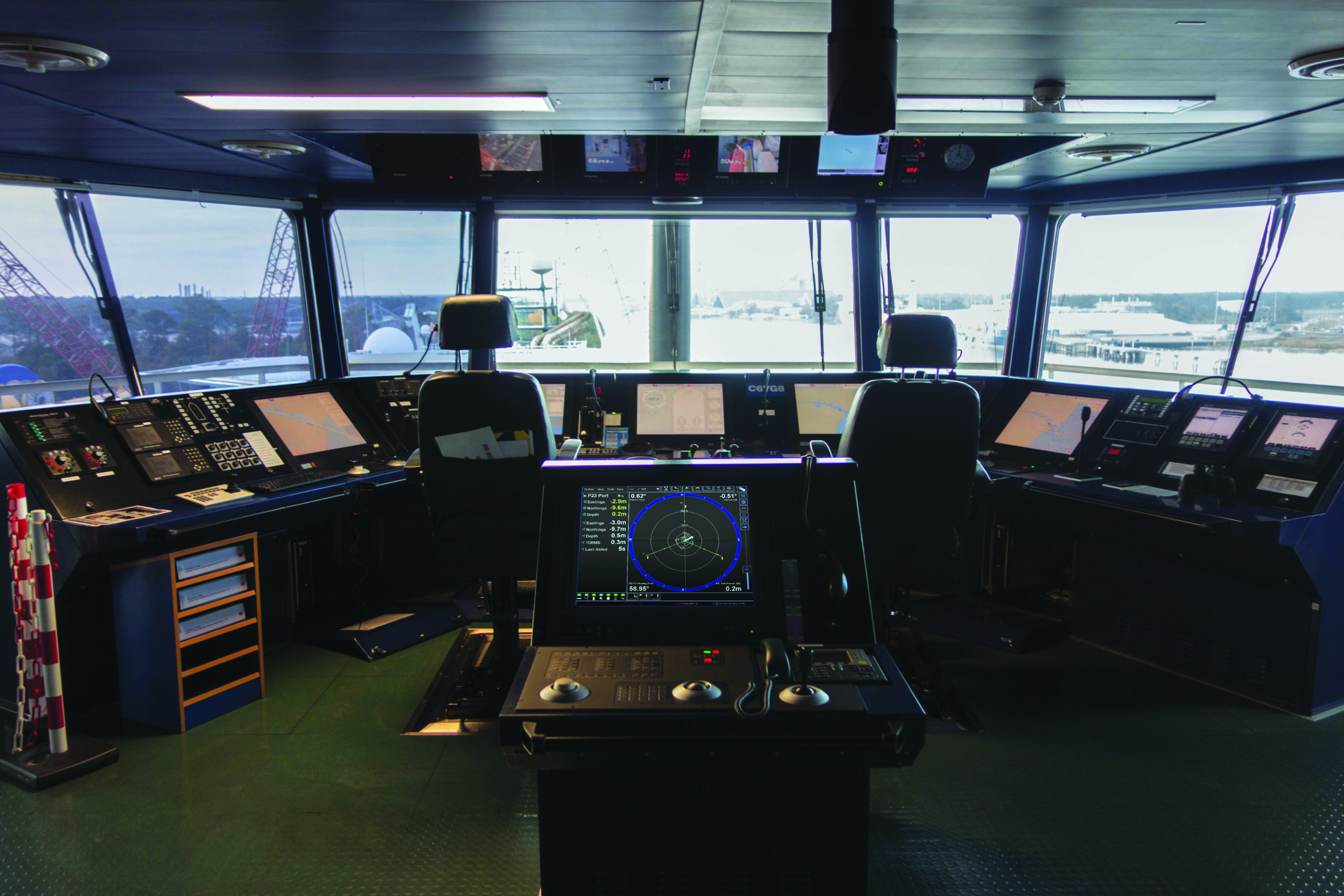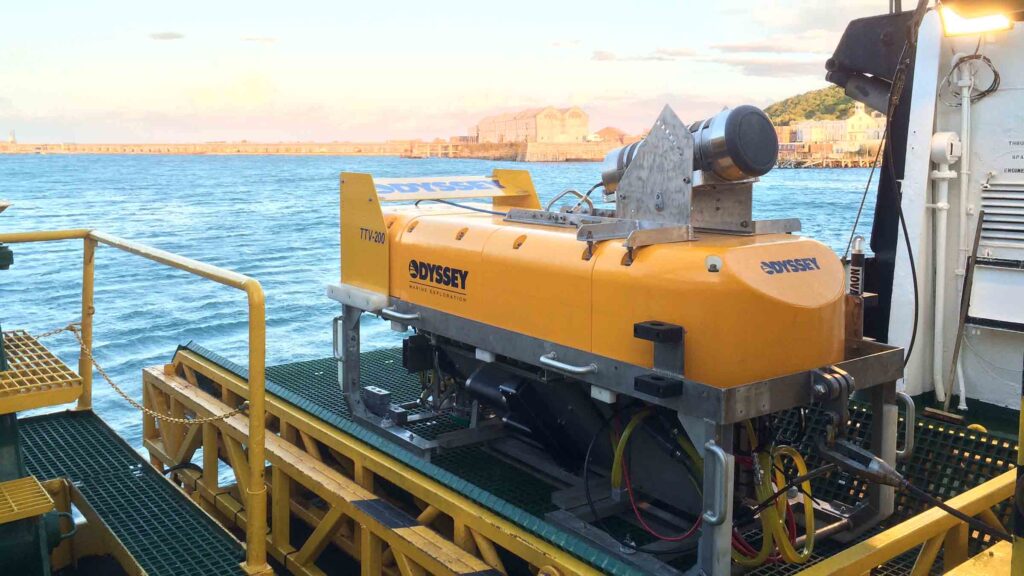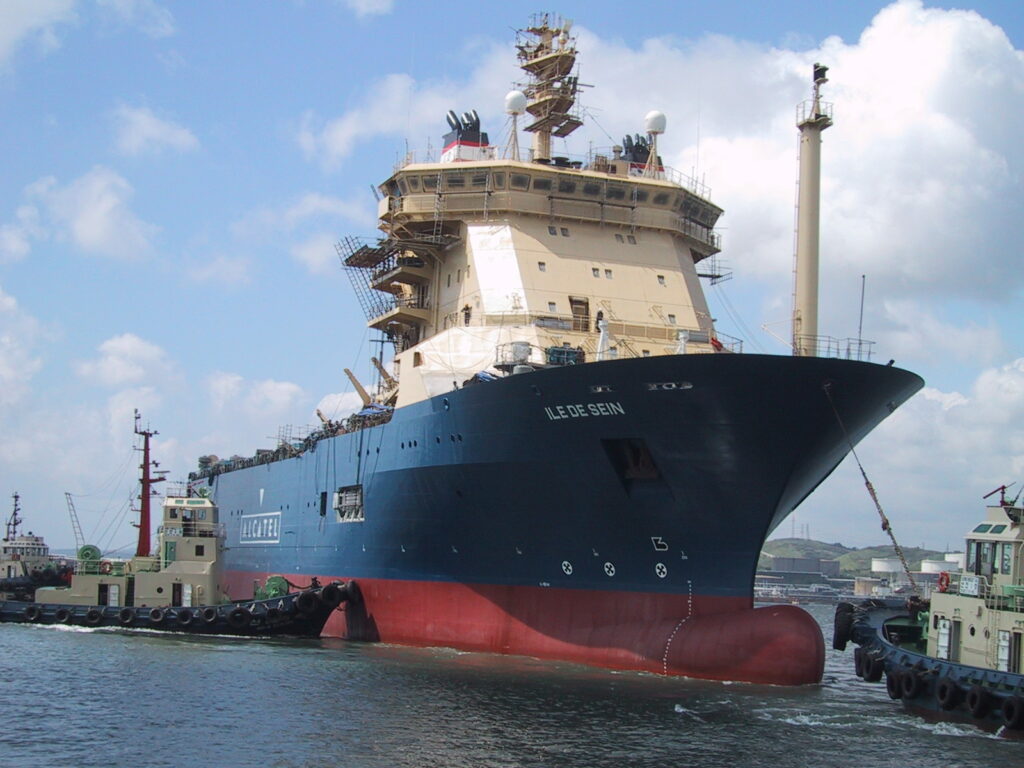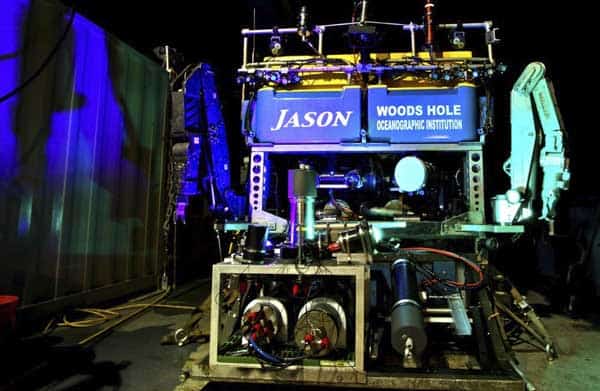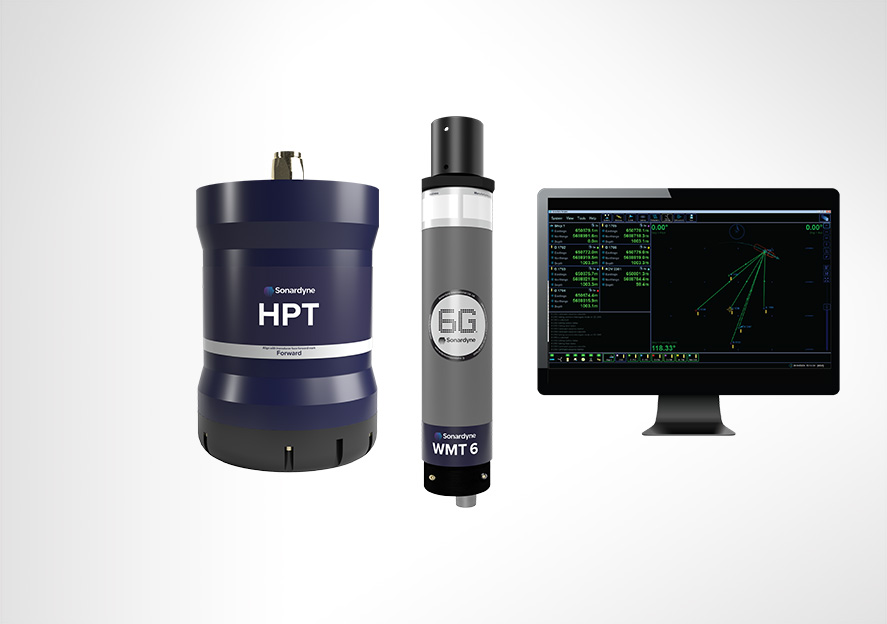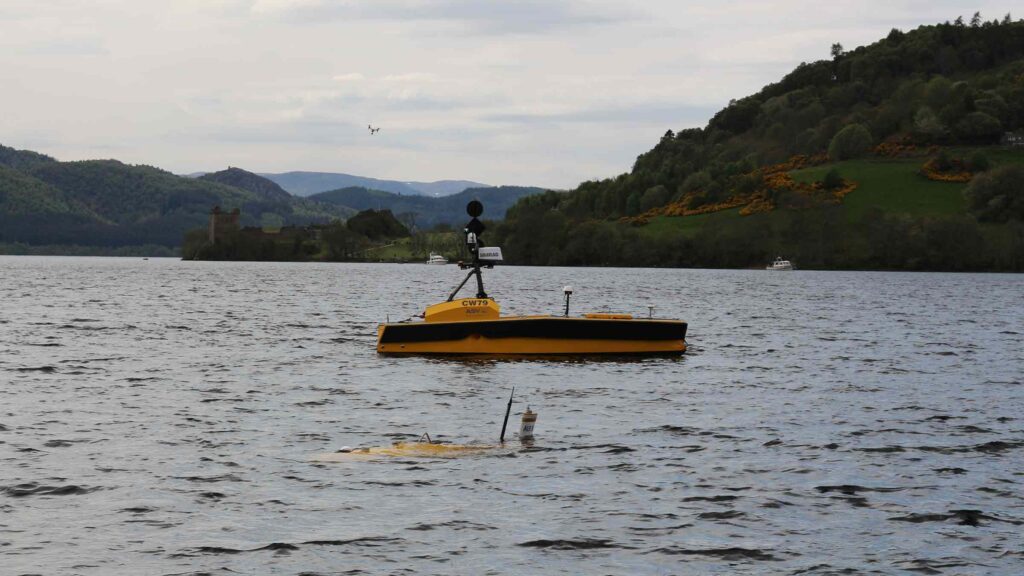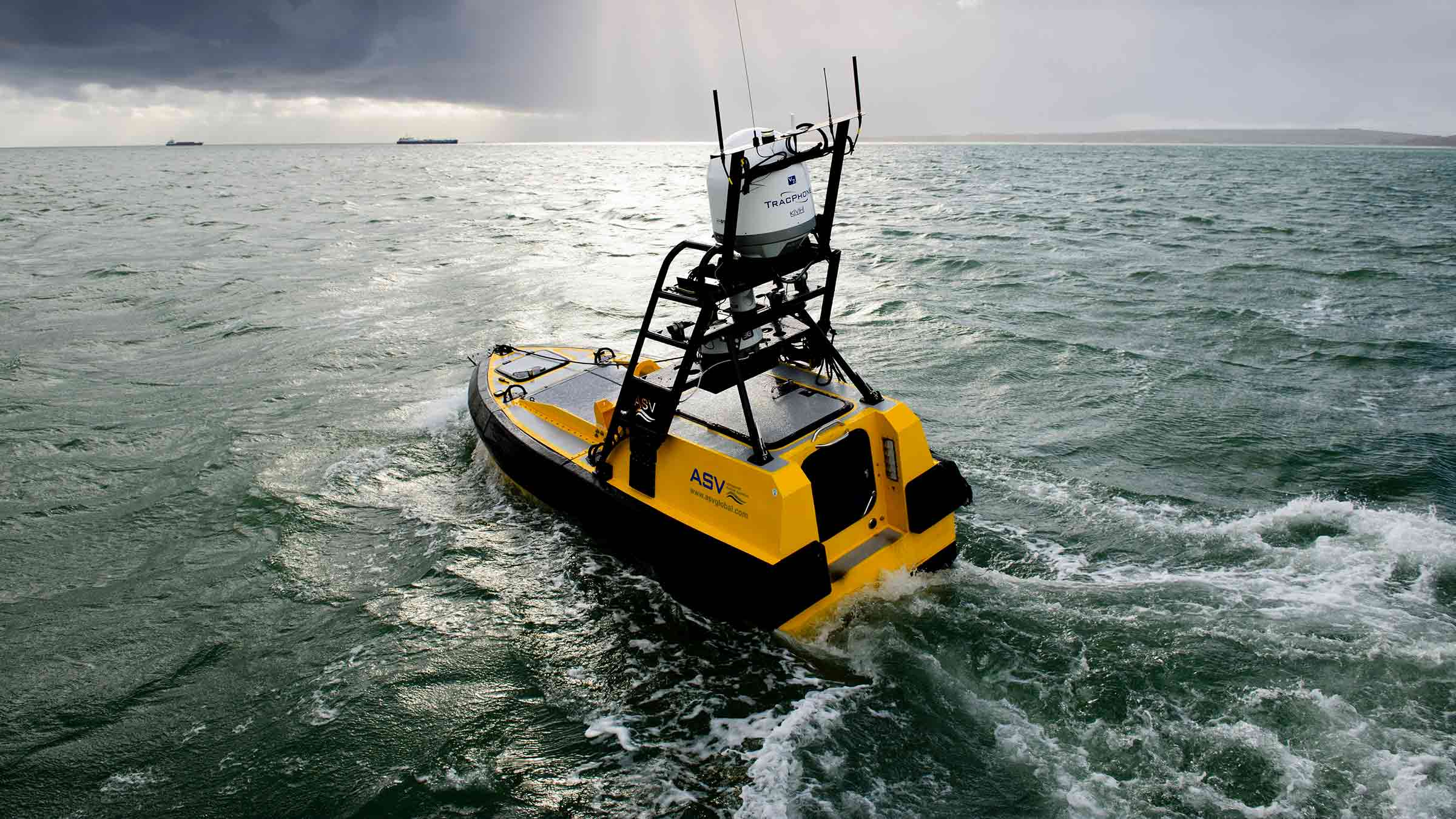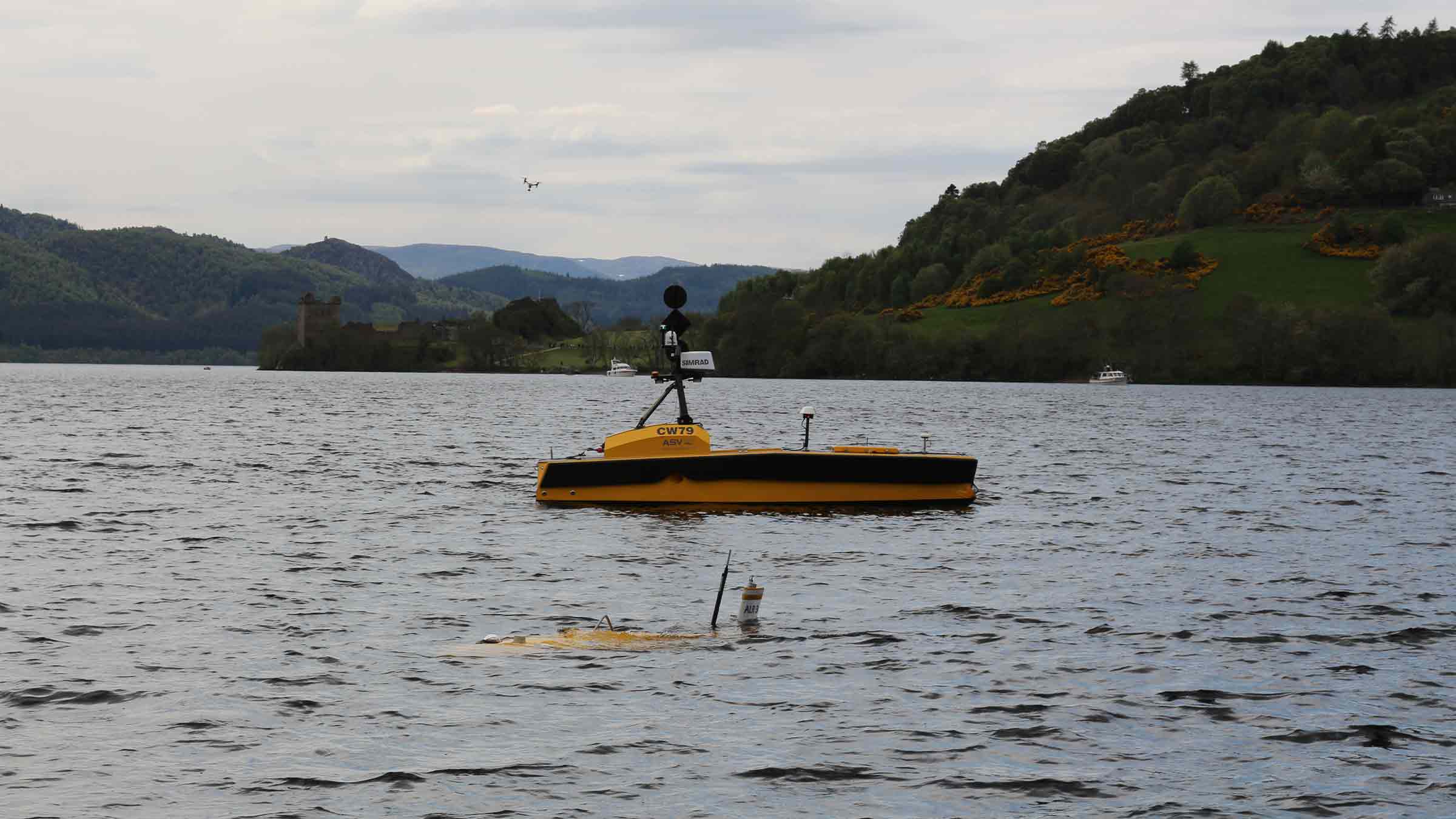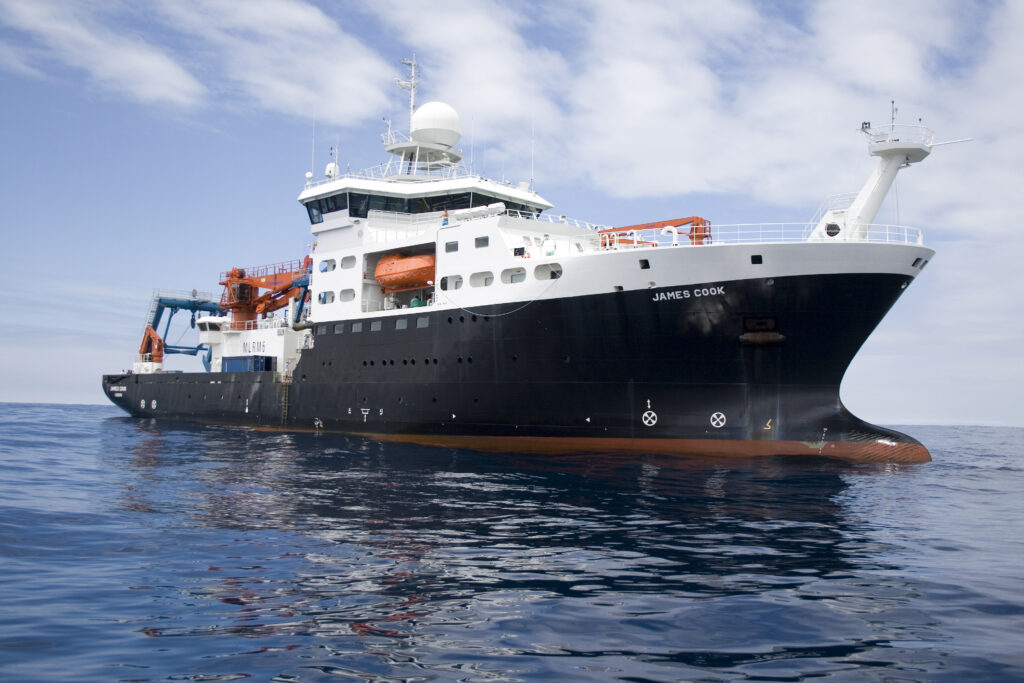
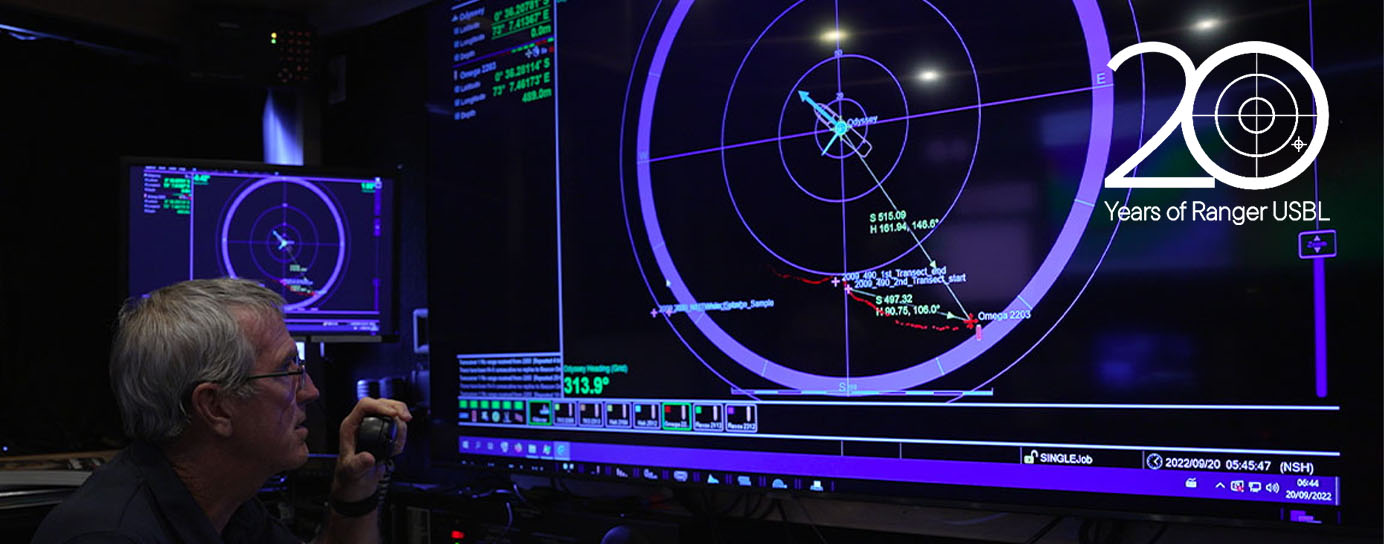
The evolution of technology is often driven by a simple but powerful idea: there must be an easier way. Twenty years ago, our Ranger Ultra-Short BaseLine (USBL) positioning system was developed to do just that.
Designed to make high-performance acoustic positioning easier to use, Ranger has become the trusted reference across science, offshore energy, defence and autonomous operations worldwide.
A history of positioning at Sonardyne
Since its very beginnings in the 1970s, Sonardyne has been the leader in underwater positioning technology. Driven by the exacting demands of the offshore industry, we set a global industry standard for Long BaseLine (LBL) technology for subsea construction and survey.
By the 1990s, we had also introduced an Ultra-Short Baseline (USBL) system widely regarded as the industry benchmark for survey-grade performance. It could handle complex tasks such as deep-water metrology, construction support, the positioning of underwater vehicles and structures and, in L/USBL mode, a DP reference for deep water drilling units.
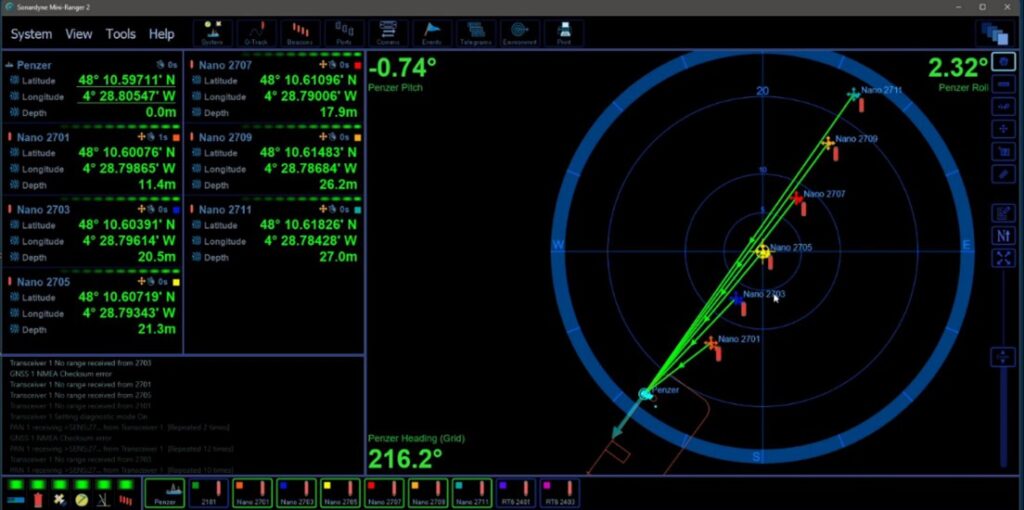
It was our first Windows-based software with extensive features and configuration options that met the highest demands of the most experienced surveys. But for many users, this often made it overly complex for everyday operations.
By the early 2000s, we also had our Scout, a cost-effective entry-level HF USBL system, ideal for tracking targets in shallow water. But users still found the interface overly complex.