Sonardyne
Support Centre
Jump to

Overview

Intelligent monitoring for your subsea assets

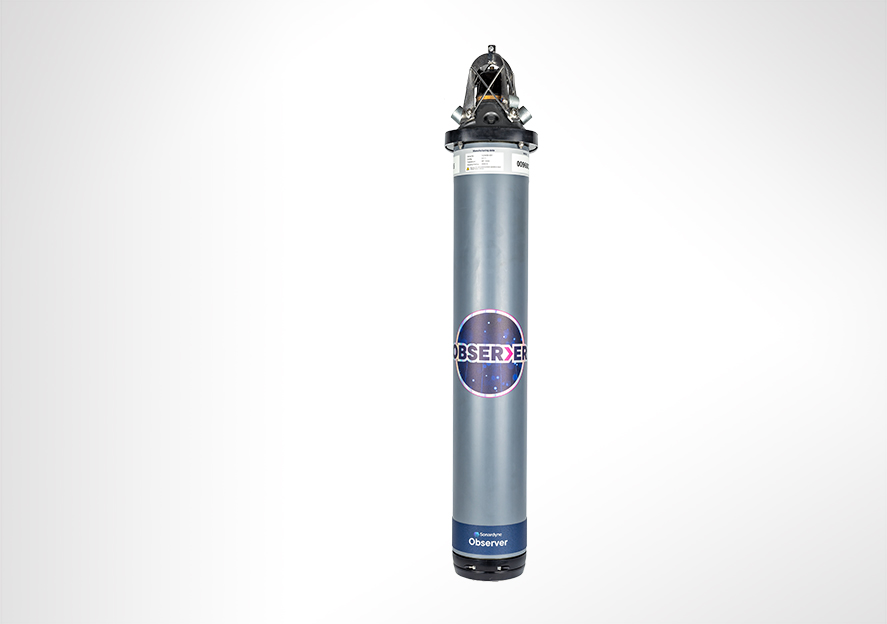
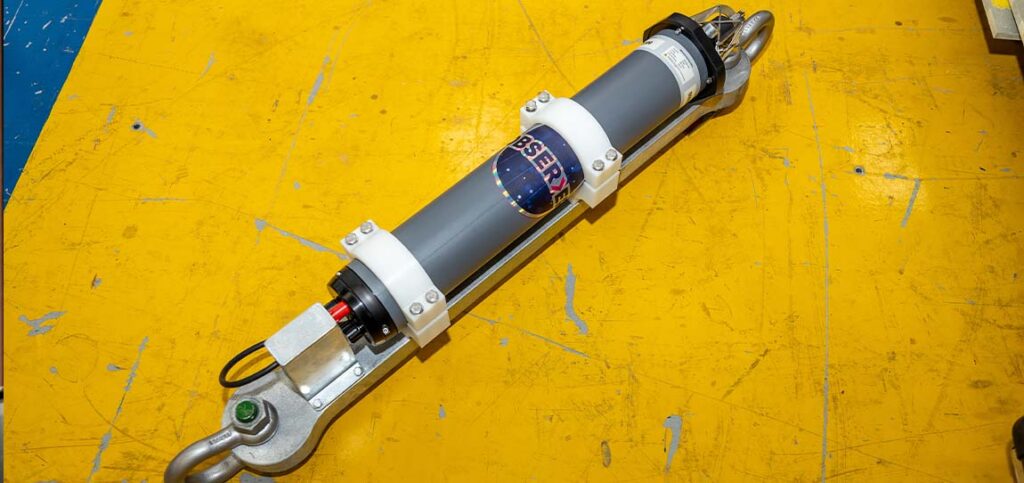
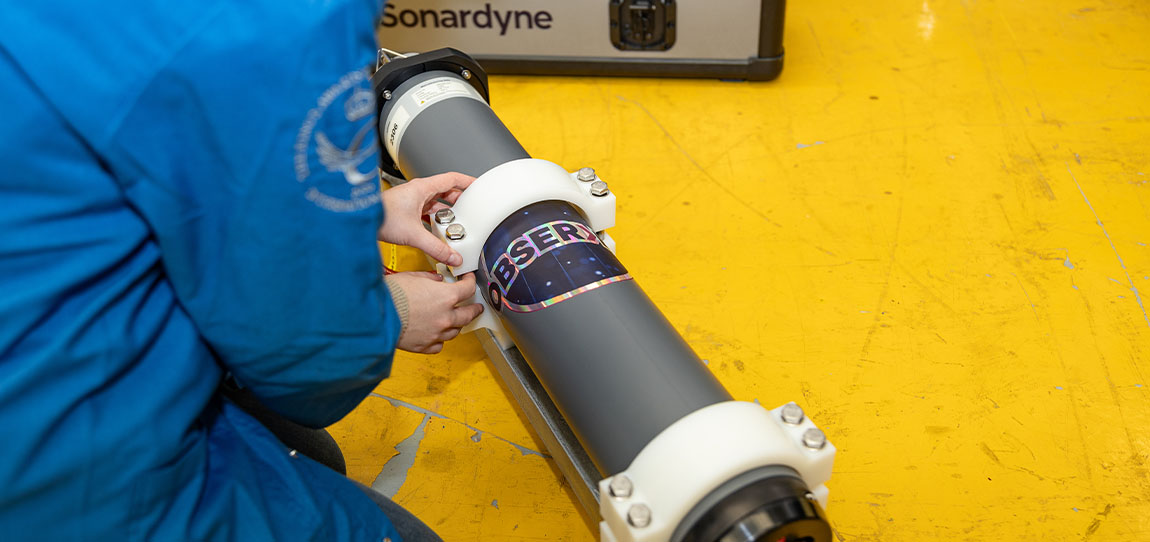
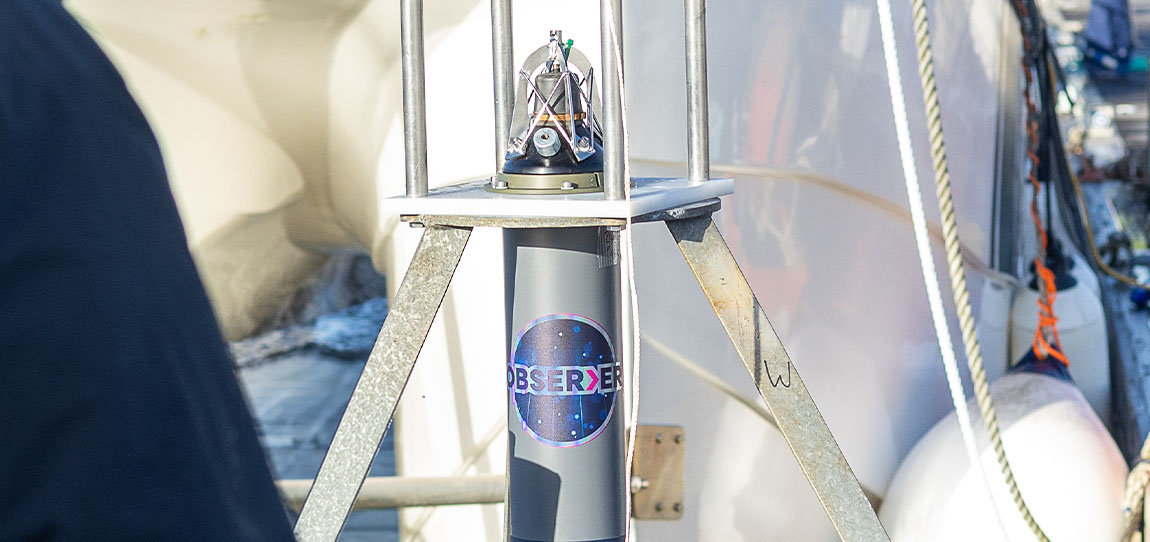
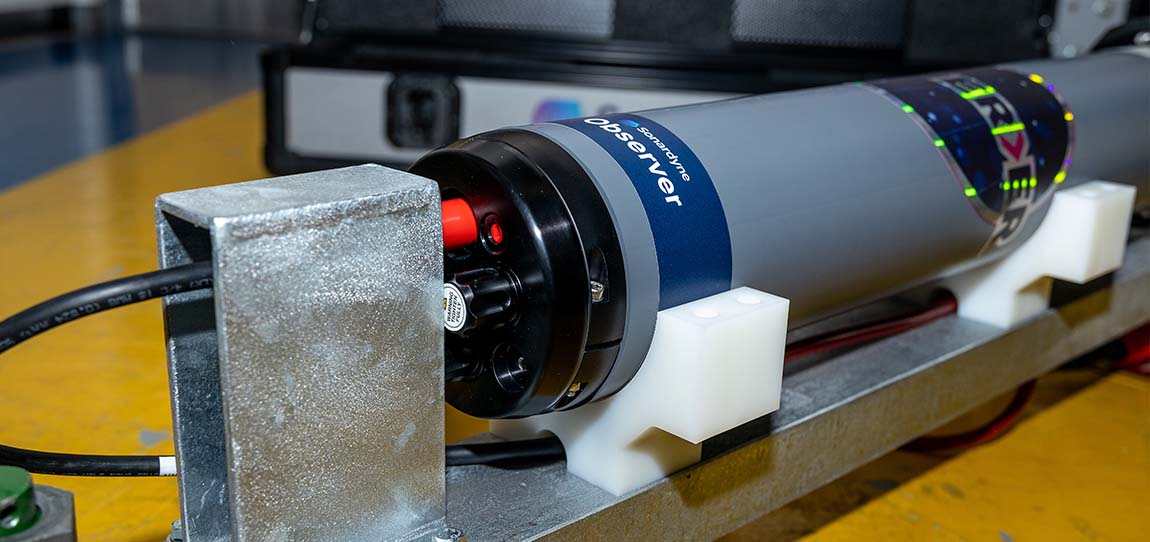
Observer shows you how your subsea assets are really behaving, not how you hope they are. Monitor movement, vibration, load and structural behaviour to reduce risk, prevent unplanned shutdowns and extend asset life.

Onboard processing, extended deployment and wireless data access give you intelligence on demand, keeping operations efficient and assets protected. Subsea asset integrity intelligence delivered. Intervention and cost reduced.

Find out what's possible

We understand that no two subsea asset integrity monitoring challenges are the same

Your underwater infrastructure is subject to constant environmental and process problems, from vortex induced vibration to pressure or temperature cycling, leading to strain and fatigue accumulation. But left unseen, these can lead to unknown risks, downtime or even failure. 

Early detection prevents catastrophic failures and extends asset life. 

Observer delivers the insights you need, when you need them, preventing risk, reducing cost, extending field life. Built on decades of underwater monitoring expertise 

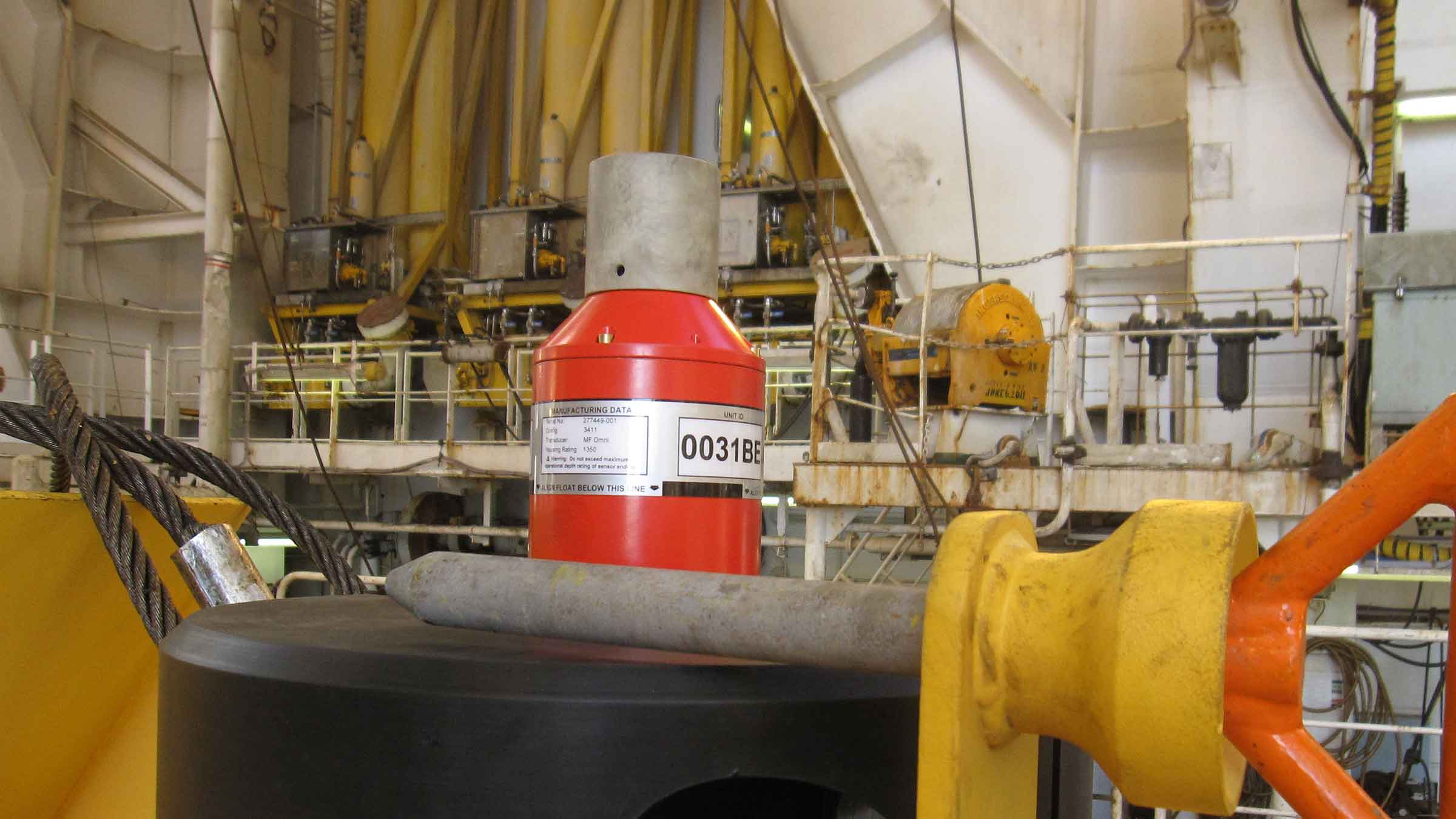
It’s been designed with flexibility of operation in mind; for use on all subsea assets, through the water column, including pipelines, risers, moorings, umbilicals, wellheads and associated infrastructure, helping integrity managers to reduce uncertainty and strengthen decision‑making.  

Enhanced clarity and control through real‑time intelligence

From high or low frequency motion monitoring to a wide range of other sensor data, Observer is designed for maximum flexibility and configurability, putting you in control.  

You can monitor locally or across wider areas, from short-duration campaigns to long-term integrity management. It’s non-intrusive, wireless communications make this possible. 

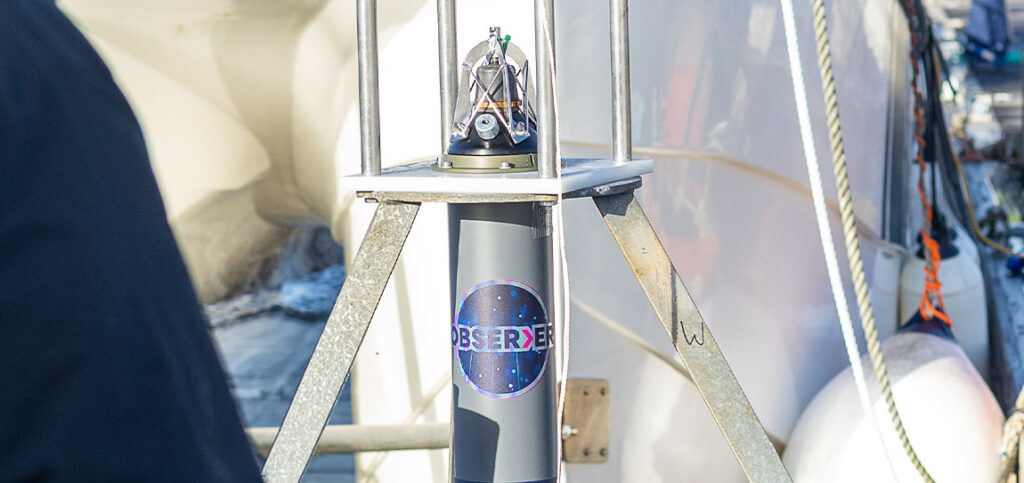
With standardised ROVdeployment options, you can simplify installation and recovery, onboard analytics and wireless data, get you the intelligence you need, on-demand.  

0

m

depth rating

Up to

0

years

life

0

DOF

as standard

Why choose it?

Powerful onboard analytics – you can make decisions based on real behaviour, not assumption 

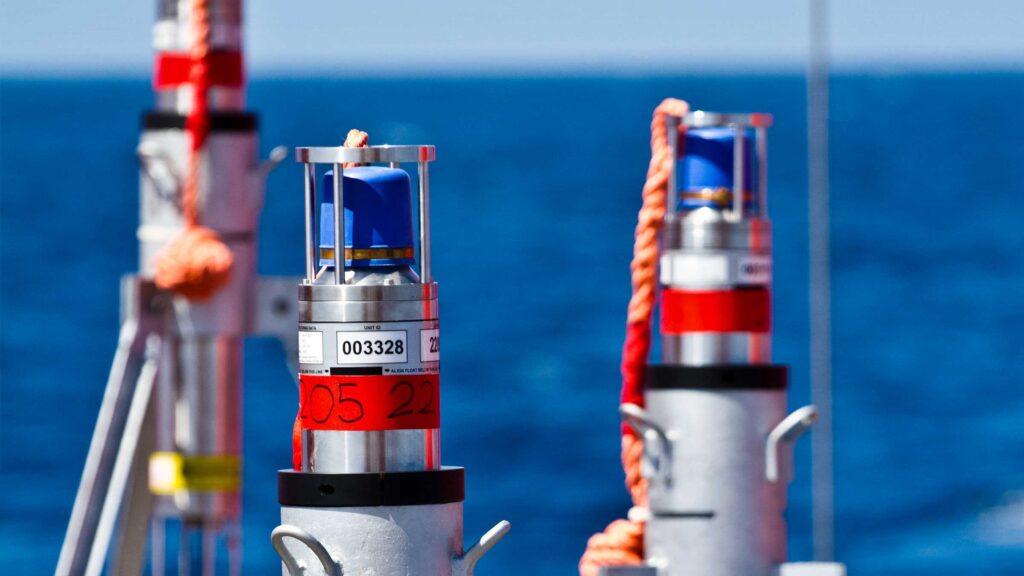
Observer contains SmartCore, our advanced, modular central processing unit. It’s the system’s brain, delivering low power and high performance that supports deployments of up to 10 years, storing raw and analysed at source. 

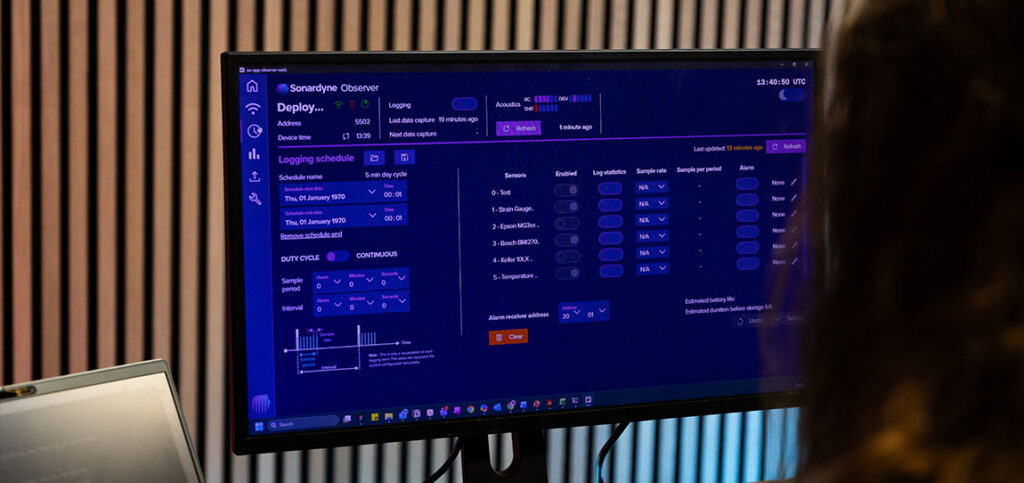
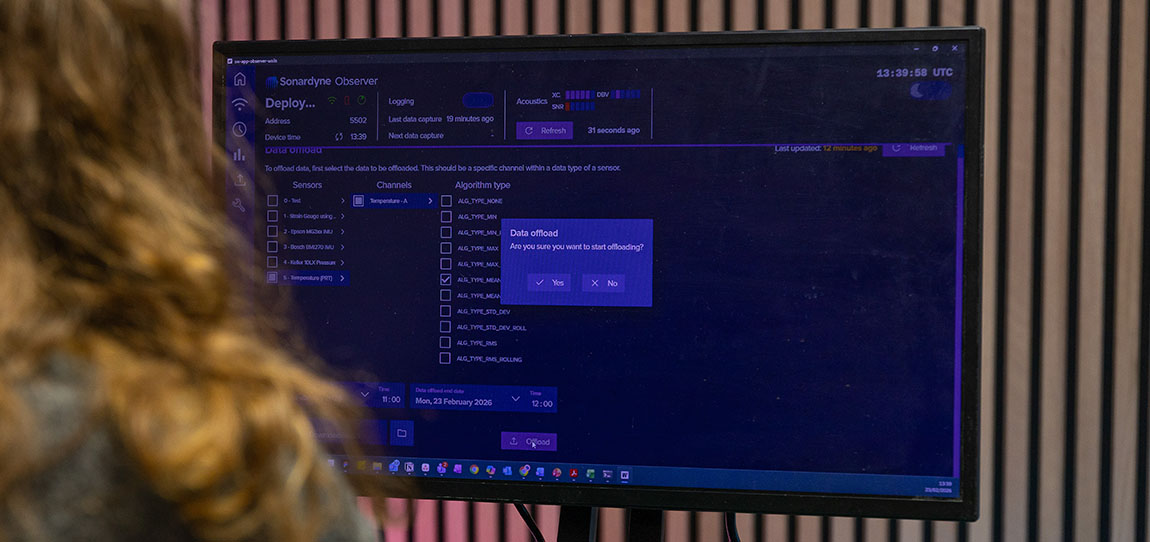
Apply your own algorithms or use histograms to support fatigue and damage estimation, putting analysis in your control and powering your digital twin. An intuitive, secure, web-based interface streamlines flexible configuration, driving faster decision making and lower operational costs. 

Low and high frequency measurements in one device – no need for different systems 

In-built sensors capture high-frequency motion for vortex induced vibration (VIV), flow-induced vibration (FIV) and structural behaviour monitoring. This combination simplifies and expands your ability to truly understand the behaviour of your infrastructure. 

Observer can operate as a Long BaseLine (LBL) node for highly precise low-frequency motion monitoring such as pipeline creep and movementIt also supports Ultra-Short BaseLine (USBL) positioning, for measuring assets movements in the water column, like riser and umbilical movement. Also allowing data retrieval from a vessel or underwater vehicle. 

Always informed. Always in control – flexible data retrieval

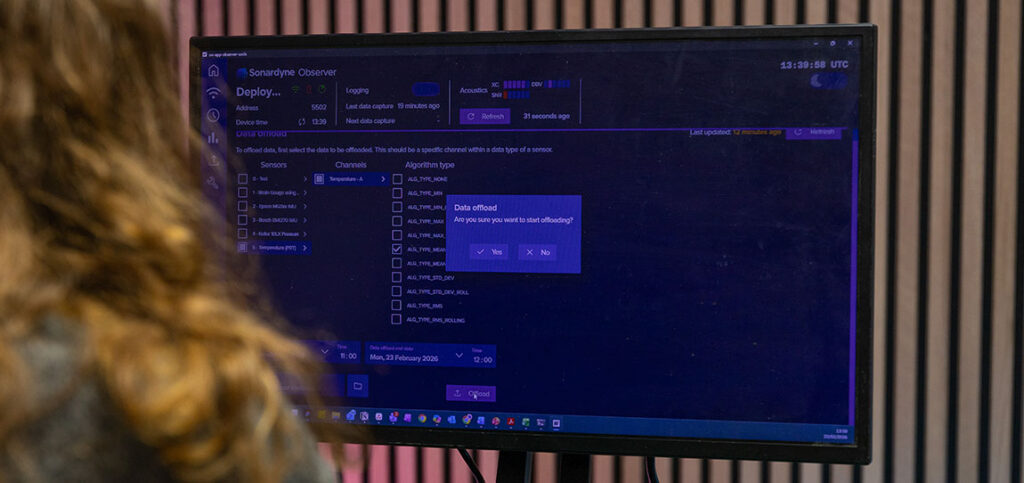
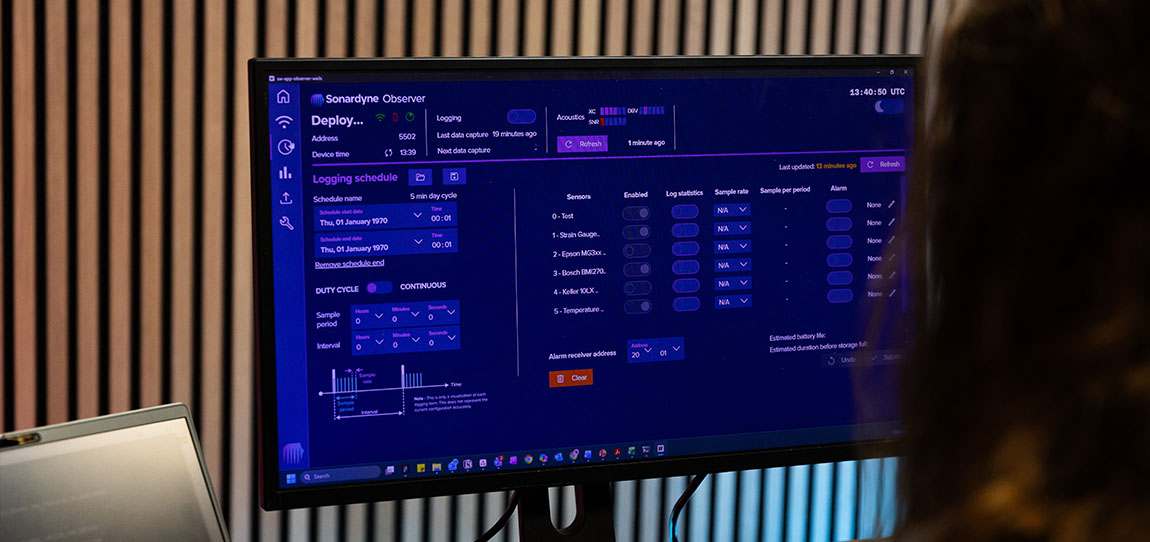
Easily setup, check your configuration and QC your sensor data pre-deployment, and also adjust it acoustically post-deployment, using our intuitive web user interface.  

Set and modify data collection and offloading schedules at any time.  

Our trusted acoustic telemetry provides your seafloor-to-surface communications, in all water depths, even in challenging acoustic environments.  

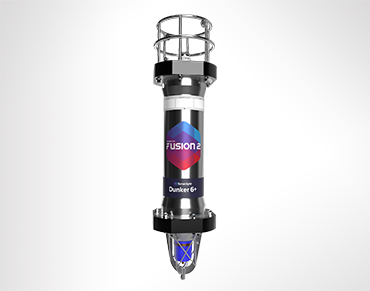
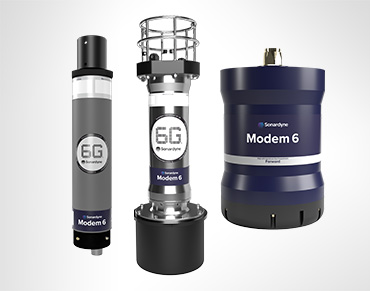
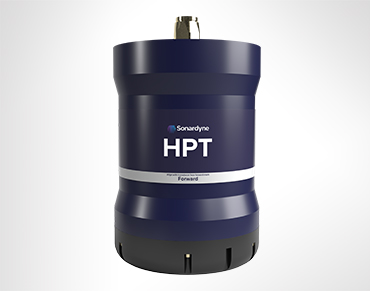
Compatibility with our 6G ecosystem enables data transfer at up to 9,000 bps to topside transceivers and modems, including our HPT 5000, Modem 6+ and Dunker 6 

An Ethernet communication link allows larger quantities of data to be harvested directly from subsea control systems or subsea vehicles. 
Observer at a glance

  • Up to 10-year endurance for fewer interventions  
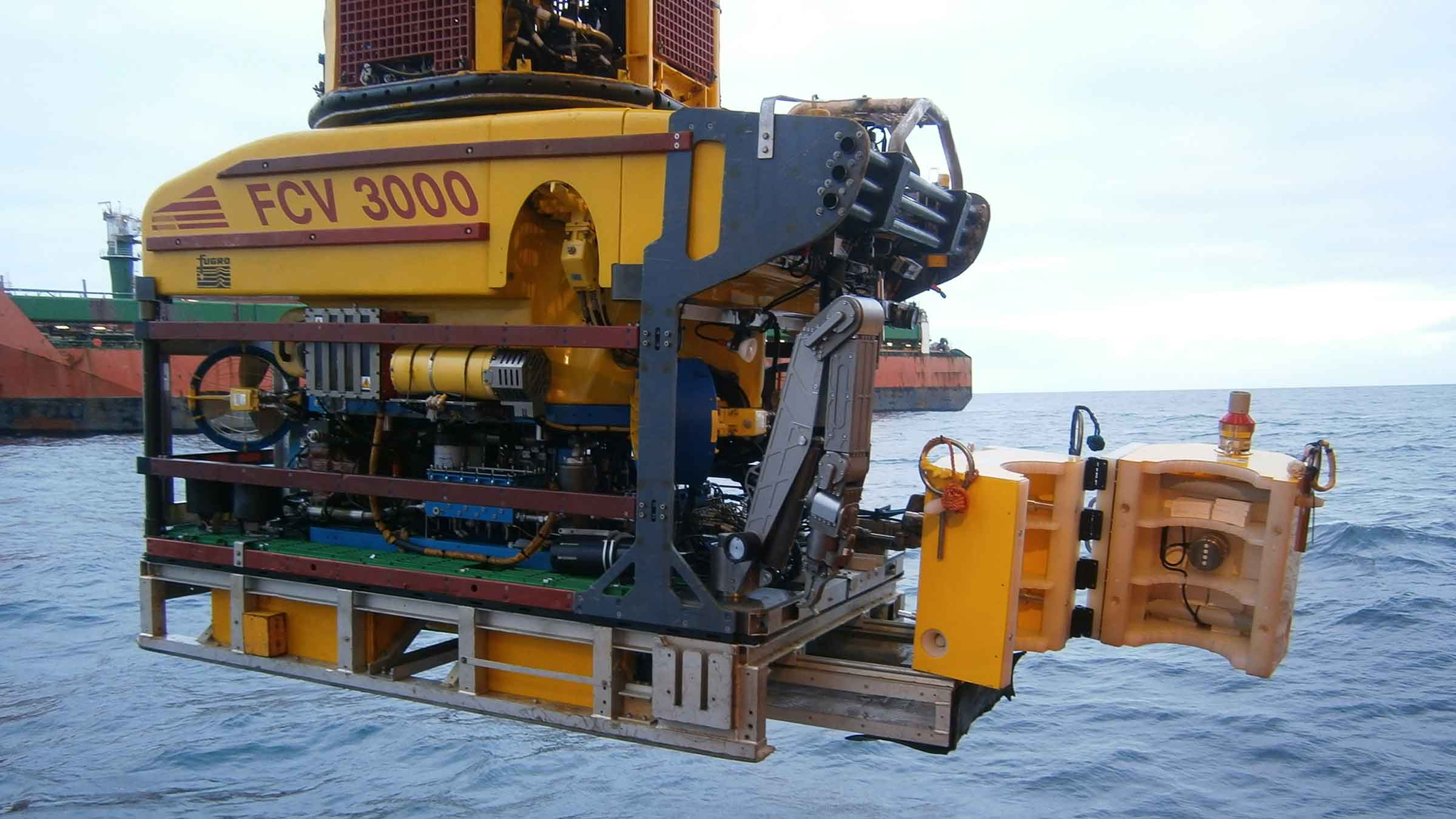
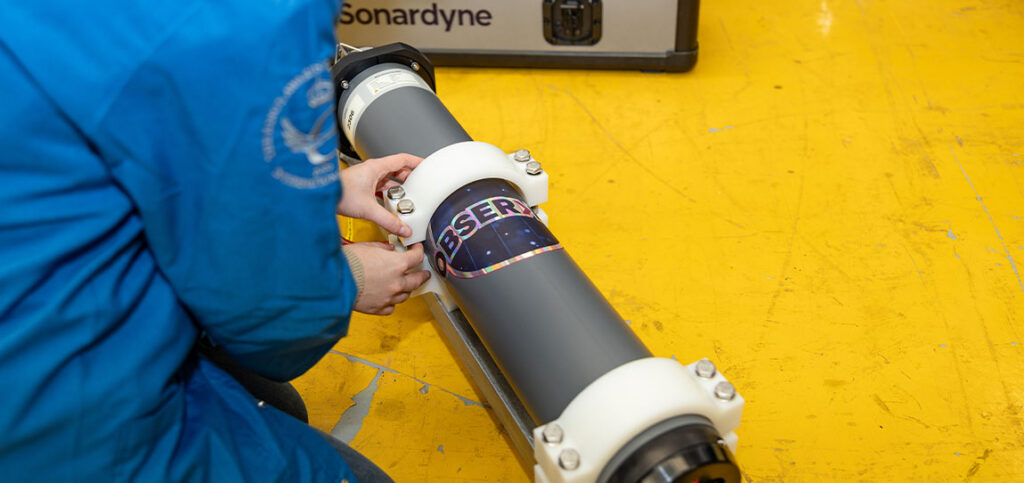
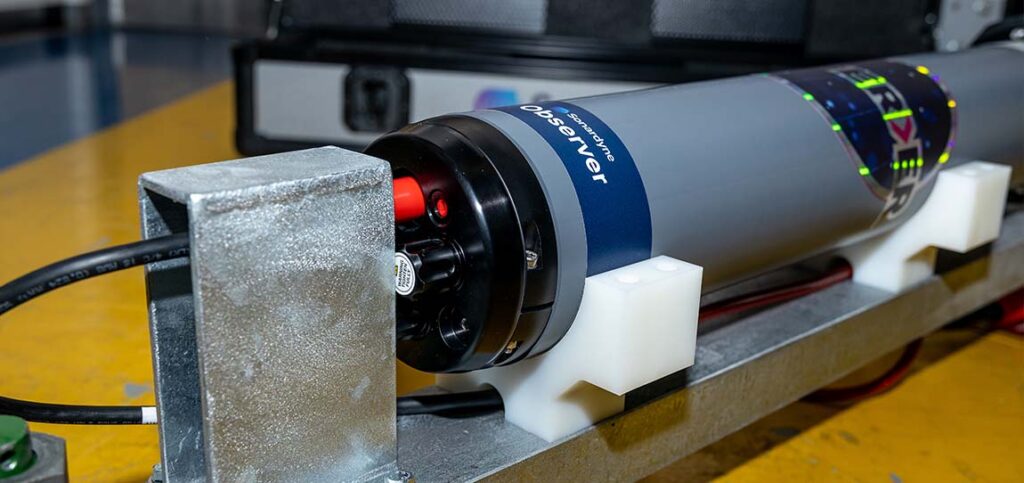
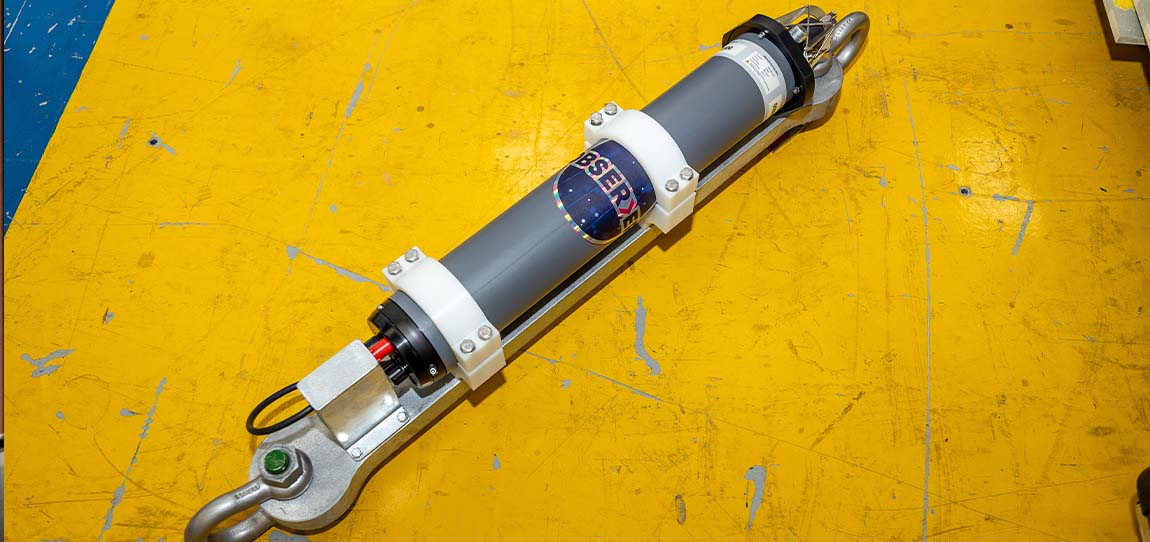
  • ROVdeployable and recoverable for easy installation 
  • Rated to 3,000 m (7,000 m option) for global operations  
  • Onboard logging and analytics with acoustic offload on demand 
  • High and low-frequency motion monitoring in a single device 
  • Built on our lowpower 6G hardware and Wideband 2 digital signal architecture for trusted subsea communications 

Sensing

• 6 DOF high-performance sensor fitted as standard
• Sampling rate: 5 Hz, 10 Hz, 25 Hz
• Data storage: 64 GB, dual redundant
• Processing capability: Fully programmable including analysis, statistical functions and bespoke options

Design

• 3,000 m depth rating; up to 7,000 m on request
• ROV-friendly design; option for ROV mounted clamps
• Aluminium standard housing material; options for different materials depending on deployment duration and environmental conditions

Acoustics

• Over 500 unique addresses, ideal for large array deployments
• Data transfer rates of 100 to 9,000 bps – user selectable
• Omni-directional transducer for wide area acoustic coverage
• Sonardyne Wideband 2 MF band (19 – 34 kHz); field proven in high-noise subsea environments

Expected battery life (typical/max life/max sampling)

• Up to 10 years (duty cycle logging pressure, temp and motion)
• 4+ years for a typical riser monitoring application (duty cycle logging USBL position, motion, depth, temp and SV)
• 2.5 years continuous logging (motion, depth and temp)

Specifications Table

Features Specification (Type 620-0762)
Acoustic operating frequency MF omni acoustic modem 20-34 kHz (alternative options available on request)
Expected operating range Up to 3000 m slant range
Sampling rates Sensor dependent, configurable decimation
Data storage 64 GB dual redundant
Data processing Min, max, mean, std deviation
Internal sensors Pressure sensor – standard 30 / 300 bar 0.01% FS, additional options available on request
Temperature sensor – standard ± 0.1 °C
IMU – standard 6 degrees of freedom – gyroscope (offsets ± 20 mg) and accelerometer (offsets ± 0.5 deg/sec)
High grade IMU – optional 6 degrees of freedom triple gyroscope (± 0.1 deg/sec) and tri-axis accelerometer (offsets ± 2 mg)
Connectivity 1x 8-way external sensor connector 4-20mA interface
12V external power output
0-12V voltage input
RS232/485 interface
2x 4-way external sensor connectors mV/V (wheatstone bridge type sensor)
1x 8-way connector for power and comms 24V external power input Ethernet
Electrical Standard battery specifications 1872 Wh primary lithium non-rechargeable battery pack (alternative capacities available on request)
Expected battery life (typical/max life/max sampling) Up to 10 years (duty cycle logging pressure, temp, & motion)
4+ years for a typical riser monitoring application (duty cycle logging USBL position, motion, depth, temp & SV)
2.5 years continuous logging (motion, depth, temp)
Mechanical Construction Aluminium (super duplex / titanium on request)
Dimensions (height x diameter) 927.5 x 132 mm
Approx weight in air/water 18 kg / 10.26 kg
Environmental Depth rating 300 / 3000 m (dependent on pressure sensor)
Operational / storage temperature -5 to 55°C / -20 to 55°C

Datasheets

Watch

Robotic inspections ensure fish nets are securely anchored

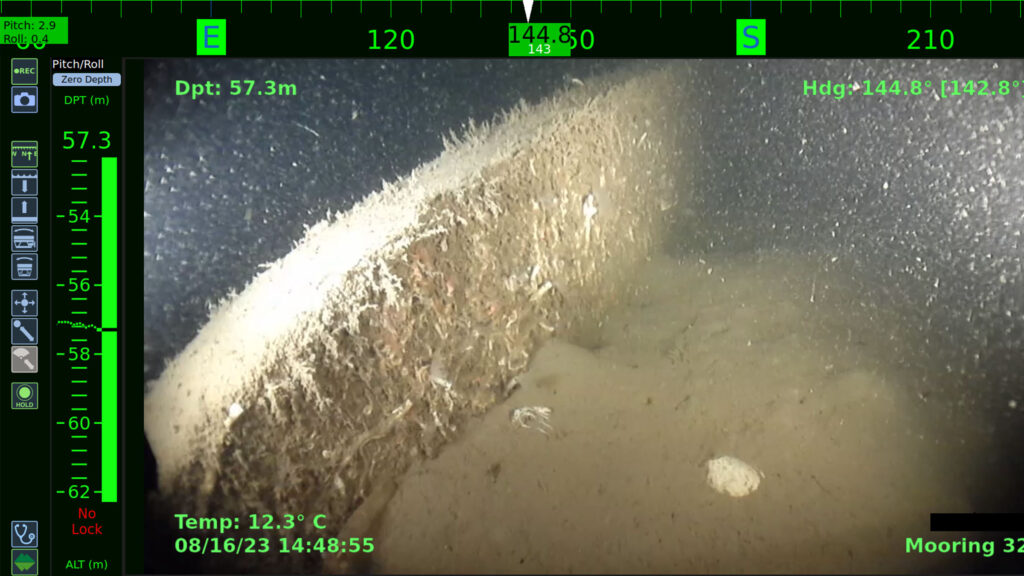
With precise positioning a priority in fish farm mooring maintenance, Aquasky Ltd needed a reliable tracking system for their remotely operated inspection vehicle (ROV). Find out how Micro-Ranger 2 proved equal to their challenge.

The challenge

In aquaculture, second only to the welfare of the fish, the maintenance and exact positioning of the nets and their moorings is critical. With specific areas set aside for fish farms, it’s important that the nets don’t drift out of place or into shipping lanes. To maximise production, fish farmers need to moor as many nets as possible within their area whilst ensuring the moorings don’t damage each other. All of this requires careful and precise placement and inspection, which is where Aquasky Ltd excel.

Aquasky Ltd first operated as a small diving company servicing local fish farms along the west coast of Scotland. During 2011/13 it branched out into moorings inspections using a Videoray Pro 5 ROV. They continued to grow and now provide their services to all the major fish farm companies operating in Scotland plus some others abroad.

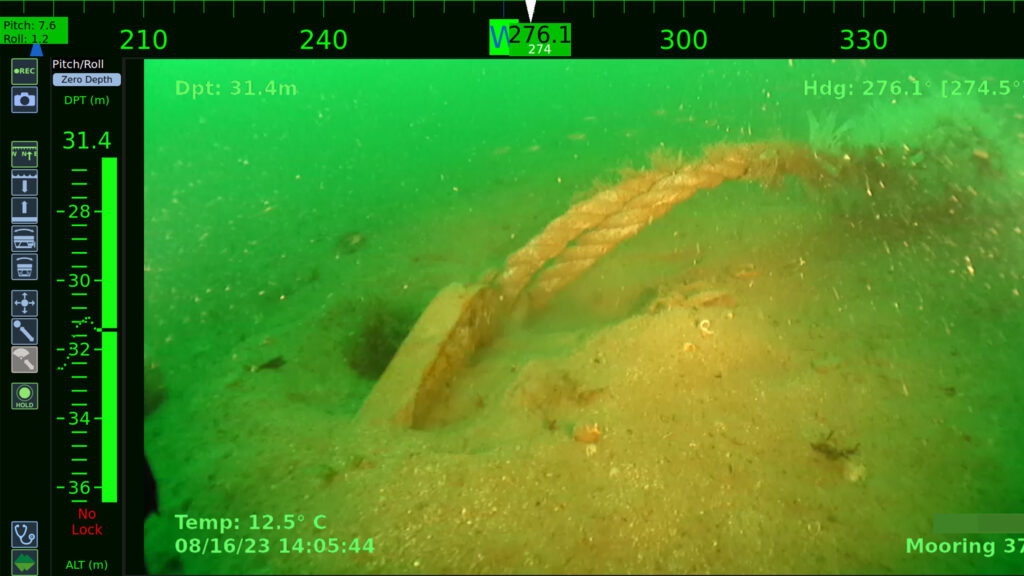
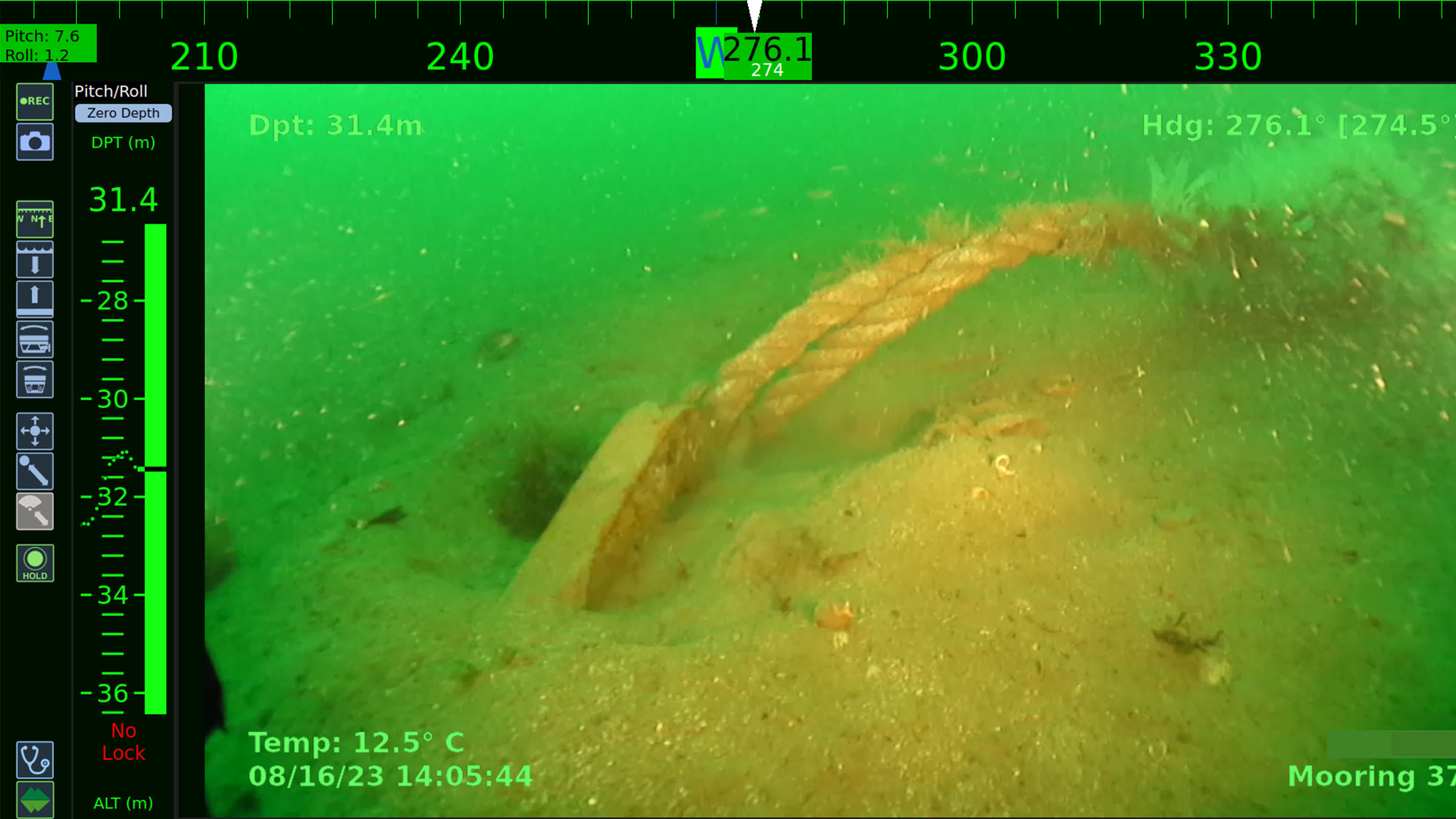
As the aquaculture industry has grown so has the size and complexity of its subsea equipment. Aquasky Ltd use an ROV to inspect mooring lines and anchors is to verify their integrity and location. The number of anchors can vary from 26 to over 60 for each site depending on the size of the farm.

Accurate identification of anchor positions is essential. Farmers must ensure assets remain within their lease areas as moving outside can lead to suspension of the lease, with significant financial impact.

It is also essential to maintain separation between moorings to prevent any damage. Anchors being incorrectly positioned can result in the following causes of mooring failure: –

  1. Anchor chains rubbing through the mooring ropes.
  2. Mooring ropes contacting rocky reefs and rubbing through.
  3. Moorings being positioned where the anchors cannot locate firmly into the seafloor, for example on clean rock.

In the event of mooring failure, movement of the cages can initially result in the nets coming into contact with the submerged farm grid system. The nets are then squashed, and the fish are forced into a very small area with reduced oxygen available, resulting in them becoming stressed and dying.
In the event of catastrophic failure, cages can break away and drift ashore or out to sea, resulting in the fish escaping into the wild population.

As part of the inspection process, Aquasky provide their clients with detailed reports confirming the location and condition of the moorings.

In order to meet their requirements, Aquasky needed a positioning system that was accurate, compact enough to fit on a small ROV, reliable and portable so that it could be transported to and used in all of their clients’ locations, including those abroad.

Aquasky
Aquasky
Aquasky
Aquasky

The solution

Portable and quick to mobilise, our Micro-Ranger 2 USBL system can be used from any waterside location or vessel to track divers, underwater vehicles and equipment. Ideal for using in lochs and challenging water.

It is our smallest ever underwater tracking system. Everything is engineered to fit in one medium-sized carry case. Apart from a laptop to run the software, nothing else is needed and the size is so small, it can be carried on a plane. Perfect for when Aquasky find work outside of Scotland.

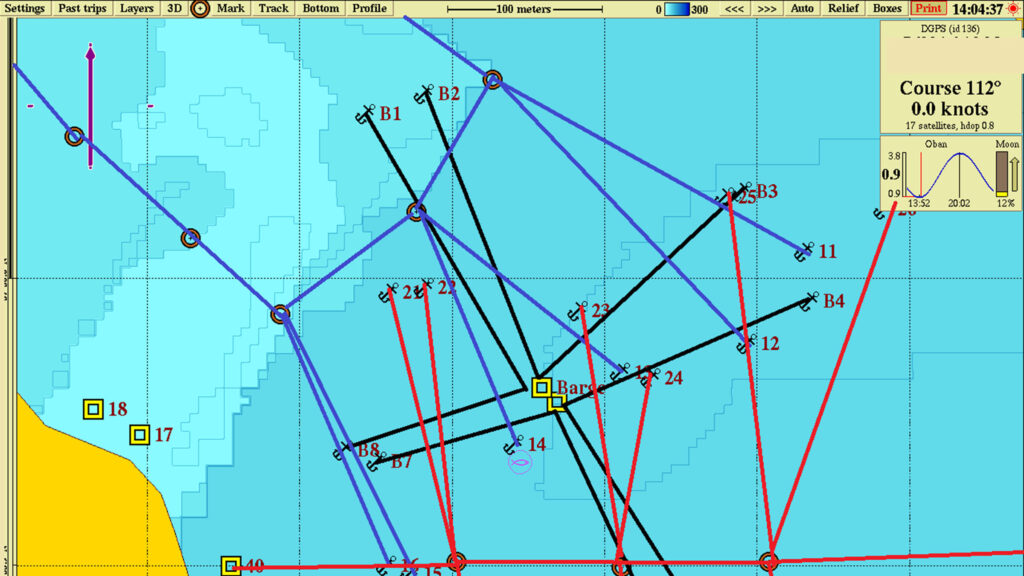
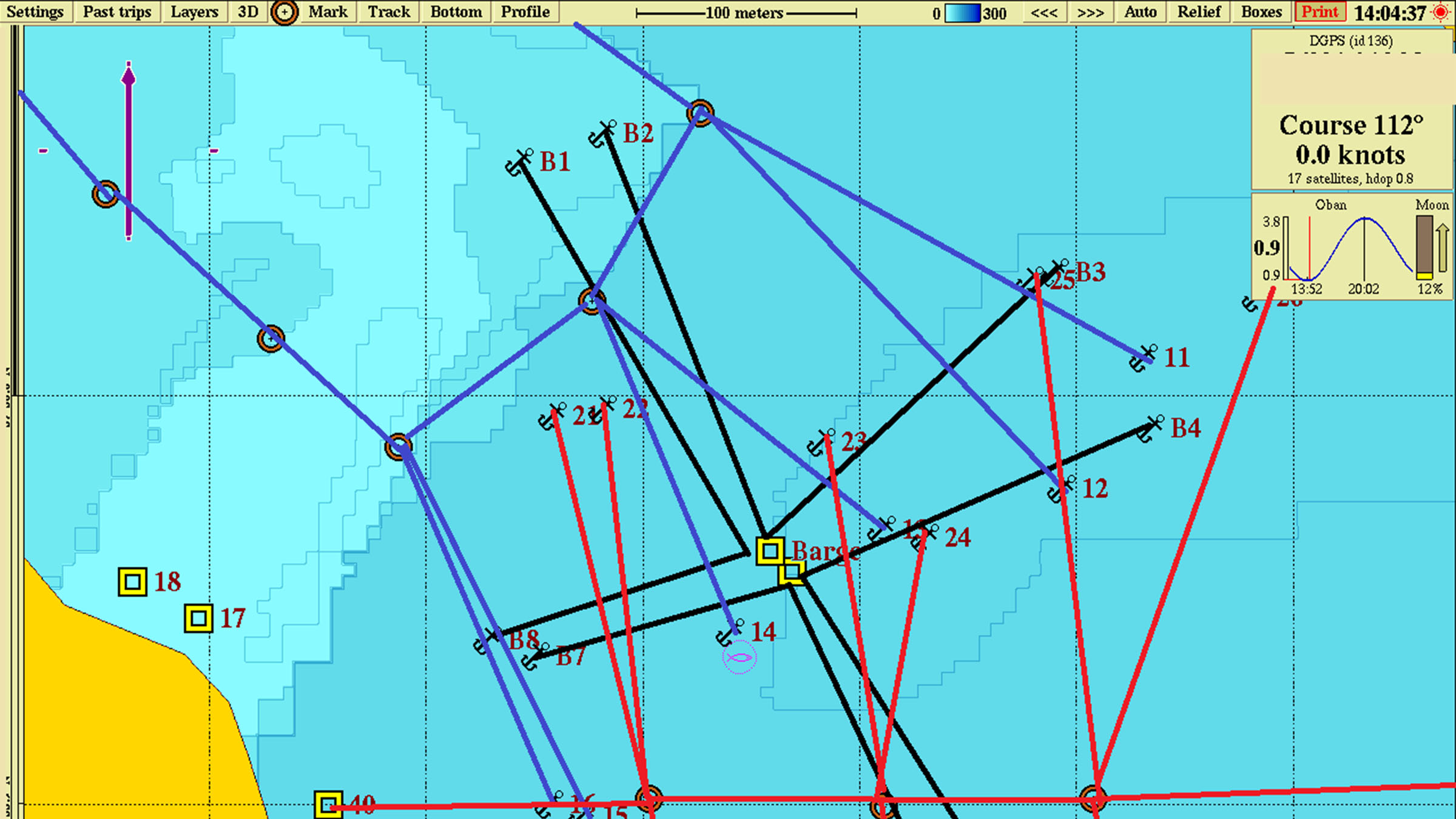
For their anchor and mooring inspections, Aquasky attach a Micro-Ranger 2 Nano transponder to their ROV which then travels around the fish farms. A transceiver is mounted on a vessel nearby and acoustic signals between the transponder and transceiver are used to establish the ROVs, and therefore the anchor/moorings, position. This position can be displayed for in-water tracking and output in real world co-ordinates for interfacing into external chart plotting systems for the clients reports.

“We needed an accurate positioning system that continues to work as mooring lengths increase and in a noisy subsea environment. Having used other cheaper systems, the Micro-Ranger 2 is the only one able to consistently supply reliable positions for anchors at the 300m length currently used by the farms we service.“ Steve Barlow, Founder, Aquasky Ltd.


The results

By adding Micro-Ranger 2 to their subsea inspection tool kit, Aquasky Ltd are able to provide a service that has become the industry standard for fish farm inspections. Their use of an ROV means that inspections are quicker, safer and less expensive than traditional diver inspections. Using Micro-Ranger 2 ensures that the ROV never gets lost and provides accurate data which is vital for the inspection reports.

“We needed an accurate positioning system that continues to work as mooring lengths increase and in a noisy subsea environment. Having used other cheaper systems, the Micro-Ranger 2 is the only one able to consistently supply reliable positions for anchors at the 300m length currently used by the farms we service.”

Steve Barlow, Founder, Aquasky Ltd

“Aquasky’s use of our Micro-Ranger 2 is a great example of its versatility for application in a different marine market sector. Using it for their ROV operations has allowed Aquasky to set the industry standard for fish farm monitoring and inspections. We are delighted to have supported them in doing this and look forward aiding their future operations.”

Alan MacDonald, Head of Sales, UK, Europe and Africa, Sonardyne

Up to

0

%

slant range accuracy

Tracks up to

0

targets sequentially

Maximum

0

m

tracking range

0

Hz

position update rate

Jump to

Overview

Remote and precise subsea monitoring

Whether you are looking to monitor a moving subsea structure or an underwater landslide, look no further. AMTs combine accurate range and pressure measurements, onboard data logging and long deployment life with wireless seafloor-to-surface communications to give you the ultimate long-term autonomous monitoring transponder.

Repeatable, configurable, long-term surveillance

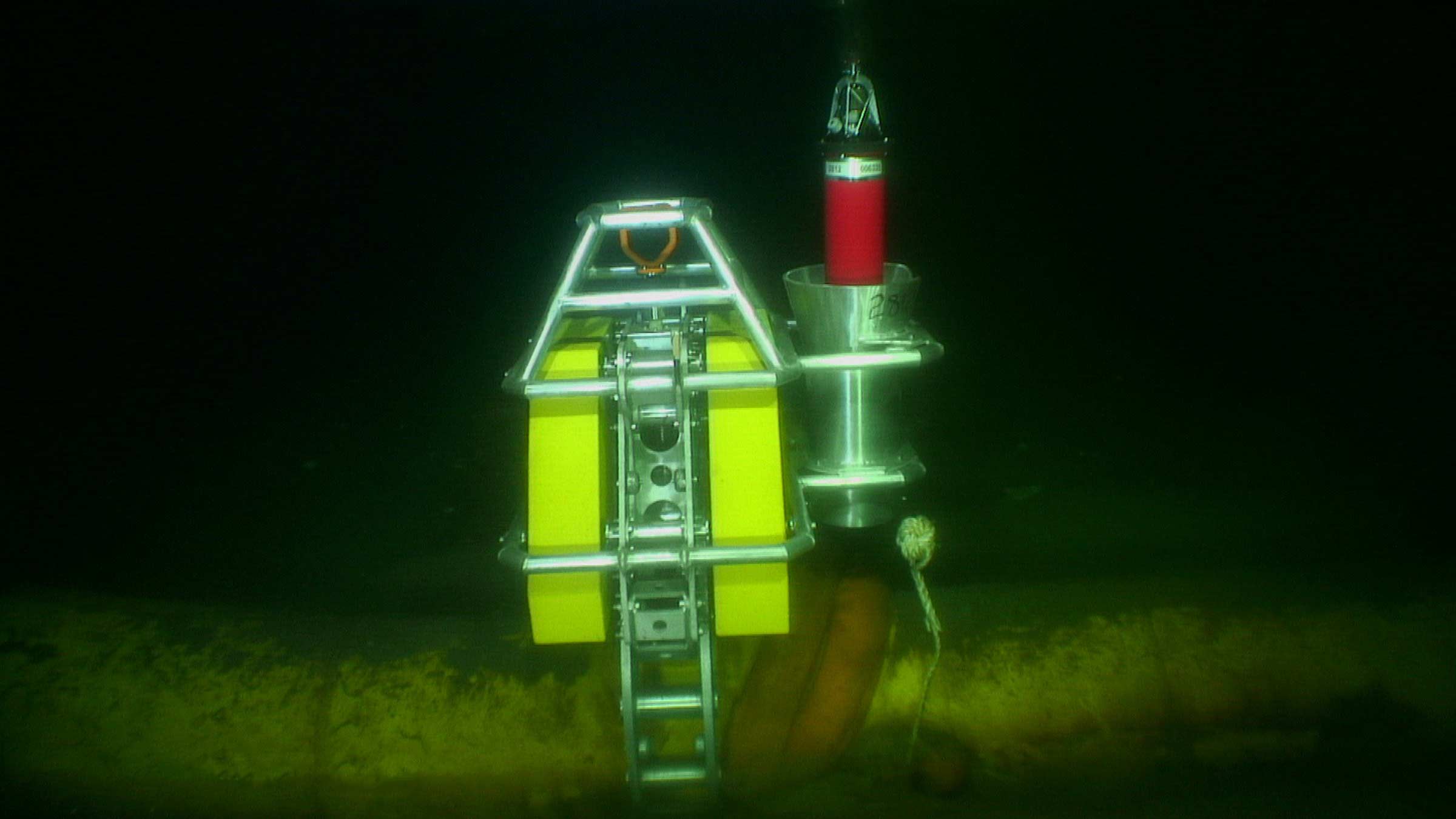
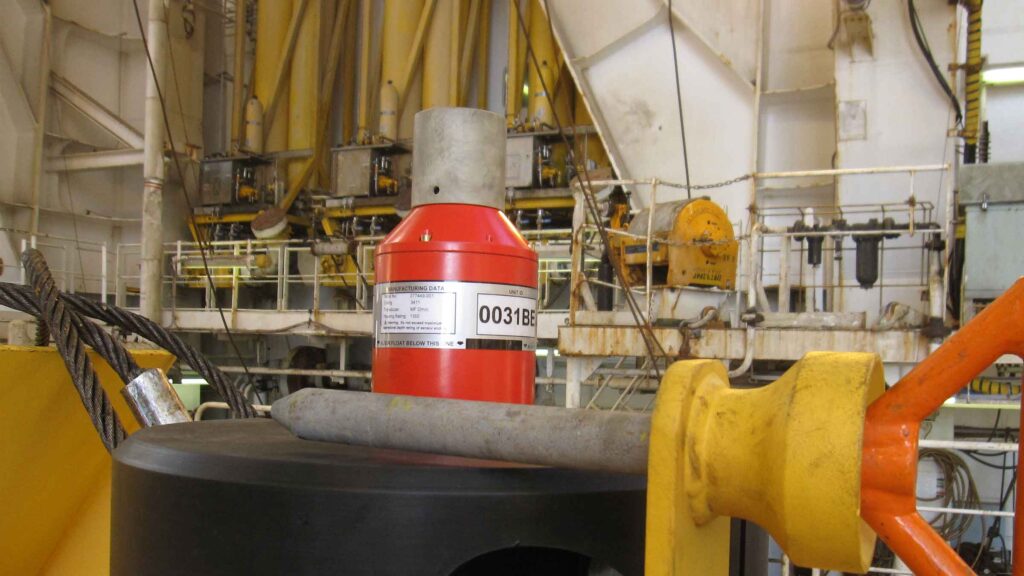
The Autonomous Monitoring Transponder (AMT) is a long-endurance transponder engineered for your long term subsea survey tasks and is capable of autonomously acquiring acoustic ranges and sensor data without surface control.

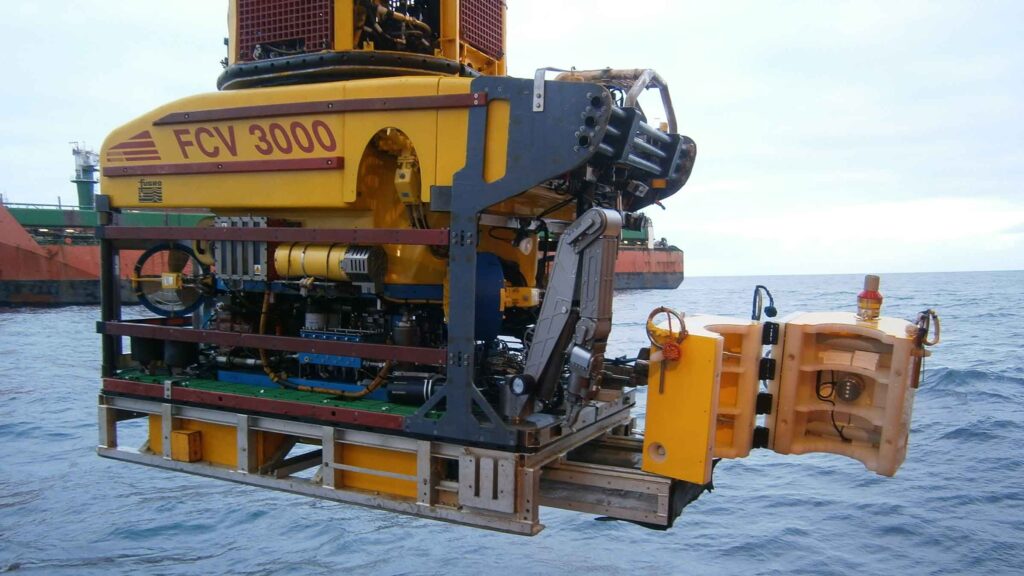
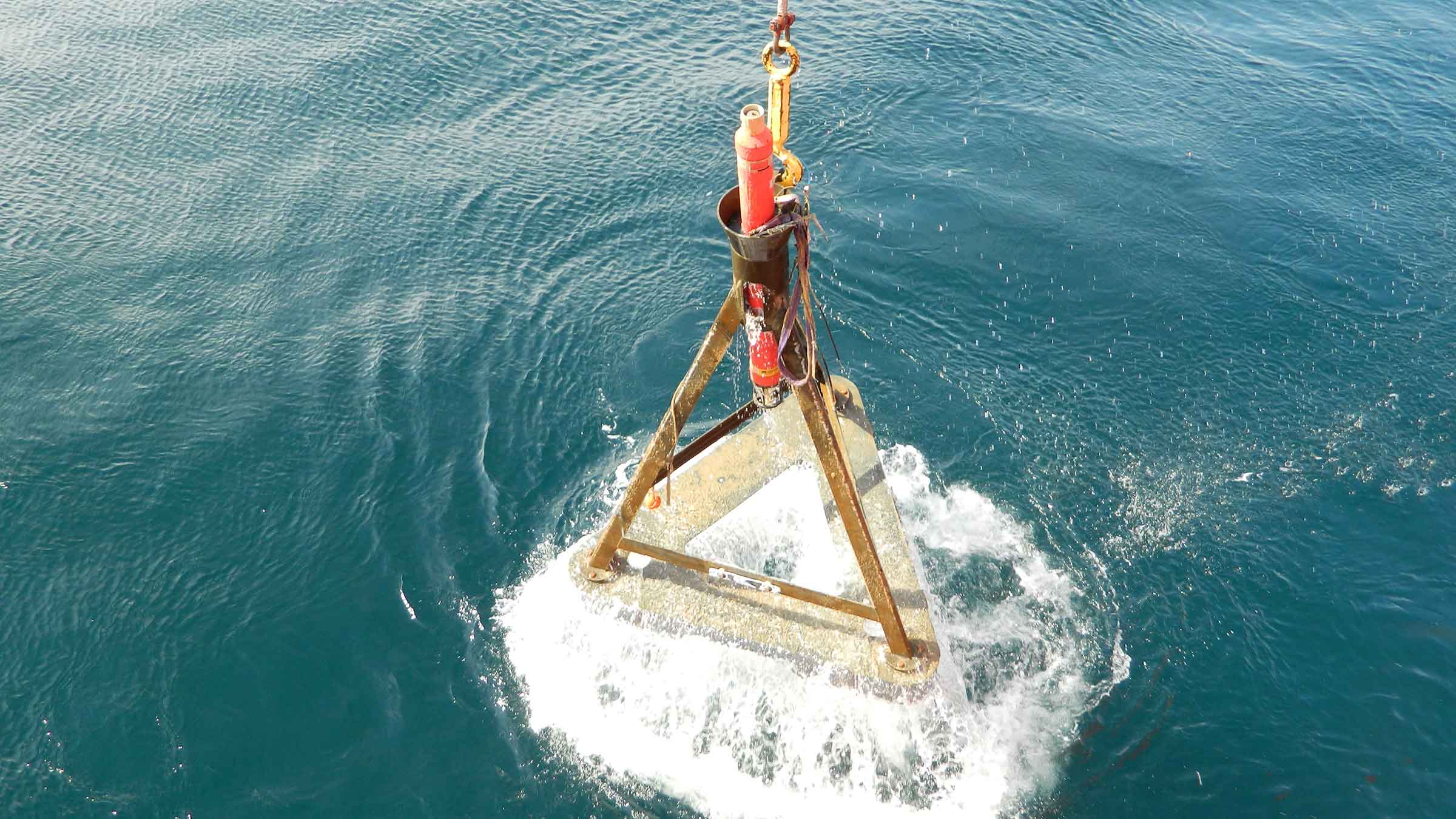
AMTs can detect subtle movement often not picked up by traditional ROV surveys so it’s ideal for monitoring slow movements, like creeping or buckling pipelines. Using structure and seafloor transponder buckets, they can be ROV-deployed, removed and re-installed to provide insight over time. Your AMTs can be configured to take measurements at specific intervals and be adjusted on-demand by you as your campaign progresses. Data can even be collected in real time using a USV should your operation need it.

As it’s collected, data is time-stamped and logged internally for recovery via the integrated high-speed acoustic telemetry modem. This autonomy allows measurements to be made over a long period of time without requiring a surface vessel or ROV to command the process. This enables new applications that save vessel and survey time so reducing cost and risk.

At a glance

  • Recommended for long endurance site surveys
  • Leave it deployed for six years or more
  • Extensive choice of monitoring sensors
  • Depth rated to 3,000 m
  • Harvest data using a ship, buoy, AUV or USV

AMT has many of the same acoustic functions as Compatt 6, our most popular navigation transponder. It operates in the Medium Frequency (MF) band and is fully Sonardyne Wideband 2 compatible.

Precision pressure, temperature, sound velocity and dual-axis inclinometer sensors are integrated and are intelligently powered up at the requested time and sampling period, providing an ultra-low power platform for up to three years deployment. Sampling regimes can be re-programmed, and recovery of all data can be achieved via the acoustic modem.

The instrument is available with a range of omni and directional transducers, depth ratings and pressure housings dependent on deployment duration and application. Additional external sensors can be easily integrated via the power and communications port.

AMT
AMT

Acoustics

• Sonardyne Wideband 2 MF band (18 – 36 kHz)
• Over 500 unique addresses, ideal for large array deployments
• Data transfer rates of 100 to 9,000 bps – user selectable
• Omni-directional and directional transducers to suit environmental conditions
• Ranging precision: Better than 15mm

Sensing

• Standard onboard: Temperature, tilt, strain gauge
• Optional onboard: high precision stain gauge, DigiQuartz pressure sensor, high accuracy inclinometer, sound velocity
• Sampling rate: user configurable
• Vessel, USV or AUV data harvesting options
• Optional external: current meters, turbidity sensors

Design

• 3,000 m depth rating
• Aluminium or aluminium-bronze housing depending on environmental conditions and duration of deployment
• Can be deployed for over 5 years without recovery (maxi housing)
• ROV-friendly design: integrated acoustic release mechanism as standard

Ownership

• Warranty: 1 year return to Sonardyne service centre
• ITAR Controlled: No
• UK Export Licence: Not required
• A typical system: multiple seafloor and structure mounted AMTs (typically 6), vessel-based Modem 6 or Dunker 6 or HPT 5000 / 7000, SIU, Monitor software

Specifications

Feature Type 8305-3411 Type 8305-3111 Type 8305-3113
Depth rating 3,000 m 3,000 m 3,000 m
Operating frequency MF (20–34 kHz) MF (20–34 kHz) MF (20–34 kHz)
Transducer beam shape Omni-directional Omni-directional Directional
Transmit source level (dB re 1 µPa @ 1 m) 187–196 dB
(4 levels)
187–196 dB
(4 levels)
190–202 dB
(4 levels)
Tone Equivalent Energy (TEE) 193–202 dB 193–202 dB 196–208 dB
Receive sensitivity (dB re 1 µPa) 90–120 dB
(7 levels)
90–120 dB
(7 levels)
80–120 dB
(7 levels)
Ranging precision Better than 15 mm Better than 15 mm Better than 15 mm
Number of unique addresses Wideband 1 & 2 >500 >500 >500
Battery life (listening, disabled) Alkaline 833 days 833 days 833 days
Safe working load (4:1) n/a 250 kg 250 kg
Mechanical construction Aluminium-bronze Aluminium Aluminium
Dimensions (length x diameter) 1007 x 130 mm 1034 x 134 mm 1018 x 134 mm
Weight in air/water 35/24 kg 24/12 kg 24/12 kg
Endcap sensors and options
Temperature (±0.1°C) Standard Standard Standard
Tilt switch (±30-45°) Standard Standard Standard
Strain gauge pressure sensor (±0.1%) Standard Standard Standard
High precision strain gauge (±0.01%)
Presens or Keller Optional Optional Optional
Paroscientific digiQuartz pressure sensor
1350 m, 2000 m, 4130 m, 6800 m (±0.01%)
Optional Optional Optional
High accuracy inclinometer
range: ±90°, Accuracy: ±0.05° over 0 – ±15°; ±0.2° over 0 – ±45° Optional Optional Optional
Sound velocity sensor
±0.02 m/s accuracy under calibration conditions Optional Optional Optional
Release mechanism n/a Standard Standard

Rising to the challenge: riser tower monitoring

When Petrobras's Cascade and Chinook development went into production in 2010, it claimed two major milestones. It was the first floating production, storage and offloading (FPSO) facility used to accept production from the fields in the Gulf of Mexico, at 2,600 m. It was also the world's deepest operating FPSO.

The Cascade Chinook fields lie 180 miles offshore in the ultra-deep water of the Walker Ridge block. Petrobras America Inc. (PAI), the fields’ operator, fast tracked the development with the use of a converted tanker (later sold to Murphy Oil who now operate the FPSO).  

Oil production is facilitated through free standing hybrid risers (FSHRs) connected to flowlines from the field to serve the FPSO, delivering oil and gas to the surface for processing and exporting processed gas to a subsea pipeline.  

Crude is offloaded to a shuttle tanker. All risers and umbilicals are integrated into a disconnectable submerged turret buoy that allows the FPSO to weathervane and move off-station as required.  

Life-of-field monitoring

To maintain the integrity of the FSHRs, the Subsea Technology Group from Petrobras’s R&D Centre in Brazil, prepared a specification for PAI of a comprehensive life-of-field subsea monitoring system and contracted BMT Scientific Marine Services as the systems integrator responsible for its delivery.  

BMT has experience in the development of offshore monitoring systems and, following the successful development of a similar system for the Petrobras P·52 platform in Brazil in 2007, BMT again chose to partner with Sonardyne for the positioning and telemetry component of the riser monitoring system. 

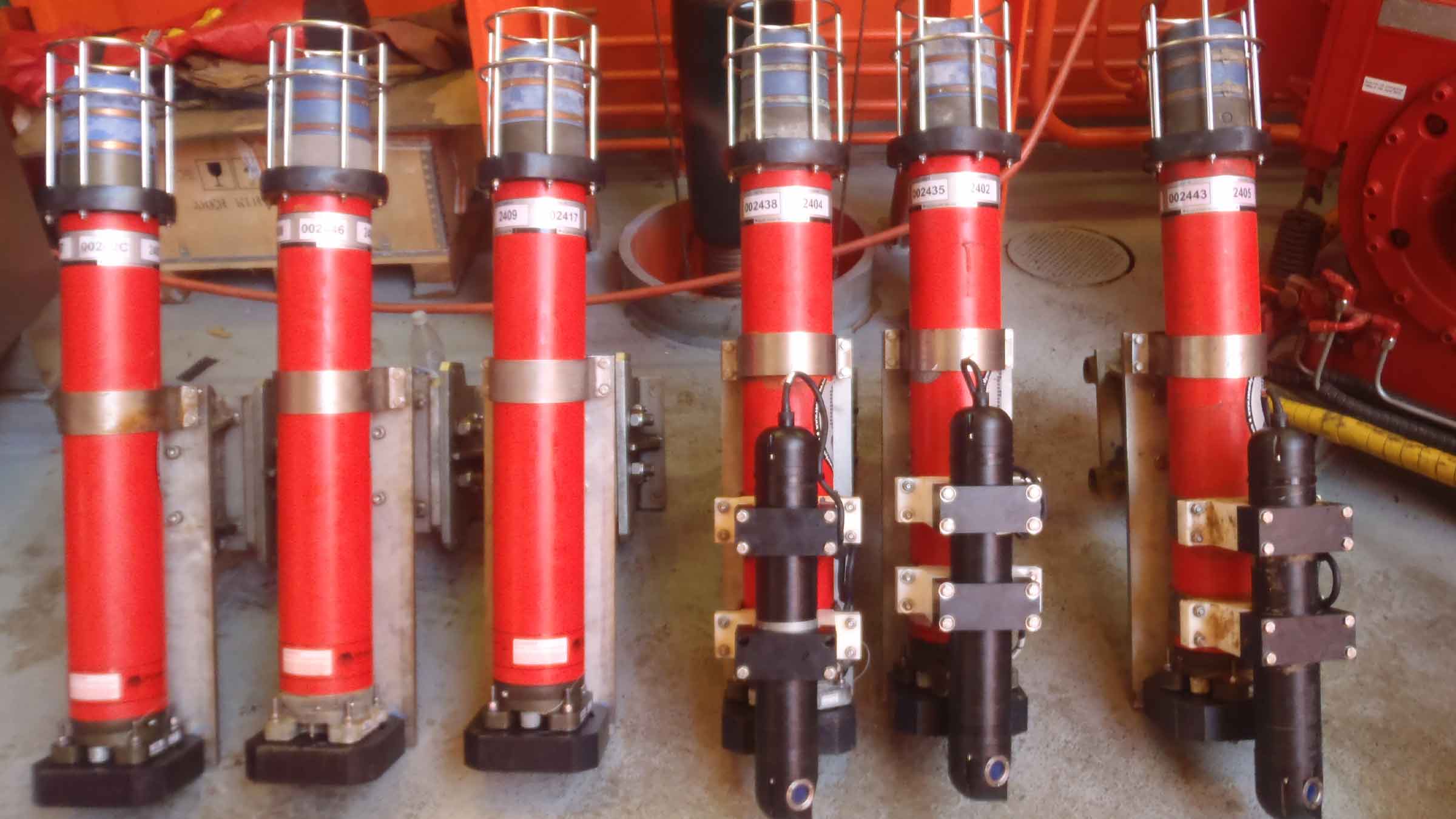
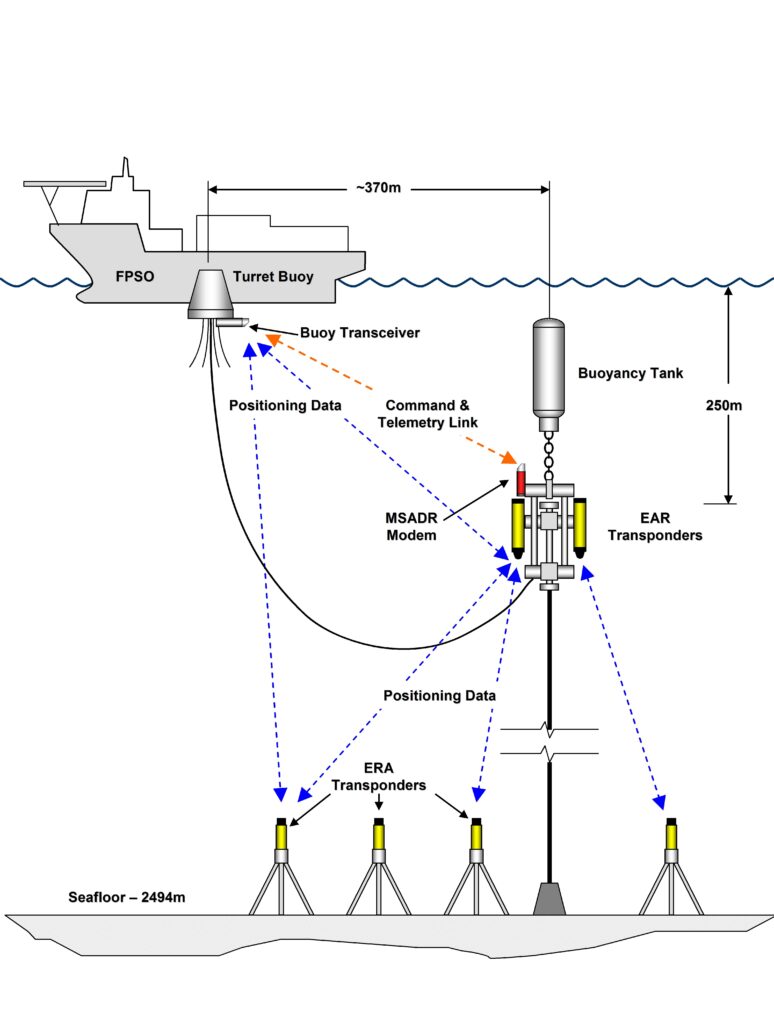
The primary requirement for the acoustic instrumentation is to monitor the position of each riser tower and of the turret buoy relative to the seabed. In addition, integrated sensors monitor depth, temperature, inclination and sound speed whilst the integrated modem transfers data from the load and attitude monitoring system on each riser tower to the turret buoy. The system uses Sonardyne Wideband acoustic telemetry to guarantee high speed and reliable data communications for all these tasks. 

Integrity – Measure, command and monitor

To ensure line-of-sight to each riser tower without obstruction by the flexible risers or mooring lines, the turret buoy was equipped with three of our transceivers. The transceivers perform the following multiple functions: 

  • Measure ranges directly from themselves to the seabed transponder array in order to provide an accurate position for the turret buoy. 
  • Send commands to transponders mounted near the top of each riser tower, instructing them to measure the ranges to the seabed array. The positions of the risers can then be accurately determined.  
  • Acquire sensor data from the riser transponders and the seabed array. 
  • Send commands to, and recover data from, BMT’s data logger on the risers, fitted with an acoustic modem.

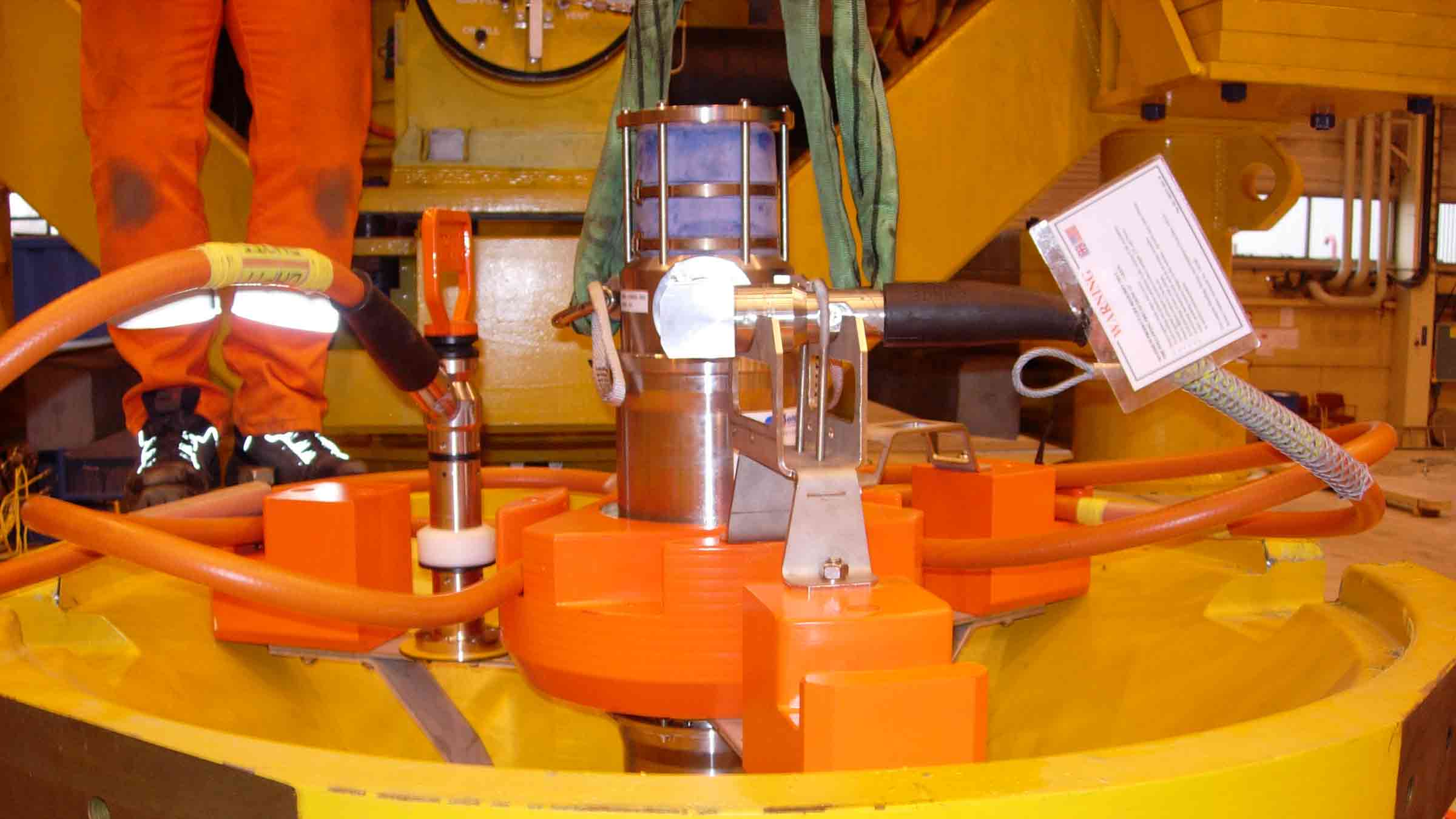
The transponder on the risers and on the seabed are versions of our Autonomous Monitoring Transponders (AMTs) which operate an efficient Wideband command protocol. 

This allows much faster set up of transponder parameters and enables the sensors fitted to the riser transponders to be measured and reported at the same time as the acoustic measurements are made, greatly speeding up the acoustic monitoring cycle. 

In normal operation, data acquisition will be controlled by the topside monitoring system on the FPSO. In the event of a disconnection due to adverse weather or maintenance, the subsea system continues to record data on the turret buoy, which can later be downloaded by the FPSO or another vessel for processing by Petrobras proprietary software.  

The integrity monitoring system provides valuable data about the movement from either vortex-induced vibration or flow-induced vibration and loading on hybrid riser systems from currents and extreme weather events. 

The system demonstrated a growing demand for reliable subsea remote integrity monitoring that has been enabled by the high performance of Sonardyne monitoring and acoustic positioning, data communication systems and subsea strain and motion sensing systems.  

P-52 permanent subsea riser monitoring system

Sonardyne previously supplied the acoustic positioning and data recovery equipment for the single FSHR close to the Petrobras P-52 platform in the Brazilian Roncador field.  

Installed in the Autumn of 2007, a single acoustic transceiver on the platform communicates with the transponders and modem on the risers and with a seabed array of five Sonardyne Compatt 5 transponders.

Because of the large amount of data to recover from the data logger on the risers – over 90 Mbytes in the first six months – our High Data Rate Link (HDRL) was employed to transfer data from the loqqer to the platform. The monitoring system sends strain, motion and position information every four hours. 

This transfers data at the speed of 15,000 bps and is ideal for transferring the large data records to the surface error free and as efficiently as possible.  

Since its commissioning in 2007, the system has provided invaluable data for analysing the movement of the riser tower, allowing confidence in the development of more complex FSHR installations such as in the Cascade and Chinook field. 


(The original version of this article was first published in Sonardyne’s Baseline magazine in 2009. It has been lightly edited for present tense).  

https://www.sonardyne.com/wp-content/uploads/2021/06/baseline_issue_4.pdf