Sonardyne
Support Centre
Jump to

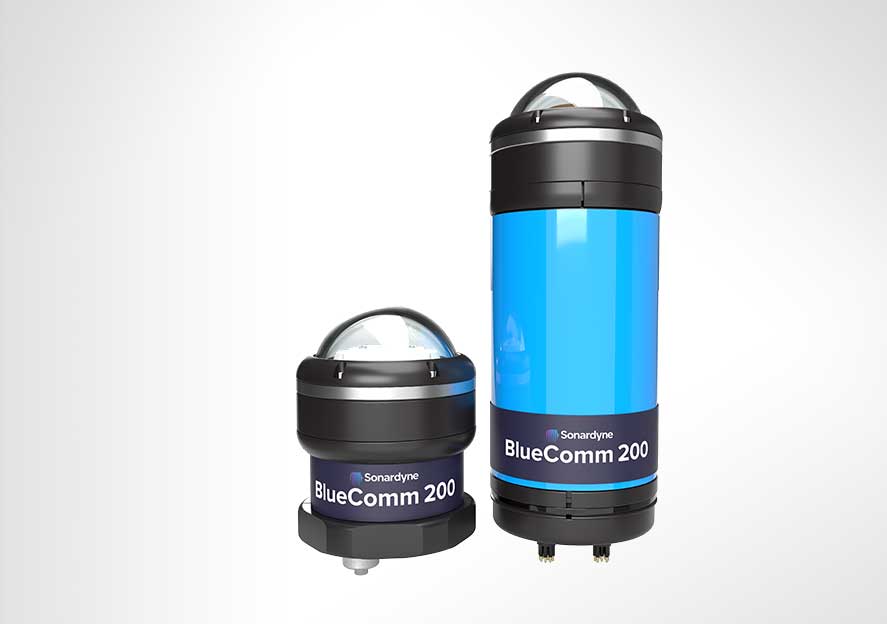
When you need to transfer large amounts of subsea data over short distances – you need BlueComm 200

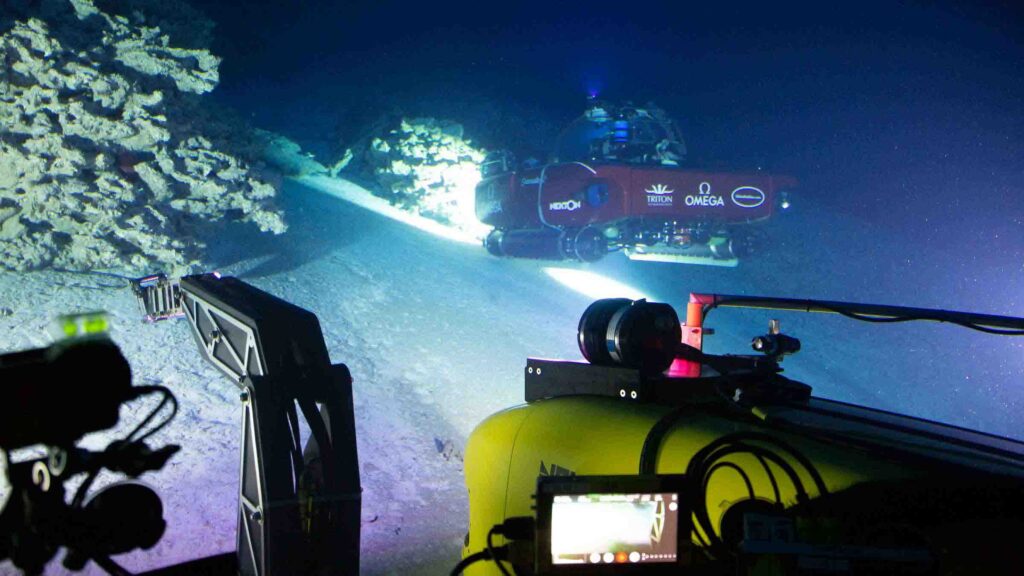
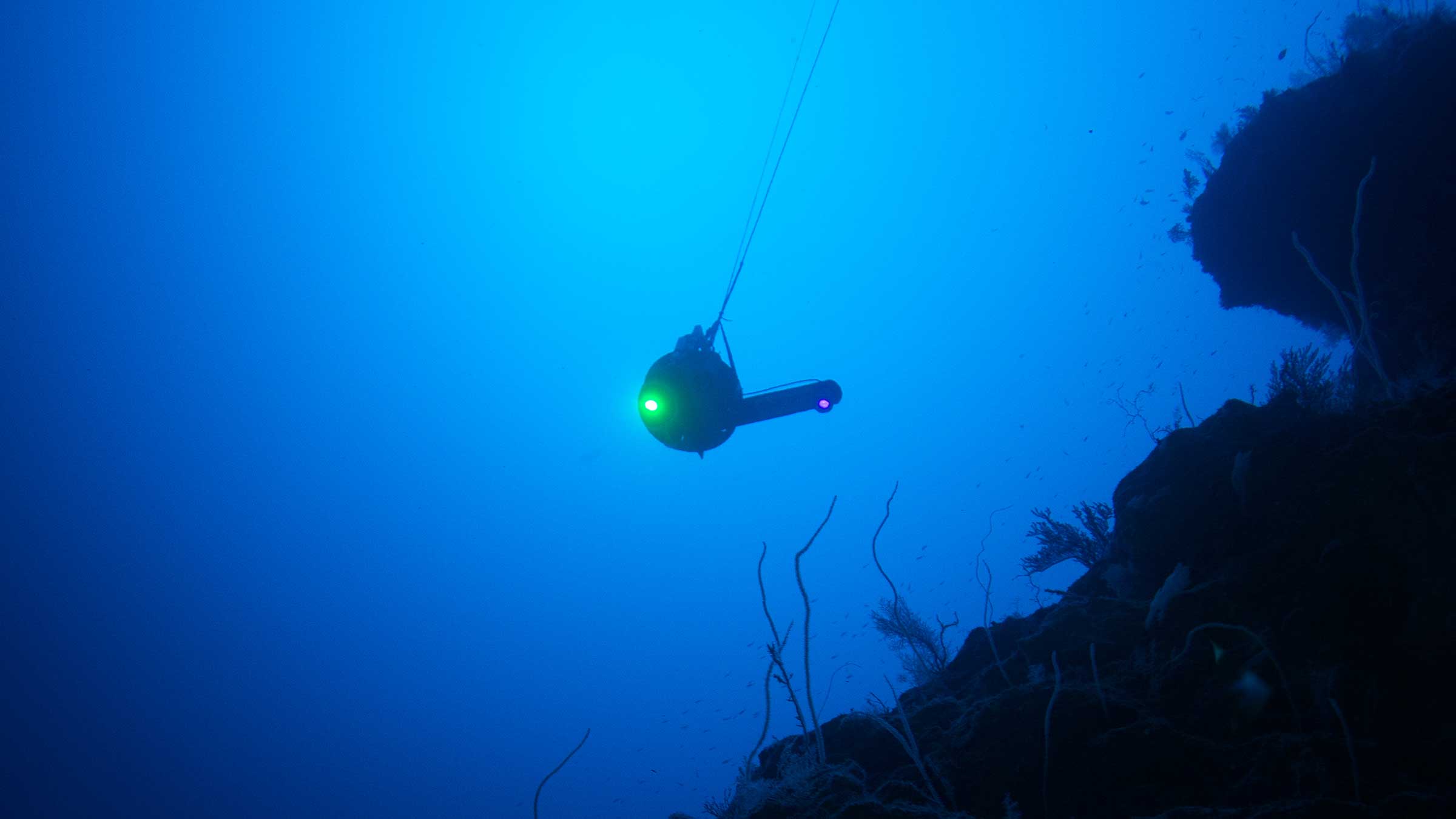
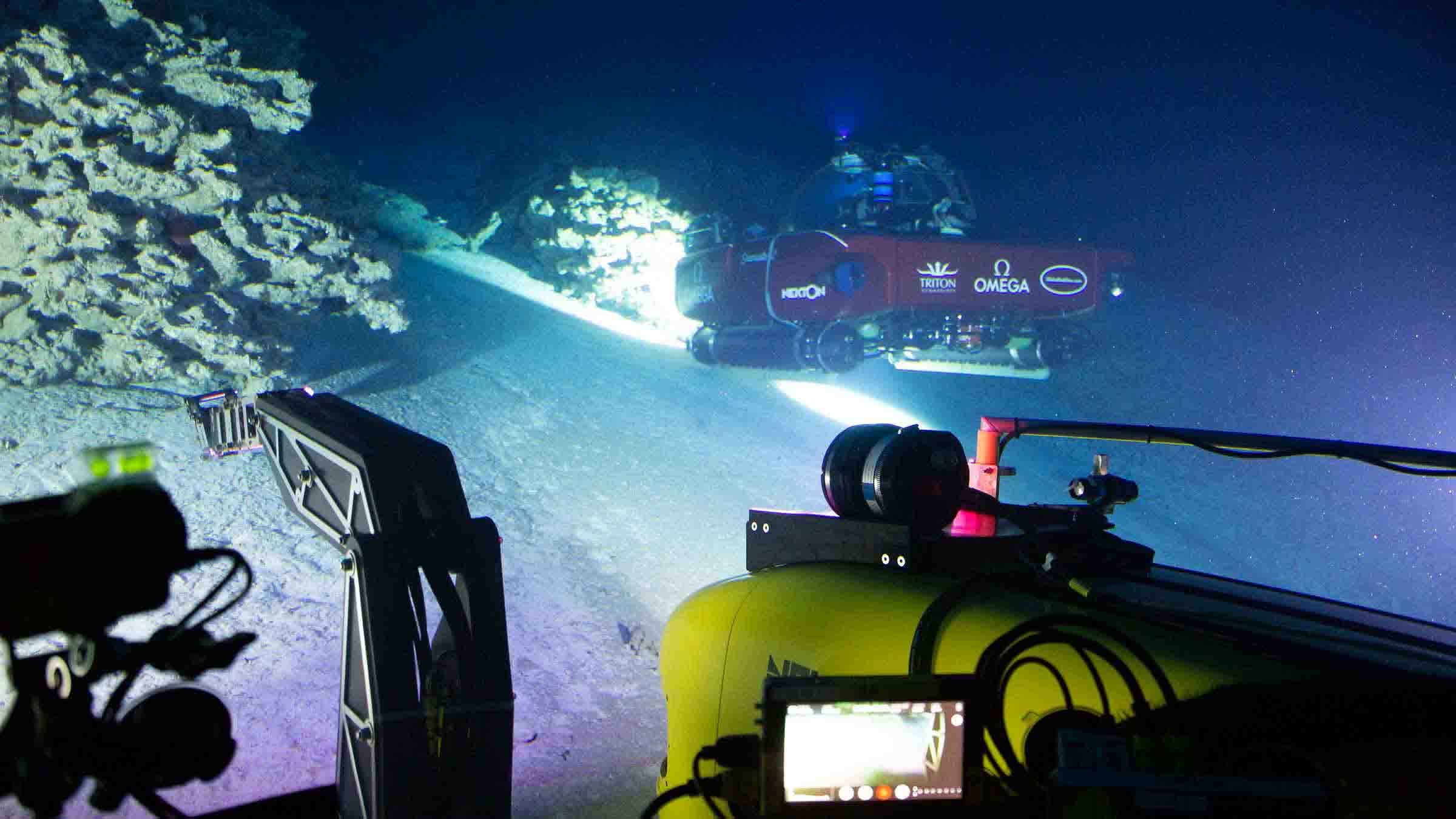
Transform your underwater operations with BlueComm 200, our pioneering wireless optical communication system. You’ll experience game-changing data transfer speeds enabling true wireless subsea operations, with rates up to 10 Mbps at distances reaching 150 m – even in bright conditions.

Innovation at work

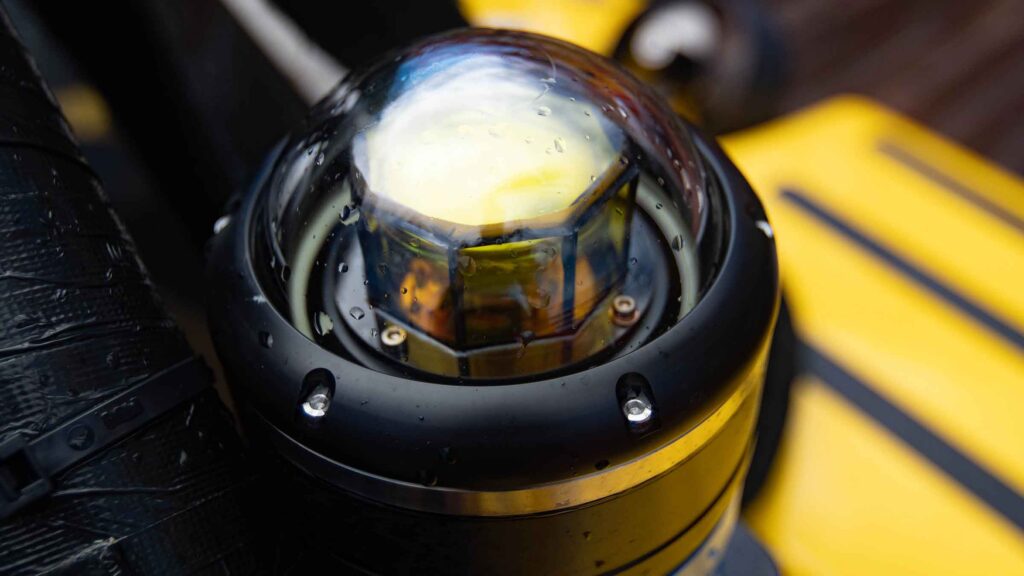
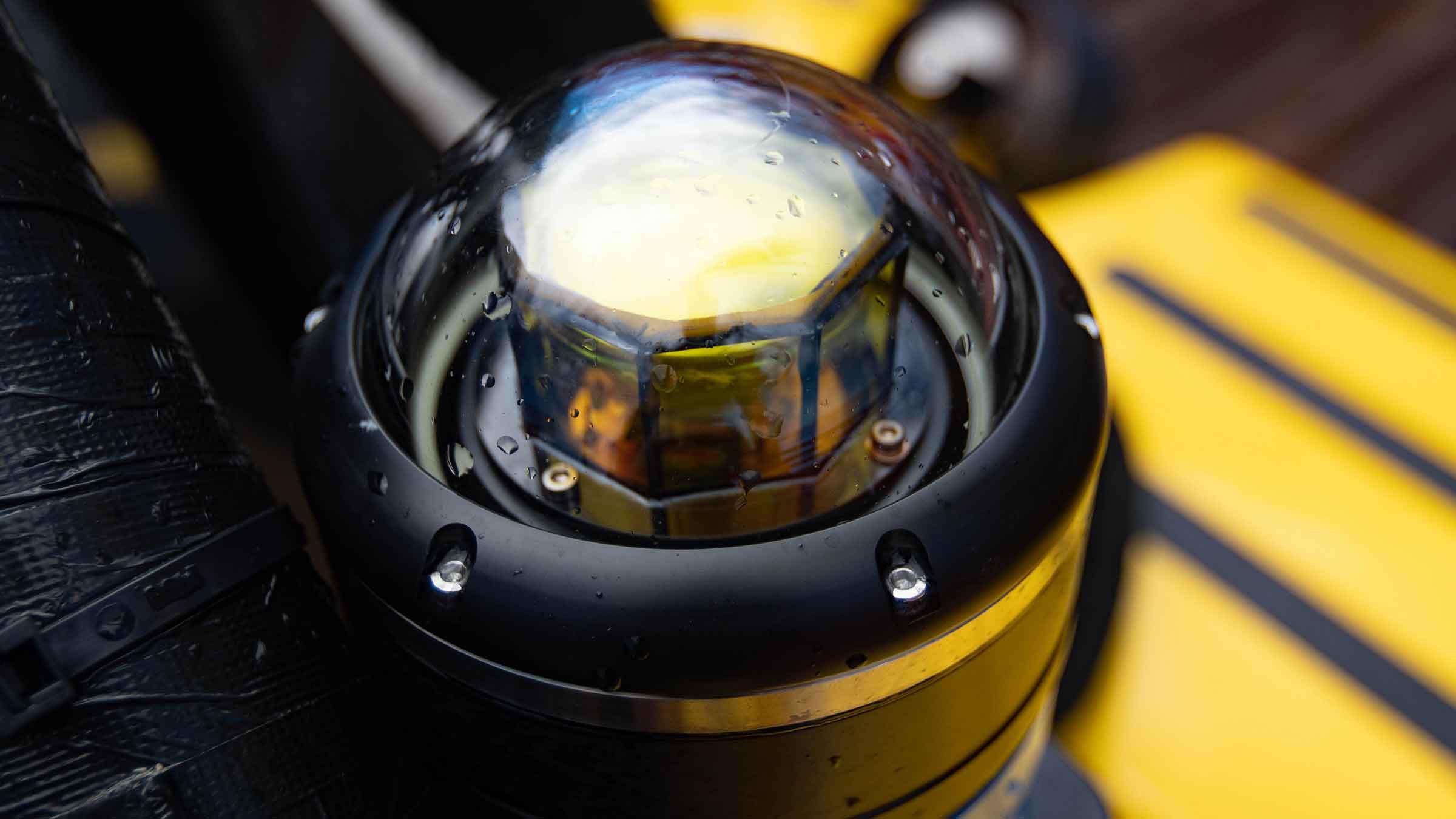
We’ve engineered BlueComm 200 to push the boundaries of your underwater communication. Using advanced LED technology and sensitive photomultiplier tubes, you’ll achieve communication ranges up to 150 m. Its design houses the emitter separately from the receiver, ensuring optimal performance and reliability.

Fast and flexible – key features to power your mission


  • Lightning-fast data transfer: 2.5 to 10 Mbps at ranges up to 150 m
  • Optimal performance: Perfect for moderate to low turbidity dark water (>200 m depth or at night)
  • Flexible deployment: Connect with your AUV, ROV, USV or surface dunker system
  • Deep-rated capability: Ready for operations up to 4,000 m
  • Speed of light technology: Experience unprecedented data transmission rates
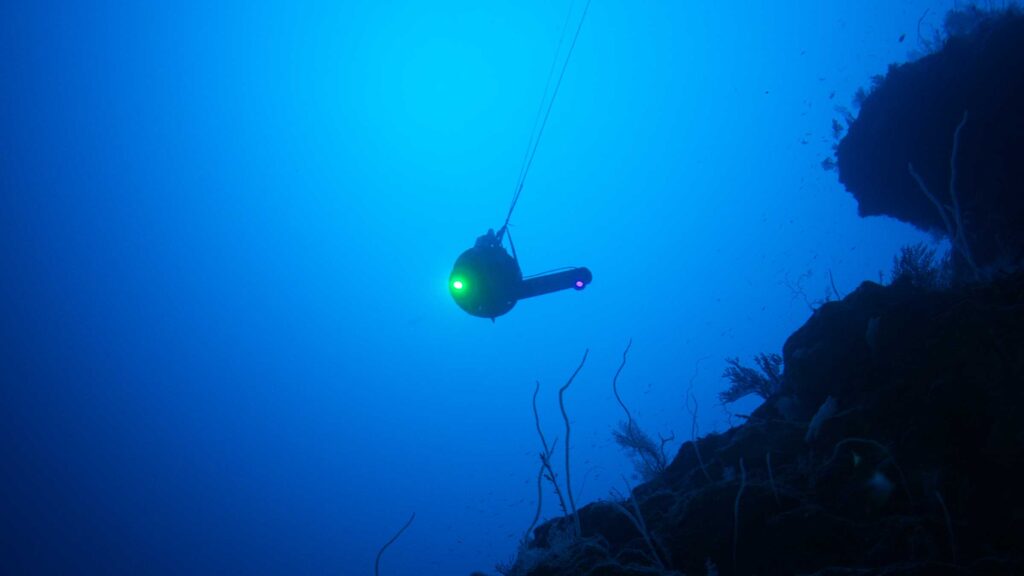
Perfect for your platform

Perfect for your:

  • Autonomous Underwater Vehicles
  • Extra-large uncrewed underwater vehicles (XLUUV)
  • Uncrewed Surface Vehicles
  • Remotely Operated Vehicles
  • Tracking and communications systems


Choose your perfect match:

BlueComm 200

When you need maximum range and performance in dark water conditions, our visible light system delivers up to 150 m range – ideal for video transfer and direct vehicle control. You’ll transfer data up to 10,000 times faster than acoustic systems, although ambient light may affect operating range.

BlueComm 200 UV

Working with lights on? Our UV variant maintains reliable communication even with artificial lighting present. Operating at ranges up to 75 metres, it’s your go-to solution for ROV and AUV applications requiring illumination, such as video recording missions.

Both systems offer incredible energy efficiency – transfer more than nine gigabytes of data using just one Lithium D cell battery.

Specifications table

Feature Type 8361 BlueComm 200 UV
Depth rating Up to 4,000 m operation
Data rate 2.5–10 Mbps
Optical communication range Up to 75 m
Mechanical construction Anodized aluminium or titanium
Supply voltage 24–36 V dc
Communications interface 10/100 Base-T Ethernet (static IP address)
Command interface Graphical user interface or Ethernet UDP command set
Receiver unit
Receive wavelength UV (band pass filter blocking visible light)
Receive angle 180° (omni-directional)
Receiver weight in air/water 7.3/3.1 kg
Power consumption 10 W
Emitter unit
Optical transmit power 6 W (radiated light)
Optical wavelength options 450 nm (royal blue), 400–800 nm (white)
Emitter beam shape 180° (omni-directional)
Emitter weight in air/water 3.6/2.6 kg
power consumption 30 W (bandwidth allocation dependant)
Environmental and dimensions
Operating temperature range -5 to 40°C
Storage temperature -20 to 55°C
Dimensions (length x diameter) Receiver 384 x 136 mm
Emitter 199 x 136 mm


Manuals and quick start guides

Optics

• 450 nm (royal blue), 405 nm (UV) optical wavelength
• 180° (omni-directional) beam pattern
• 10 W / 15 W receiver / transmitter optical transmit power

Design

• Titanium and glass construction
• Subconn connectors
• 5.7 kg weight in water, emitter and receiver

Performance

• 2.5 – 10 Mbps data rate
• 4000 m depth rating
• Up to 150m optical communication range

Ownership

What’s in the box?
• Manual, 2 test cables and 2 sets of one emitter and receiver
• Warranty: 1 year return to Sonardyne service centre
• ITAR Controlled: No
• UK Export Licence: Not required

Pioneering new era in deepwater seismic monitoring: OD OBN 

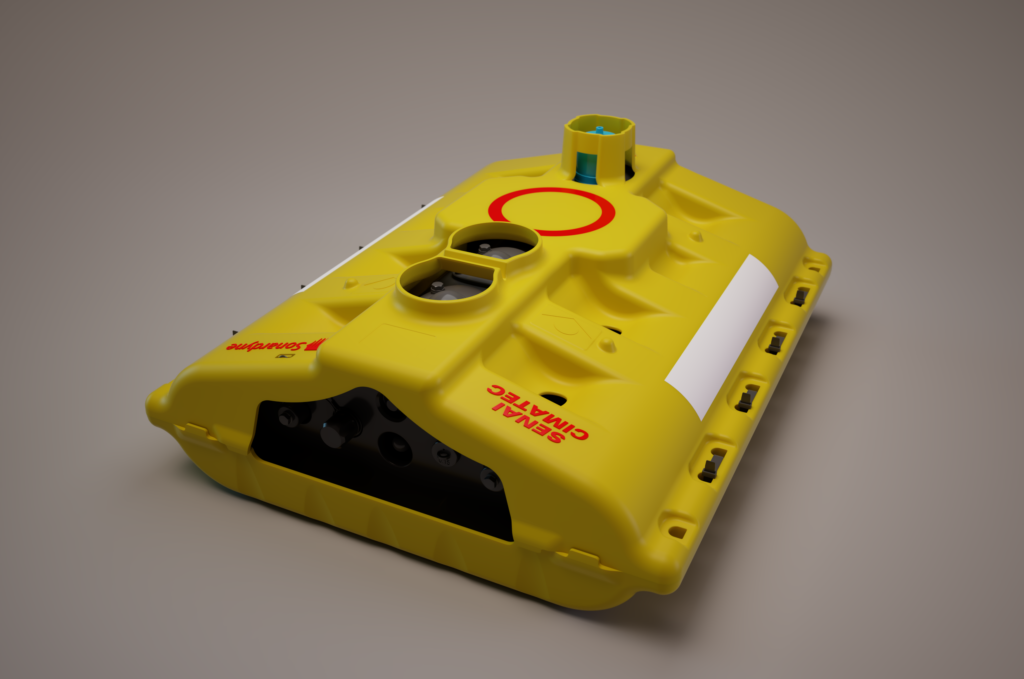
Shell Brasil, Petrobras, Sonardyne, and SENAI CIMATEC are pioneering autonomous technology that transforms how Brazil's challenging pre-salt fields are monitored. Now entering a major pilot array phase, the ground breaking On-Demand Ocean Bottom Node programme promises more efficient, cost-effective 4D seismic surveillance—with fewer people and lower environmental impact. This critical milestone brings us a step closer to a fundamental shift in deepwater reservoir management.

The challenge

Brazil’s pre-salt reservoirs lie in more than 2,000 m water depth, plus another 3,000 m beneath the seabed, making seismic imaging particularly challenging.

Traditional seismic surveys using ocean bottom nodes (OBNs) provide high-quality seismic data, but are often expensive and logistically complex, involving the repeated deployment and recovery of nodes using remotely operated vehicles (ROVs).

These factors can limit the frequency and economic viability of frequent 4D seismic campaigns, which are essential for understanding reservoir dynamics over time.

This is particularly challenging for monitoring large pre-salt carbonate fields where production by alternating water and gas injection (WAG) generates subtle and complex 4D signals that are difficult to measure.

These signals require on-demand monitoring with sufficient fidelity and repeatability to overcome the high levels of survey noise prevalent in conventional node-based surveys.

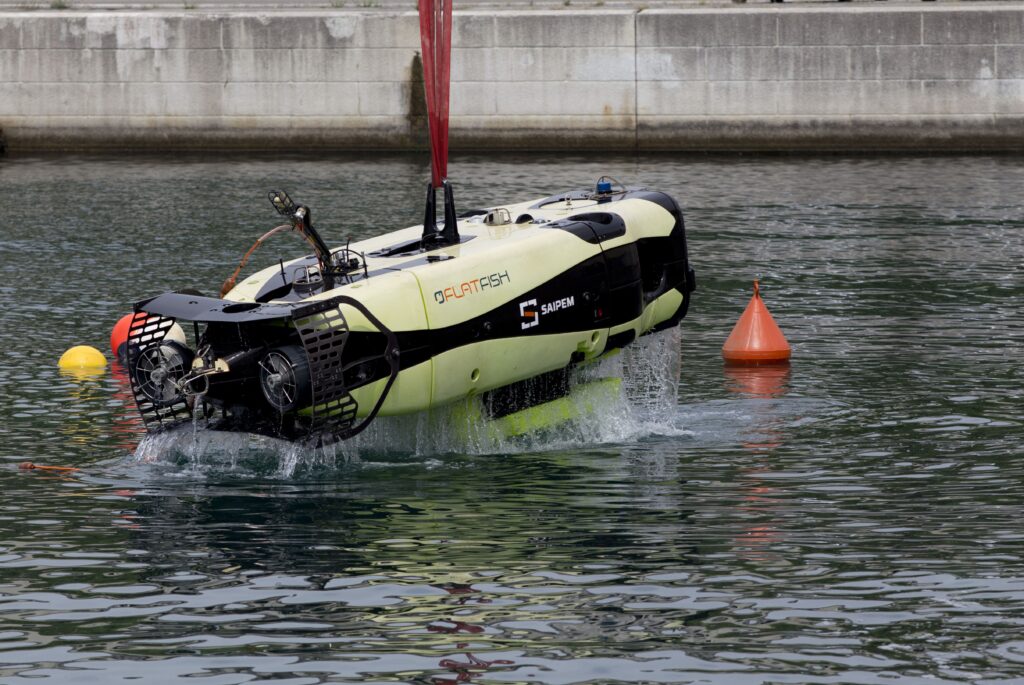
Saipem's FlatFish

The solution

Launched in 2018, the OD OBN programme is a research and development collaboration between partners Shell, Petrobras, SENAI CIMATEC and Sonardyne, supported under the Research Development and Innovation funding clause of the Brazilian National Agency for Petroleum, Natural Gas and Biofuels (ANP).The On-Demand Ocean Bottom Node (OD OBN) programme marks a pivotal step in addressing these challenges, providing a disruptive approach to time-lapse seismic data acquisition.

It is a pioneering new [system for] acquiring 4D seismic data, which delivers more efficient and cost-effective surveillance of complex pre-salt fields. At its core is a long-term OBN system that can remain on the seabed for several years, capturing seismic data that can be recorded and harvested “on-demand” using autonomous underwater vehicles (AUVs), without the need for repeated deployment and retrieval cycles.

Vast quantities of seismic data are harvested wirelessly using an AUV such as Saipem’s ‘Flatfish’, that implements the through-water optical interface to interrogate the OD OBNs, as developed under a separate ANP programme sponsored by Shell.

This AUV data harvesting approach eliminates the need for node recovery, dramatically reducing vessel time, operational complexity and associated costs.

Key Sonardyne technologies include wireless acoustic communications, required for long range recording control and node clock time offset measurement, and Sonardyne’s BlueComm extremely high-speed optical communications for short range data harvesting to a nearby AUV or remotely operated vehicle (ROV).

The results

Over 2,000 days of trials of pre-production nodes have been conducted across various pre-salt fields including Sapinhoá, Itapu and Buzios. These have successfully demonstrated acoustic control, high-fidelity data acquisition and optical data harvesting using BlueComm, as well as comparing OD OBN data with that of other commercial nodes.

The final round of tests concluded successfully in 2025, with results presented at the IMAGE ‘25 conference in Houston and SBGf Rio’25 conference in Rio de Janeiro.

Next steps

A pilot array of 660 pre-production nodes is currently being produced at a brand-new manufacturing facility in Camaçari, near Salvador, Brazil. Hundreds of these nodes will soon be deployed at the Mero field operated by Petrobras for extended testing and performance evaluation.

The long-term vision is to use autonomy and state of the art communications technologies to enable operators to conduct more frequent ‘on demand’ seismic surveys, with higher fidelity data, at a fraction of the cost of conventional seismic survey methods.

This capability will provide clearer insights into fluid movements and pressure changes within the reservoir, helping to optimise production strategies, improve decision making and enhance recovery rates in one of the world’s most challenging offshore provinces.

OD OBN is not just an incremental improvement, but a fundamental shift in how the industry approaches deepwater reservoir management.

Your challenges. Our solutions

Learn how our custom engineering team can support your project, no matter how big or small, from the shallows to the deep.

Jump to

Overview

Guiding your subsea vehicles

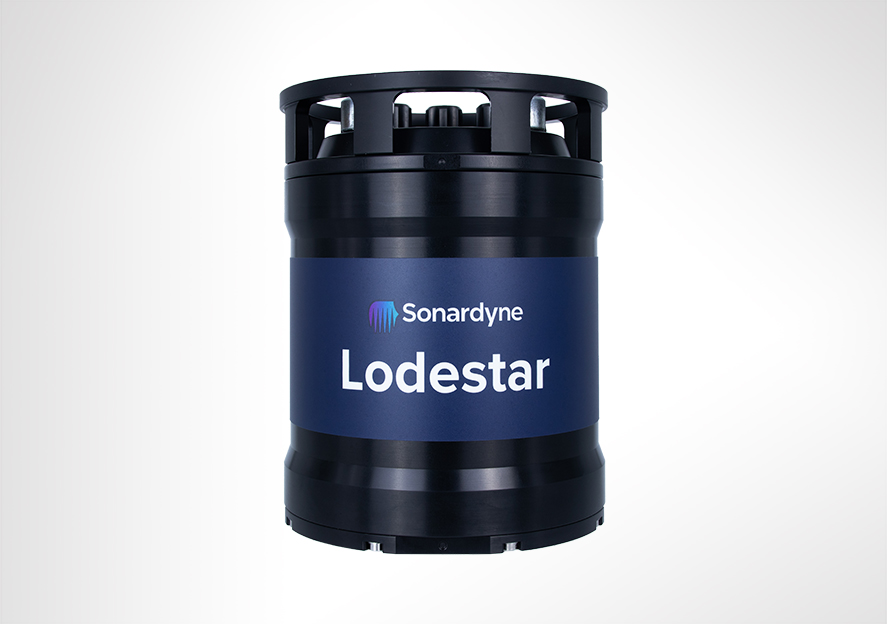
Lodestar is a high-quality Attitude and Heading Reference System (AHRS) designed for subsea AUV/UUV guidance applications. It is also available in different performance levels depending on your needs. Lodestar is a solid-state Attitude and Heading Reference System (AHRS) highly optimised for cost, size, weight, and power (C-SWaP). Suitable for tracking and communications with AUVs, USVs, ROVs and XLUUVs.

Overview

The instrument is a turn-key solution comprised of carefully selected high grade and highly reliable inertial sensors integrated into in-house designed inertial measurement unit (IMU).

The selected inertial sensors are the standard for commercial aviation with a proven 20+ year track record. These sensors have a highly desirable characteristic being insensitive to vibration, temperature changes and having very limited initial errors. The result is a system which is highly suitable for the marine environment where performance, robustness and data integrity need to be available from initialisation, even during the harshest conditions.

Lodestar requires no external aiding and settles robustly in dynamic conditions in less than five minutes. On-board data storage and backup battery functionality ensures continued operation and eliminates the risk of data loss even if communications or external power are lost. Power-pass through to external aiding sensors is supported to ease integration requiring only a single cable for comms and power.

If a full INS solution is required, Lodestar can easily be field upgraded to a SPRINT system (apart from Lodestar 200). This makes the Lodestar a flexible and future-proof solution for both ROV guidance and survey applications.

Lodestar has a proven track record spanning more than 10 years in the field in diverse applications from ROV guidance and autopilot to demanding survey applications. The instrument is available in 4,000 and 6,000 metre depth ratings with a variety of connector options and configurations.

At a glance

  • Designed to aid subsea vehicle guidance: AUVs, ROVs and UUVs
  • Uses high quality Honeywell gyro and accelerometers
  • Sensors available in three performance levels: 200, 300 and 500
  • Fast settling time so you can get straight to work
  • Integrated DVL option available; Lodestar-Nav
  • Factory upgradeable to SPRINT INS

Lodestar-Nav 200
Lodestar-Nav 200 provides all-in-one navigation solution for subsea vehicles by combining a Lodestar 200 AHRS with our Syrinx Doppler Velocity Log (DVL) and a high accuracy pressure sensor in a single housing.  This saves cost, payload space and the complexity of integrating and operating separate sensors from different vendors.

Lodestar-Nav is pre-calibrated providing the ROV pilots with a robust and reliable solution, even in the most challenging operational scenarios, without needing to worry about sensor offsets.

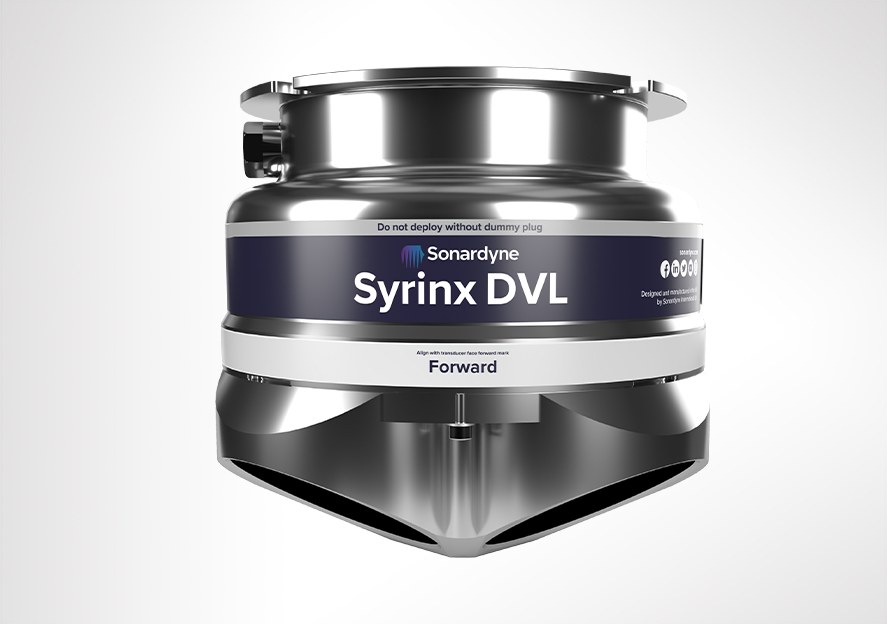
Syrinx DVL inside that provides a large altitude range and high precision at all altitudes; this combines the best of 300 and 1200 kHz DVLs. Each DVL transducer is fitted with a full depth rated water block to ensure protection of the internal components and easy replacement if damaged.

Lodestar-Nav can be interfaced via a single connection and/or the DVL can be interfaced separately depending on requirements. Continuous on-board data storage supports post-mission diagnostics and post-processing.

Size

Measuring just 260 mm tall, the 4,000 m rated titanium housing allows easy fitment to any subsea vehicle. 6,000 m housing option.

Long life sensors

Lodestars and SPRINTs use Honeywell-supplied RLGs and inertial sensors with 400,000 MTFB, which have been proven in over 20 years in commercial aircraft.

Connectivity

Most Lodestars can be upgraded to SPRINT in the field as your requirements grow so there’s no need to remove and re-install a different instrument.

Specifications

Feature Lodestar 300 Lodestar 500
Depth rating 4,000 / 6,000 m 4,000 / 6,000 m
Performance
Heading 0.2° 0.1°
AHRS settle time <5 minutes in dynamic conditions <5 minutes in dynamic conditions
Roll and pitch 0.01° 0.01°
Power
Power requirement 20–50 V dc, 15 W nominal, 35 W maximum 20–50 V dc, 15 W nominal, 35 W maximum
Power pass through 3 x for external aiding sensors (up to 3A per sensor) 3 x for external aiding sensors (up to 3A per sensor)
Back up battery type/life Li-ion/5 minutes Li-ion/5 minutes
Data/Comms
Data storage 8 GB internal memory 8 GB internal memory
Serial ports/protocol 4x RS232 or RS485 4x RS232 or RS485
Other ports 1x Ethernet, 4 triggers 1x Ethernet, 4 triggers
Output rate Up to 100 Hz Up to 100 Hz
Output telegrams Industry standard AHRS/INS telegrams including acceleration and rotation rates Industry standard AHRS/INS telegrams including acceleration and rotation rates
Mechanical
Connectors 4x Seacon / Seanet, 1x Seacon / Seanet 4x Seacon / Seanet, 1x Seacon / Seanet
Mechanical construction Titanium Titanium
Dimensions
(diameter x height)
4,000 m (Seacon) 205 x 260 mm 205 x 260 mm
6,000 m (Seacon) 205 x 280 mm 205 x 280 mm
4,000 m (Seanet) 205 x 250 mm 205 x 250 mm
Weight in air/water 4,000 m 18.5/11.5 kg 18.5/11.5 kg
6,000 m 22/14 kg 22/14 kg
Environmental
Operating temperature -20 to +55°C -20 to +55°C
Storage temperature -20 to +60°C -20 to +60°C
Shock rating 22 g, 11 ms half sine 22 g, 11 ms half sine


Did you know?

Lodestar is highly optimised for cost, size, weight and power (C-SWaP)