The solution
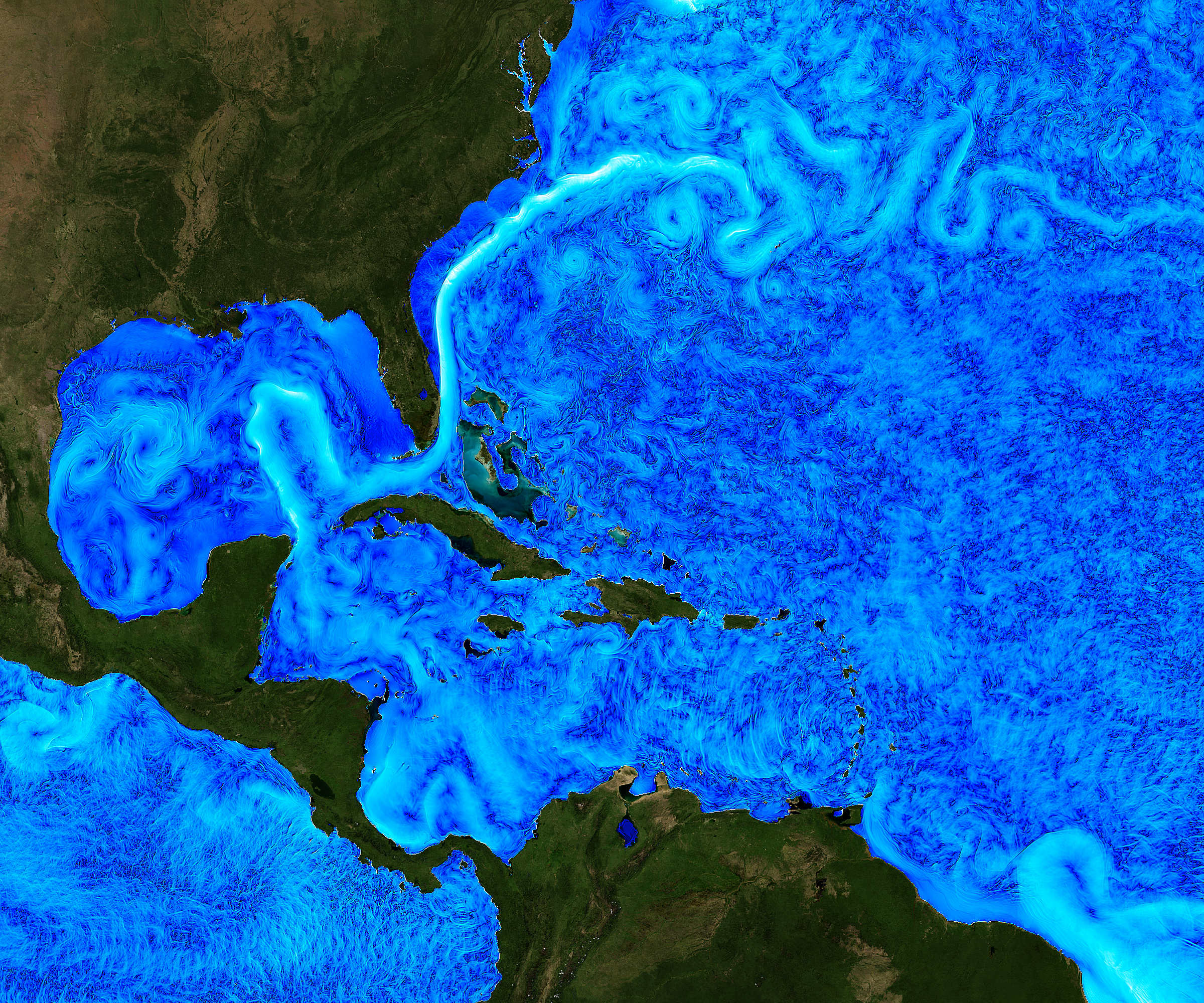
Following a recommendation by the US National Academies of Sciences, Engineering, and Medicine a long-term, US$ multi-million research program to plug the gaps in understanding and predicting the LCS is now underway.
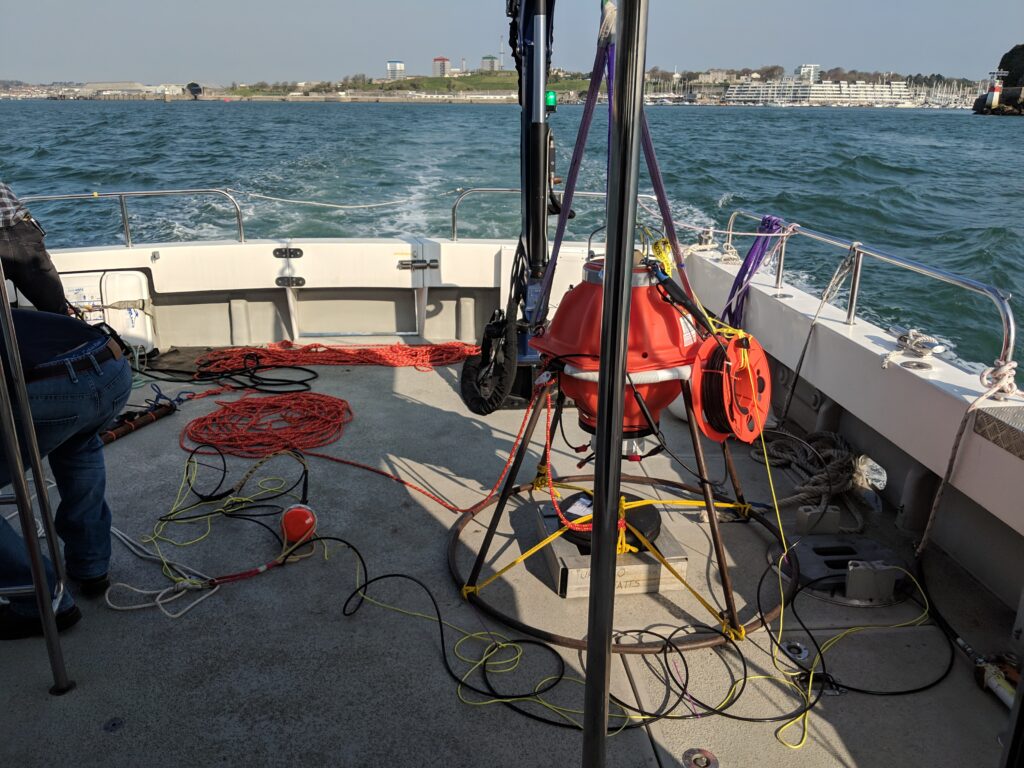
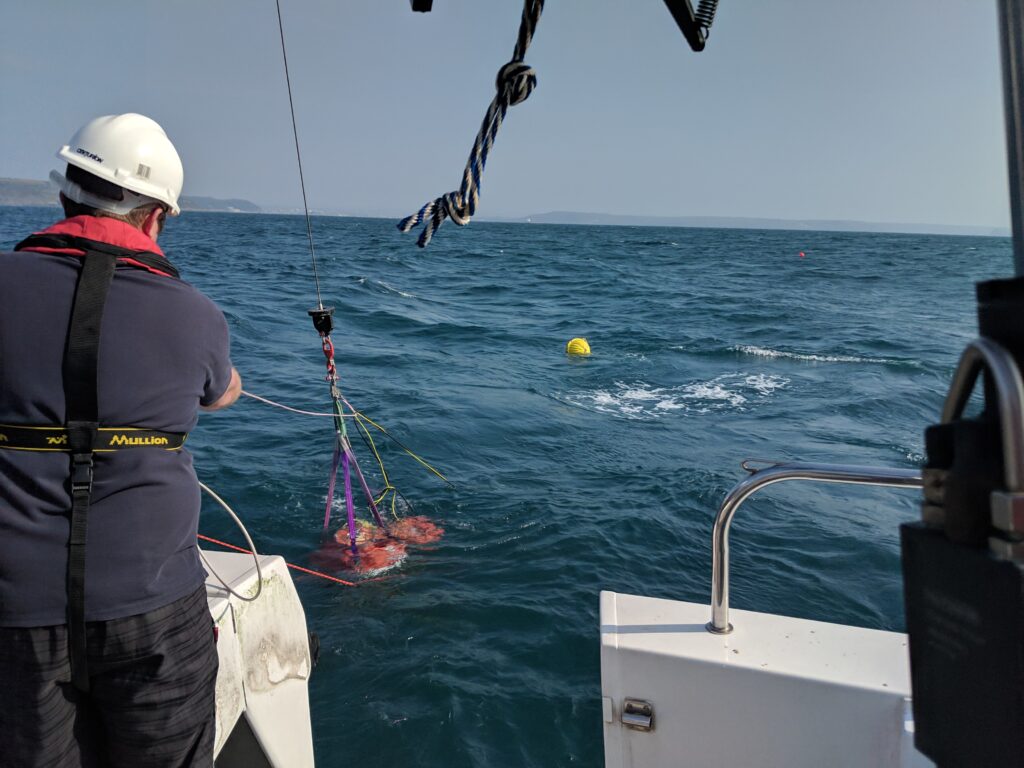
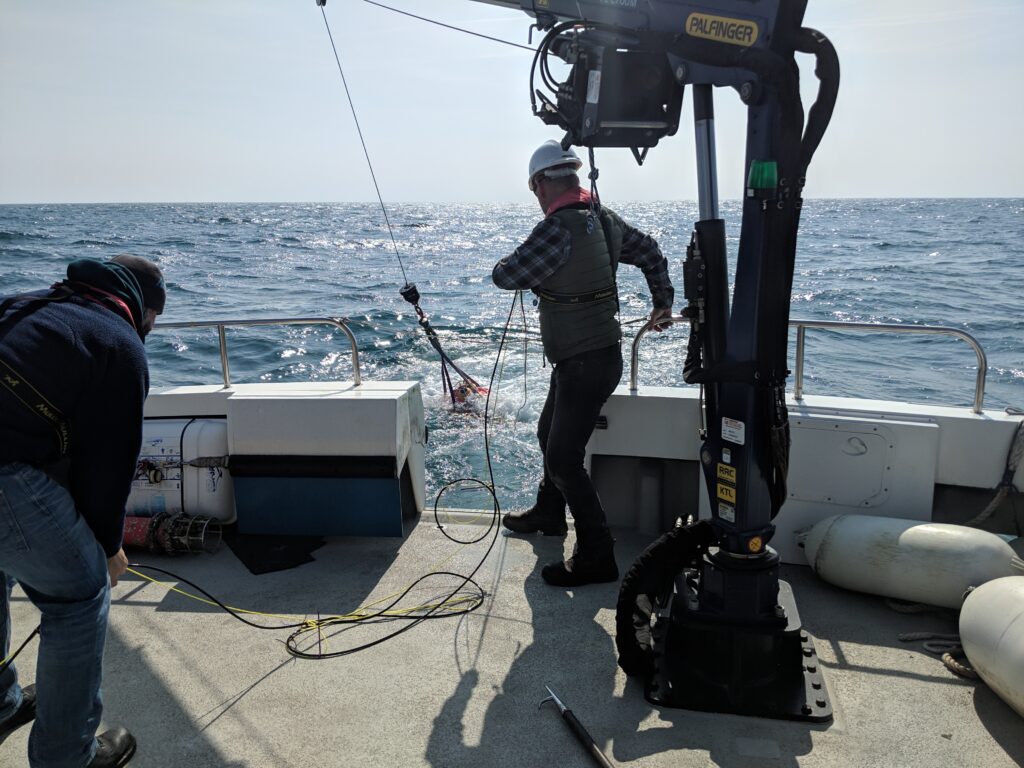
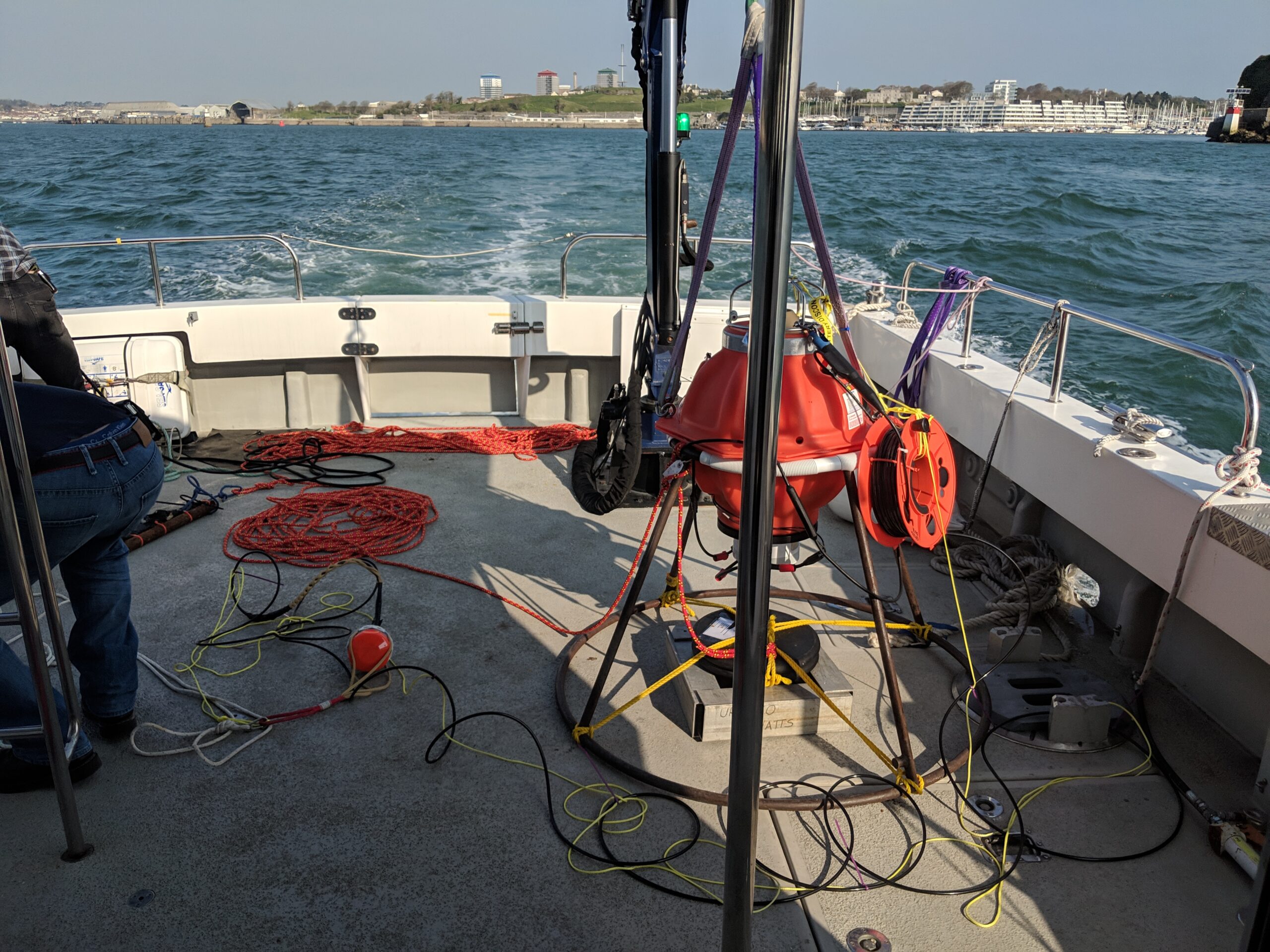
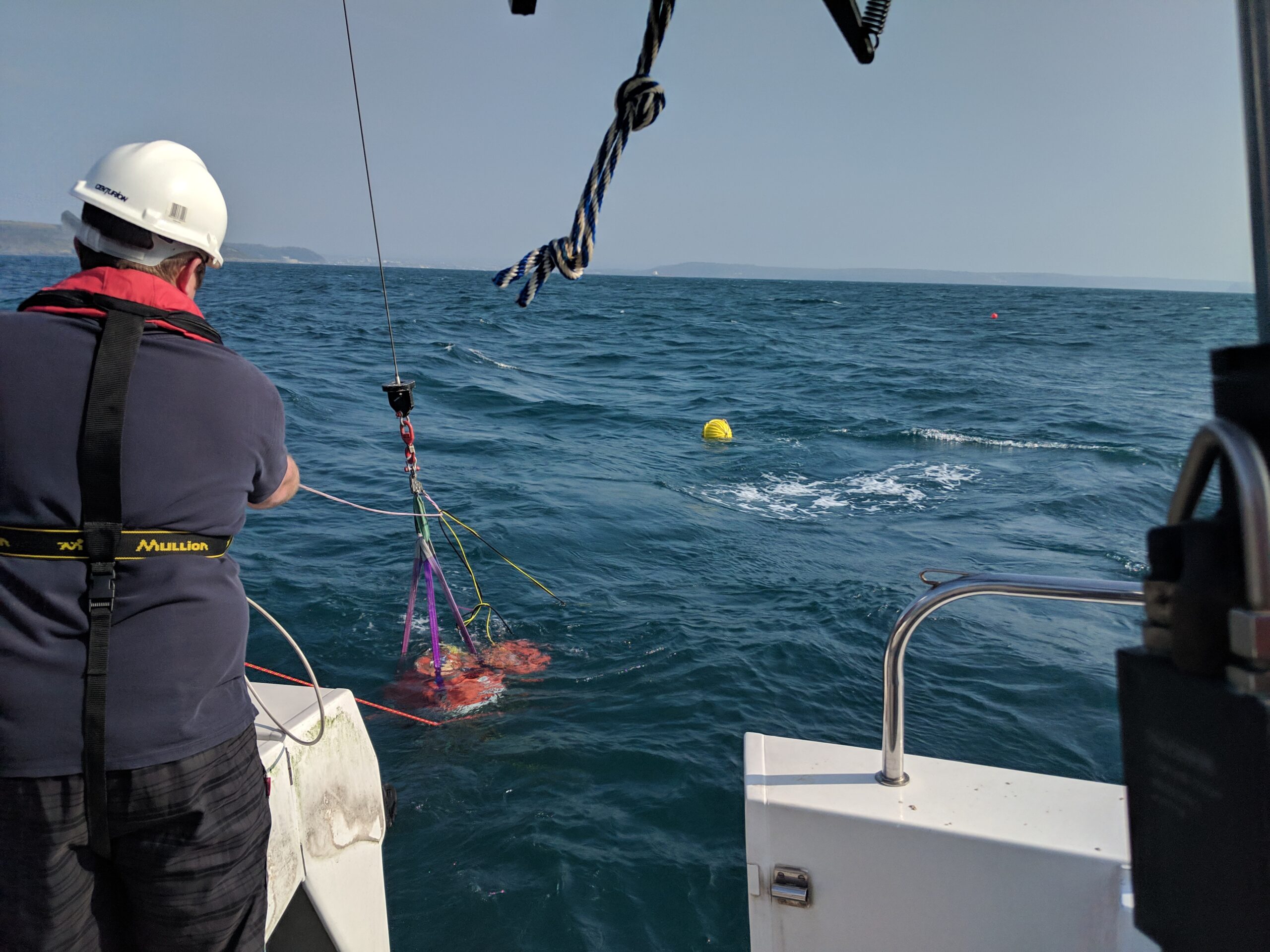
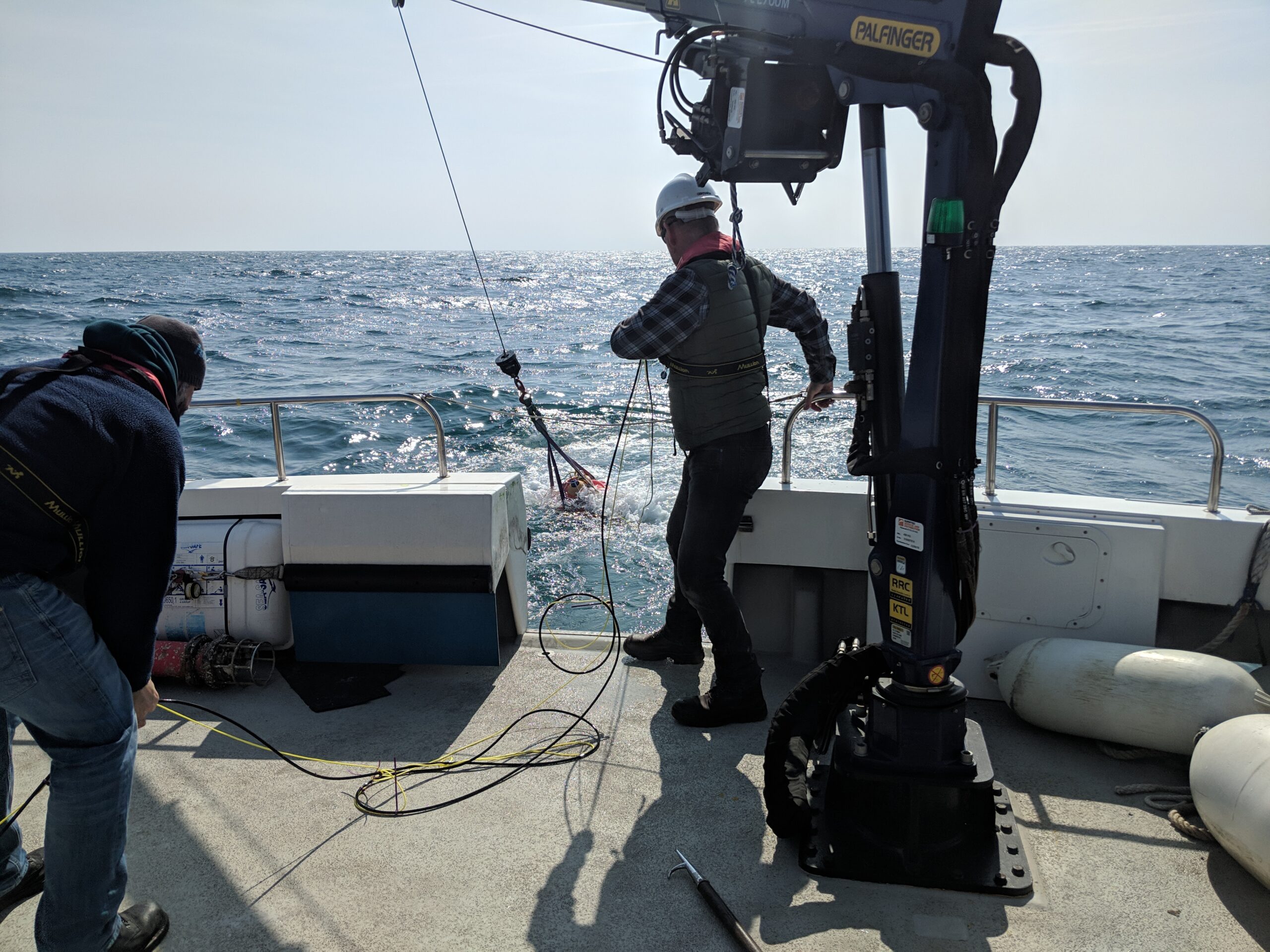
The initial two-year project comprises an array of 15 URI CPIES, five Sonardyne CPIES and five Bureau of Ocean Management PIES. These are in an array, spaced 60 km apart, at depths down to 3,500 m in the area of the extended LCS. Initially deployed in June 2018, for a nominal two-year study, the units are fitted with batteries that can keep them powered for up to 36 months. This will allow for data gathering continuity in the event of a subsequent expansion of the program.
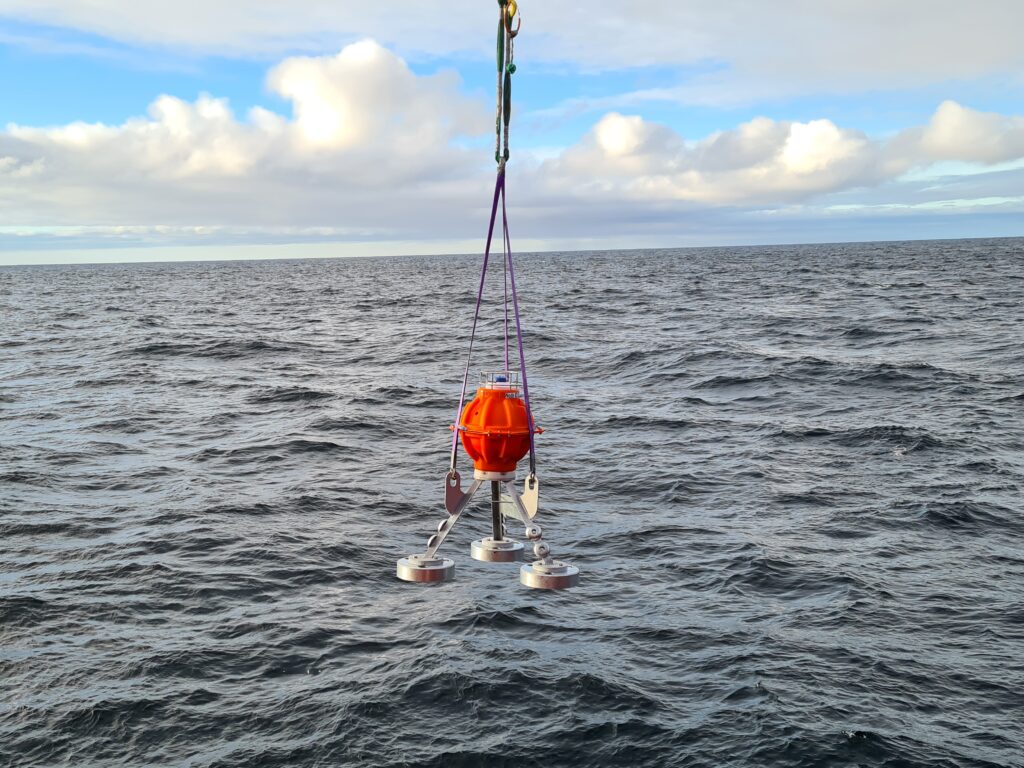
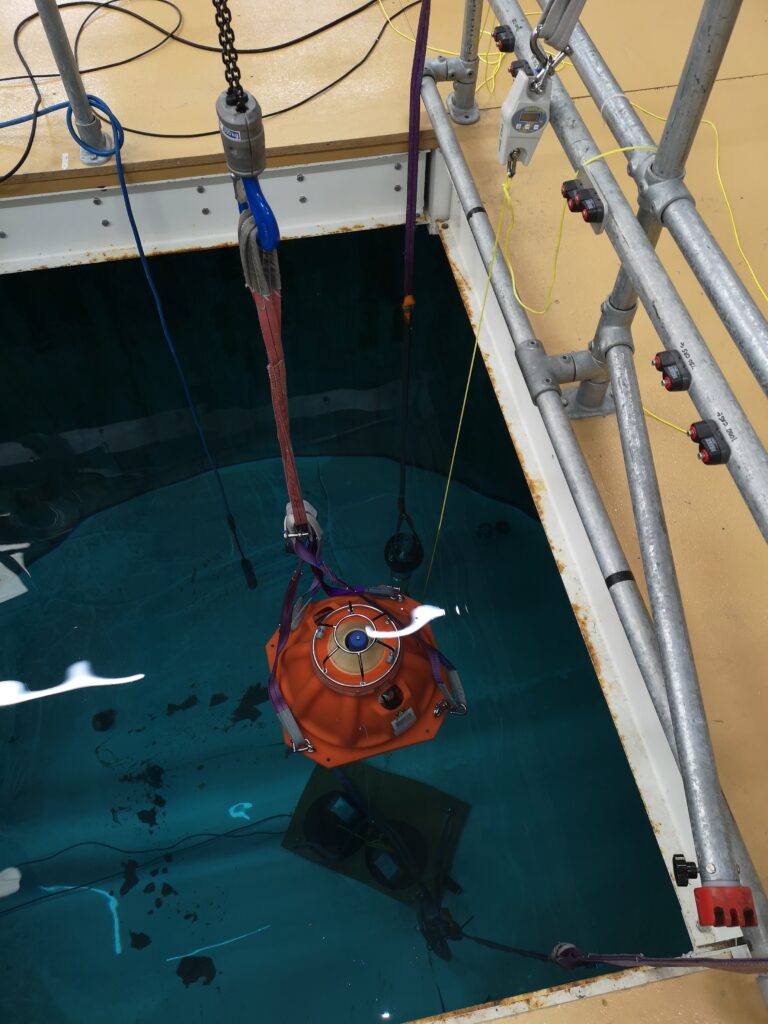
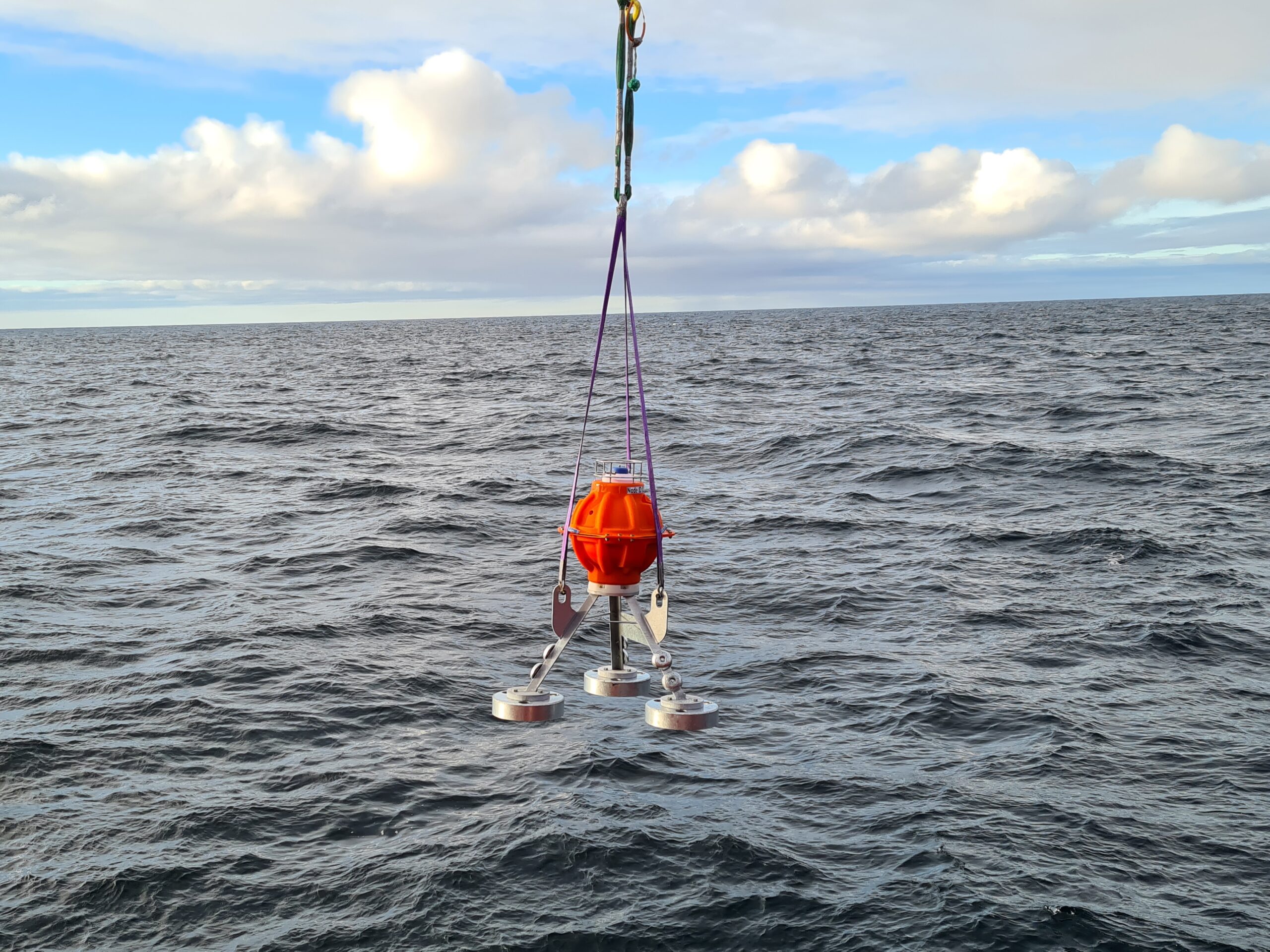
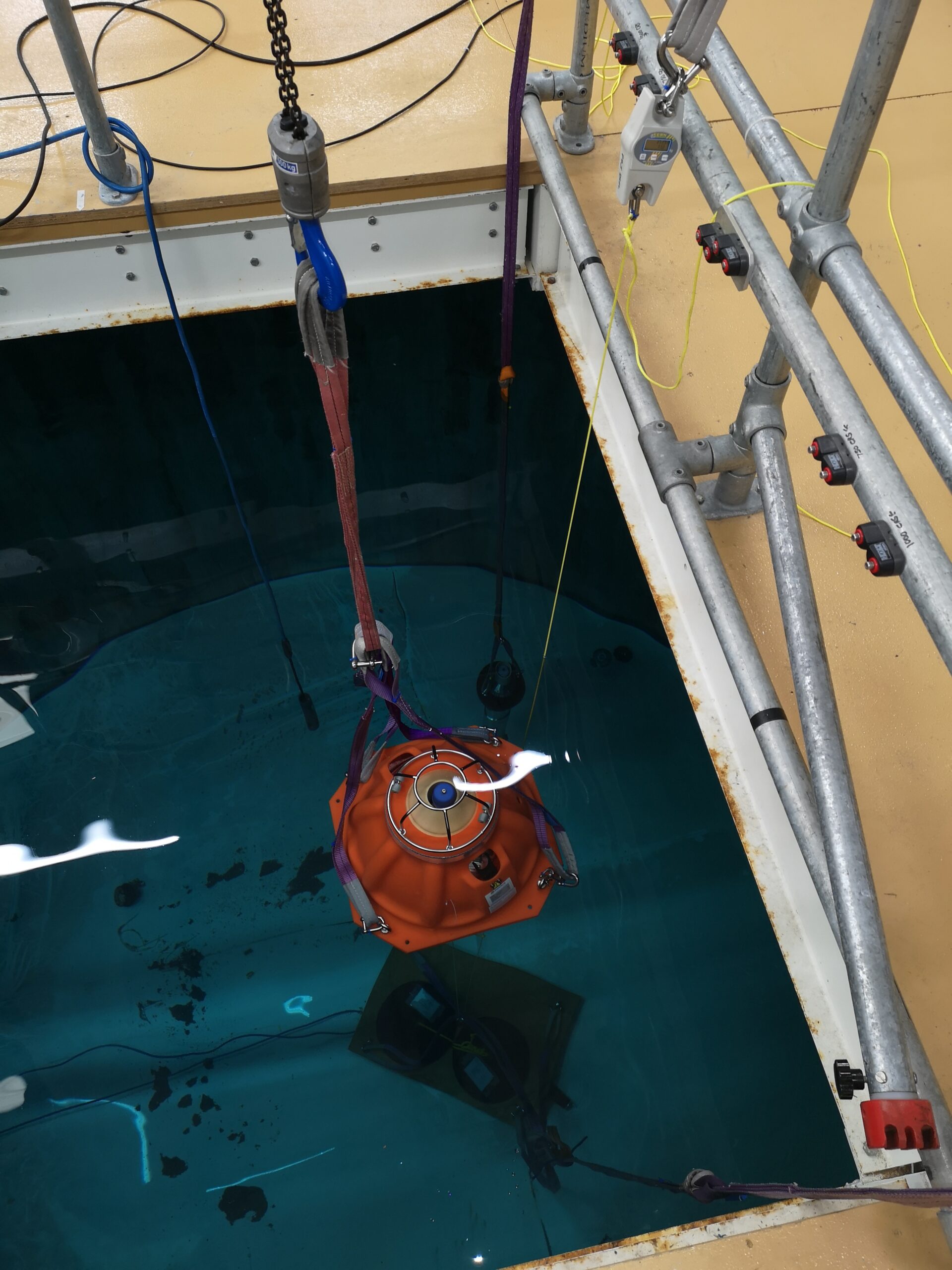
A core element of this scientific study is the array of seabed-mounted sensors, including Sonardyne’s PIES. PIES were originally developed for the marine seismic industry to measure average sound velocity in the water column. They do this by transmitting a wideband acoustic pulse from their position on the seabed. This pulse is reflected off the sea surface and returns to the seabed where it is detected by the PIES.
Oceanographers, however, use PIES differently. Their goal is to derive important physical data, including the strength and direction of currents. This is based on the principle that there’s a strong correlation between two-way travel time (usually known as tau) and vertical profiles of temperature, salinity and density. As a consequence, where this profile has been derived from historical data, an empirical relationship can be derived, which enables the density profile to be inferred from tau.
At a basic level, a laterally separated pair of PIES will, therefore, provide a vertical profile of velocity, and by deploying an array of PIES, local horizontal velocity and density fields can be mapped over the period of deployment.
URI has pioneered and refined the use of PIES for this purpose. While URI has a long history of developing its own PIES instruments, it decided to use Sonardyne’s PIES, as well as its own. This was primarily because a comparison study off the coast of Oregon* indicated that the Sonardyne PIES could generate similar accuracy data efficiently, potentially enabling longer deployments – and because of their telemetry capability.
Sonardyne’s integrated high-speed (up to 9,000 bps) acoustic telemetry capability also enables remote reconfiguration of the instruments and wireless retrieval of data to surface vessels, without interrupting the bottom pressure record.
These capabilities are based on Sonardyne’s extensive expertise in underwater acoustics, signal processing, hardware design and custom engineering, which URI recognises, have the potential to reinforce future PIES development.
Sonardyne’s expertise was central to reconfiguring a standard PIES as a CPIES (Current PIES) which was needed for this project to allow for near-seabed current data to be harvested alongside the PIES pressure and tau measurements. It also delivers important data on deep eddy currents above the seabed/water interface.
The reconfiguration involved connecting an Aanderaa Doppler current sensor to the PIES, which then served as a battery pack and data logger for the current sensor, deployed 50 m above the PIES on a float. Combining the deep current observations with the deep pressure observations enable data from the array to be referred to a common reference surface.