Sonardyne
Support Centre

Enabling complex offshore robotics from a next gen USV

Uncrewed surface vessels are cutting cost, emissions and risk in marine operations, but many remain limited in capability. ACUA Ocean is pushing those boundaries with its PIONEER USV, built to perform in tougher environments. Recent trials showed how PIONEER extends operations below the surface, seamlessly linking surface and subsea domains through Sonardyne’s underwater positioning and communications technology.

The challenge

Offshore inspection, monitoring and survey work has long relied on large, crewed vessels, which come with high operating costs, significant carbon emissions and the inherent risk humans face in marine environments.

ACUA Ocean want to challenge the status quo and deliver subsea operations more safely, sustainably and at lower cost, using their PIONEER uncrewed surface vessel (USV).

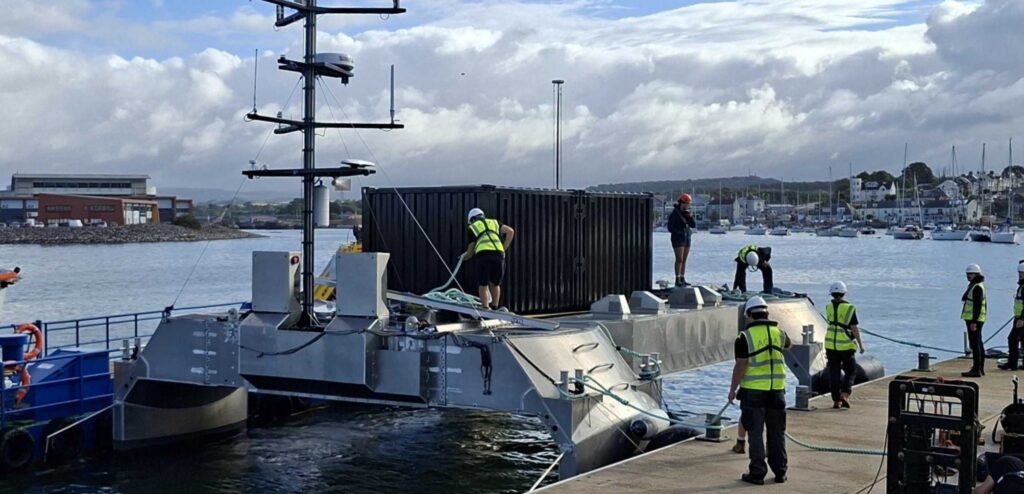
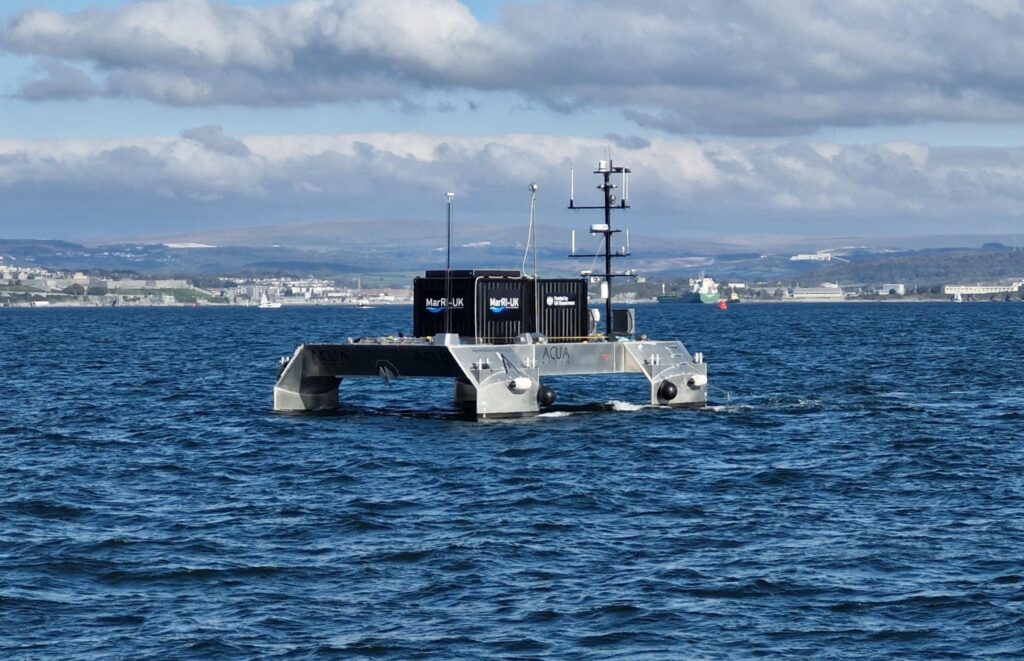
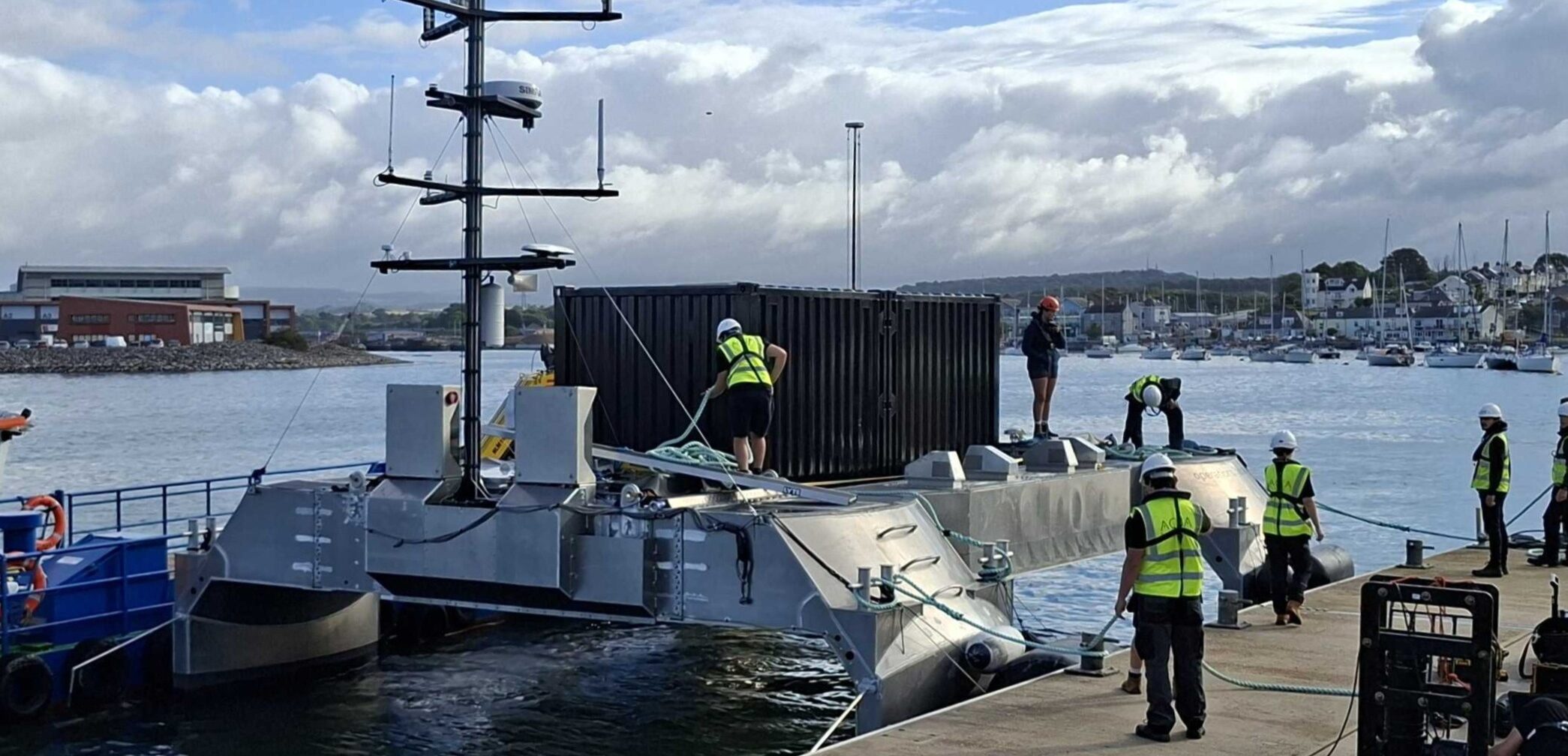
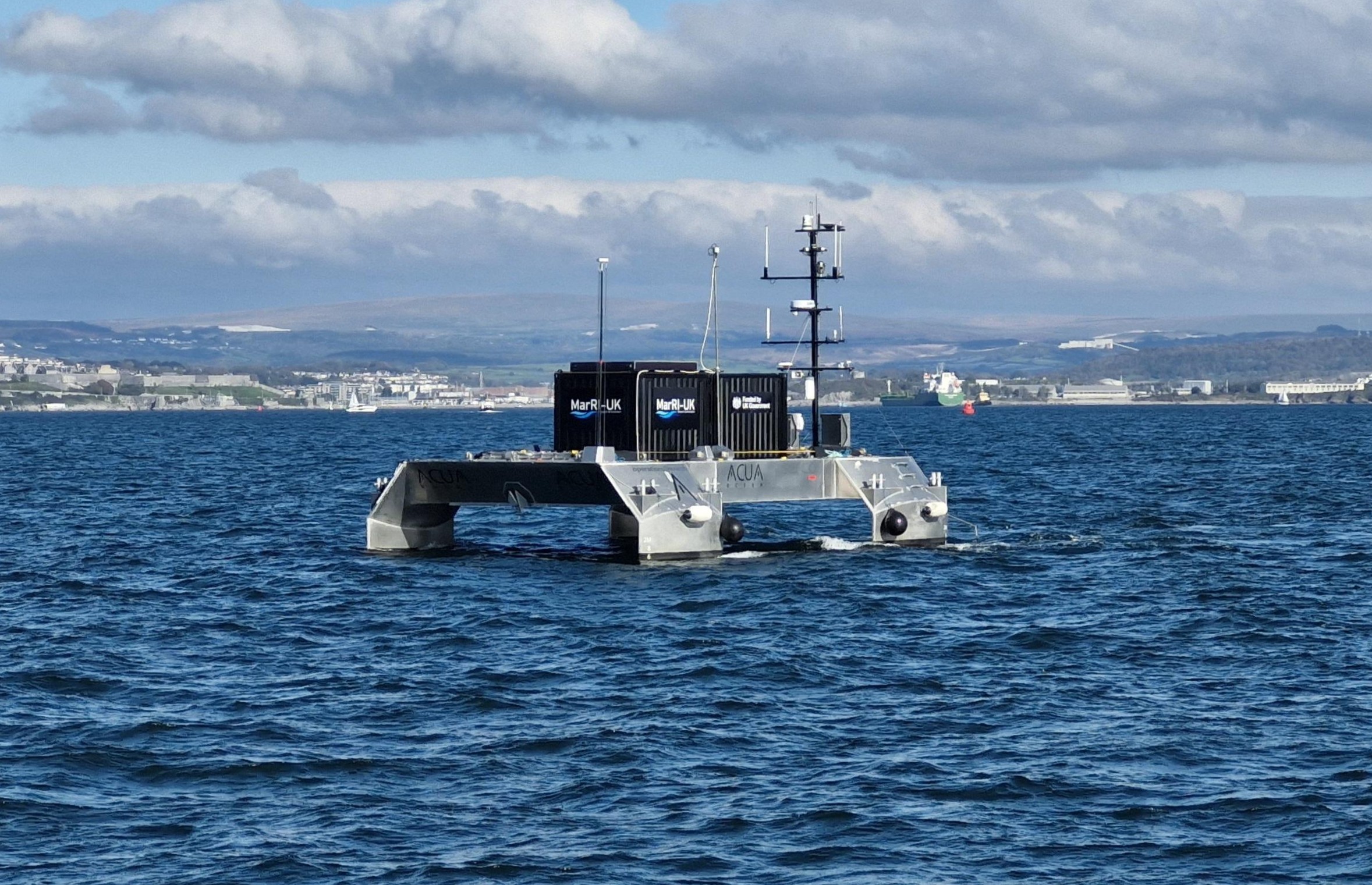
Developed in Plymouth, PIONEER is a 14-m-long, 25-tonne vessel which uses a small waterplane area twin hull (SWATH) design, providing high stability and allowing operations in up to Sea State 6—conditions that typically restrict smaller vessels and many USVs. .

It also has a hybrid power chain, providing robust operation with long endurance, including the ability to spend 50 days at sea.

ACUA Ocean says these features allow 30% greater operational availability than a traditional 40 m crewed vessel, while reducing emissions by 95% compared with traditional vessels, and removing personnel from harm’s way. It’s also already Maritime and Coastguard Agency (MCA) Workboat Code 3 and hydrogen certified.

ACUA Ocean's PIONEER USV.
ACUA Ocean's PIONEER USV at sea near a coastline.
ACUA Ocean's PIONEER USV.
ACUA Ocean's PIONEER USV at sea near a coastline.

However, ACUA Ocean’s ambition goes beyond surface operations. The company’s strategy is built around a “nested robotics” model. Its moonpool has been designed to be configured for up to 7-tonne payloads, providing high configurability, including remotely operated vehicle (ROV) and autonomous underwater vehicle (AUV) deployments. It’s a “Swiss Army Knife model,” says ACUA Ocean Chairperson Dr Peter Collinson!

PIONEER will act as a mobile offshore hub—launching, tracking and piloting ROVs, AUVs and other subsea sensor packages; operations that would historically require larger crewed ships.

To realise their goals, ACUA Ocean came to us for:


  • Accurate, survey-grade positioning and tracking of tethered and untethered subsea systems
  • Reliable subsea communications to support remote, over-the-horizon operations
  • High data quality while operating in higher sea states
  • Seamless integration with industry-standard subsea assets already used by customers
  • The ability to operate all systems remotely, consistent with a beyond visual line of sight (BVLOS), uncrewed vessel model
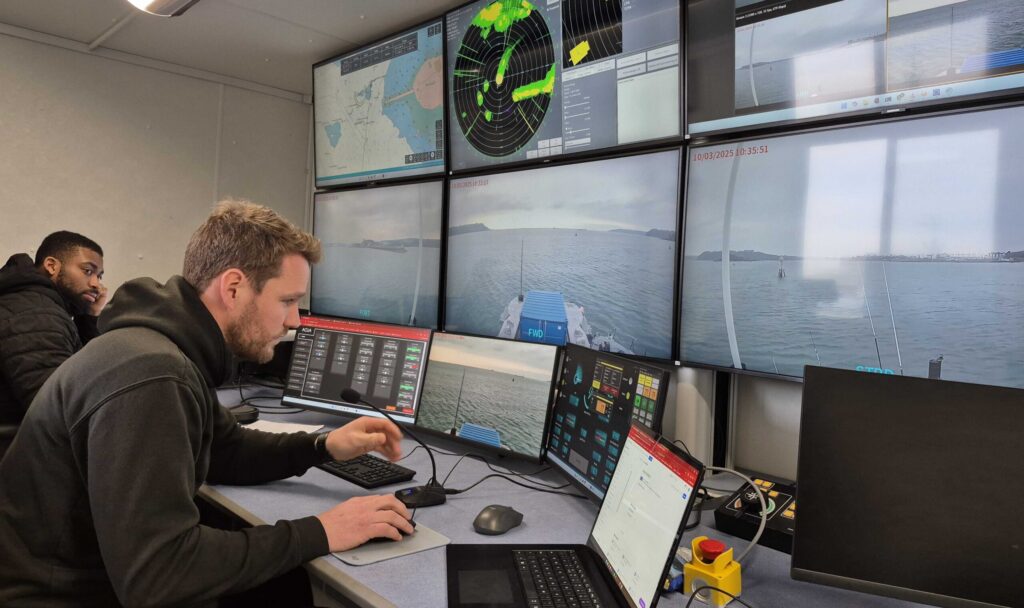
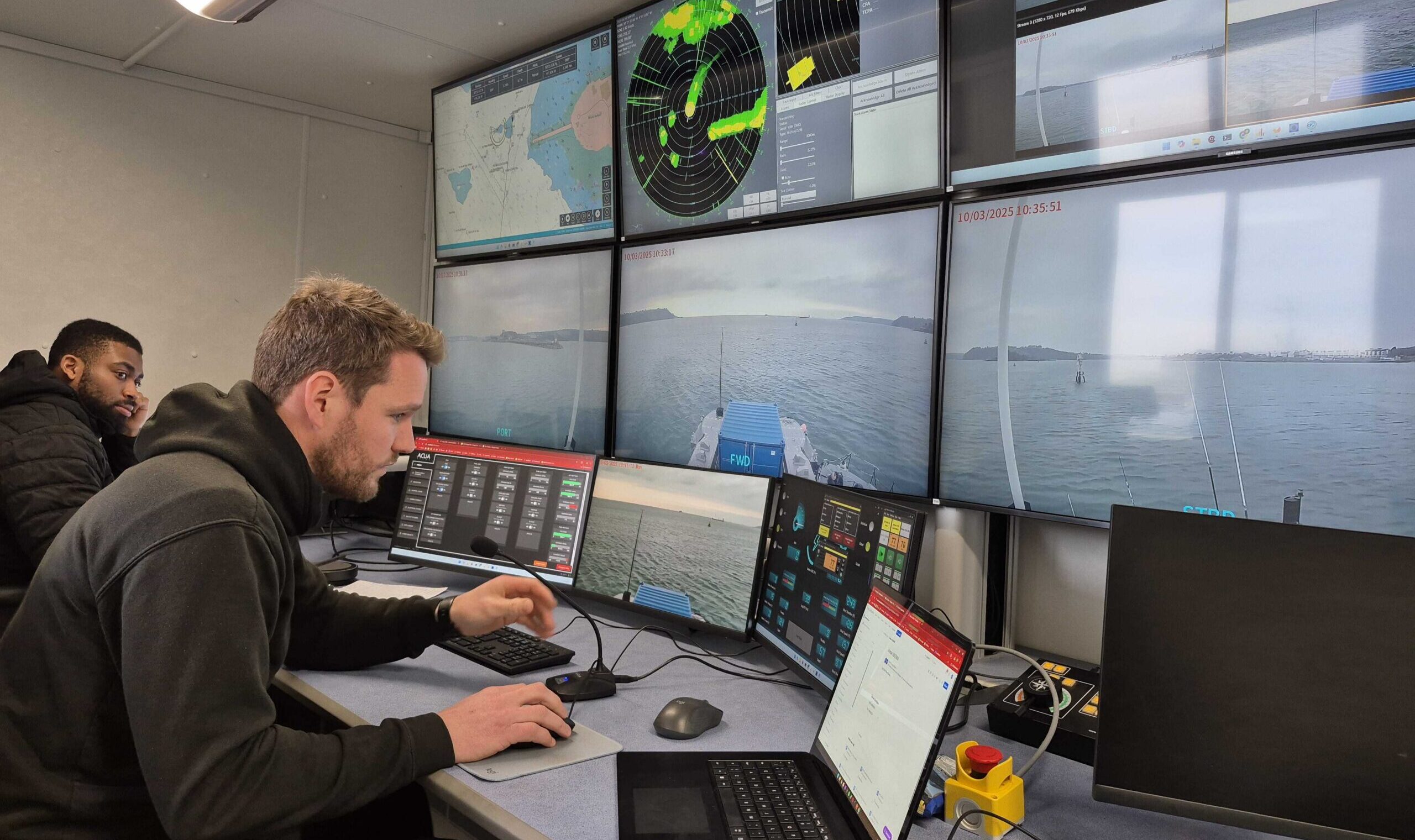
A bank of screens with a person working on a laptop.

The solution

To bridge the gap between surface autonomy and subsea operations, ACUA Ocean chose to integrate our Mini-Ranger 2 Ultra-Short Baseline (USBL) positioning and communications system onto PIONEER.

Mini-Ranger 2 is our survey-grade USBL system for tracking, positioning and communicating with subsea assets in coastal and shallow to mid-depth waters. It supports divers and marine robotics operations, with optional command-and-control for multi-vehicle fleets.

During integration trials in Plymouth, ACUA Ocean wanted to prove tracking accuracy, but also demonstrate PIONEER’s ability to function as a remote subsea command hub—deploying sensors, communicating with them and managing operations entirely from shore.

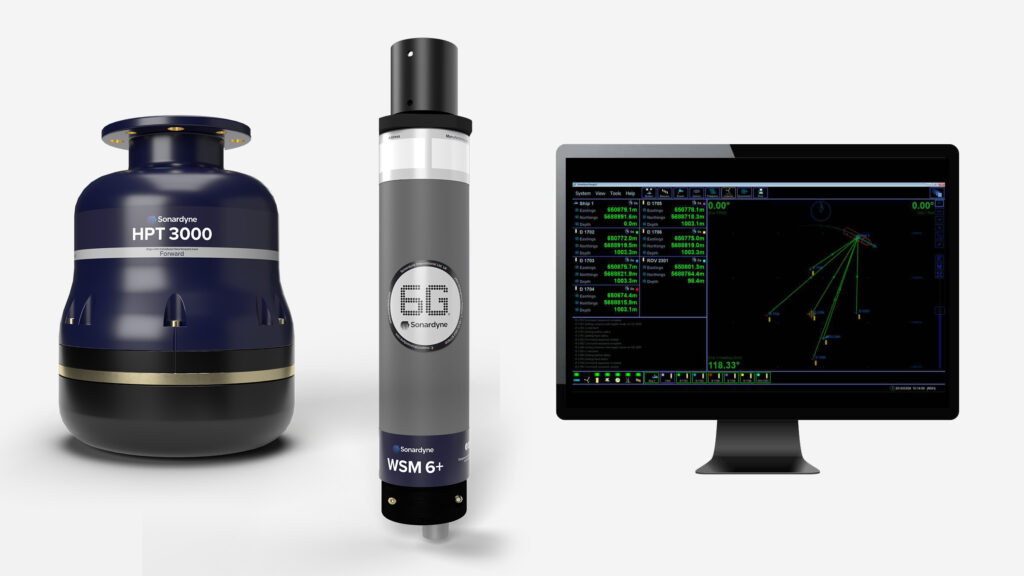
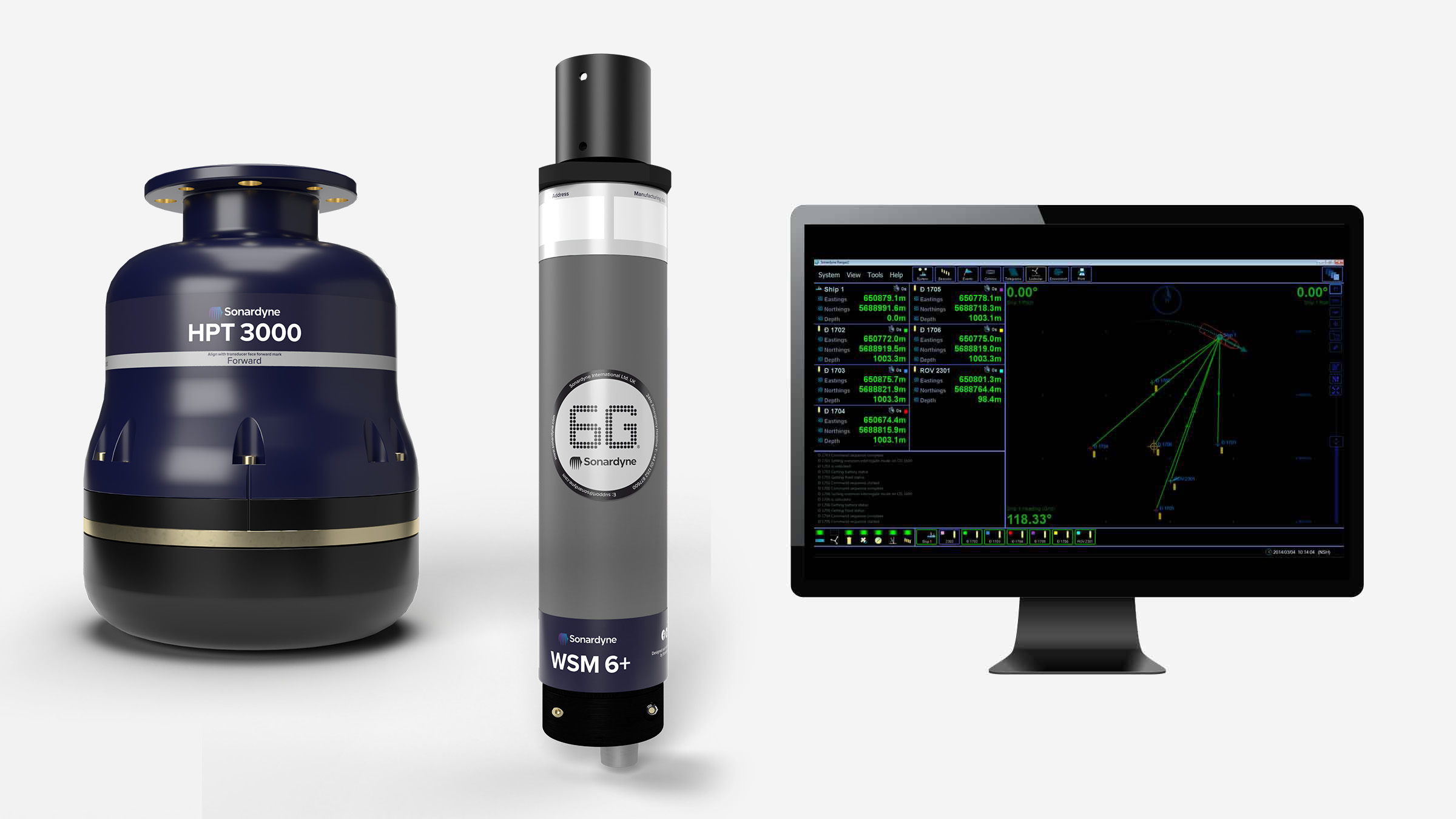
Mini-Ranger 2 was integrated with the vessel, using an HPT 3000 transceiver mounted on a temporary pole and an offboard WSM 6+ to validate end-to-end functionality.

The system was interfaced with PIONEER’s onboard power and network infrastructure and accessed remotely via a wide area network (WAN) and VPN connection.

The results

The trials demonstrated PIONEER’s ability to act as a subsea gateway, using our survey-grade acoustic systems.

This included successful remote operation of subsea positioning and communications over a WAN connection, tracking and communication with in-water assets at sea, data harvesting capability and interaction with subsea nodes, and technical readiness for ROV and AUV operations from PIONEER.

This included:

  • Remote operability: Operators were able to access, configure and control the system from an onshore remote operations centre, without physical intervention onboard.
  • Integration simplicity: Power provision for guest equipment, data connectivity and physical installation were straightforward, supporting the vessel’s modular payload philosophy.
  • Data quality: Survey-grade positioning ensured that increased availability and rough-weather capability did not come at the expense of data accuracy or processing time.
  • Interoperability: The system aligned with subsea technologies already widely deployed across commercial and defence markets, reducing risk for future customers.

“Through these trials, we successfully proved end-to-end functionality remotely over a WAN, establishing reliable communication between the HPT and subsea transponders both alongside and at sea using Mini-Ranger 2,” says James Cowles, Business Development Director at ACUA Ocean.

“The physical integration was remarkably simple, with the system’s intuitive UI and seamless VPN access allowing us to manage survey-grade technology over-the-horizon with zero issues on software or licensing.

“We were also exceptionally well-supported by Sonardyne’s local technical team here in Plymouth and these successful trials confirm our ability to host and manage survey-grade technology for complex, over-the-horizon missions.”

Proving the foundation for nested robotics at sea

“We’re happy to be supporting ACUA Ocean with our subsea positioning and communications technology to make their vision operational,” says Aidan Thorn, Business Development Manager – Robotics, at Sonardyne.

“With reliable, survey-grade tracking and acoustic communications, Mini-Ranger 2 is a key building block to making PIONEER a fully integrated subsea command and control hub. The flexibility of PIONEER’s deployment options, be they AUV, ROV, subsea glider or towed body fits well with our own philosophy with marine robotics to stay platform agnostic and work across the complete marine autonomous system.”

From enabling resilient positioning in GNSS-challenged environments to supporting multi-vehicle subsea operations, Mini-Ranger 2 provides the dependable subsea layer that underpins safe, scalable autonomy.

Together, ACUA Ocean and Sonardyne are demonstrating how proven subsea technology and innovative surface platforms can work in tandem—delivering cleaner, safer and more capable offshore operations from the surface down.