The solution
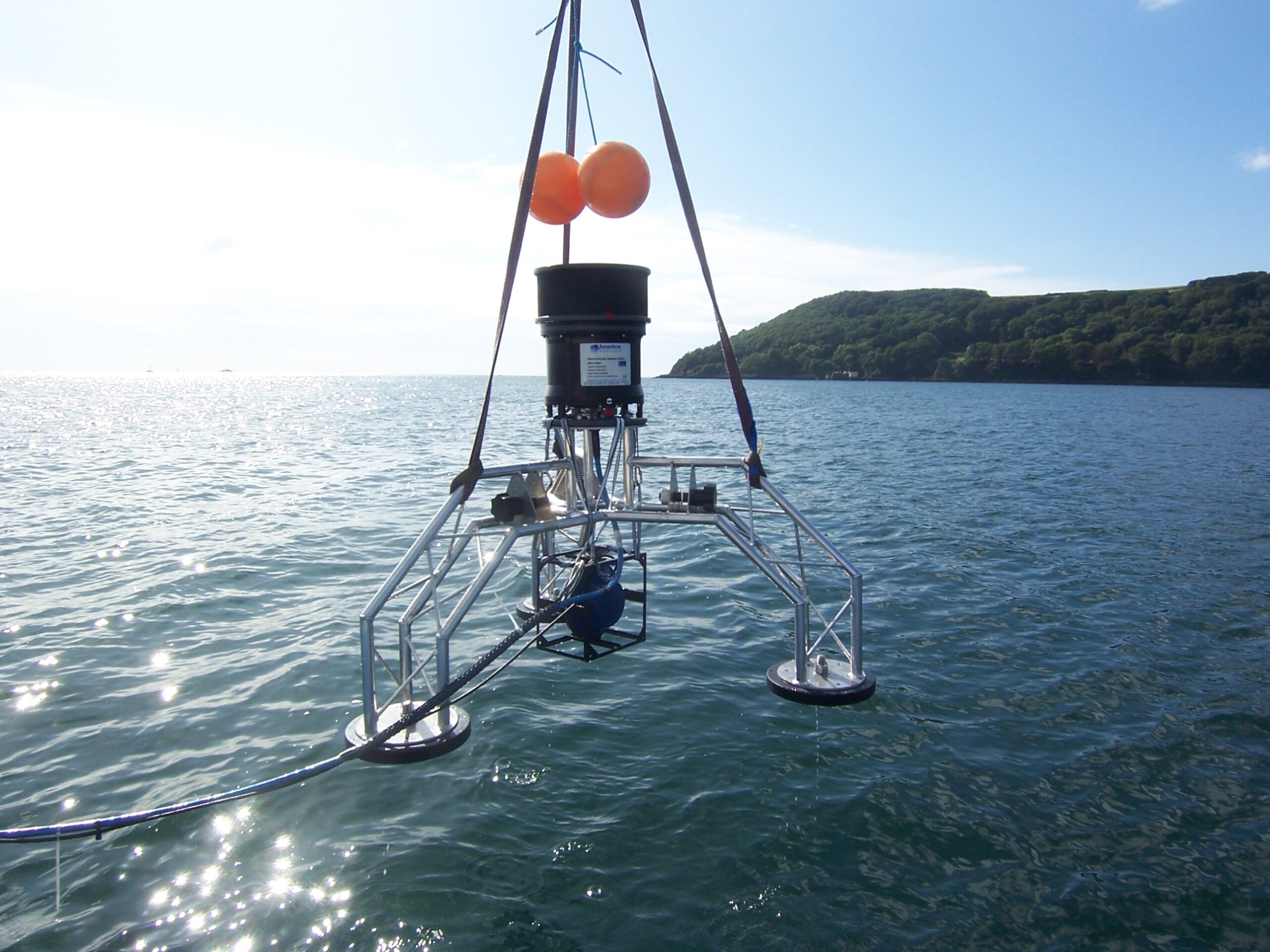
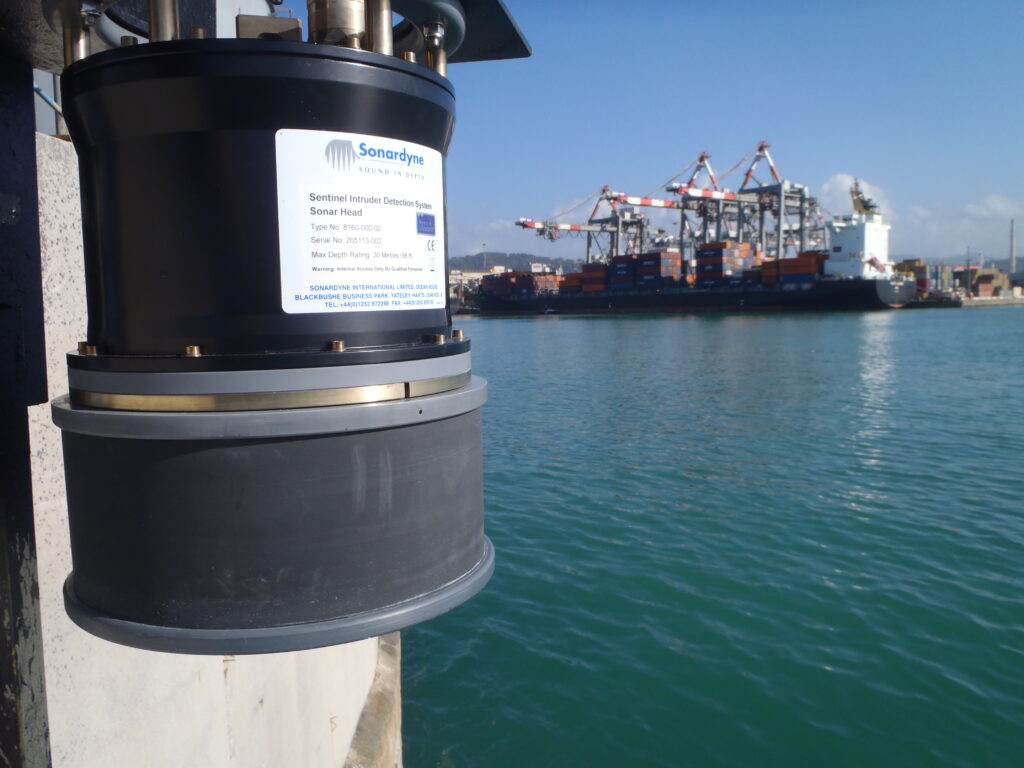
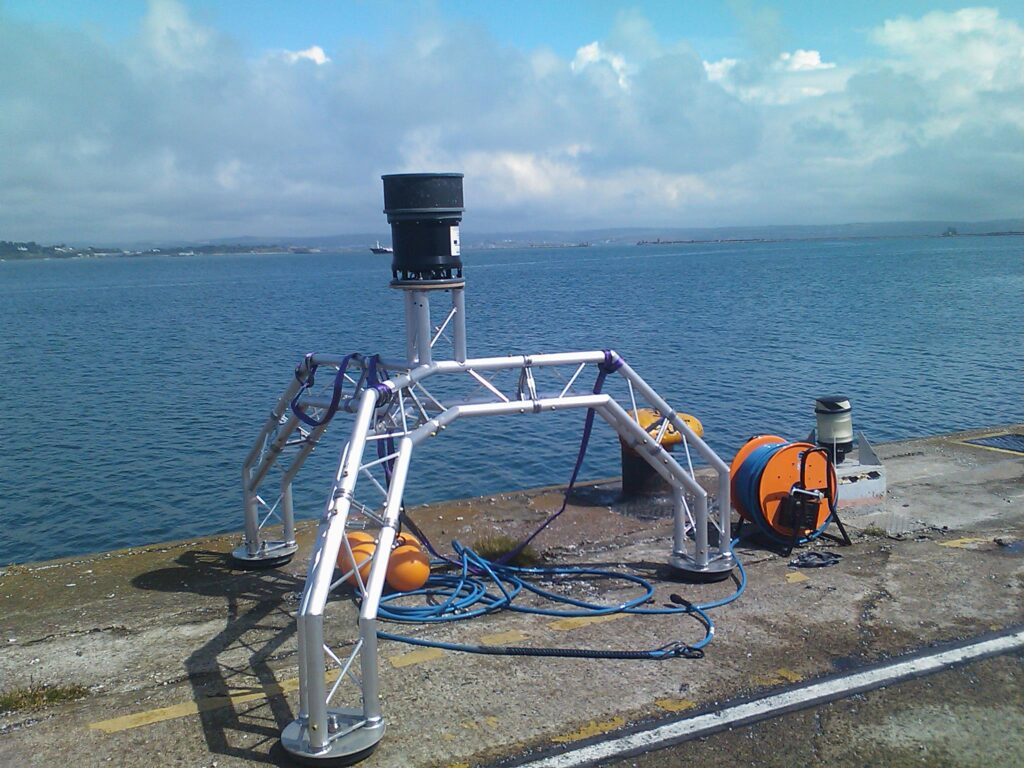
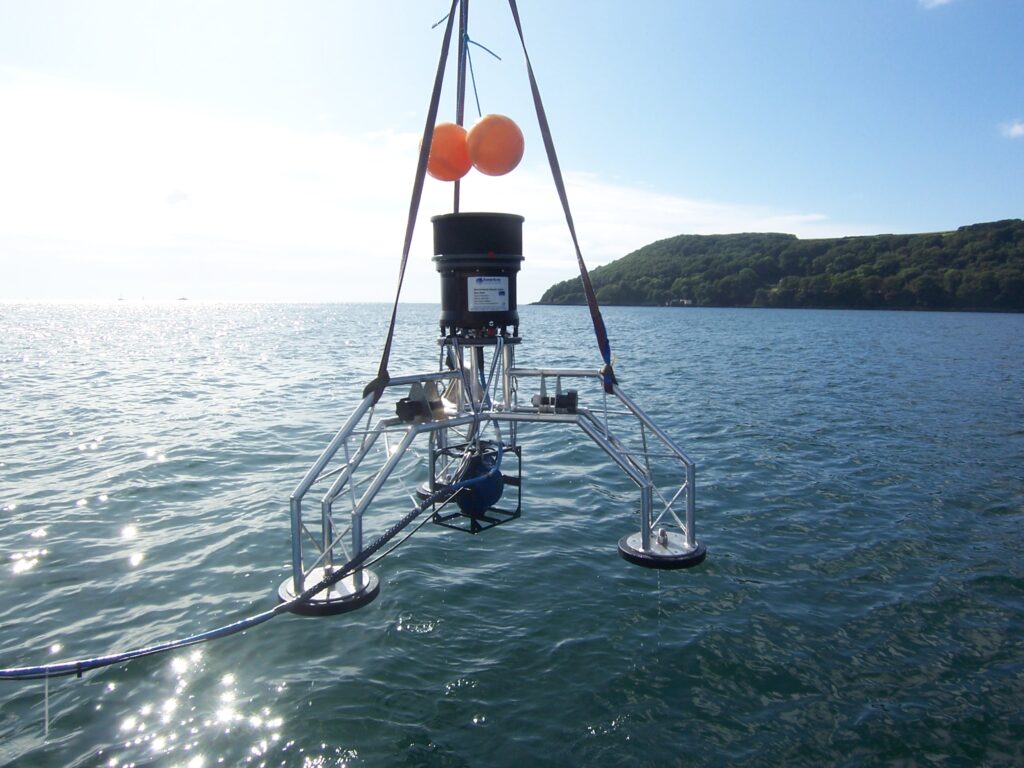
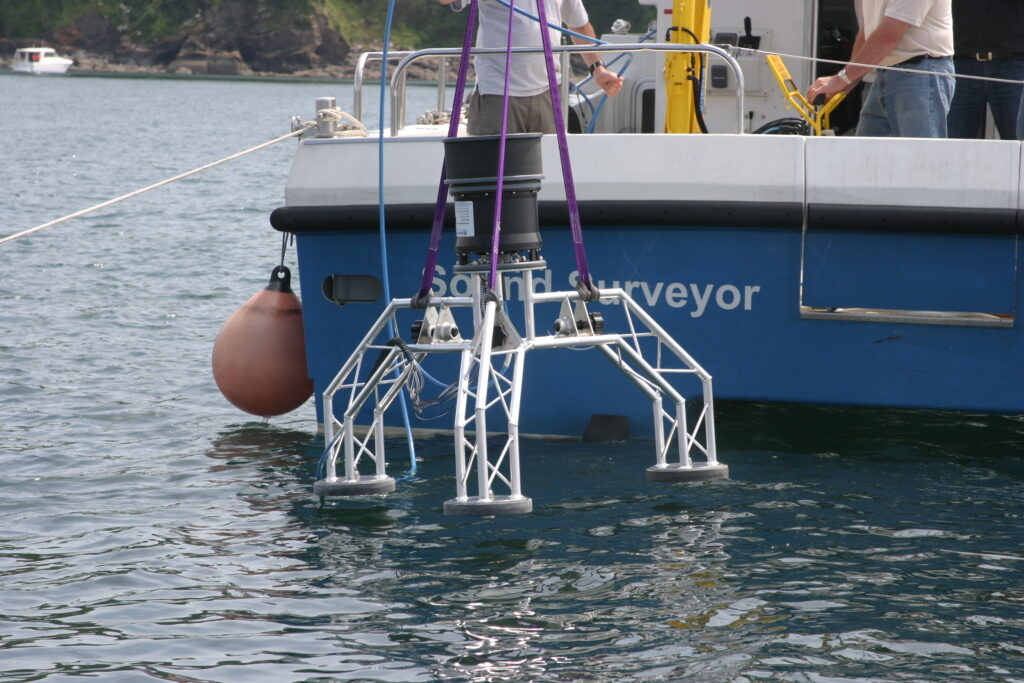
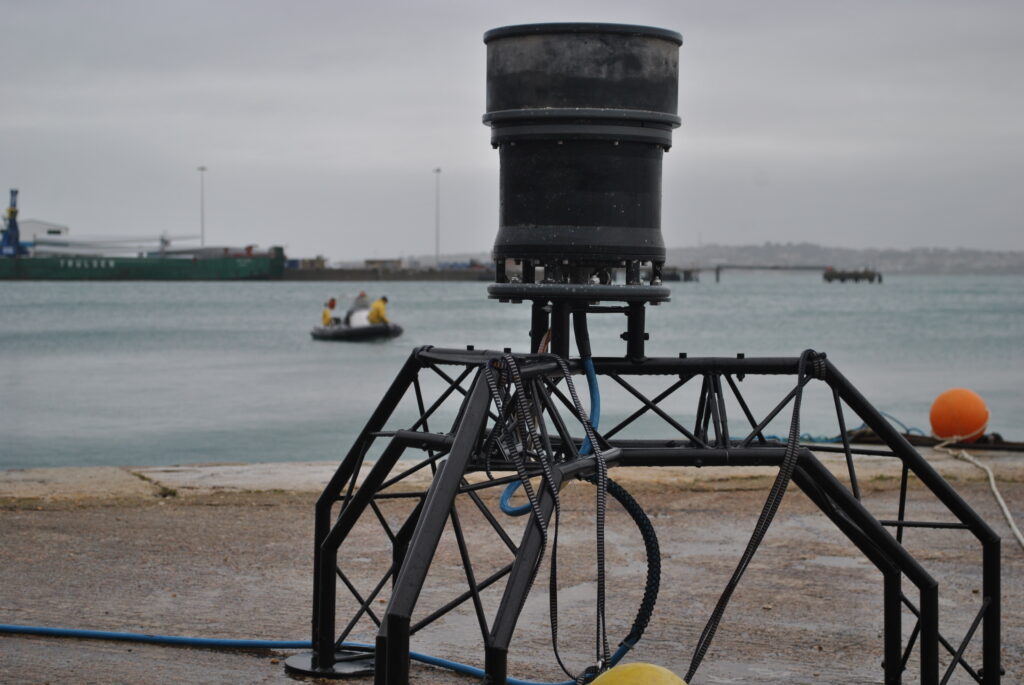
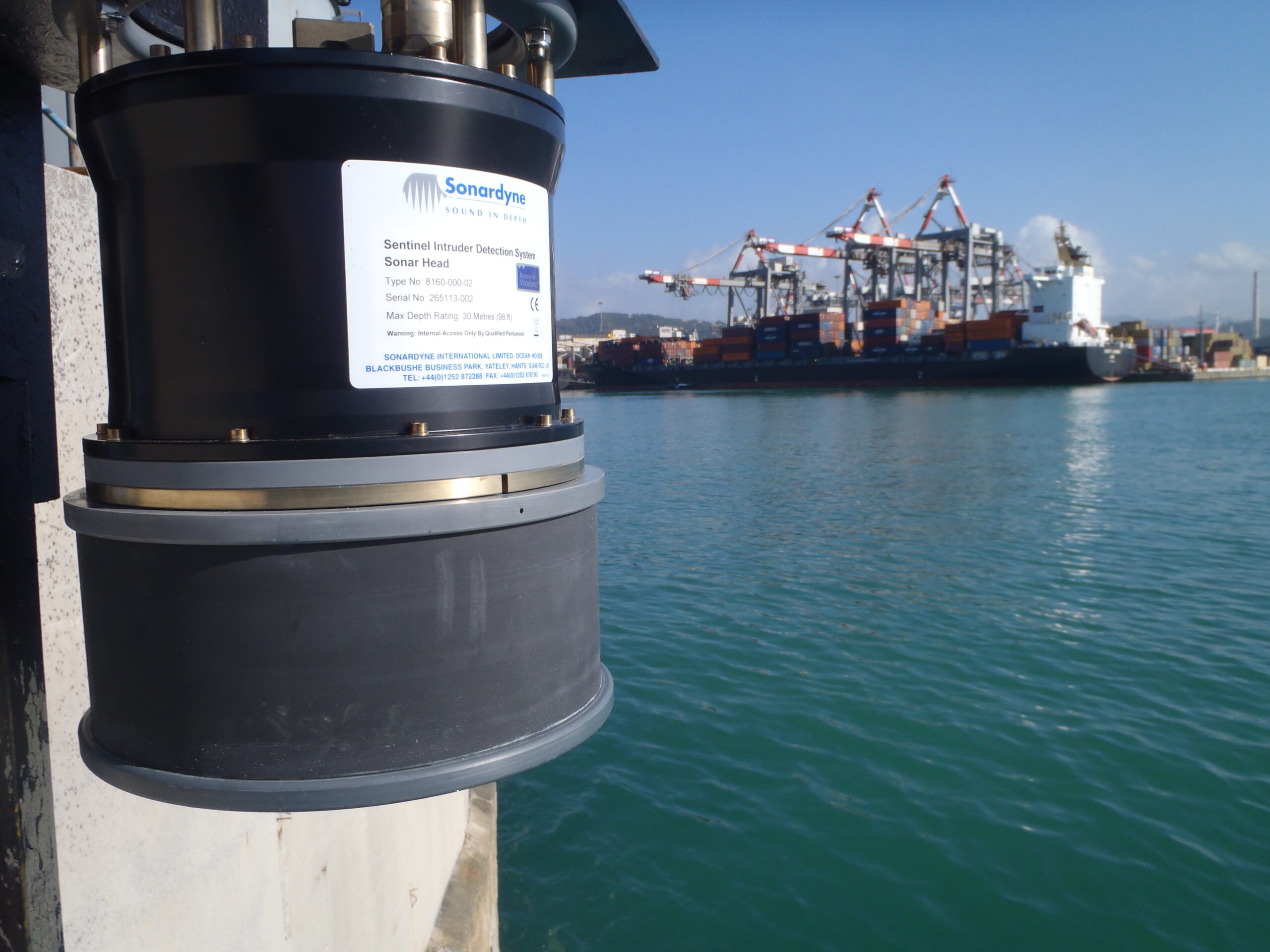
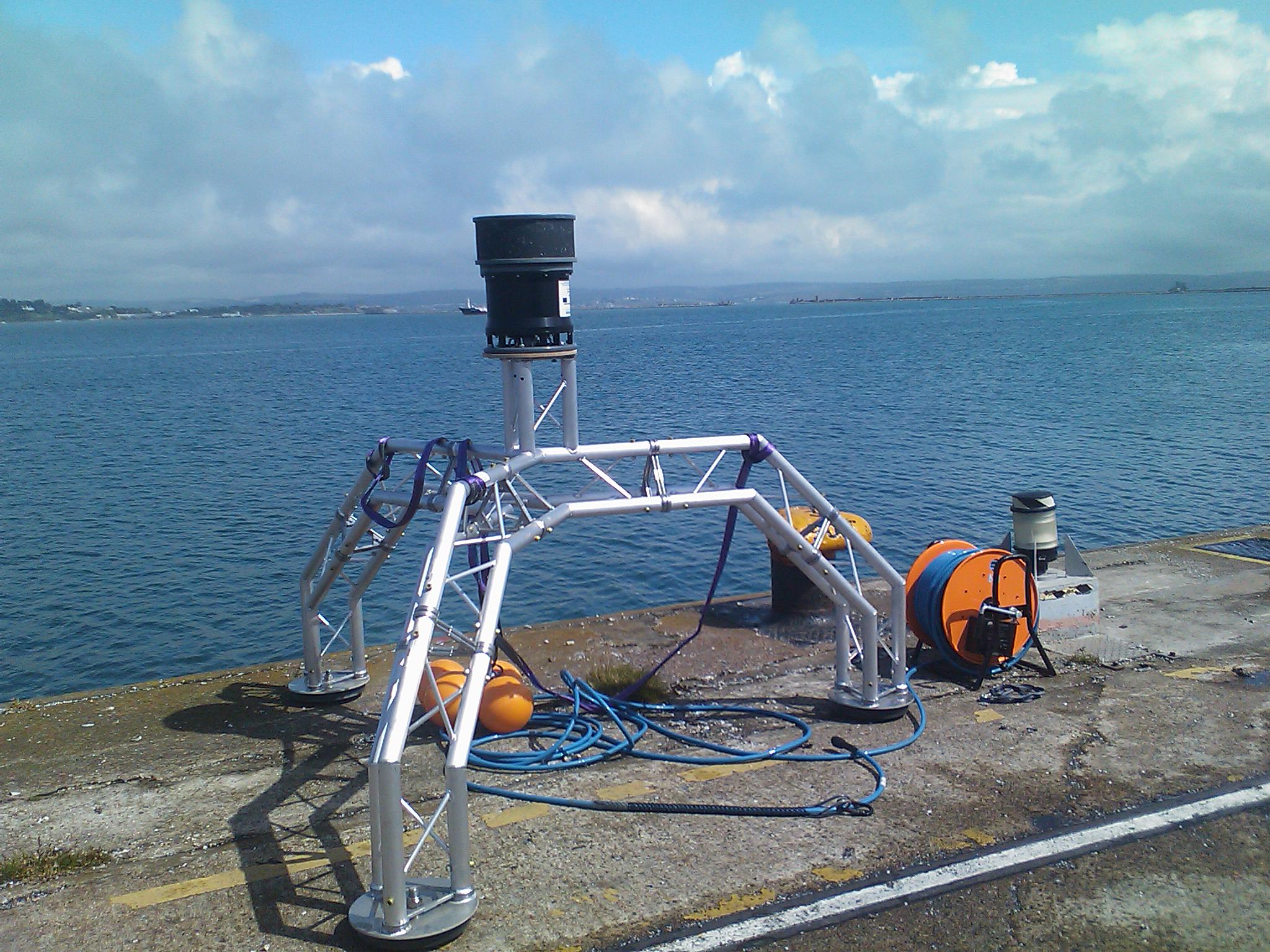
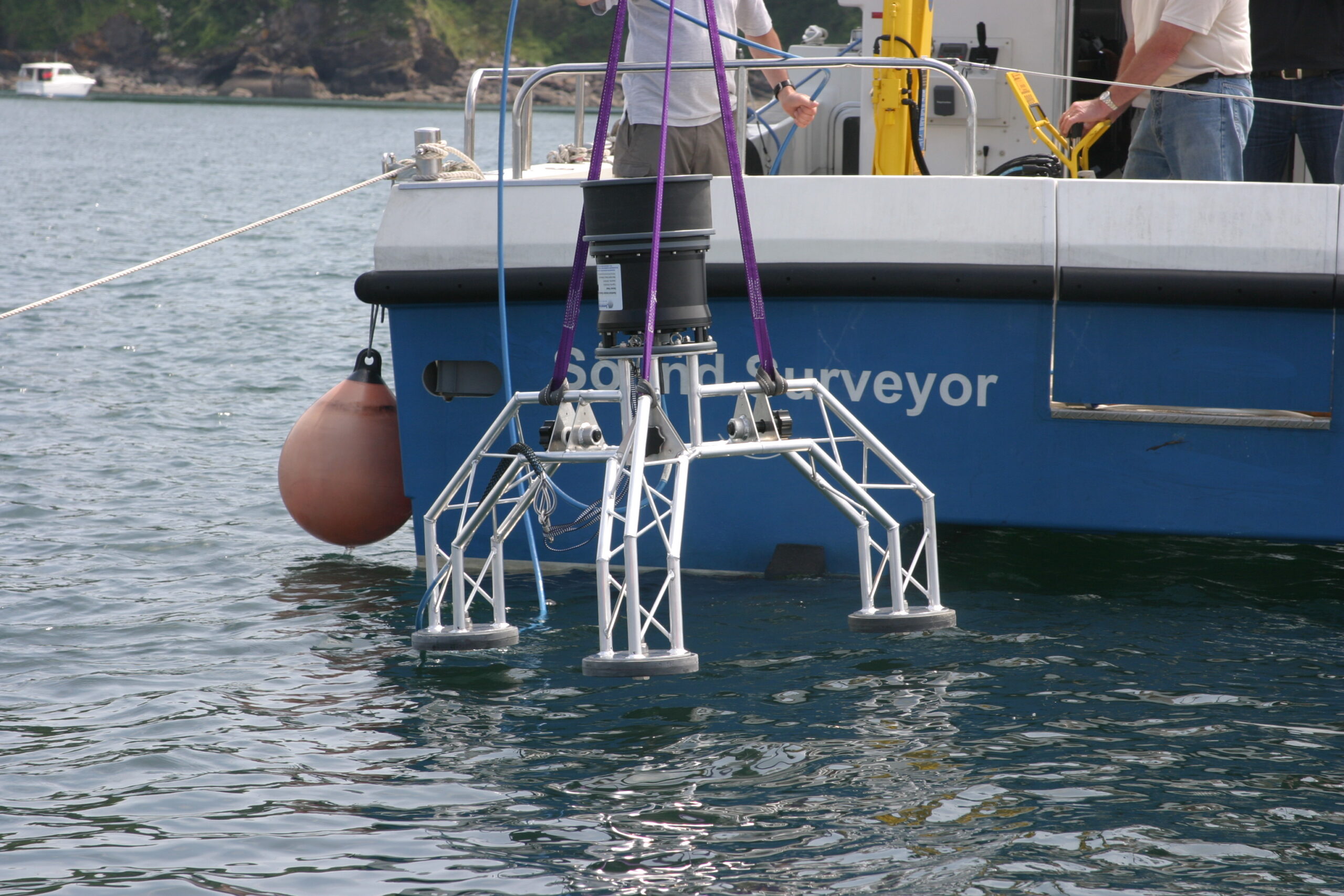
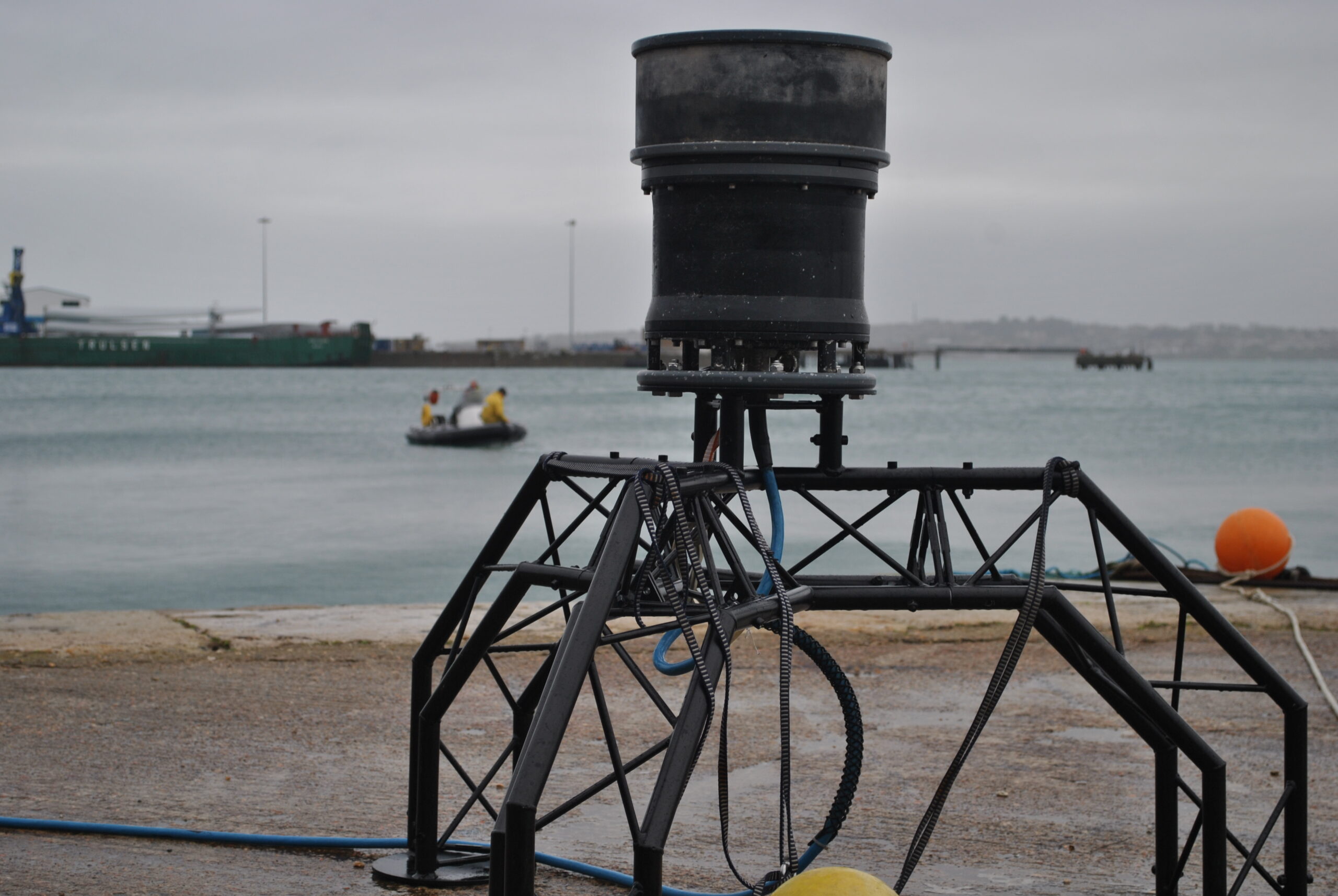
A new approach was required and so Sentinel was born. Sentinel was the first intruder detection system designed to be portable. It weighs just 35 kg. Design parameters were carefully selected to improve the detection and tracking capabilities in comparison to existing systems.
Typically deployed in shallow waters and with a requirement to detect threats as far as possible, the design carefully considered the challenges from operating in confined areas, such as complex sound velocity profiles, multipath effects and shadow zones. As a result, Sentinel uses a circular transducer configuration to ensure even coverage.
Modern computing and cutting-edge algorithms enable Sentinel to track and analyse a large volume of targets. Improvements were made without compromising performance. Sentinel’s range and detection rates were far superior to that of the larger systems. Its size made it truly expeditionary. The system could be mobilised to set up a protective perimeter for your amphibious forces one day or to monitor a sensitive choke point the next.
As new threats emerge, our navy customers want to ensure that their existing Sentinel systems can meet them. After all, the design parameters were carefully selected to improve the detection and tracking of divers. Can they meet the underwater drone challenge?
Each sonar head was designed to operate at 70 kHz with a 40 ms pulse to improve the signal-to-noise performance and to increase the effective range of the system. The 20 kHz bandwidth provided an effective 3.75 cm range resolution. Sentinel emits a 360° linear-period-modulated (LPM) pulse and uses 256 receive beams equally spaced along its perimeter to discriminate targets in up to 1500 m range even at high velocity.
The results mean Sentinel can detect scuba divers up to 1,000 m range and divers with rebreathers up to 700 m. Sonardyne engineers had the anecdotal experience that the system could detect and track UUVs, but more concrete data was needed to ensure that performance was suitable for the task.
A set of experiments conducted during the Advanced Naval Technology Exercise (ANTX 2019) in collaboration with the US Naval Undersea Warfare Center (NUWC) in Newport, RI demonstrated improved performance using Sentinel against combat divers and a one-man portable Riptide µUUV.
ANTX has become a key naval technology collaboration, development and demonstration event in the US calendar. It brings together more than 1,000 naval, academic and industry attendees at the US Naval Undersea Warfare Center’s (NUWC) Narragansett Bay Test Facility (NBTF) in Newport. The NBTF is a test and evaluation facility designed to support research and development work in advanced underwater weapons and weapons systems, weapon launchers, UUVs and oceanographic equipment.
The Riptide µUUV provided a formidable target. Manufactured by BAE Systems, the Riptide is just 12.4 cm in diameter and weighs under 12kg. The man-portable small, unmanned vehicle is a sophisticated yet simple, efficient, and highly flexible platform.
In the exercise, multiple threat runs using both divers and the µUUV were carried out against Sentinel over two days. In some cases, the runs used threat tactics, such as moving along harbour walls and zig-zagging courses, designed to make tracking as challenging as possible. The results demonstrated that Sentinel continues to be up to the task.
That same year, the Slovenian Armed Forces (SAF) 430th Naval Division put our Sentinel through its paces in their own test. As part of a broader multinational exercise, their Underwater Special Operations Detachment carried out operations alongside a group of divers from the Montenegrin Navy.
The 430th Naval Division of Slovenia’s Armed Forces often use their Sentinel from vessels in port, while at anchor. For the multinational exercises, they deployed it from a pole mount from the patrol boat stern platform. Starting with integration drills, involving underwater and surface inspection of the operational area, they moved on to joint inspection of navigable waterways, followed by a mine hunting and detection exercise around moorings used by allied vessels.
Throughout, the underwater part of the port’s disembarkation area – which is protected by the 430th Naval Division – was monitored using Sentinel. It was then used to steer the force reaction towards the simulated intruders.