Sonardyne
Support Centre

Case Study:

Energy Blog

Author:

Wolfgang Ruf, Vice President of Special Projects, Sonardyne Inc.

Offshore CCS in the US: trust is earned below the seafloor 

05052026

The hardest part of offshore CCS isn’t injecting CO₂—it’s proving it will stay put.

In the United States, offshore carbon capture, and storage (CCS) is moving rapidly from policy ambition to permitted reality.

A major US federal incentive, 45 Q, has been introduced, in part, to enhance CCS deployment, offering up to $85/tonne of carbon dioxide for geologic sequestration.

With these incentives, project economics are improving and offshore storage advancing through regulatory review, shifting the debate beyond whether CCS should happen.

The real question now facing operators and regulators alike is how containment is demonstrated—with confidence, transparency and long‑term accountability. That question is answered through monitoring.

Why monitoring underpins offshore confidence

Offshore CO₂ storage offers immense geological capacity and the opportunity to reuse existing offshore infrastructure as part of a long-term emissions reduction strategy.

For the US offshore industry, CCS provides a promising growth opportunity and a way to reuse Gulf of Mexico expertise, infrastructure and subsurface know-how. But geological storage capacity alone does not build trust.

Operators, regulators and the public share a single expectation: injected CO₂ must remain safely contained for decades. Measurement, monitoring and verification (MMV) provides the evidence needed to confirm that expectation is being met and that storage behaves as modeled.
Why offshore CCS demands a different approach

Offshore environments introduce challenges that fundamentally change how monitoring must be designed. Direct, accessible methods used onshore simply don’t apply.

Unlike methane, CO₂ dissolves rapidly in seawater. Combined with tides, currents and biological activity, the offshore system is highly dynamic. These conditions make isolated sensors or single‑method solutions insufficient.

Effective offshore CCS monitoring relies on integrated, multi‑parameter strategies that observe the system holistically—above and below the seabed.

How integrated monitoring reduces risk

Modern offshore MMV programs combine complementary technologies, each addressing a critical layer of assurance:

  • 4D seismic and gravimetry to image and track CO₂ movement deep below the seabed
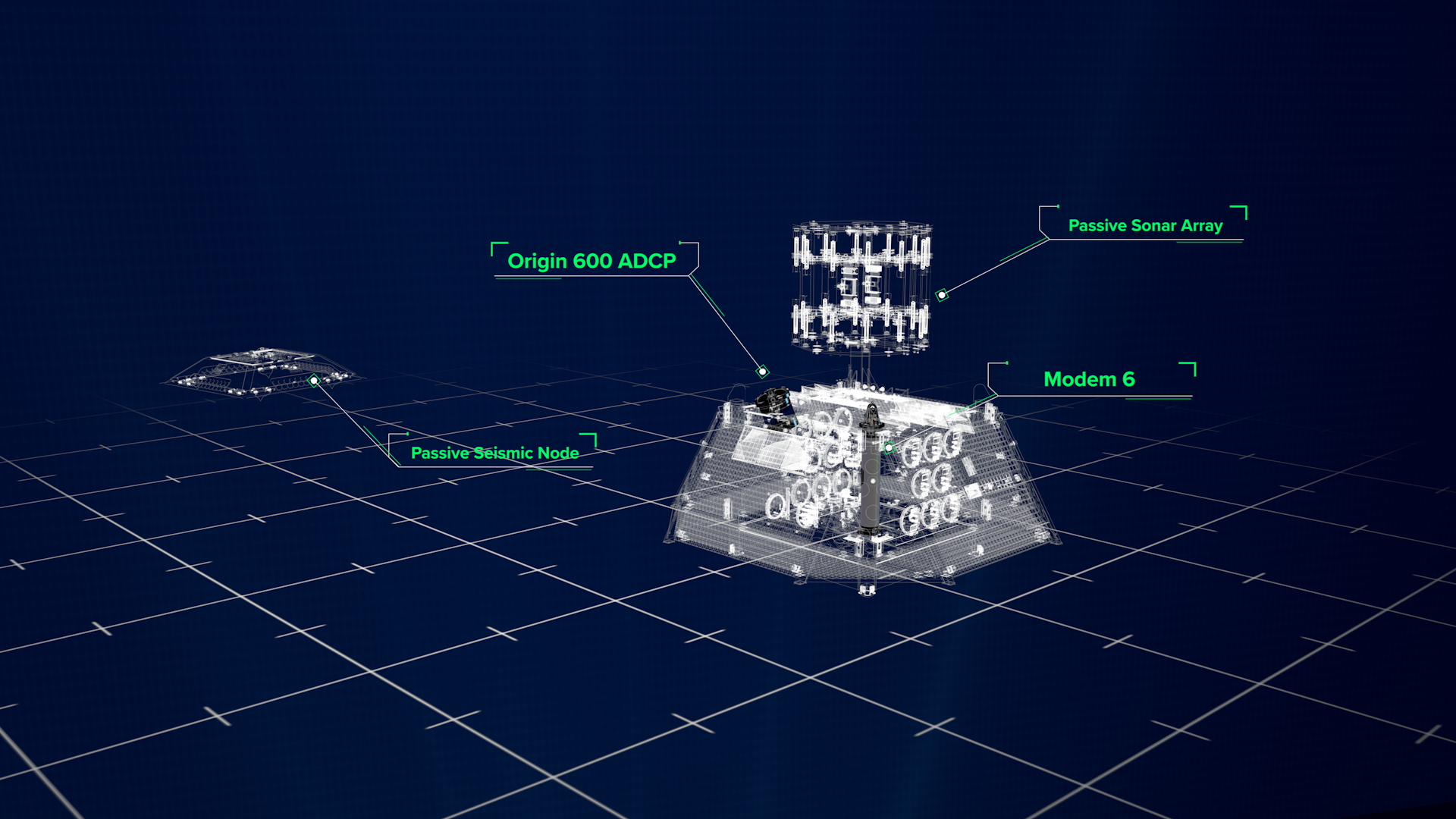
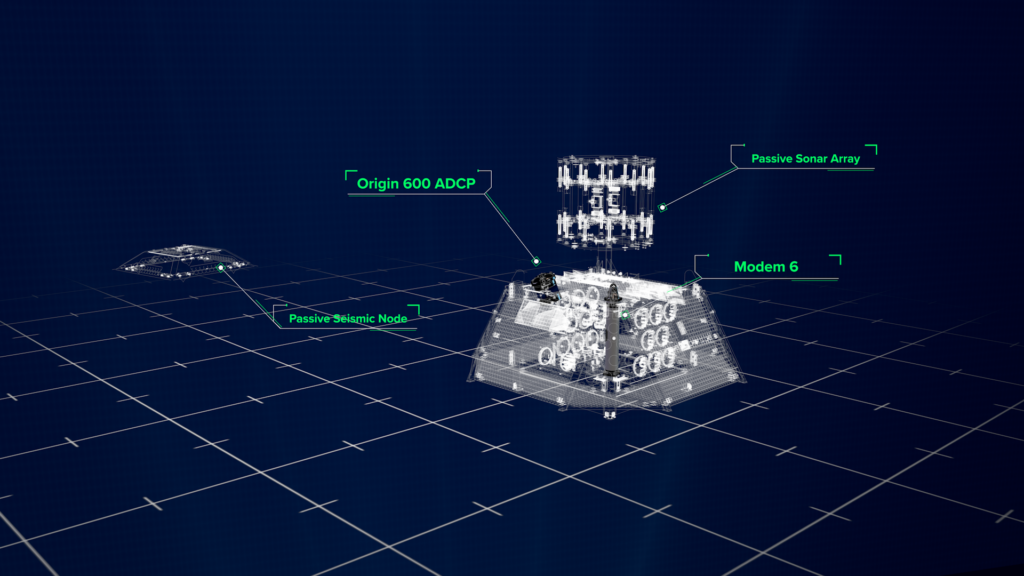
  • Passive seismic monitoring to constrain reservoir behavior and detect microseismic events
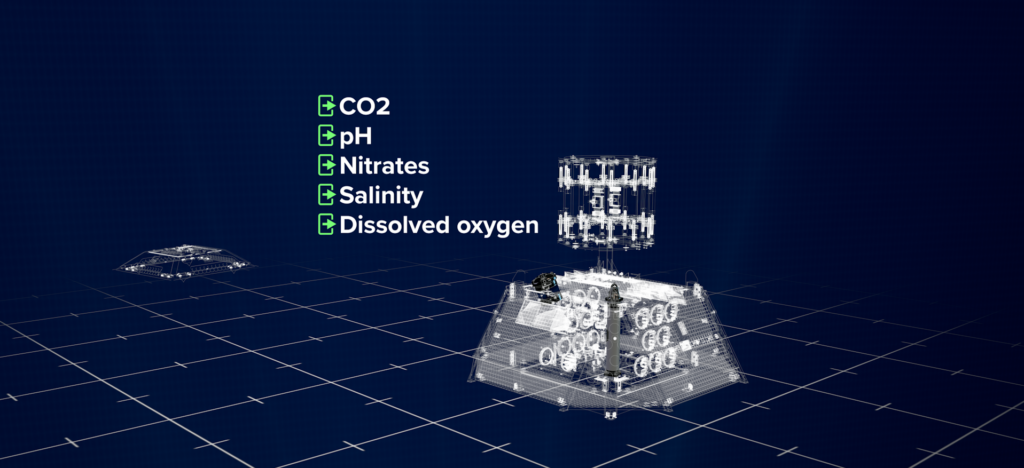
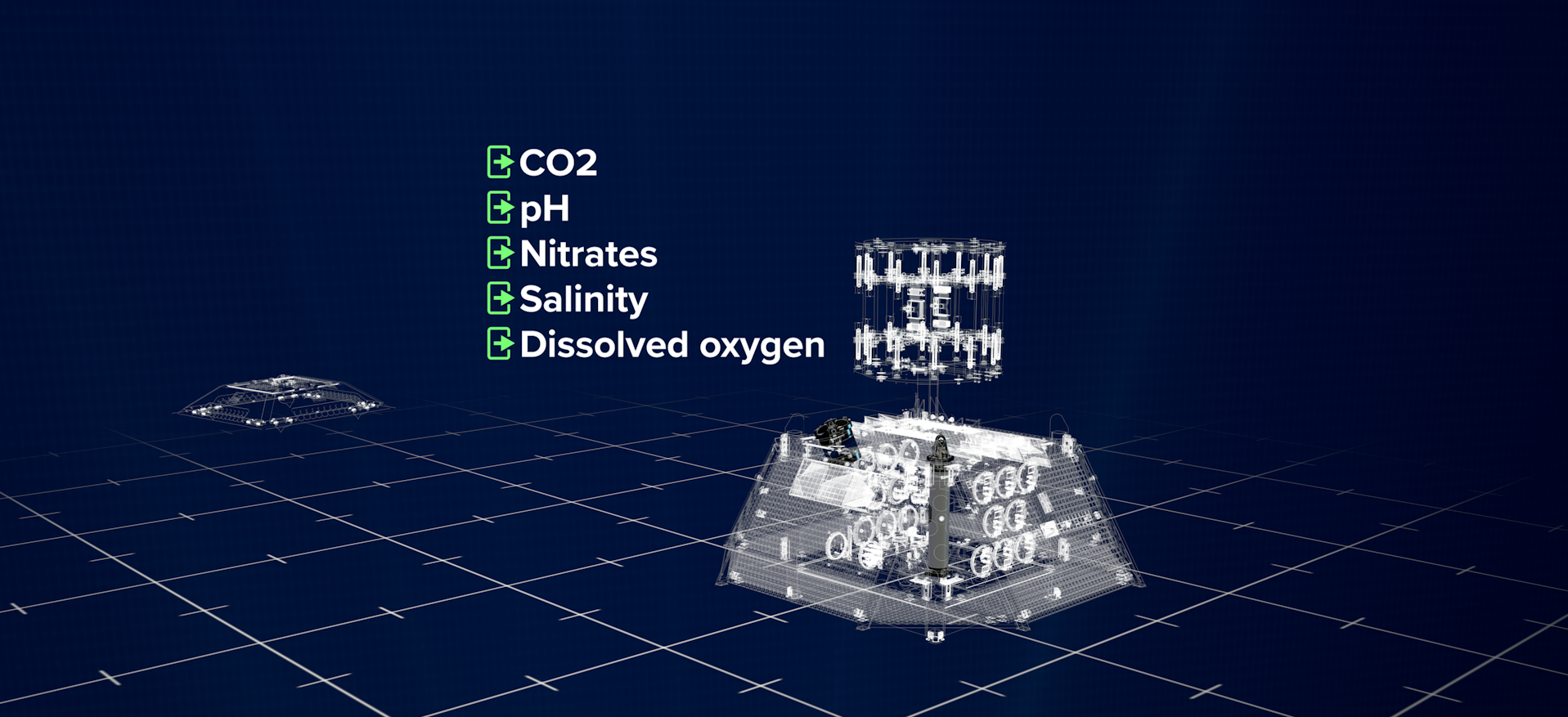
  • Seabed chemistry, acoustics and autonomous systems to identify early indicators above the storage complex

Together, these tools transform uncertainty into actionable insight, shifting monitoring from reactive detection to proactive risk management.

NEP: real-world validation of integrated monitoring

The UK’s Northern Endurance Partnership (NEP) carbon dioxide transportation and storage project shows how this layered approach is being applied.

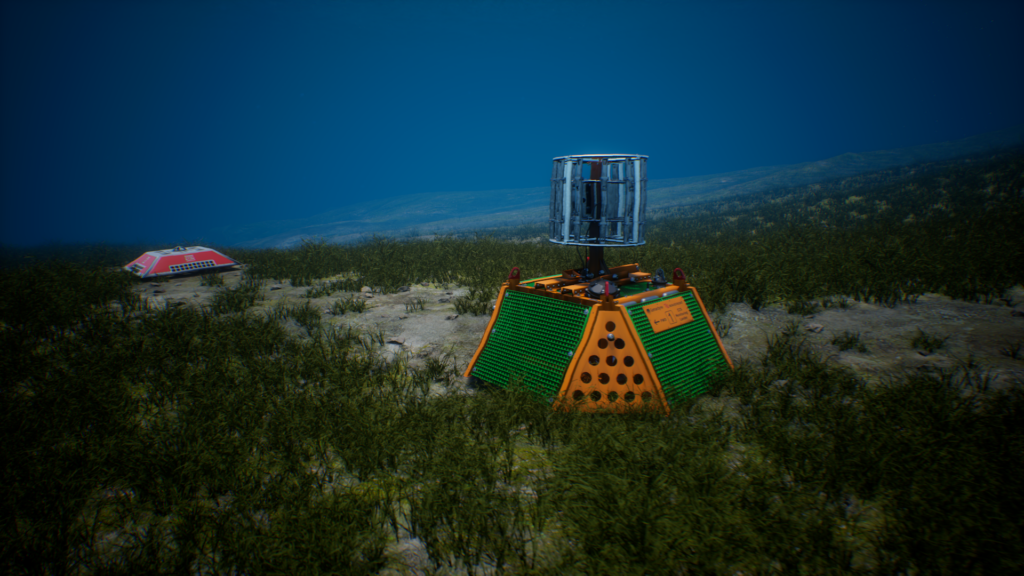
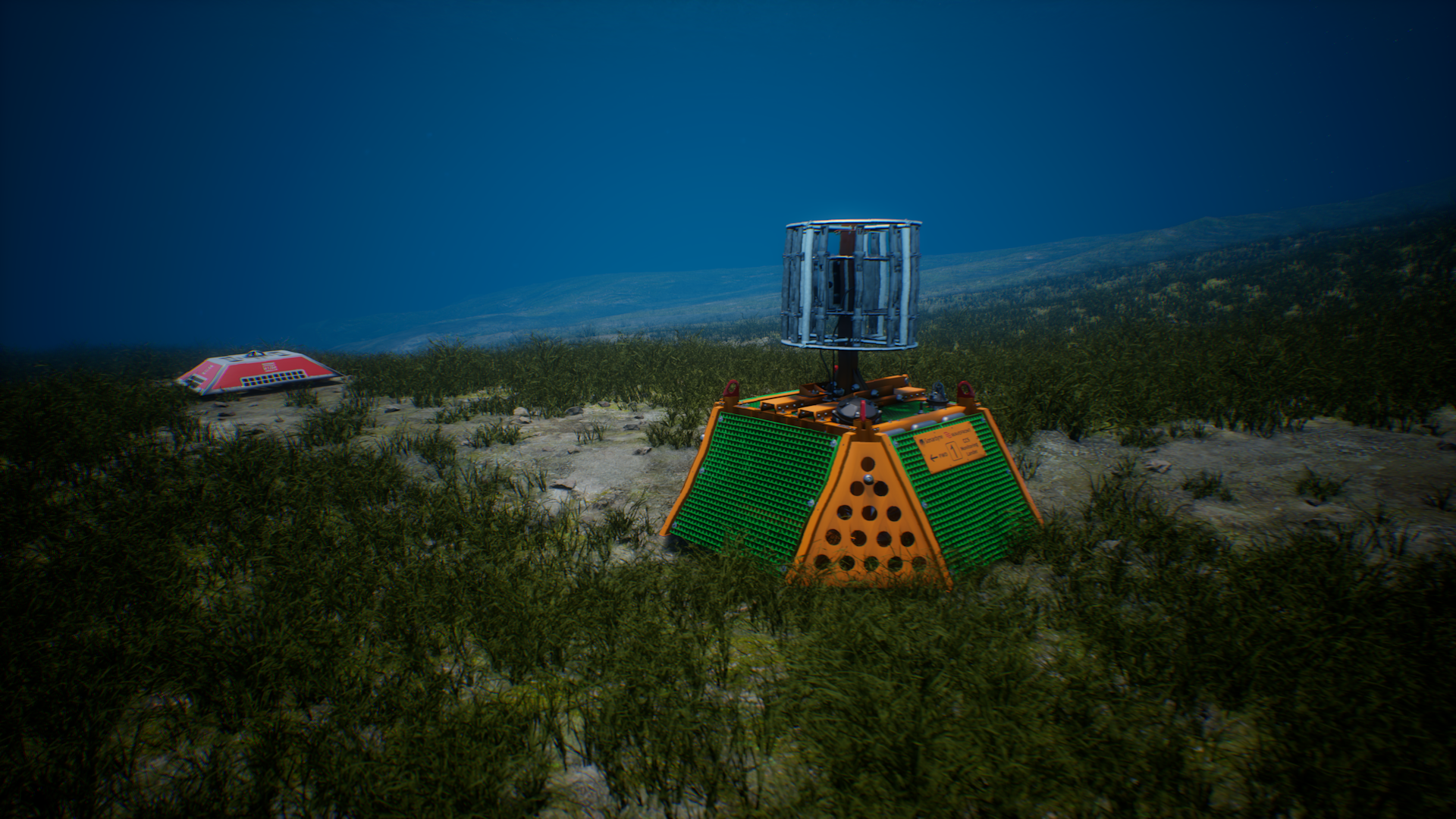
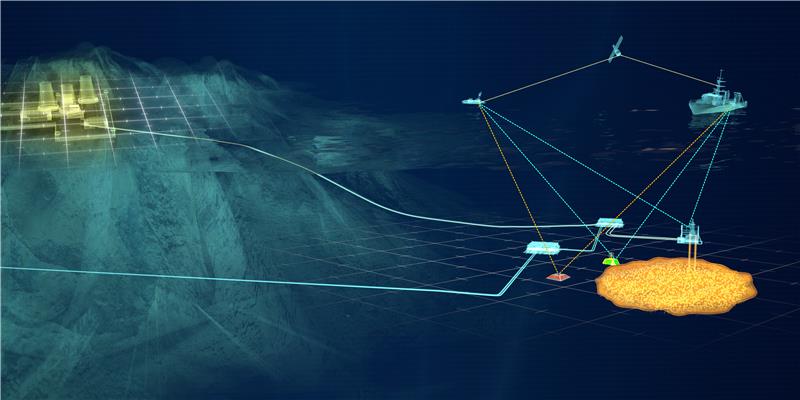
The project will deploy seabed landers and ocean-bottom seismometers, to establish an environmental and seismicity pre-injection baseline to allow future comparison with data collected during the operational injection phase. Deployed near legacy wells, this process will support continuous, multiparameter observation above and below the seafloor at the Endurance CO₂ store.

By integrating geophysical methods, passive seismic arrays, and continuous seabed chemistry monitoring, NEP aims to deliver regulatory compliance and provide stakeholders with increased confidence in containment.

Sonardyne’s contribution draws on decades of subsea experience and prior CCS monitoring work, helping to operationalize an integrated MMV approach in a complex offshore setting.

MMV: more than a regulatory requirement

For offshore CO₂ store operators in the US, robust MMV is more than a regulatory requirement. Well designed monitoring programs can:

  • Support faster, more confident permitting
  • De‑risk long‑term storage liabilities
  • Protect asset value over the project lifecycle
  • Strengthen transparency with regulators and stakeholders

In a sector where scrutiny is increasing, monitoring is a strategic differentiator—not a checkbox.

Join the conversation at OTC

At this year’s Offshore Technology Conference (OTC), I will share lessons from large‑scale offshore CCS monitoring programs, highlighting how autonomous systems, permanent sensing, and risk‑based strategies are reshaping environmental assurance.

Technical session: Offshore Resilience Across Ice, Fire, and Intelligent Risk. 1400-1630, Room 604. OTC Paper: OTC‑37056‑MS

Offshore CCUS won’t scale on promises alone. What will regulators accept as proof that CO₂ stays put—now and in 30 years from now?

Wolfgang Ruf

Watch