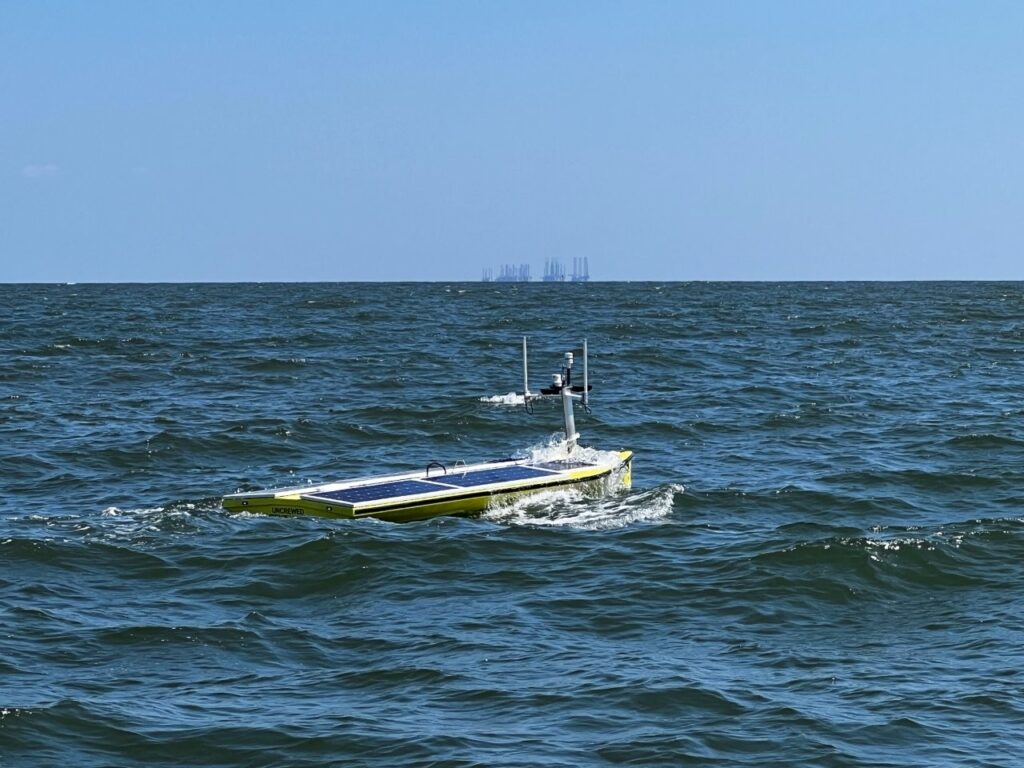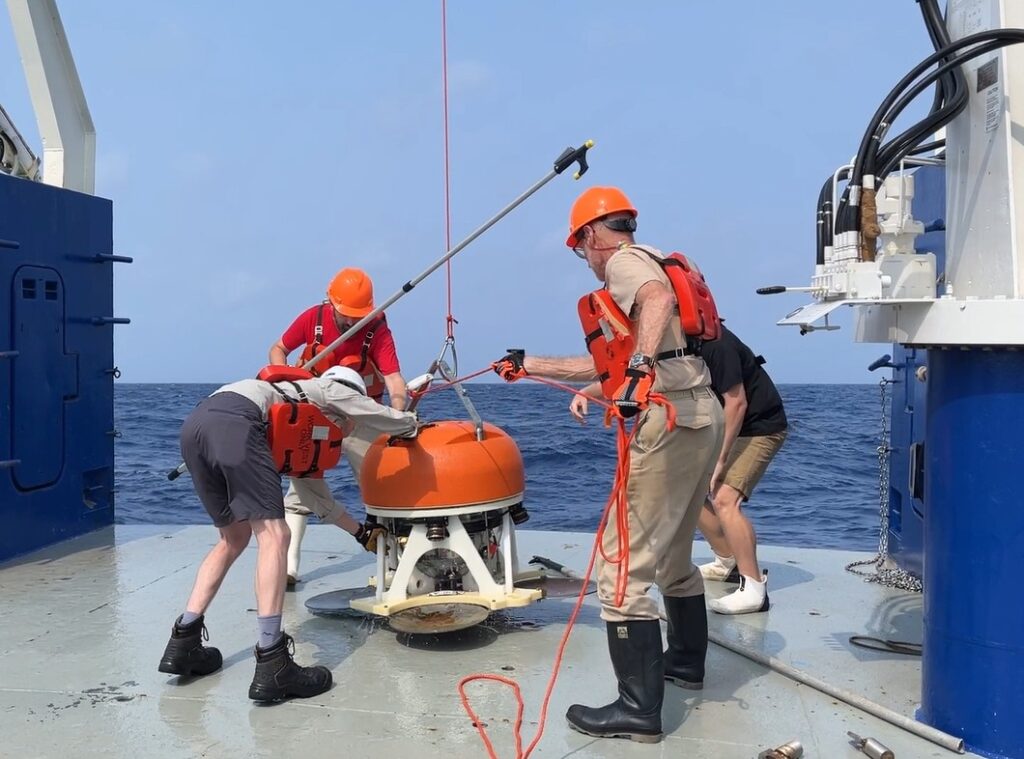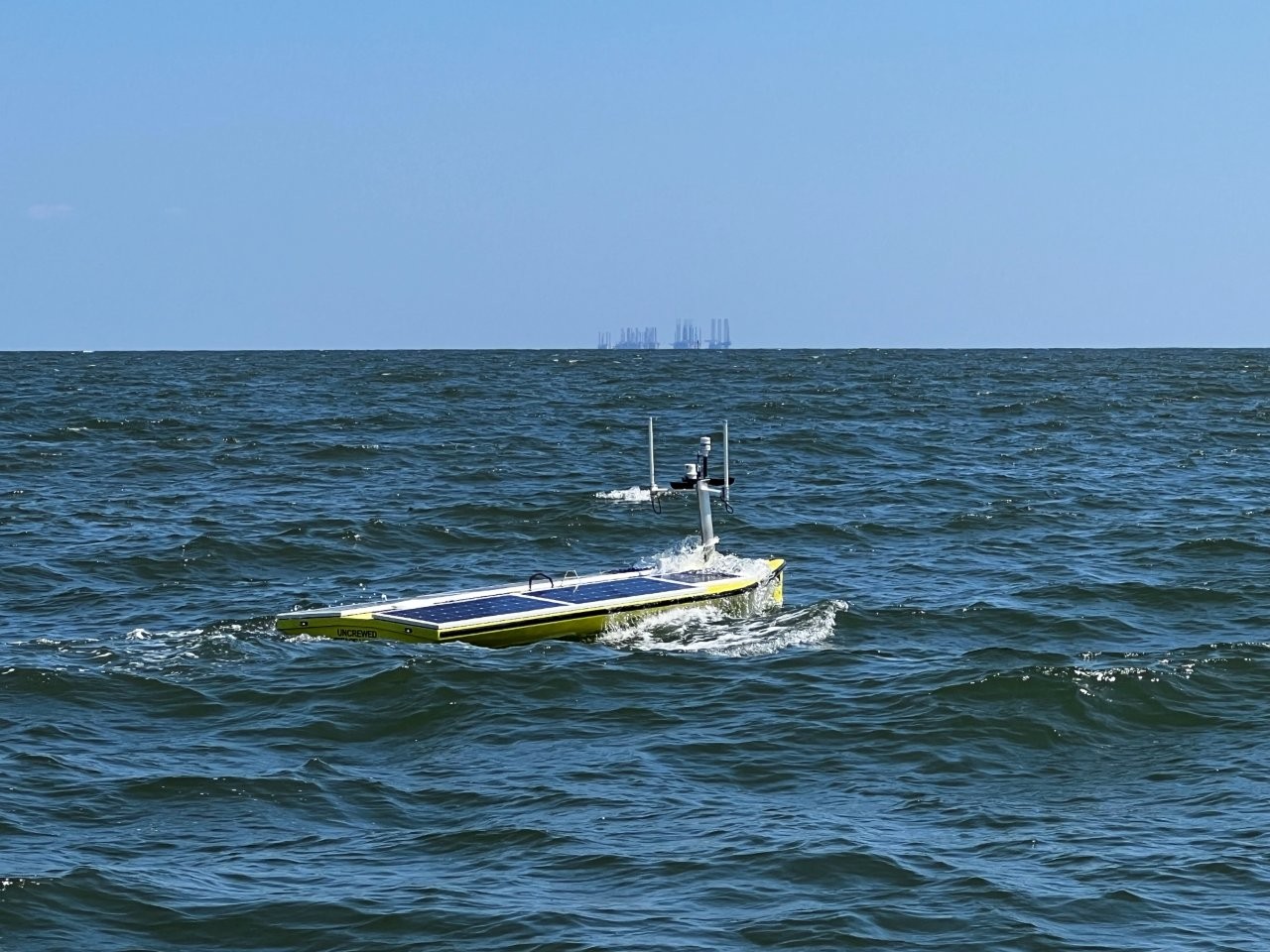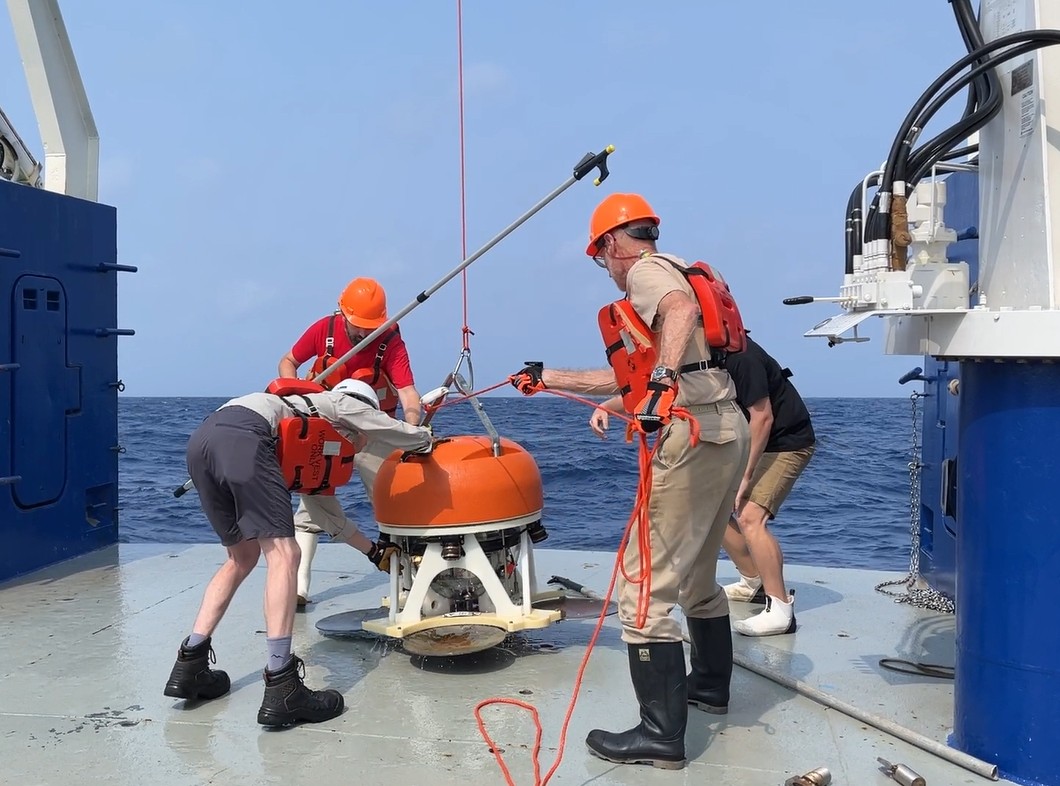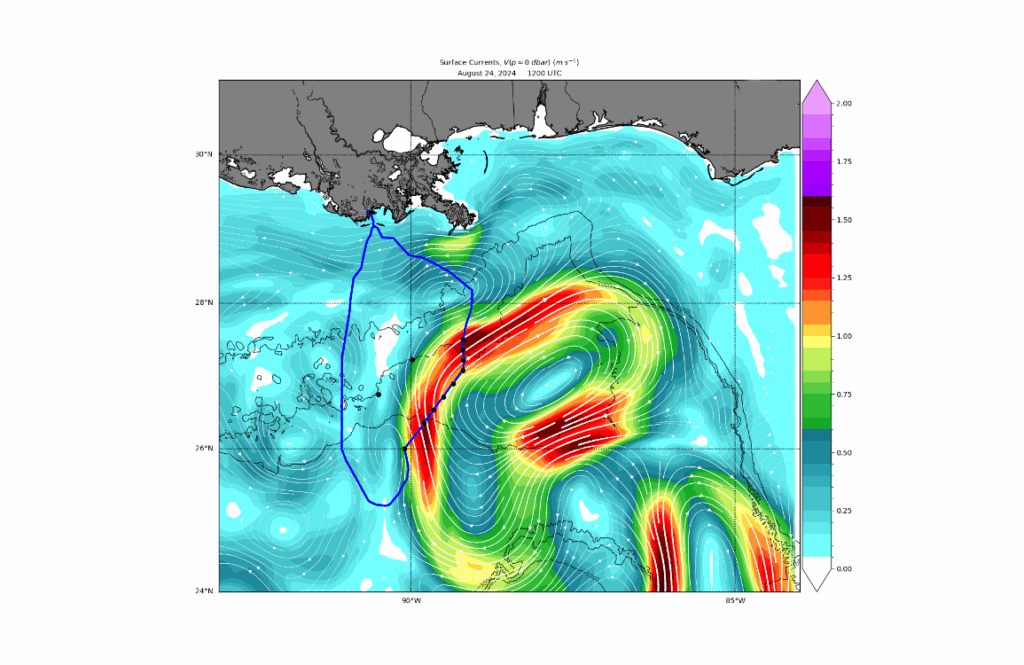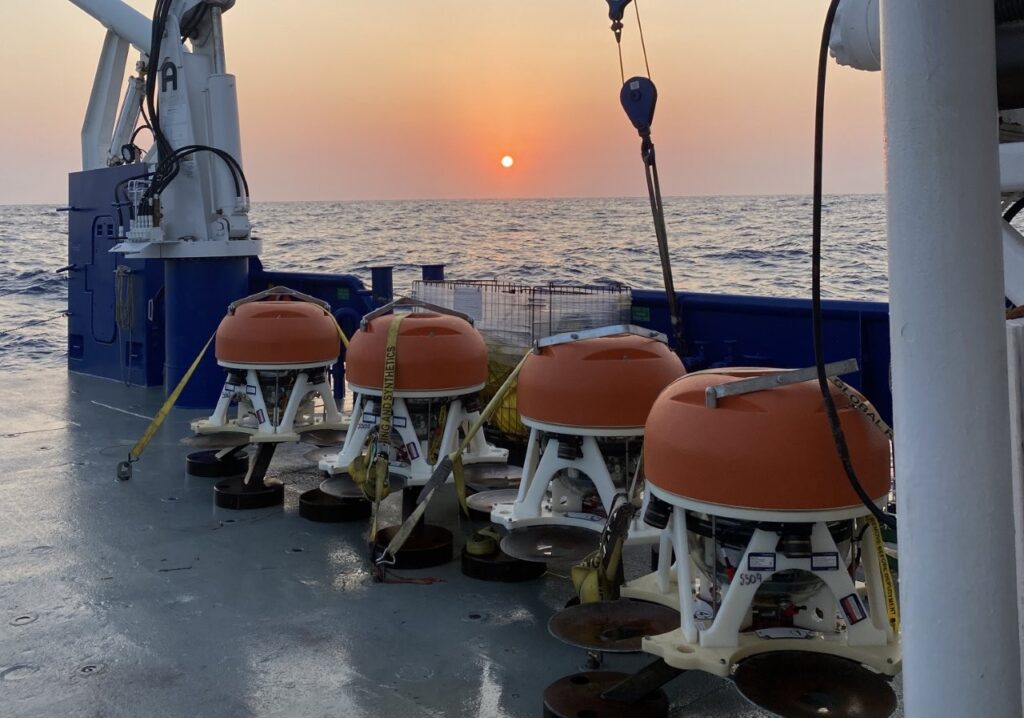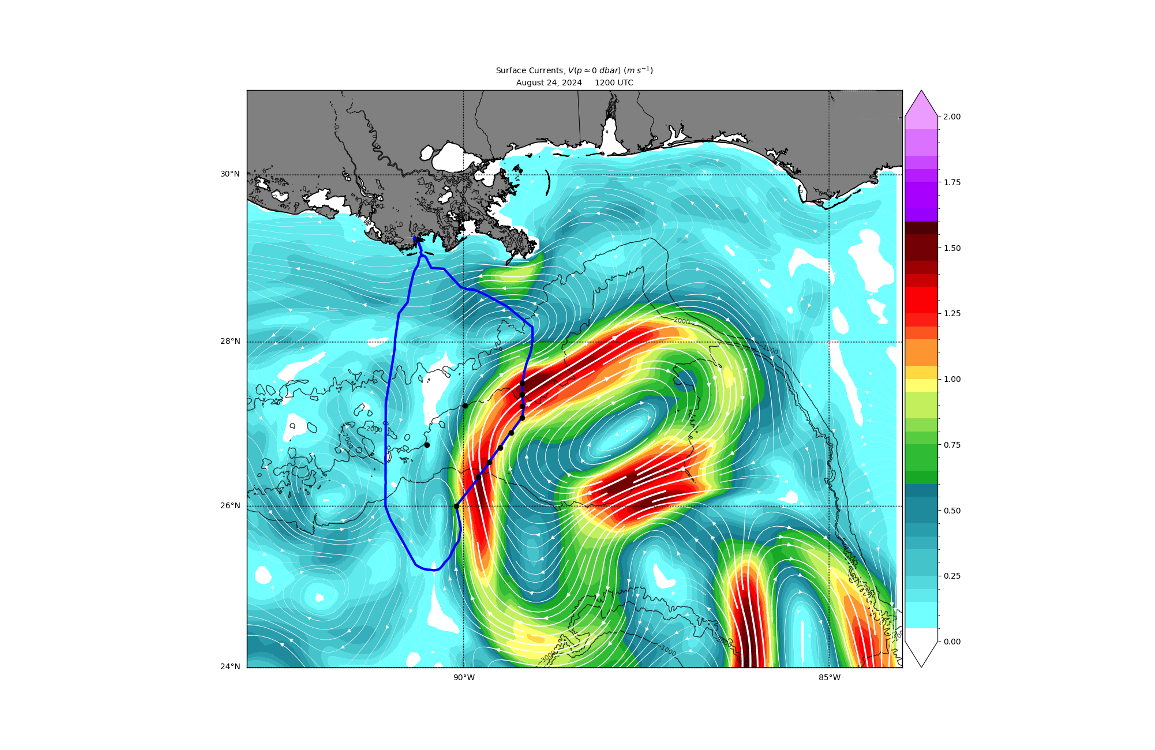
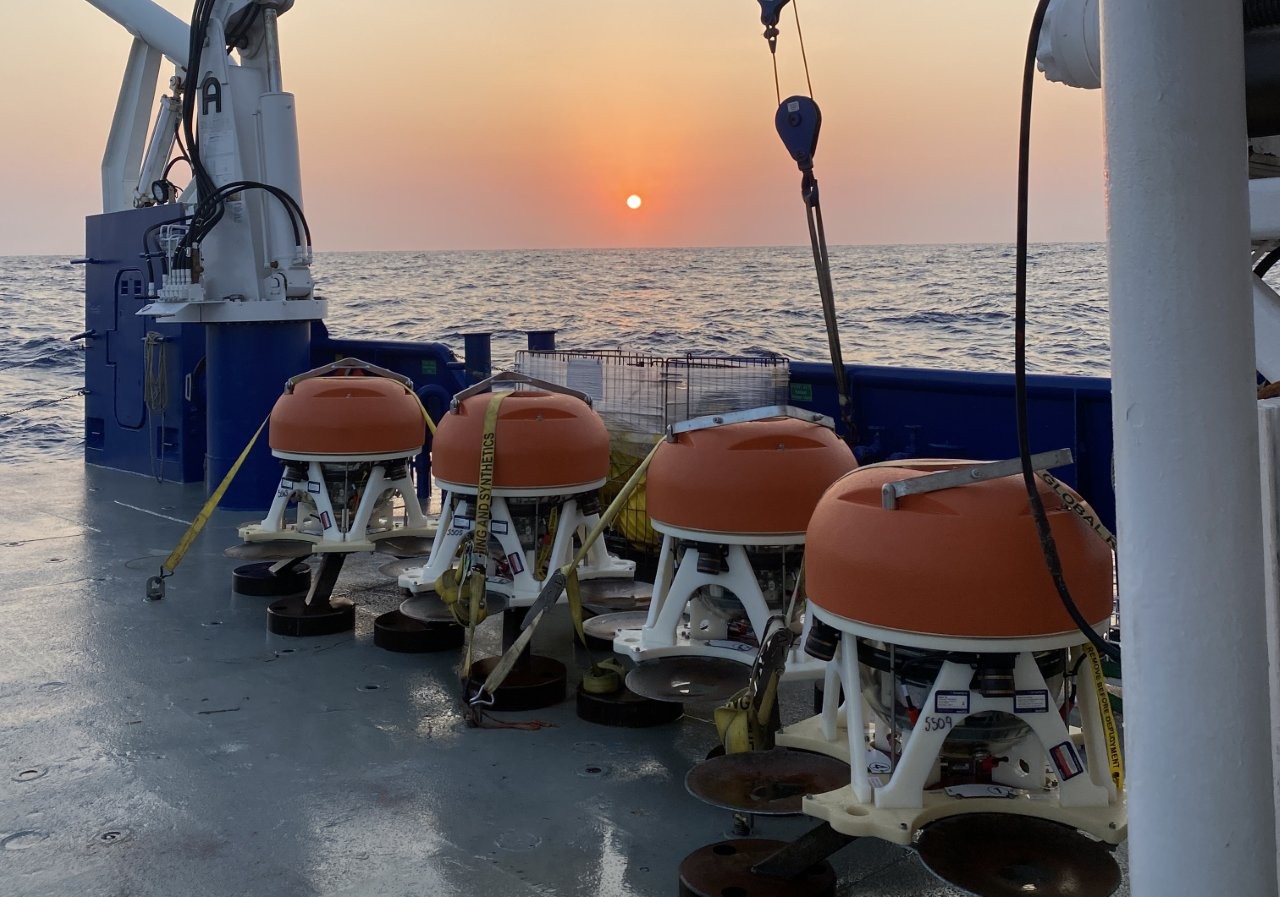
A new way to monitor previously hidden, but disruptive, deep ocean currents in near-real-time has been proven, thanks to a recently completed uncrewed technology collaboration in the US Gulf of Mexico.
In a science-industry first, marine technology companies Sonardyne and SeaTrac Systems used advanced sensors and uncrewed surface vehicles (USVs) to deliver science-ready deep ocean current data on the Gulf’s Loop Current System, direct to scientists’ desks in near real-time.
The project, commissioned and in collaboration with the University of Rhode Island (URI), opens the door to reliable, on-demand and sustained high-resolution observations of powerful and dynamic ocean systems, without the need to send people offshore.
In turn, this boosts scientists’ ability to improve predictive models, helping industry and science understand and mitigate the hazards posed by disruptive deep ocean currents, like the Loop Current System.
The project was completed during Fall 2025 and funded by the U.S. National Academies of Sciences, Engineering and Medicine’s Gulf Research Program.