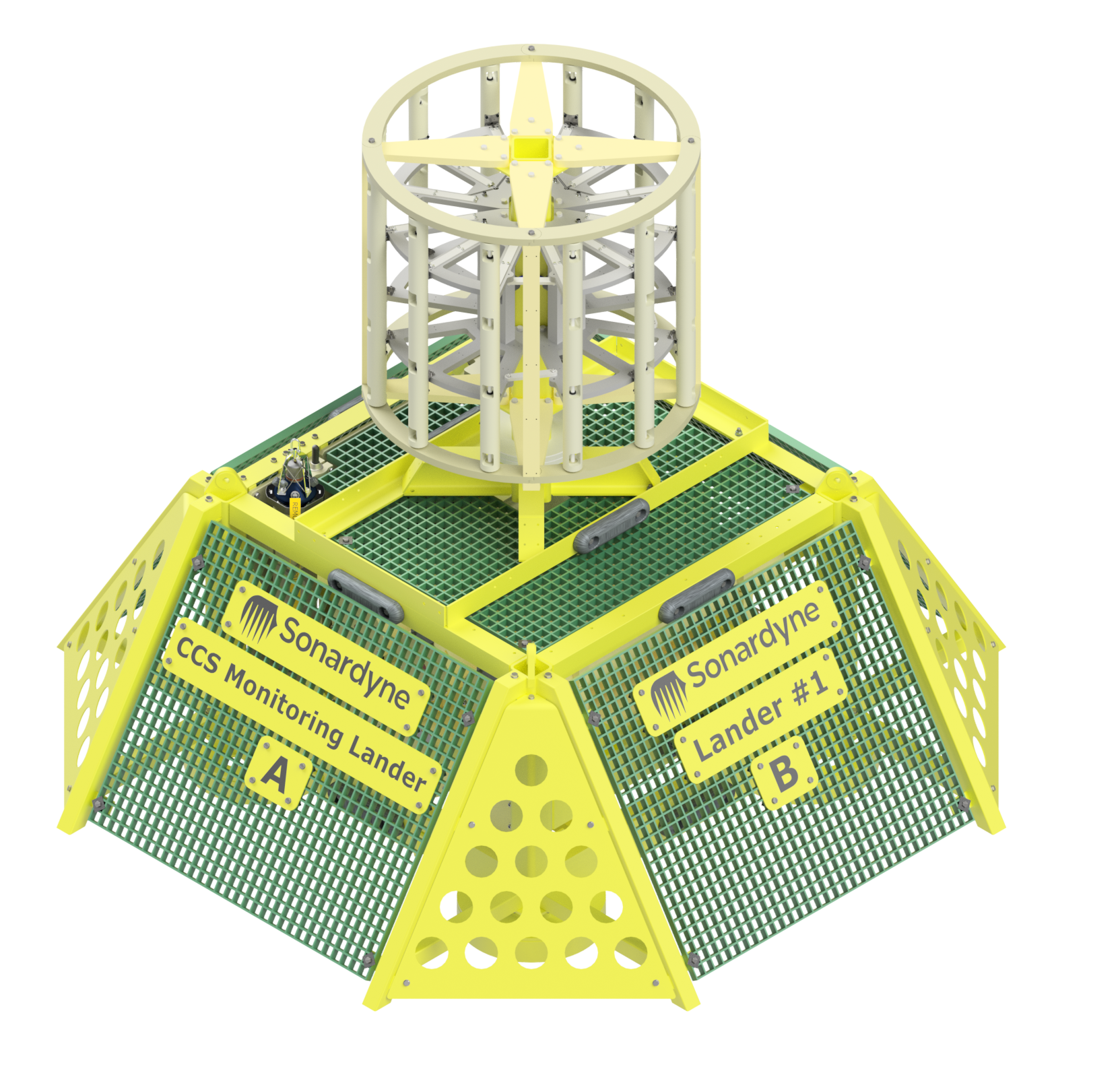
Monitoring of the site will begin in the summer of 2026 to provide baseline data for a duration of two years before the transportation and storage of captured CO2 commences. The seabed landers will be equipped with our Edge data processing application, power management and acoustic through-water communications to enable long-term, remote battery-operated deployment. Each lander will also contain a suite of hardware including our Origin 600 ADCP, Wavefront’s passive sonar array and multiple third-party sensors. Together, this technology can detect small changes in water chemistry across a wide area, while the data can be harvested, without retrieving the lander, using wireless subsea acoustic communication techniques.
Monitoring is a key activity for offshore CCS developments to verify safe containment of CO2 within the reservoir, provide reassurance to stakeholders and foster public confidence in this greenhouse gas abatement process.
Stephen Auld, Business Development Manager for Custom Projects at Sonardyne, welcomed the appointment:
“Being selected to deliver subsea environmental monitoring for this landmark project is a real honour and a testament to Sonardyne’s significant experience and expertise in this field. As a company who are already carbon neutral in our UK operations, we are passionate about combatting climate change and the drive for carbon neutrality. We are delighted to be working with NEP in delivering cutting edge marine technology to ensure their safe and successful offshore carbon storage operations.”
We look forward to bringing you more news of this project as it progresses. In the mean time, you can find our blog series on the importance of carbon capture and storage here.