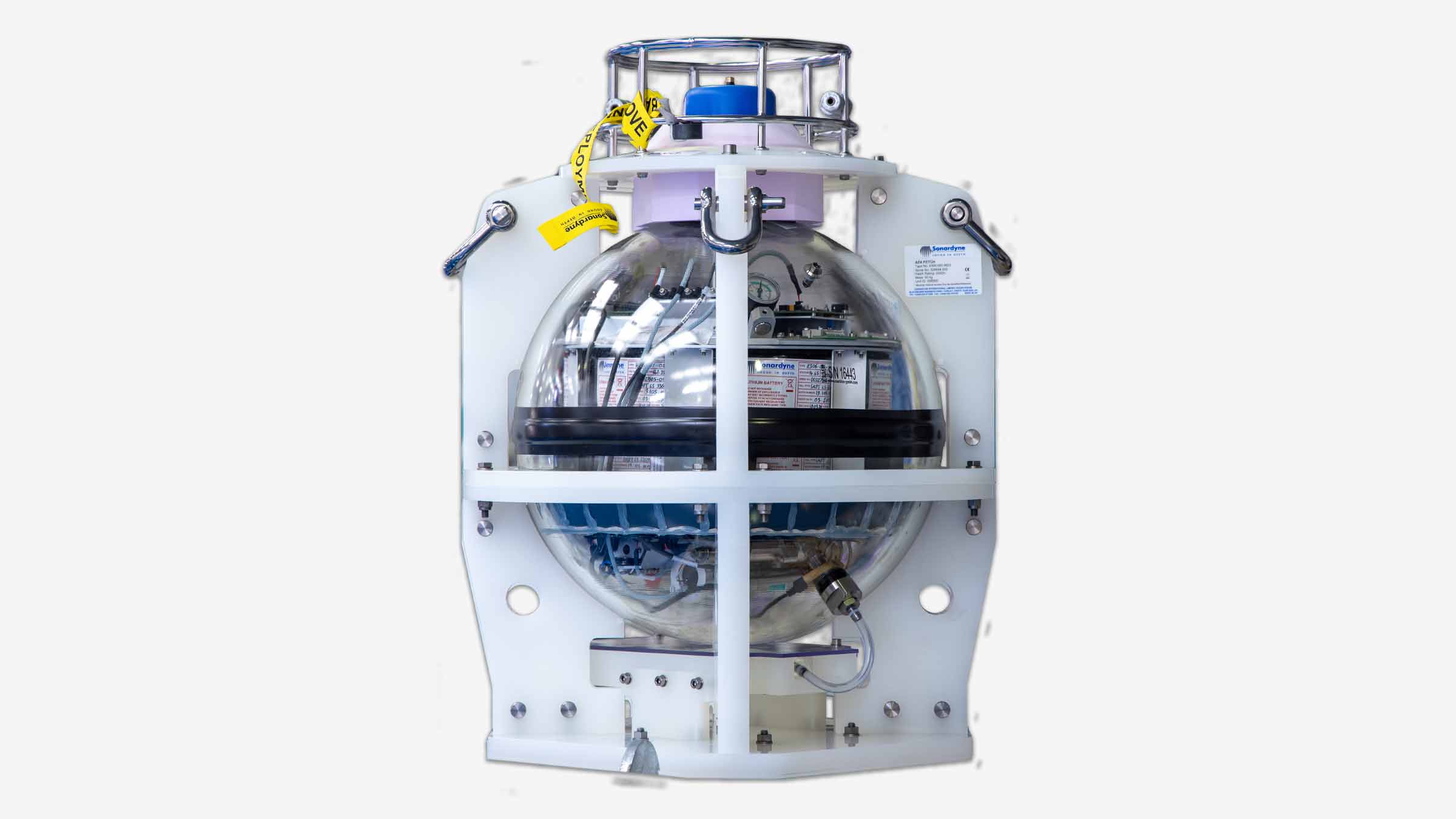
Fetch
Why Fetch is perfect for your operations
Think of Fetch as your underwater data hub. We work with you to integrate your chosen sensors, creating a reliable gateway to your subsea data that you can access remotely whenever needed.
Your advanced seabed geodesy projects demand precision and reliability. We’ve developed Fetch to deliver both, through seamless integration with our Ranger 2 system for efficient data collection.
We understand your commitment to reducing operational costs and environmental impact. Fetch helps you achieve both through long-term deployment capabilities and remote data harvesting, minimising vessel time and emissions.
Fetch your subsea data
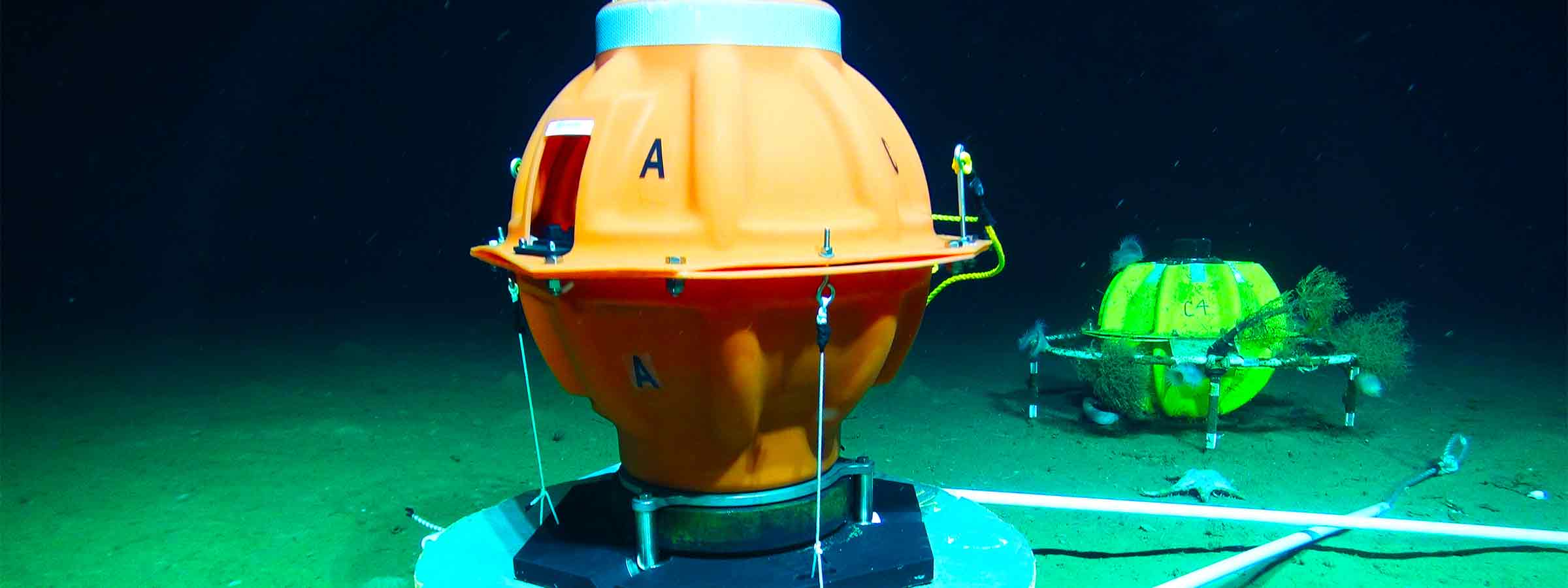
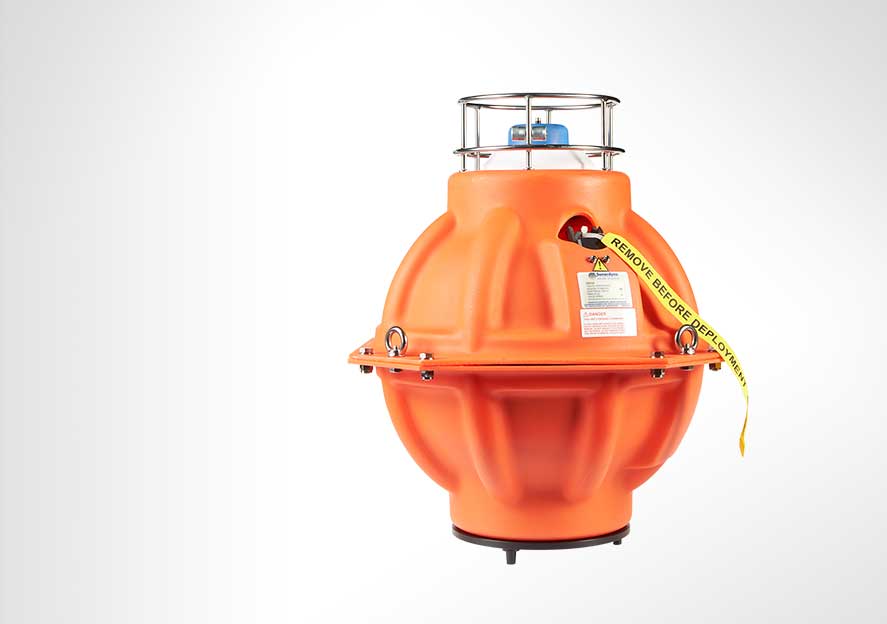
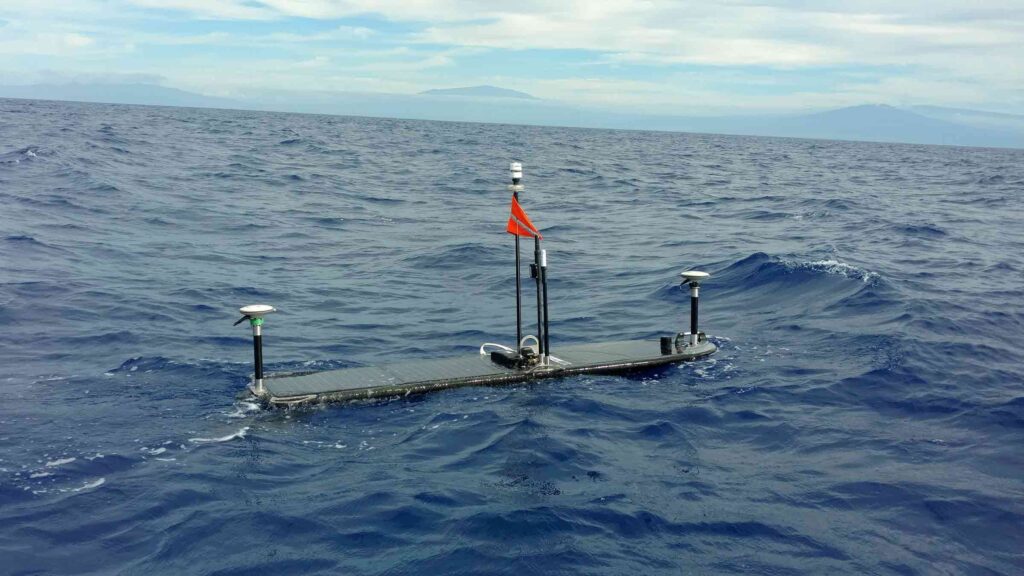
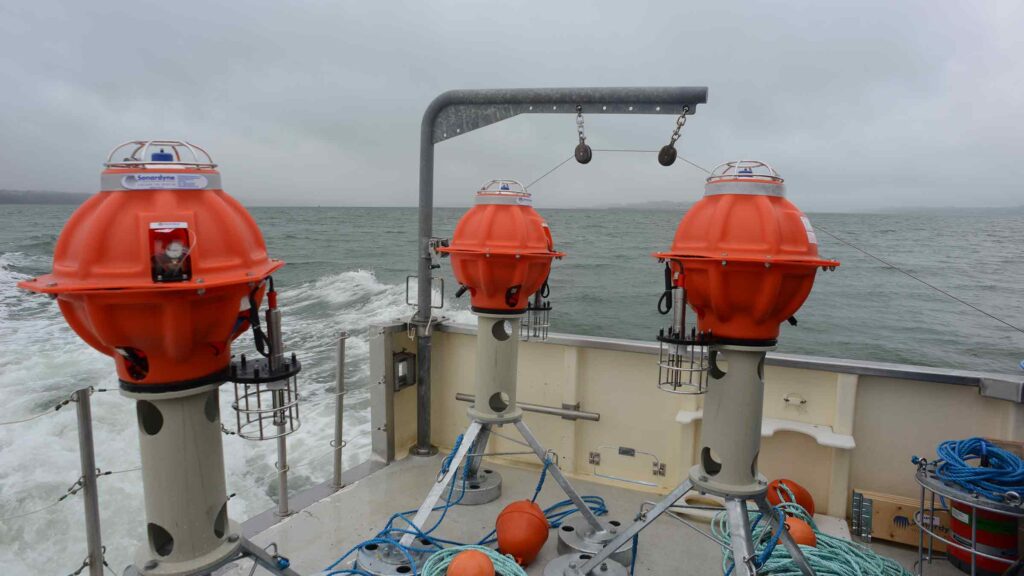
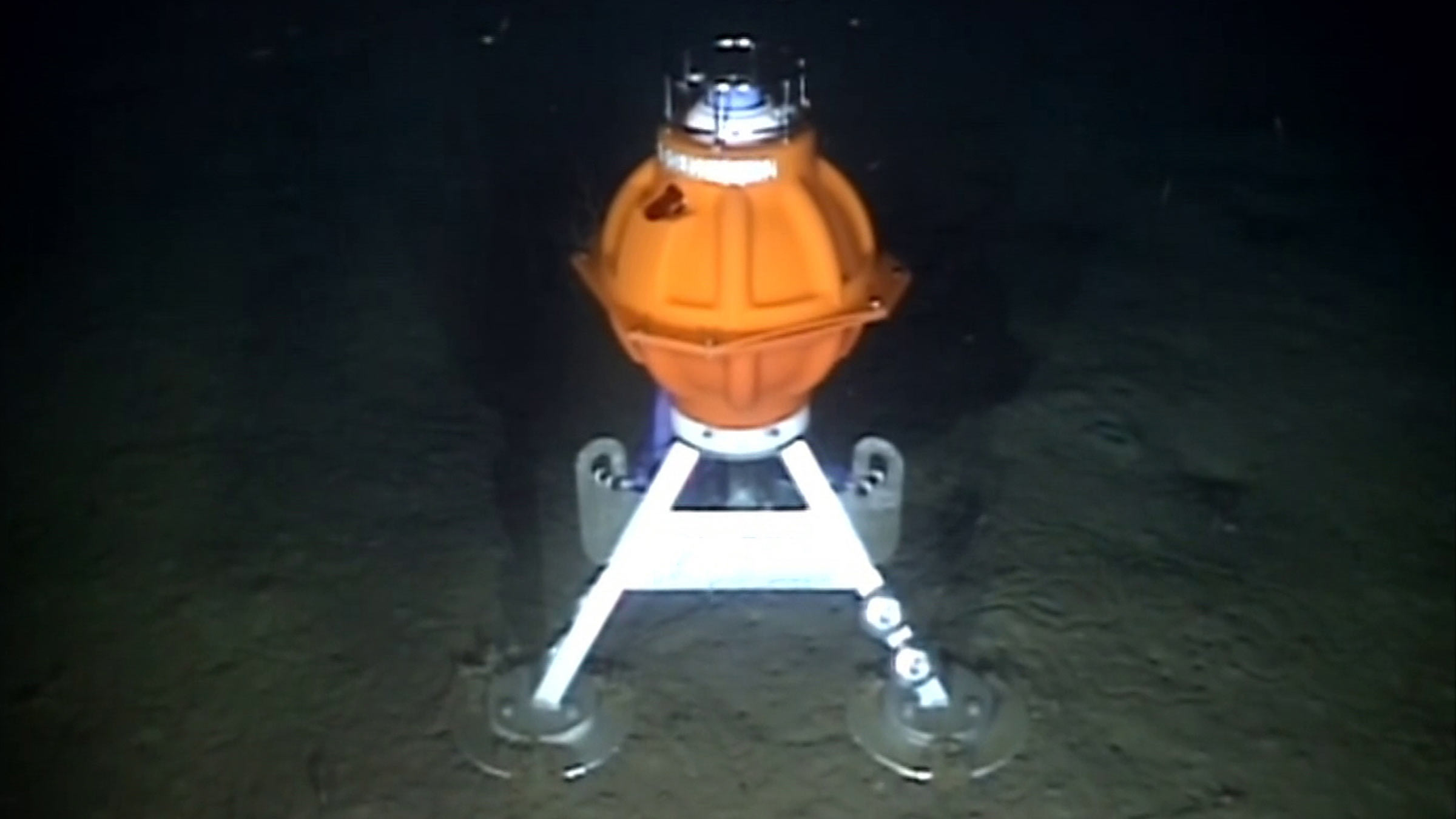
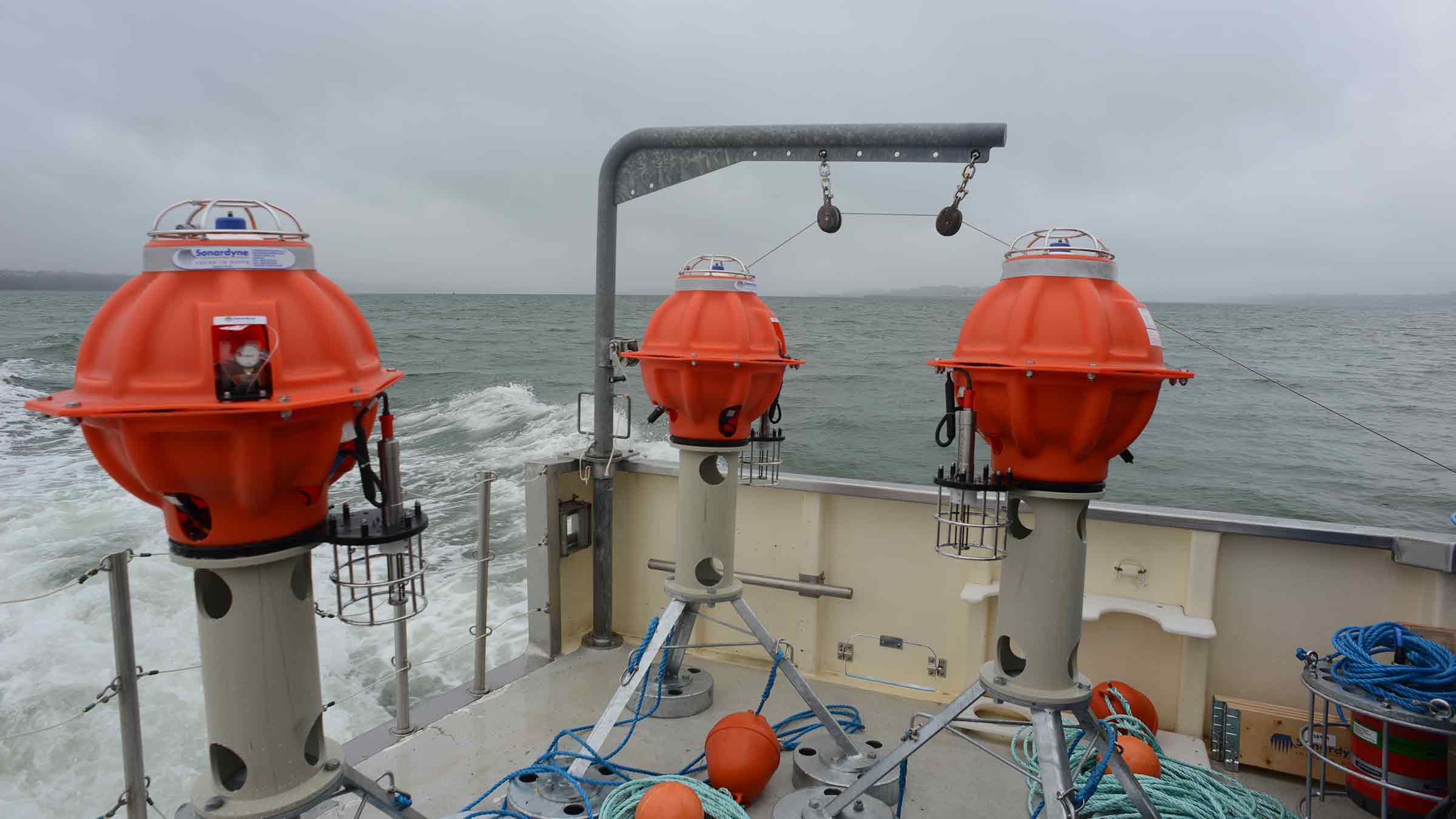
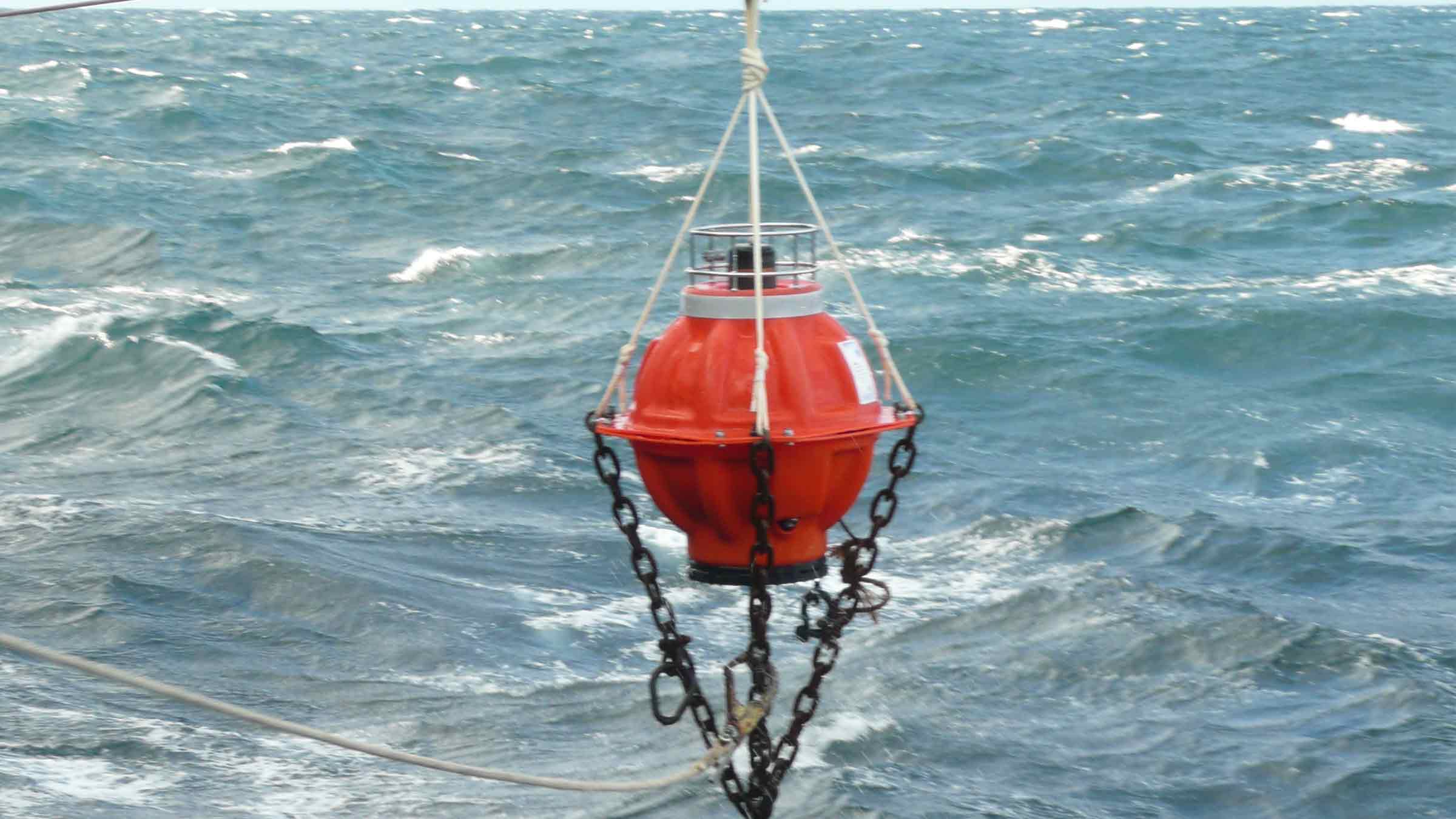
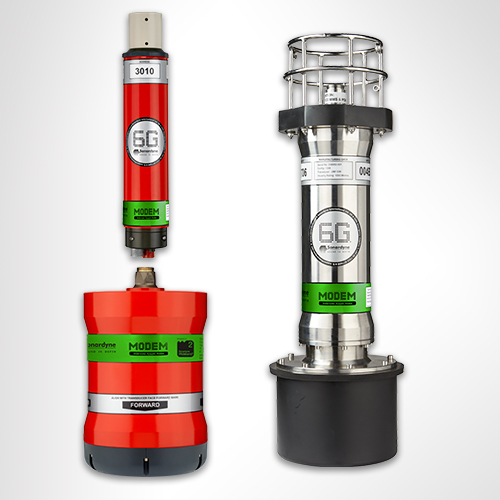
Fetch is a long-life subsea sensor logging node with a battery life option of up to 10 years that enables data to be wirelessly extracted via its integrated high speed acoustic modem. We’ve designed every aspect of Fetch to support your underwater monitoring needs, from its high-capacity battery packs to its compatibility with our Ultra-Short BaseLine (USBL) positioning systems. Our team brings decades of experience in subsea technology to help you achieve reliable, long-term monitoring success.
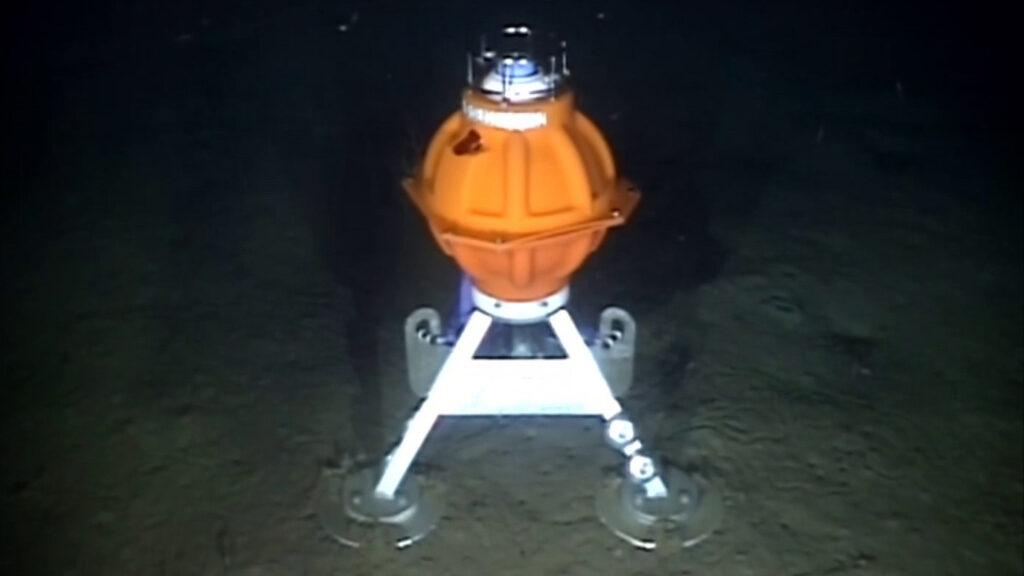
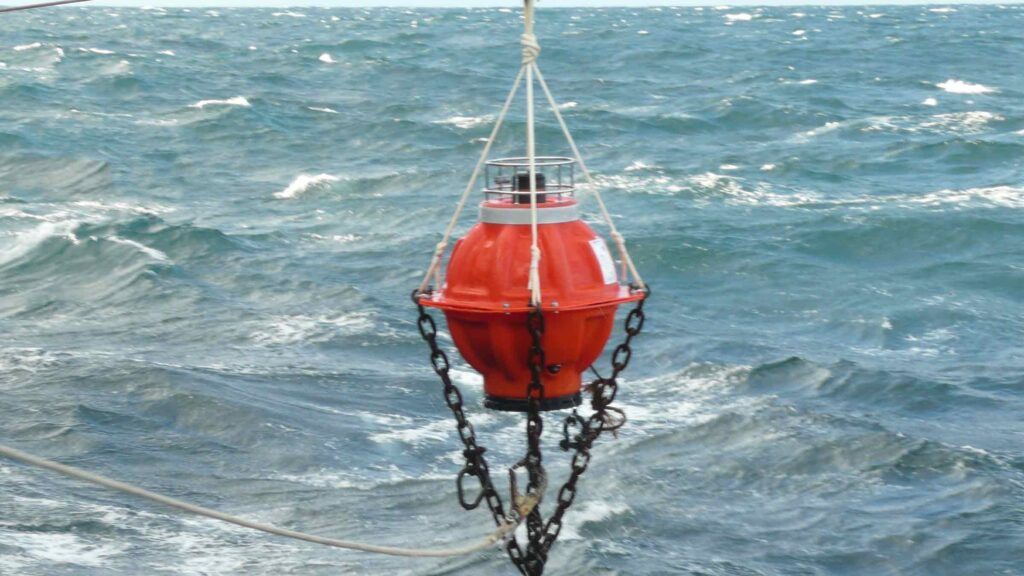
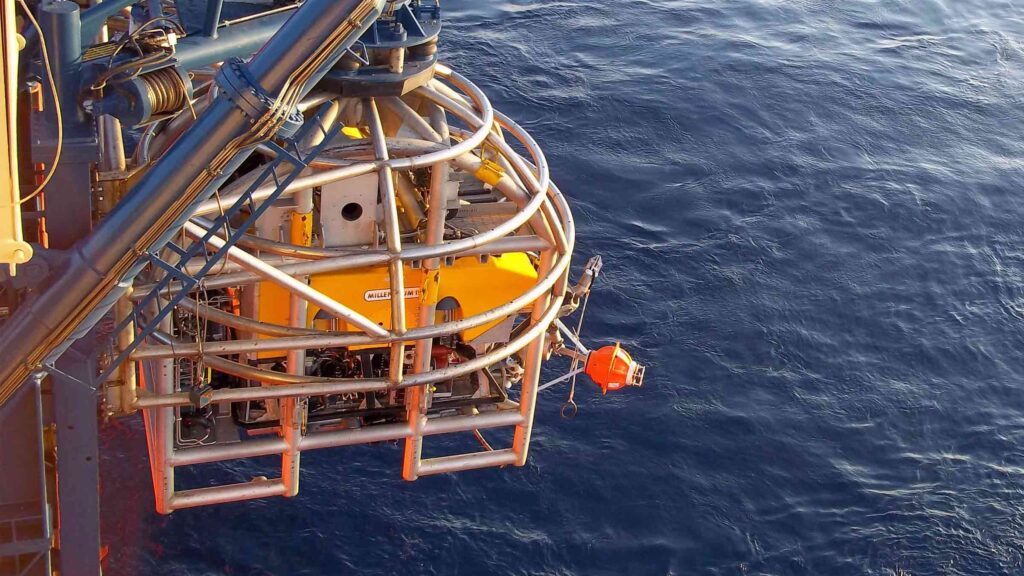
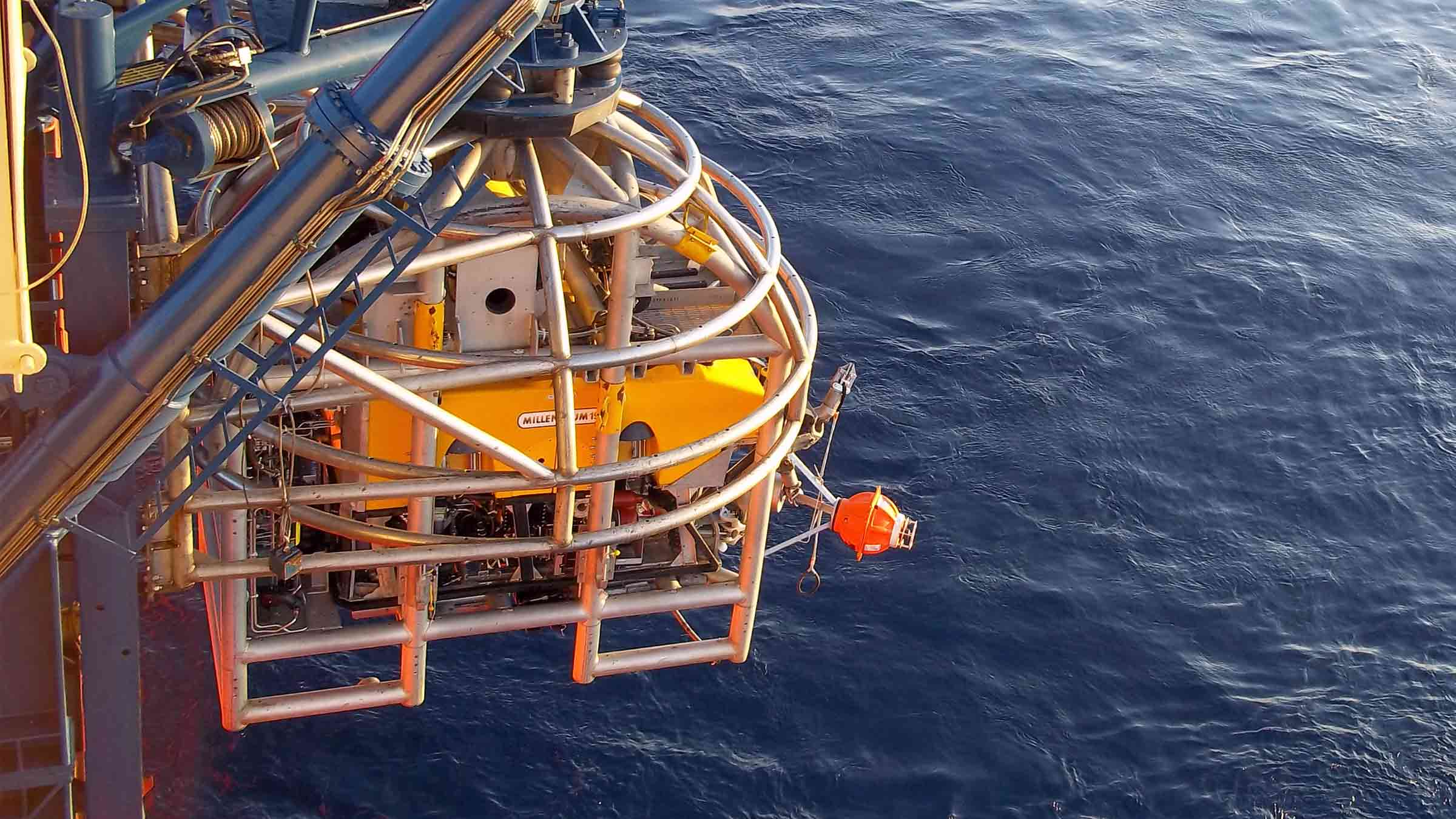
An innovative free-fall deployment system ensures your Fetch lands upright every time, saving you valuable vessel time and cost.
Your Fetch can be configured with an array of different sensors to suit your monitoring applications. Standard sensors include high accuracy pressure, temperature and sound velocity as well as inclination. Other sensors can be integrated internally or externally as required.
Smart power management means the subsea sensor logging nodes only activate when needed, maximising battery life. Data captured by the active nodes is time-stamped and stored on an SD memory card ready for retrieval,
You can configure your sampling regime before deployment and update it in-situ via the acoustic modem which is also used to recover the data to the surface. The 9,000 bits per second modem transfer rate enables data to be extracted in minimal vessel time so reducing your operational costs.
When you’re ready to retrieve your Fetch, a simple acoustic command brings it safely to the surface under its own buoyancy ready for collection.
Specifications
| Feature | Type 8306-Fetch | |
|---|---|---|
| Depth rating | 3,000 or 6,000 m | |
| Operating frequency | MF (20–34 kHz)
LMF (14-19 kHz) |
|
| Transducer beam shape | Directional
Omni-directional |
|
| Transmit source level (dB re 1 µPa @ 1 m) | 190-202 dB Directional | |
| 187-196 dB Omni-directional | ||
| Battery life (capacity)
(Dependent on sensors and sampling interval) |
2.61 kWh – up to 5 years typical (single layer battery) 7.31 kWh – up to 10 years typical (dual layer high-capacity version) |
|
| Mechanical construction | Glass sphere with titanium fittings | |
| Operating temperature | -5 to +35°C | |
| Storage temperature | -20 to +55°C | |
| Weight in air/water | Fetch | 40/10 kg (upthrust buoyancy, single battery pack variant) |
| (Estimated weights) | Stand | 60/52 kg |
| Sensors and options | ||
| Tilt switch (±30–45°) | Standard | |
| Temperature (±0.1°C) | Optional | |
| Paroscientific DigiQuartz pressure sensor (±0.01%) 1,350 m, 2,000 m, 4,130 m, 6,800 m |
Optional | |
| Sound velocity sensor ±0.02 m/s accuracy under calibration conditions |
Optional | |
| High accuracy inclinometer Range: ±90°, Accuracy: ±0.05° over 0 – ±15°; ±0.2° over 0 – ±45° |
Optional | |
| Acoustic baseline ranging | Optional | |
| Release Mechanism (Screw-off) | Optional | |
Frequently asked questions
How do I run basic testing for Fetch with an iWand?
What is an instrument acoustic address and UID?
How do I connect to Fetch with Bluetooth?
How do I connect to Fetch with an RS232 test cable?
How do I connect to Fetch with an iWand?
How do I connect to Fetch using an acoustic transceiver?
How do I connect to Fetch to run some basic tests before deployment?
What is the benefit of noting the time from a watch or clock when data harvesting?
What is SAM software?
How do I connect an iWand to my computer to configure Fetch using SAM software?
How do I generate a test report after basic testing for Fetch with an iWand?
What is the DAS time?
Why should I check Fetch sensor readings in the early stages of setup in SAM?
When preparing Fetch for deployment why is it important that acoustic settings are set for ‘In-Air’ use?
What is the ‘Progressive Logging’ setting in Subsea Array Manager software when configuring Fetch?
What is the difference between an AMT and Fetch?
Software and firmware
Datasheets
Manuals and quick start guides
Performance
• 3,000 or 6,000 m depth rated
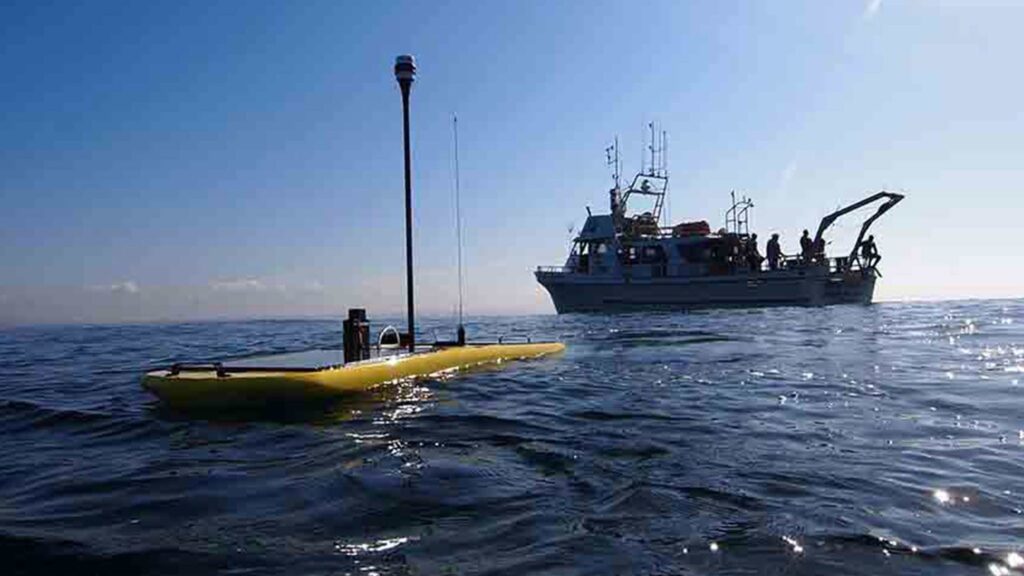
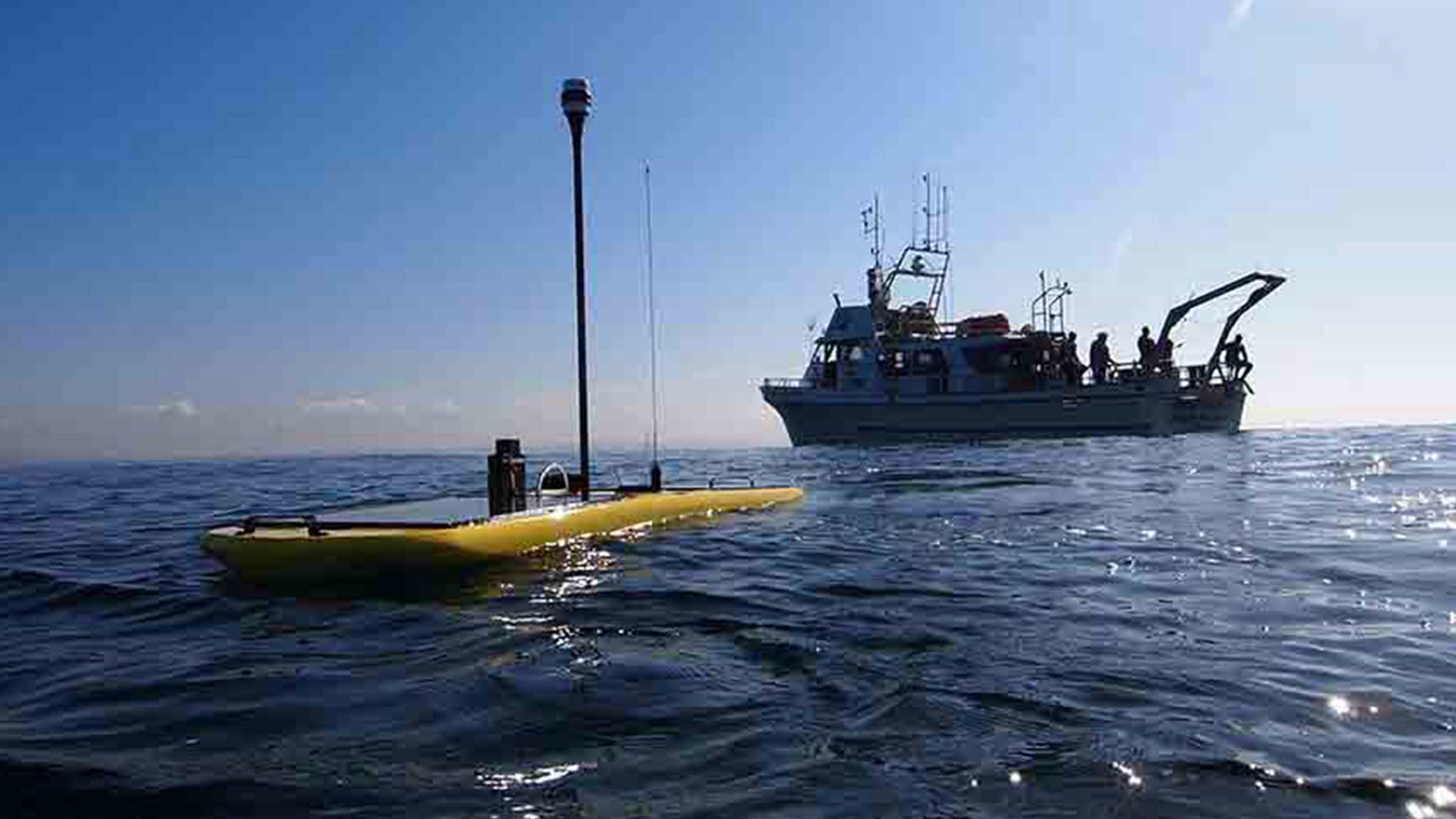
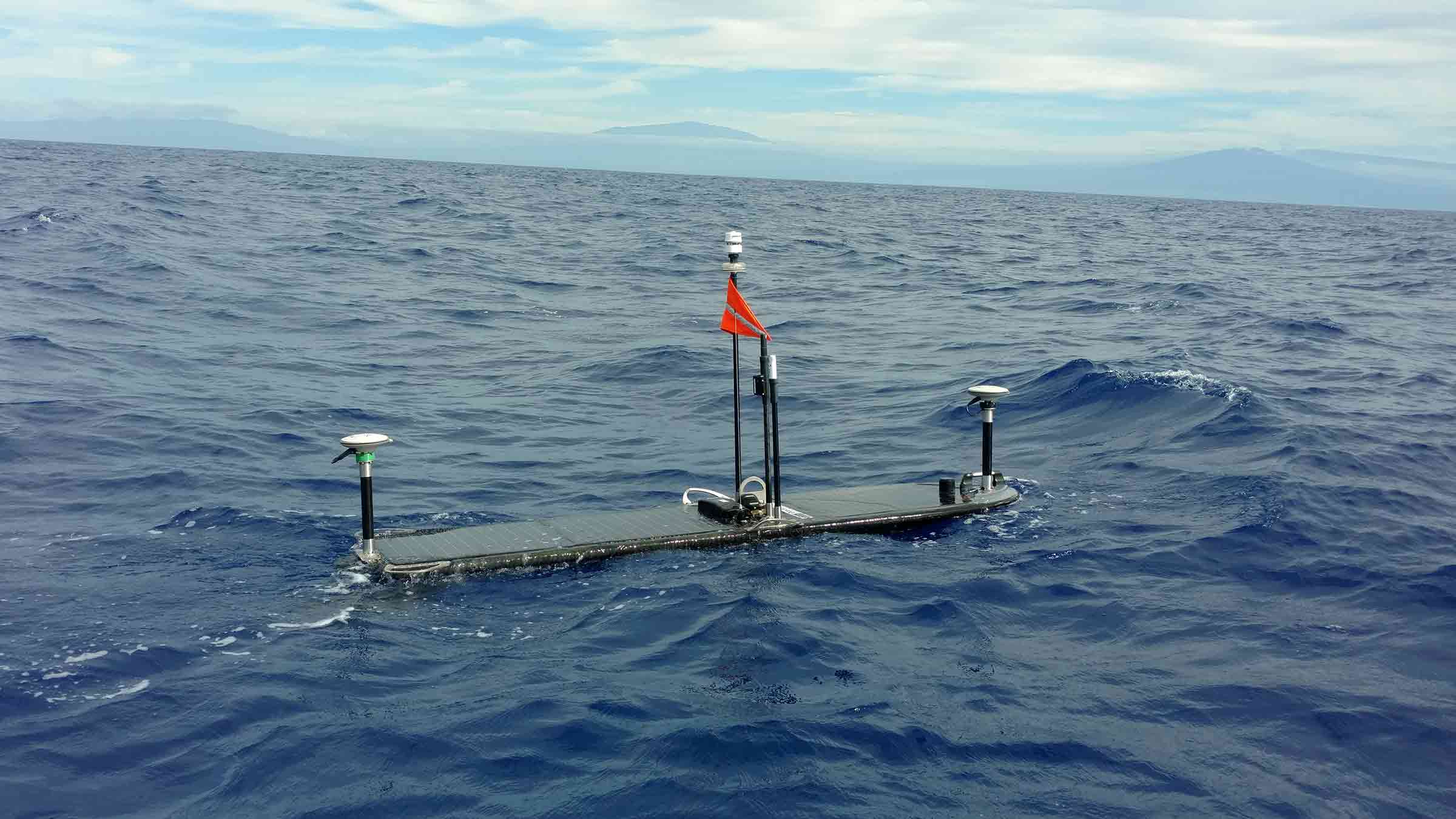
• Vessel, USV or AUV data harvesting options
• Anti-trawl fame option available
• High capacity primary lithium battery pack – up to 10 year deployment life
Design
• Integrated modem with data rates ranging from 100 to 9000 bps
• Customisable sensor payloads
• Glass sphere, titanium parts (except duplex s/steel guard), polypropylene shell
• Easy to set up with configuration and sampling period programmable via telemetry link
Acoustic
• Integrated modem with data rates ranging from 100 to 9000 bps
• 500 Unique addresses, ideal for large array deployments
• Sonardyne Wideband1, 2, 2+ and HPR 400 USBL mode compatible
Set-up
• Warranty: 1-year return to Sonardyne service centre
• ITAR Controlled: No
• UK Export License: Not required